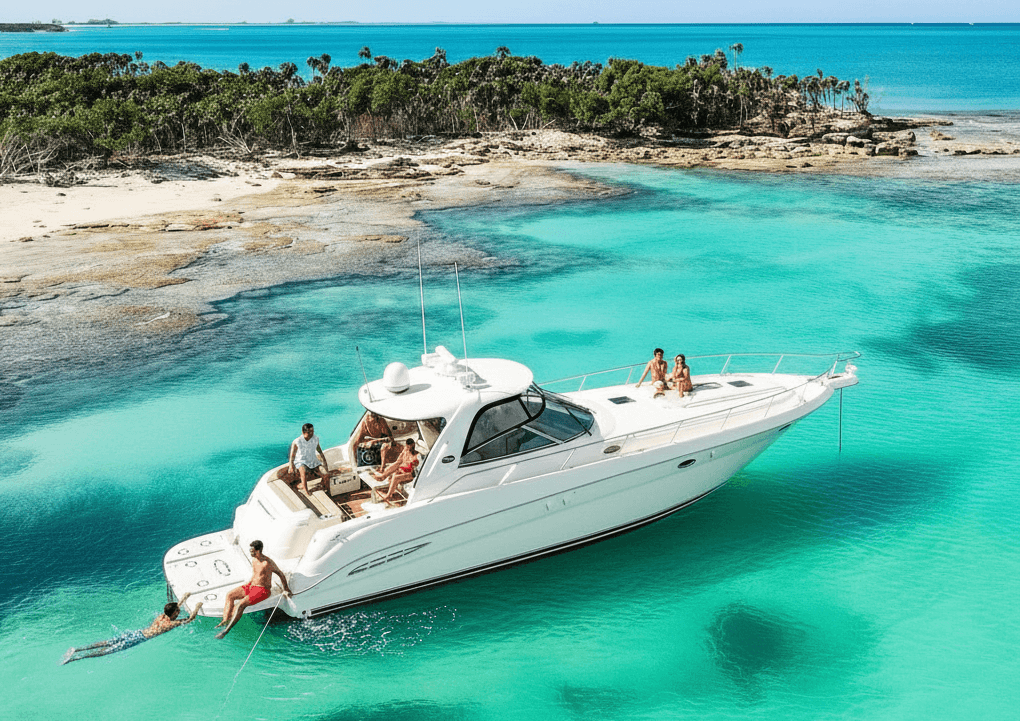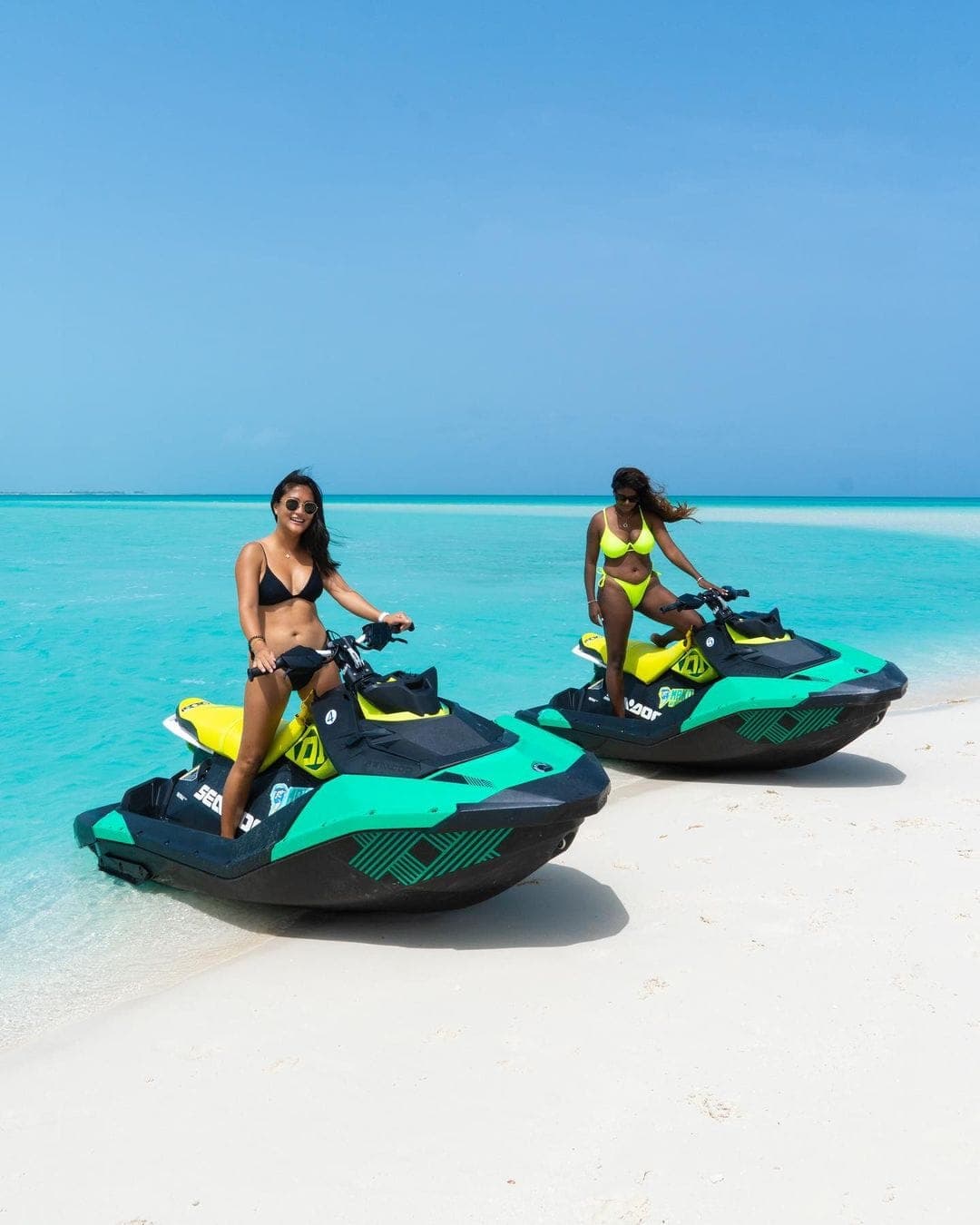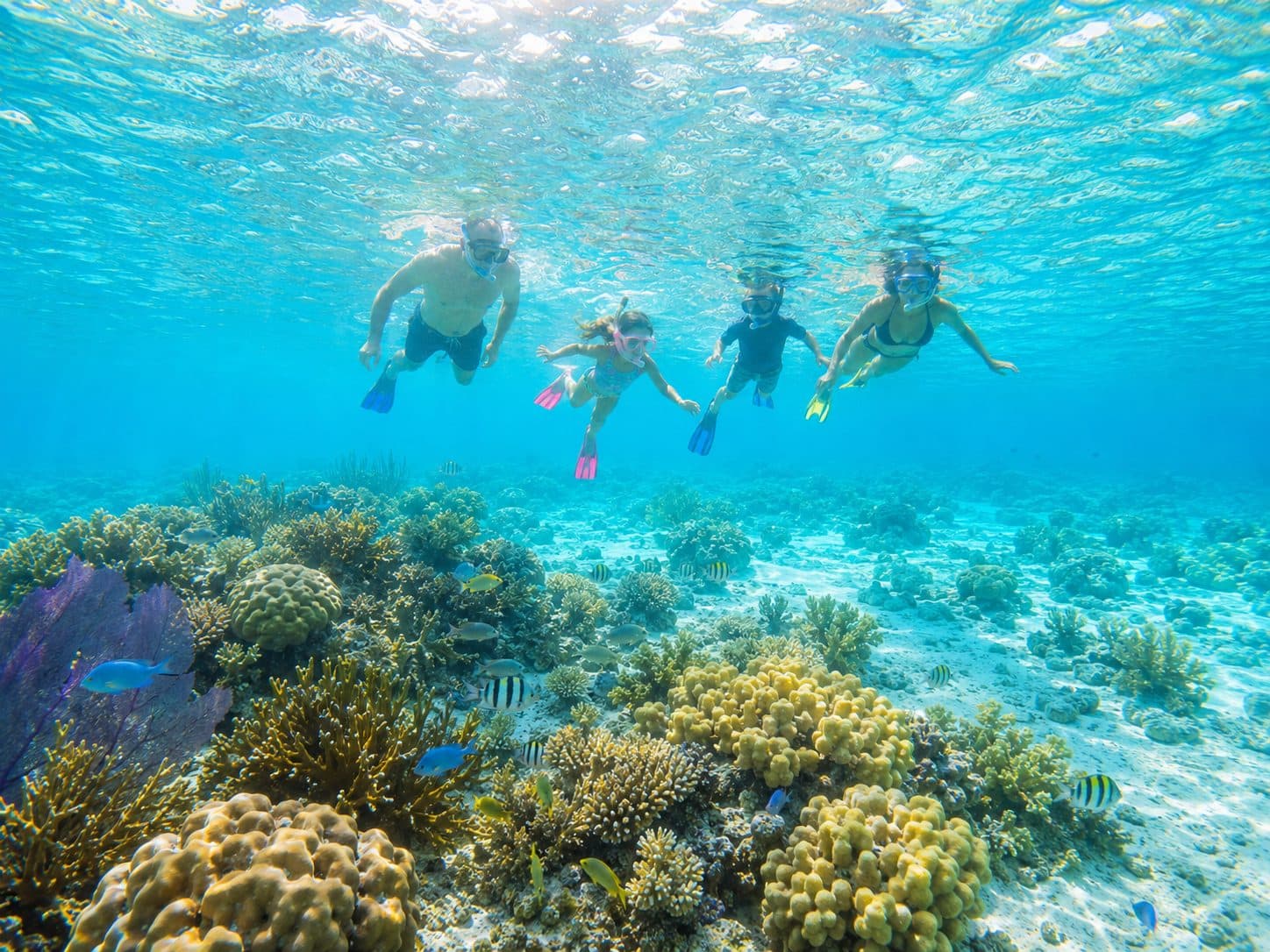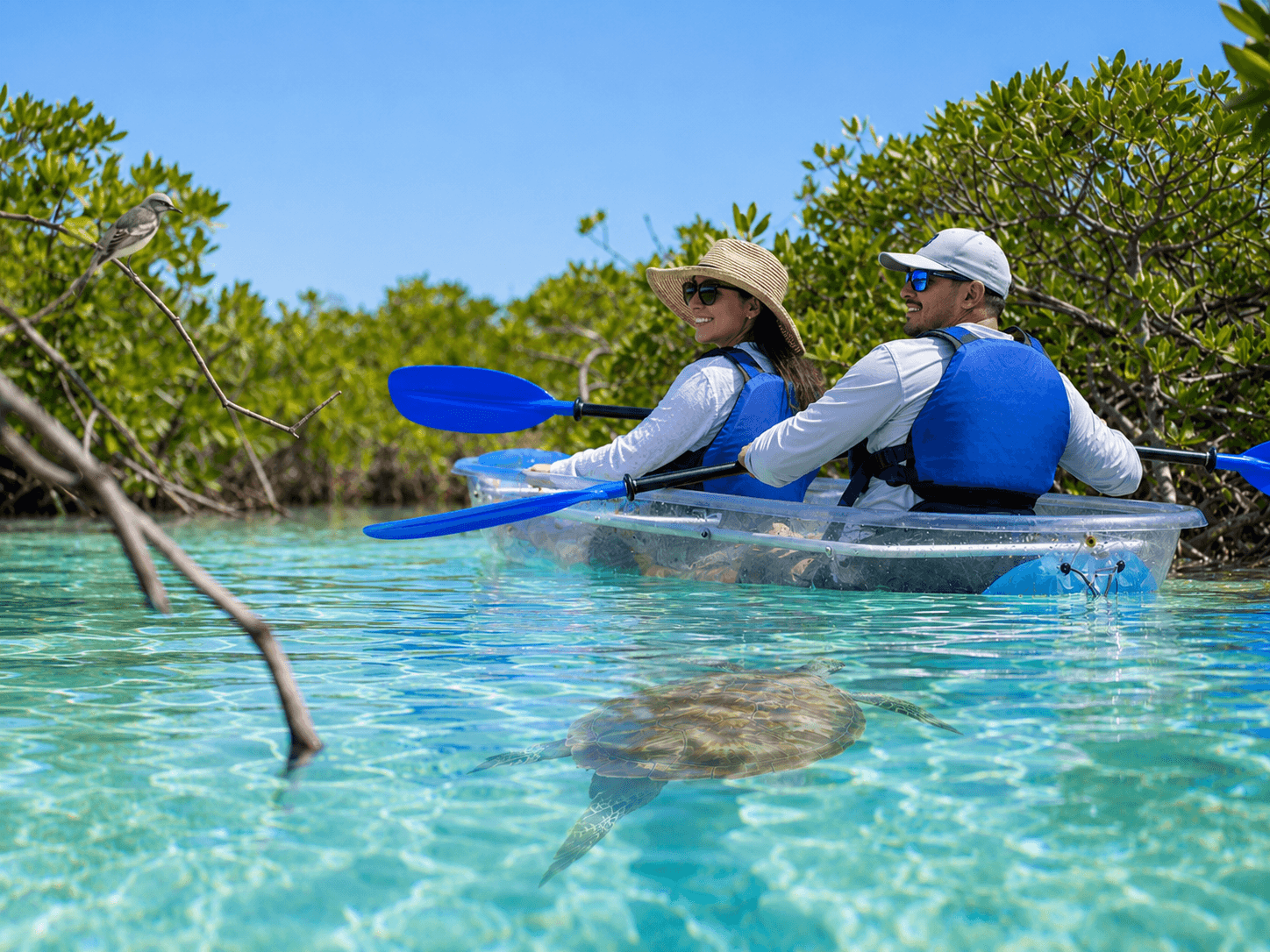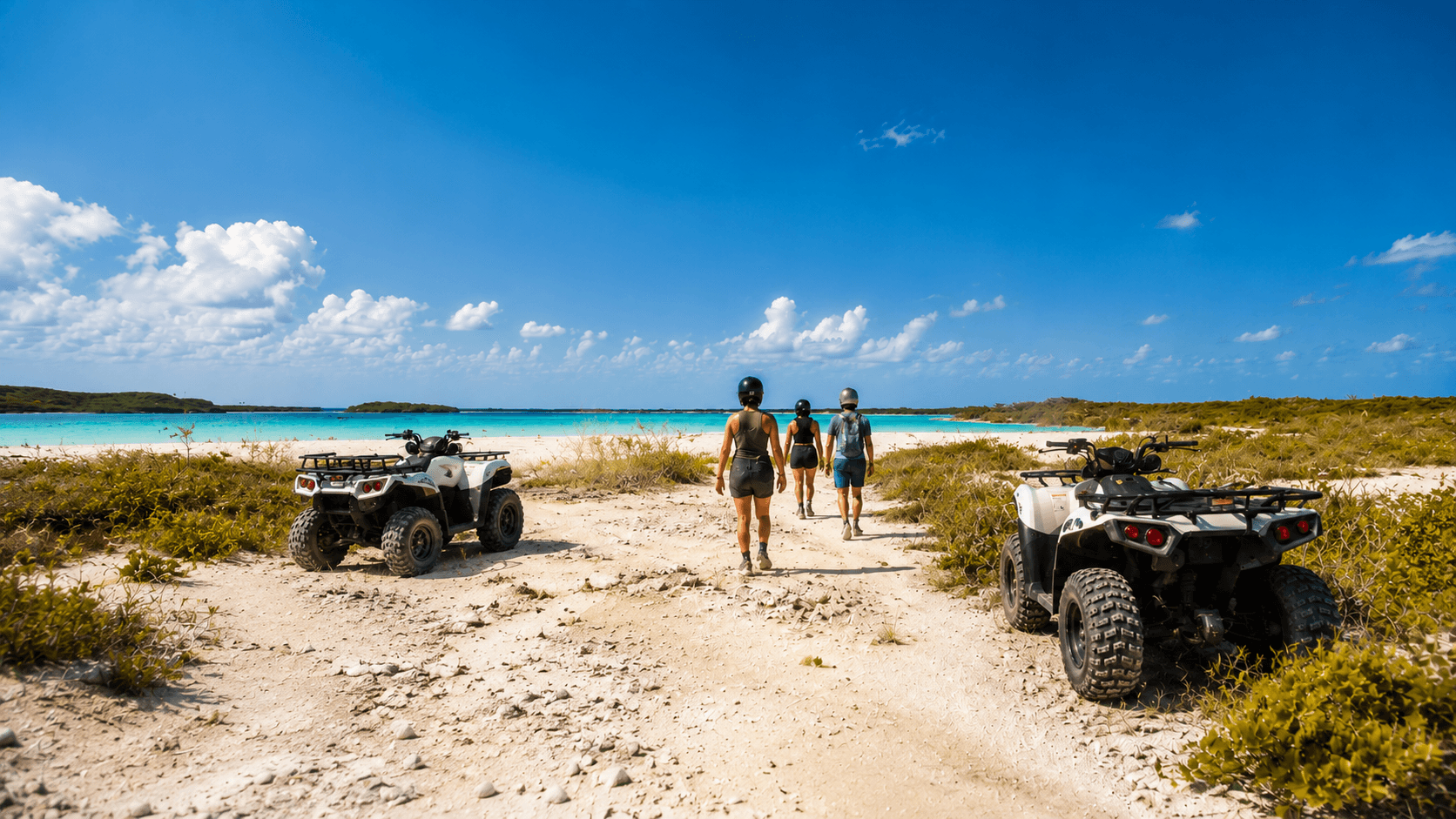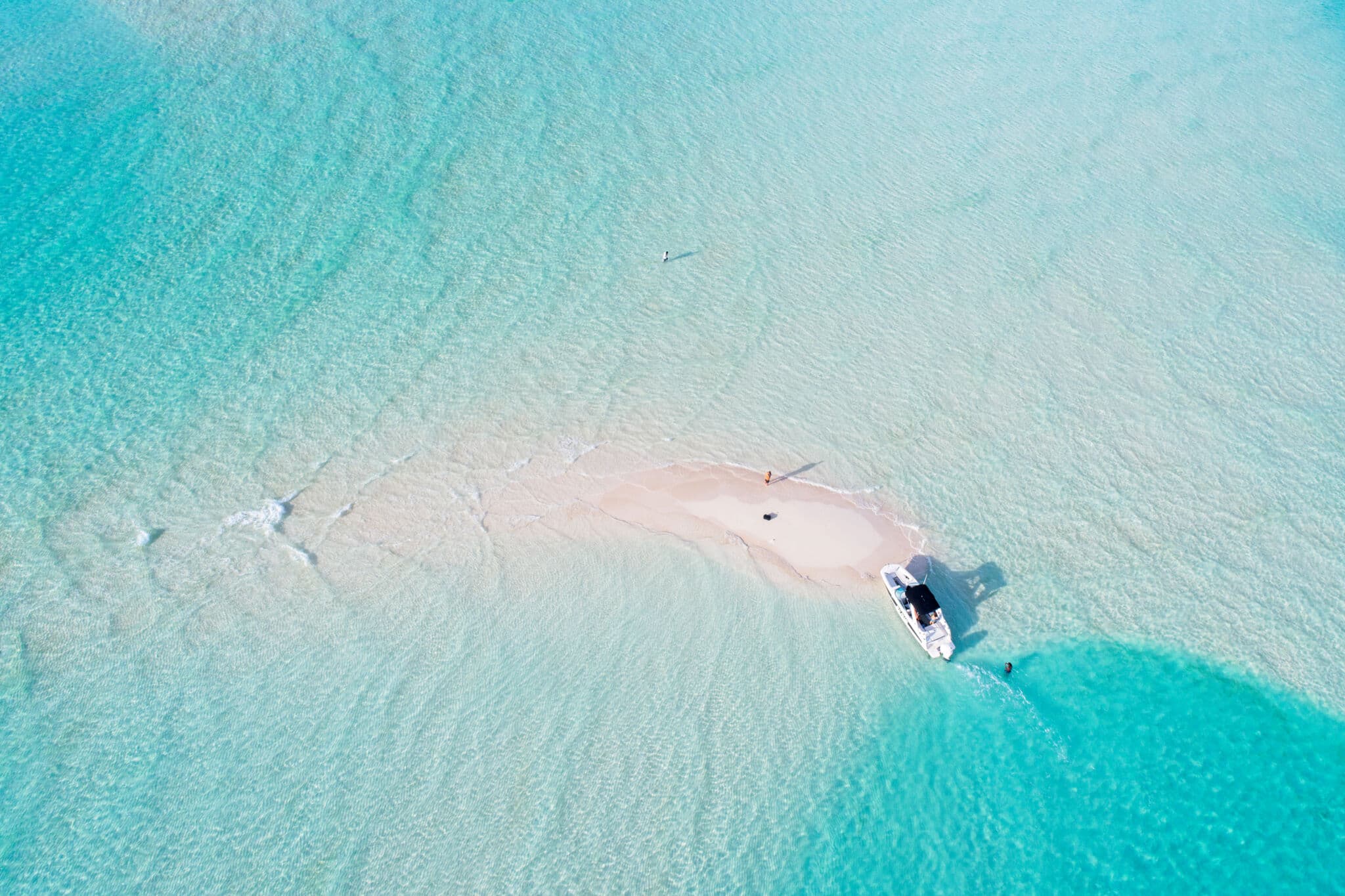
Half Moon Bay is younger than most of the people who visit it. In 1960 Hurricane Donna cut a channel between Little Water Cay and Water Cay; sand drifting across the Caicos Banks filled it over the next four decades, and by the late 1990s the channel had closed, leaving a crescent of sand with the ocean on one side and a lagoon on the other that is rarely more than knee-deep. That accident of weather is now the stop every boat day out of Leeward is built around.
It’s about a mile of water from Providenciales and a few minutes by boat from Leeward, and it isn’t the only sandbar out there. Here’s where they are, what each is like, and how to plan a day around them.
Sandbars at a glance
- Good to know: a $10 National Trust fee at the time of writing, no shade, no facilities and no fires.
- Half Moon Bay: a crescent of sand joining Little Water Cay and Water Cay, with a calm, shallow lagoon.
- Water Cay: the uninhabited island next door, with a long north-shore beach.
- Sand Dollar Cove and Fort George Cay: calm water and sandbars between Pine Cay and Fort George Cay, with a sandbar island at lower tides.
- How to get there: by boat, a few minutes from Leeward (most private charters list a sandbar stop, and the two-hour Caicos Cays jet ski tour rides past), or by kayak or paddleboard, about 1.3 miles each way.
1. Half Moon Bay
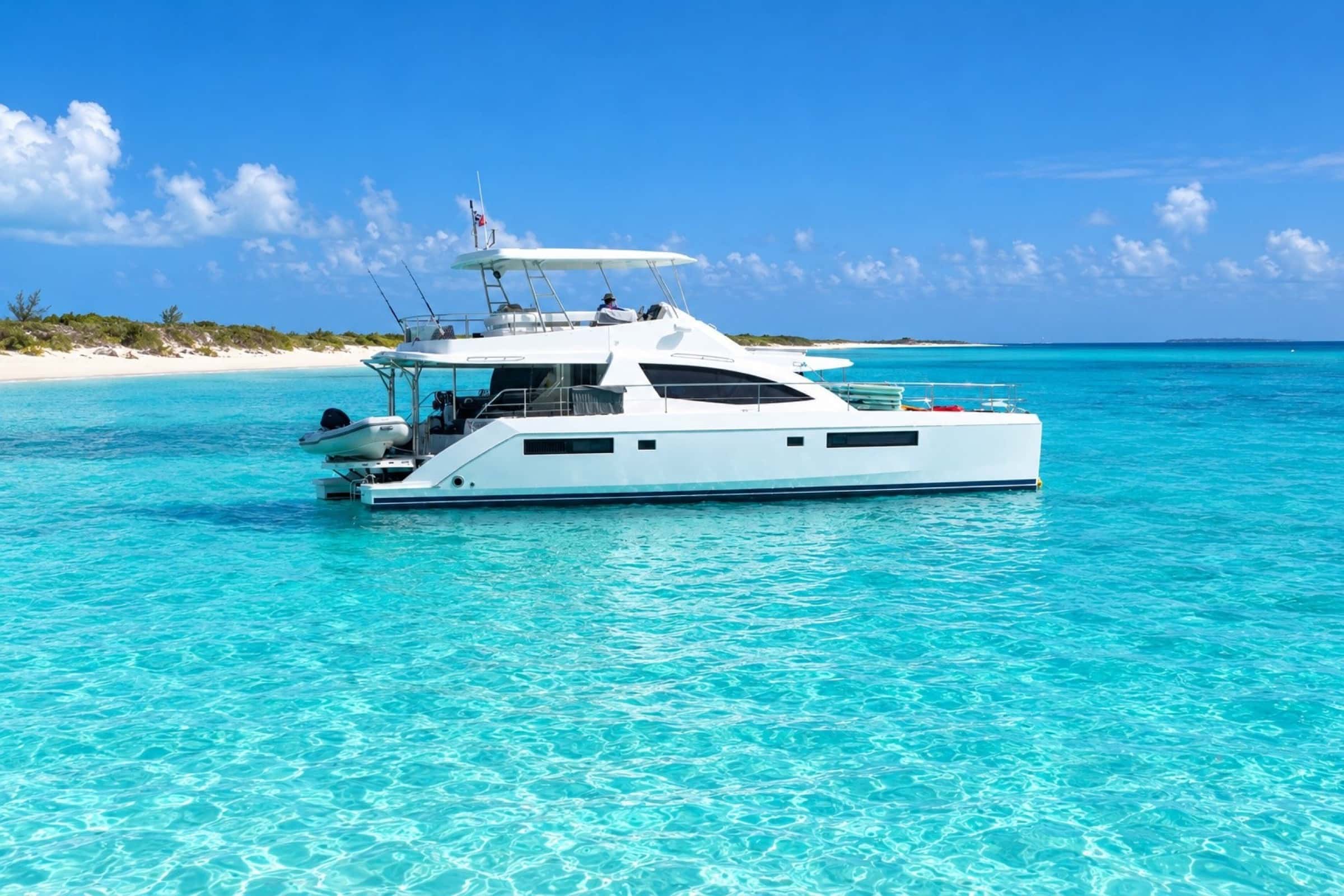
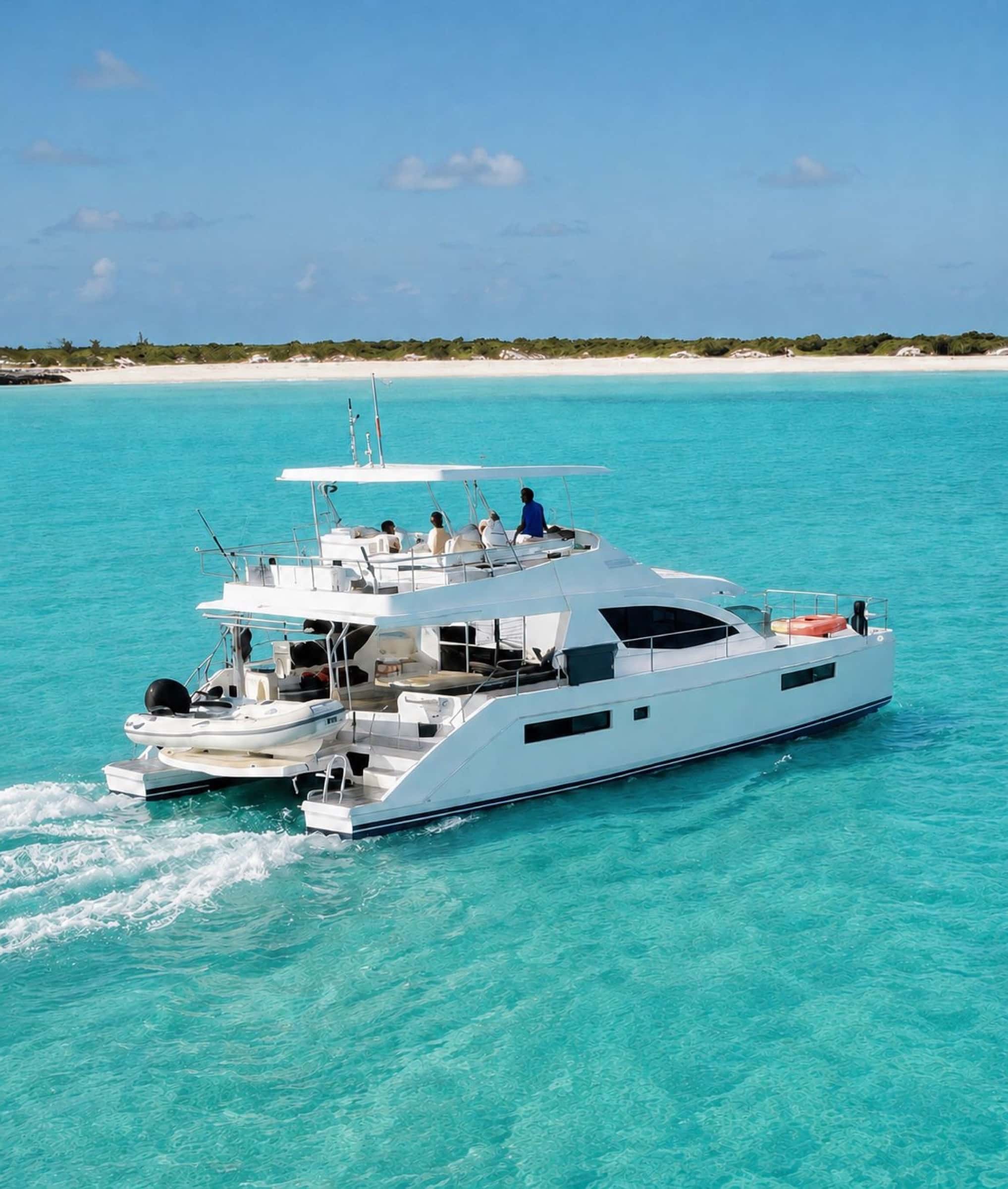
Half Moon Bay is a sandbar beach, about three-quarters of a mile long, joining Little Water Cay and Water Cay. On the north side is a white ocean beach; on the south, a sheltered lagoon so shallow and clear you can see every ripple in the sand. Low dunes keep the lagoon flat even on a windy day.
Look closely in the shallows: juvenile lemon sharks sometimes cruise the lagoon, southern stingrays settle on the sand flats off Little Water Cay’s south shore, and herons, egrets, ospreys and pelicans work the edges. Rock iguanas live in the dunes behind the beach, and dolphins pass through often enough that captains keep an eye out, though nobody can promise one. On a windy day you may share the lagoon with kiteboarders, who love its flat water. It’s the stop we’d put on almost any charter of four hours or more.
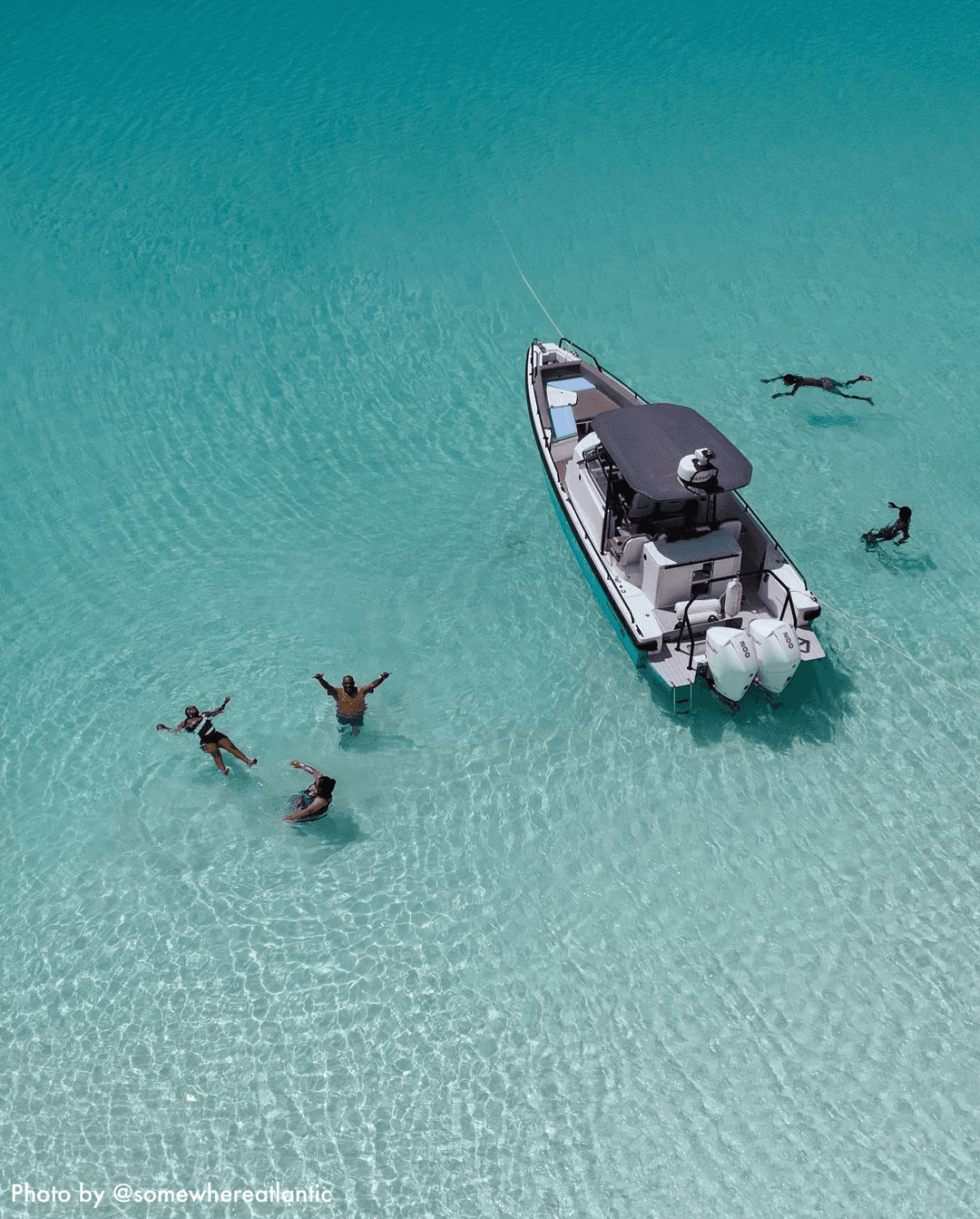
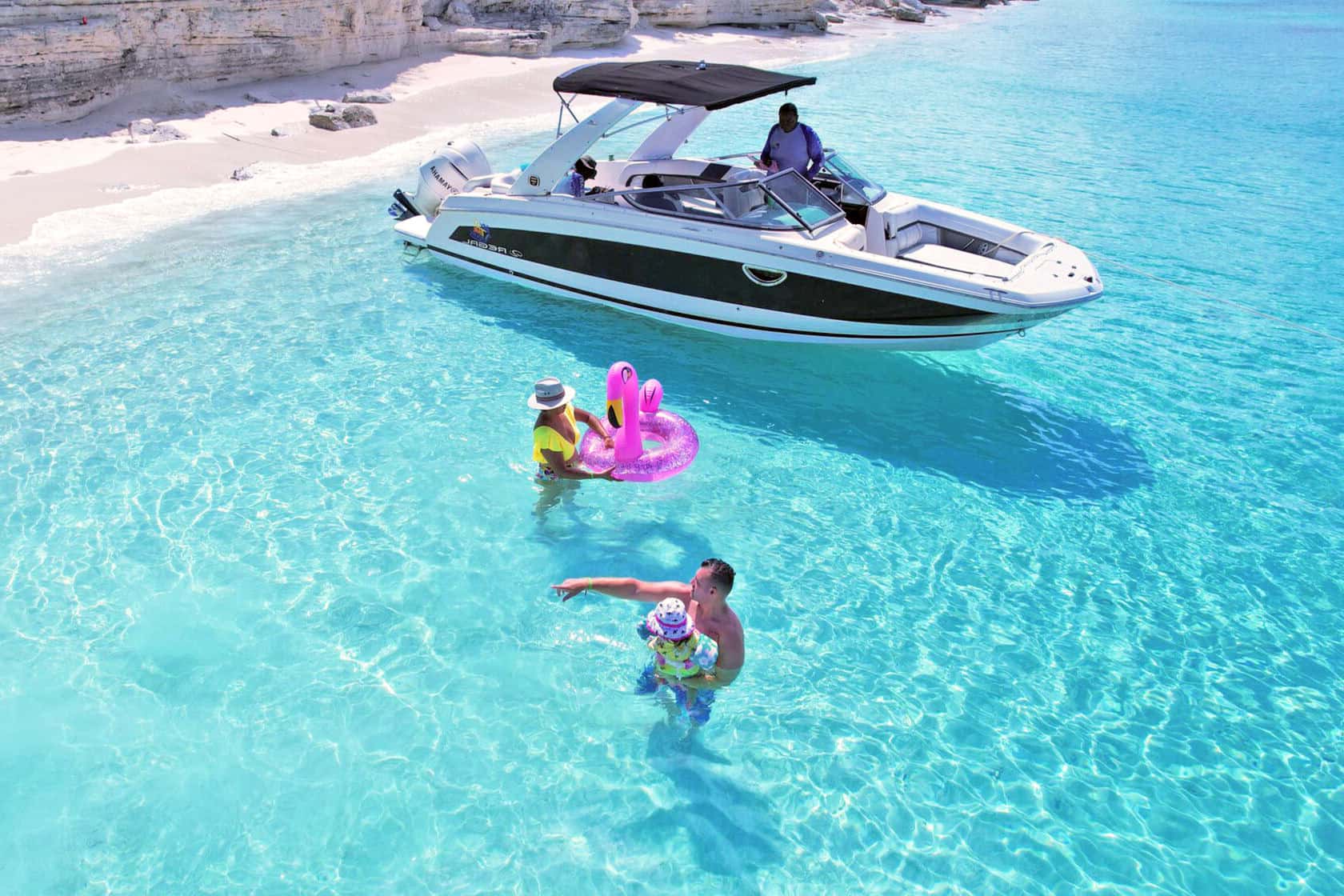
A stop here is simple: the boat anchors in the lagoon, you step off into warm water and wade to the sand. There’s no shade, no bar and no bathroom on a sandbar, which is why the boat matters; most of the charters below have one aboard, and each listing’s What’s Included says whether yours does. It’s busiest in the middle of the day, when the group boats arrive; a morning departure has it closest to empty.
Getting there under your own steam
Half Moon Bay is about a mile off Providenciales, and paddlers launch from the Leeward side for a crossing of about 1.3 miles to the start of the beach, depending on where you set off. The trade wind usually blows from the east-southeast at 12 to 20 mph, which makes the trip home the harder half, so a sit-in touring kayak beats a clear kayak on a breezy day, and the channel off Little Water Cay carries a tidal current. Rental stands in Leeward can set you up; give it a morning and take plenty of water.
Tide and timing
Tides here are gentle, typically 2 to 3 feet from high to low, but on banks this shallow that’s the difference between a strip of dry sand and a wade. Lower water shows the most sand and the sharpest ripples in the lagoon. Tide tables are worked out for Sandy Point on North Caicos, and the banks can run a little behind them, so treat the times as a guide. Boats usually give the stop an hour or two, and the first boats of the morning find it quietest.
Good to know
Half Moon Bay is part of Princess Alexandra National Park, cared for by the National Trust, which charges a small access fee ($10 at the time of writing).
The iguanas are wild and protected: don’t feed them, which is illegal and carries large fines, don’t touch them, and keep to the sand and the paths rather than the dunes, where a footstep can collapse a burrow. Fires are out too. In June 2023 a blaze believed to have started from beach campfires burned about two acres of dunes here, and the government issues no fire permits for Half Moon Bay or Little Water Cay. There are no lifeguards, so swim within your depth, and take every scrap of litter home.
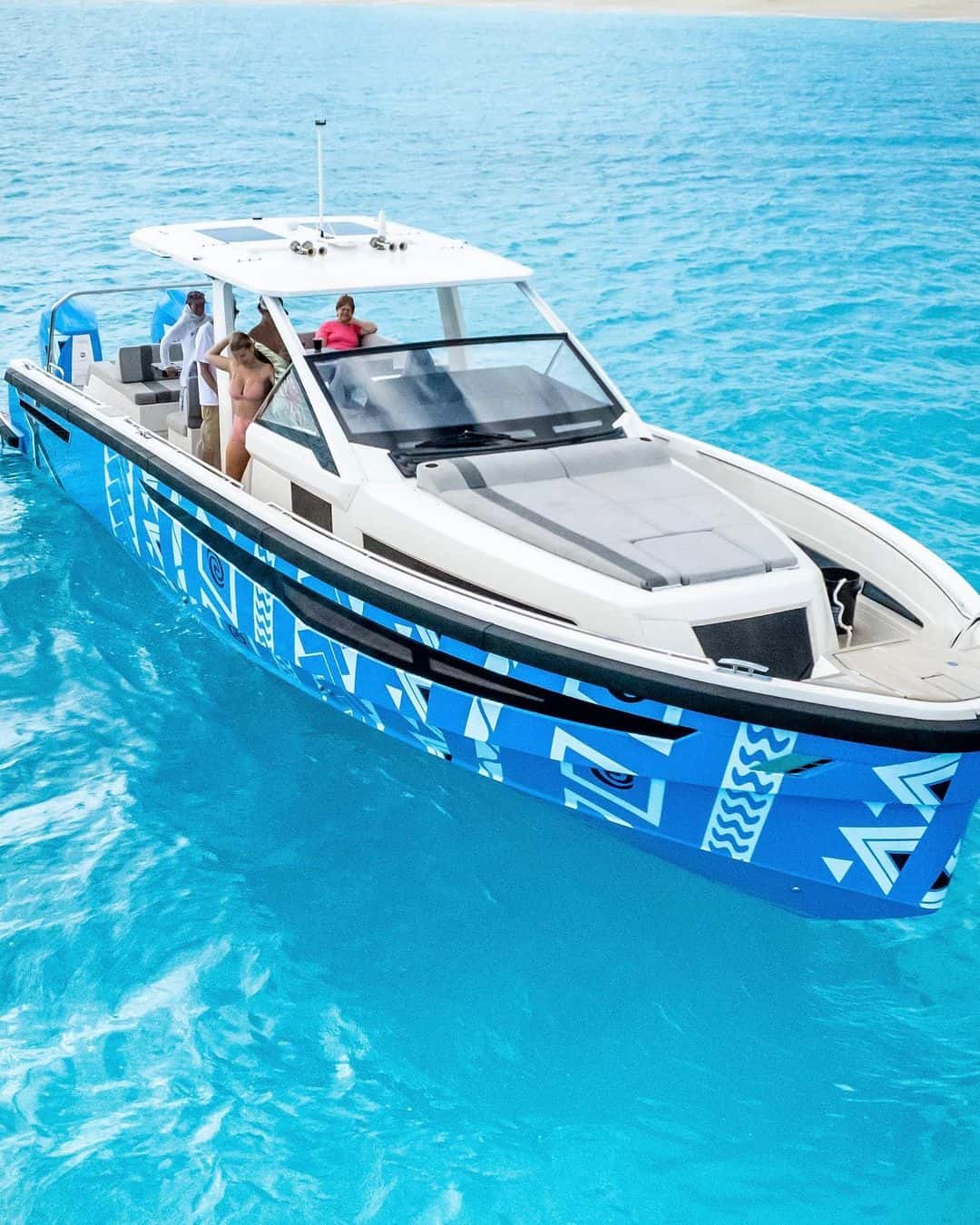
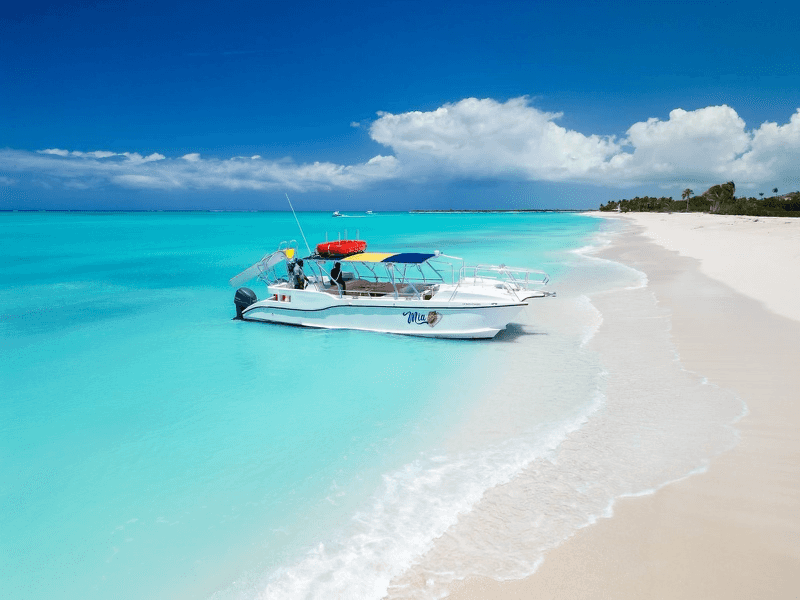
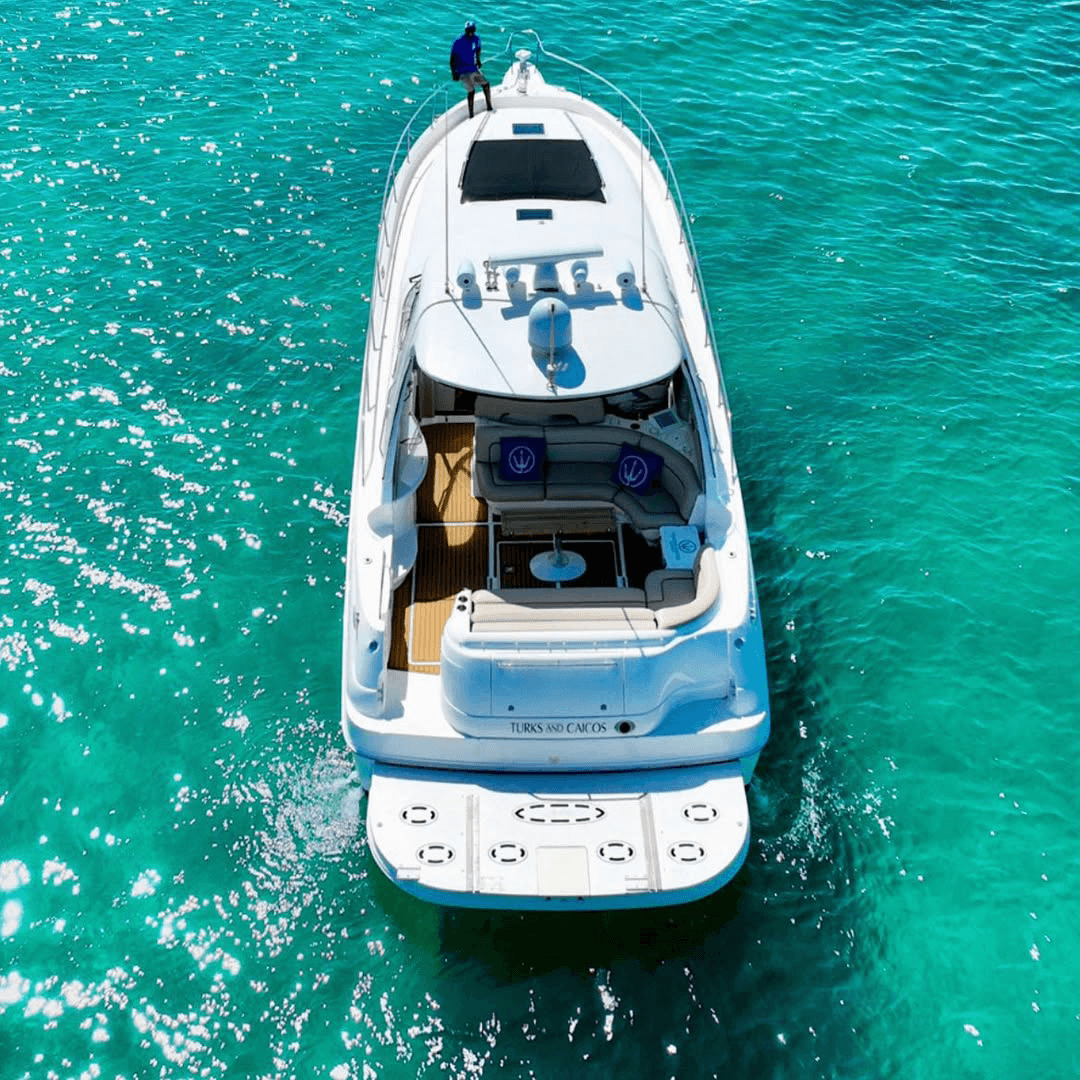
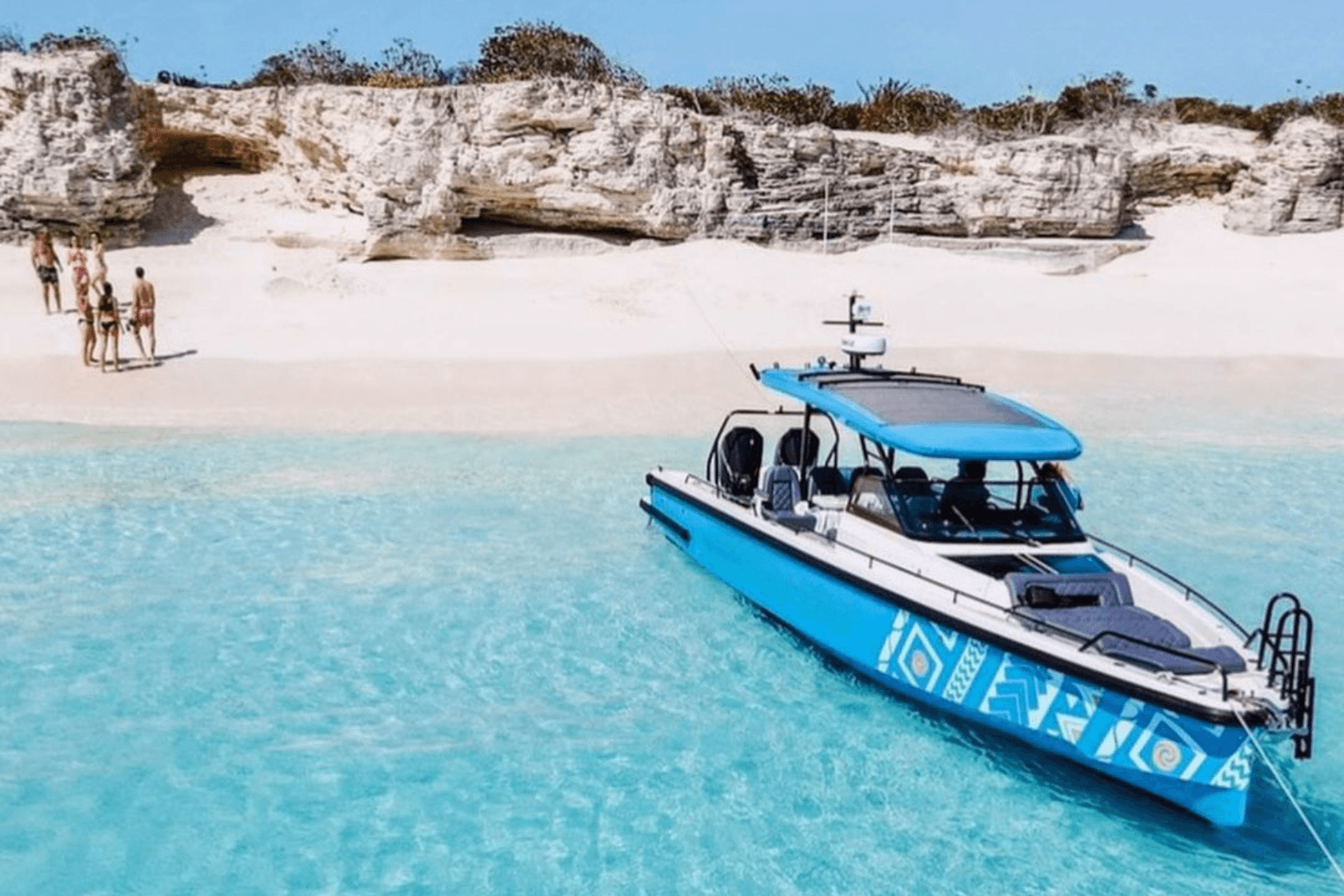
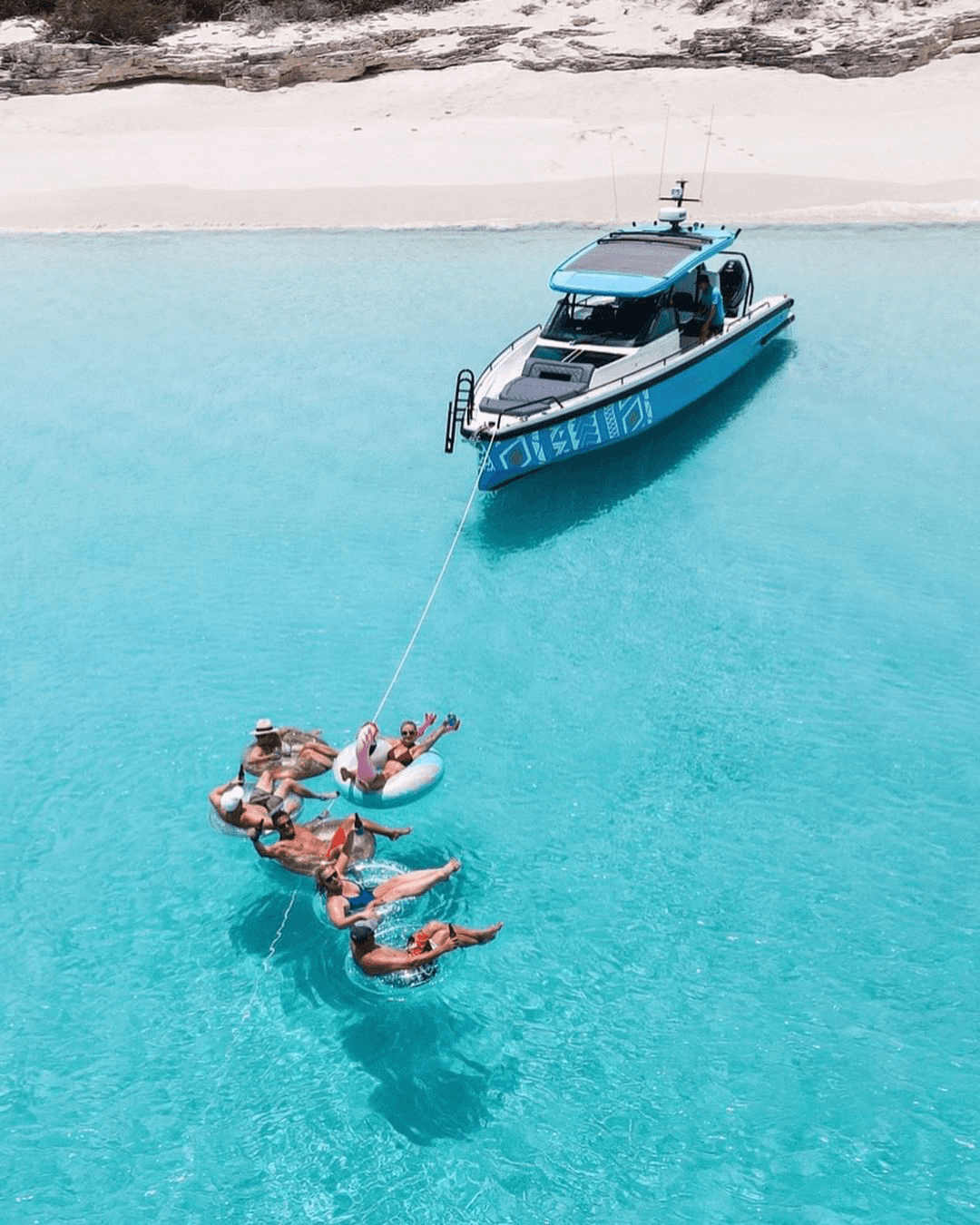
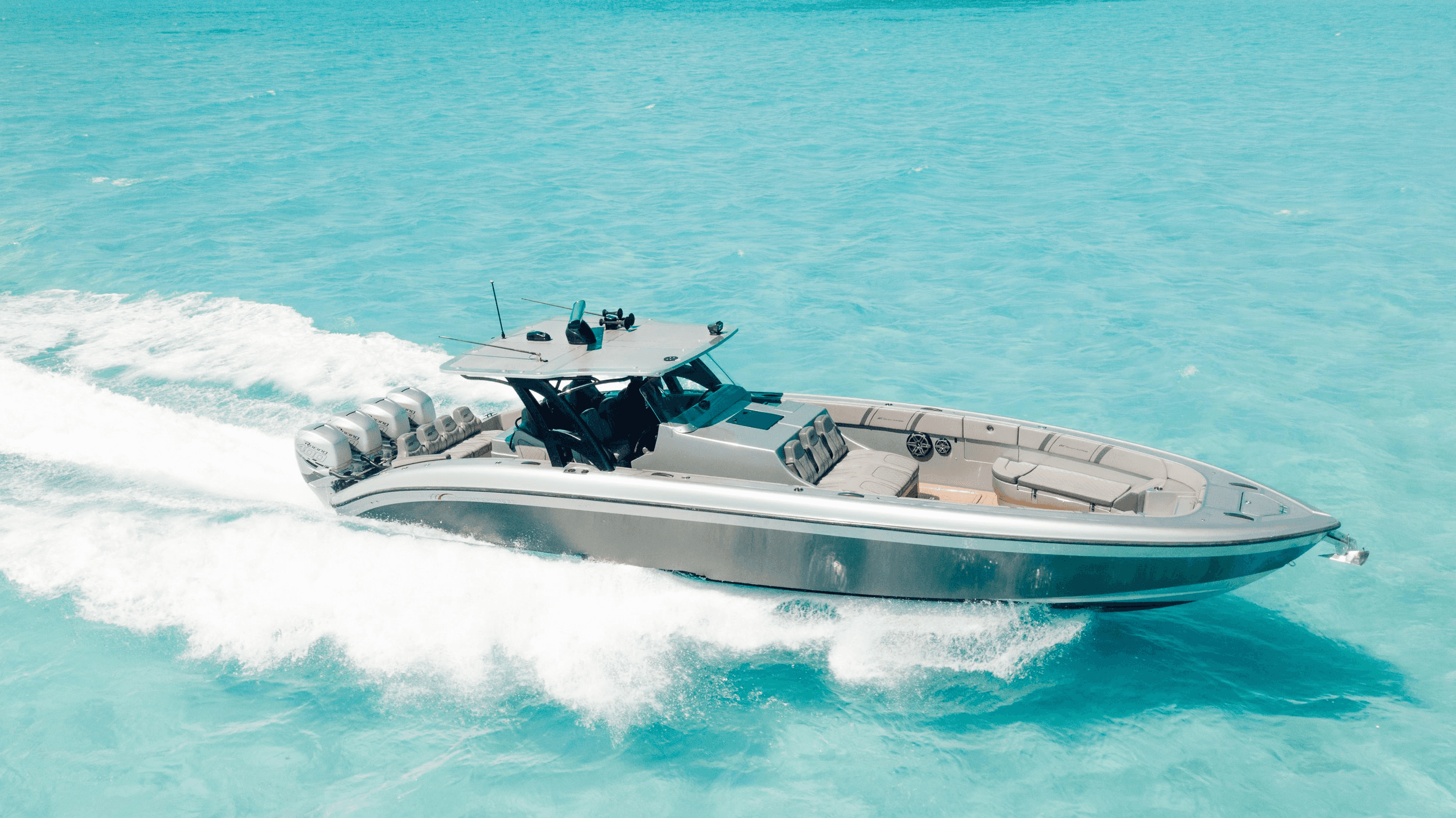
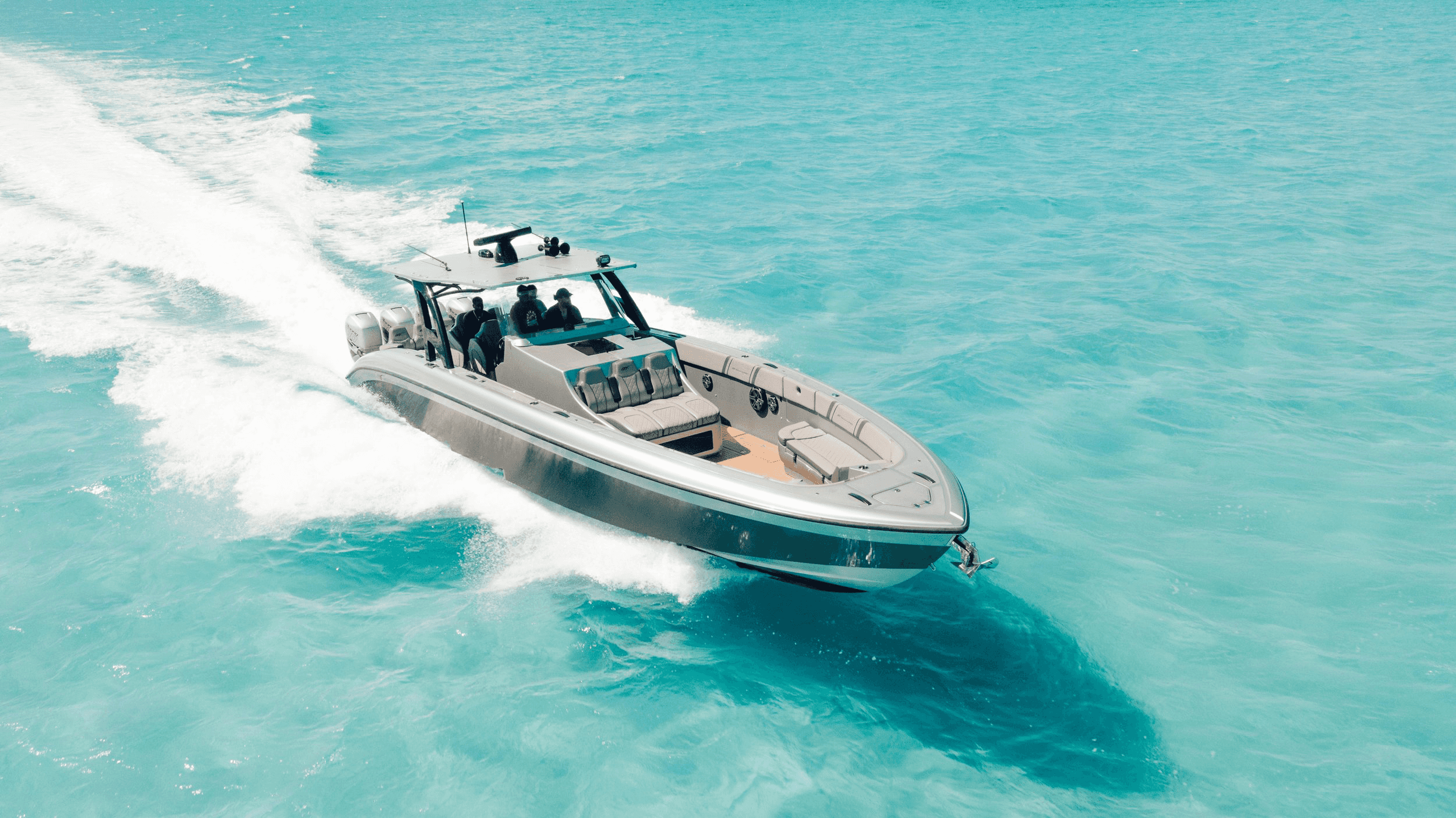
Charters to Half Moon Bay
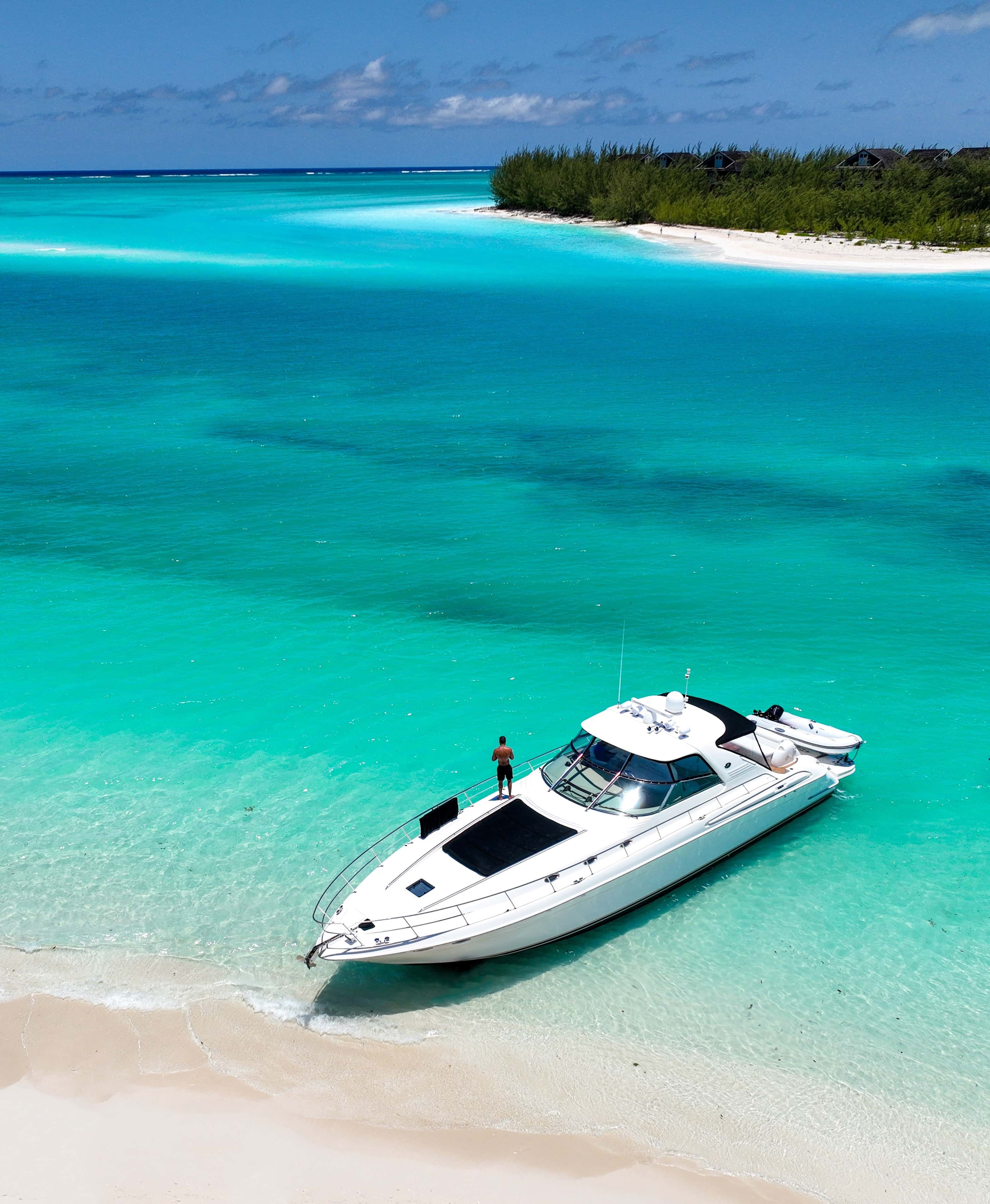

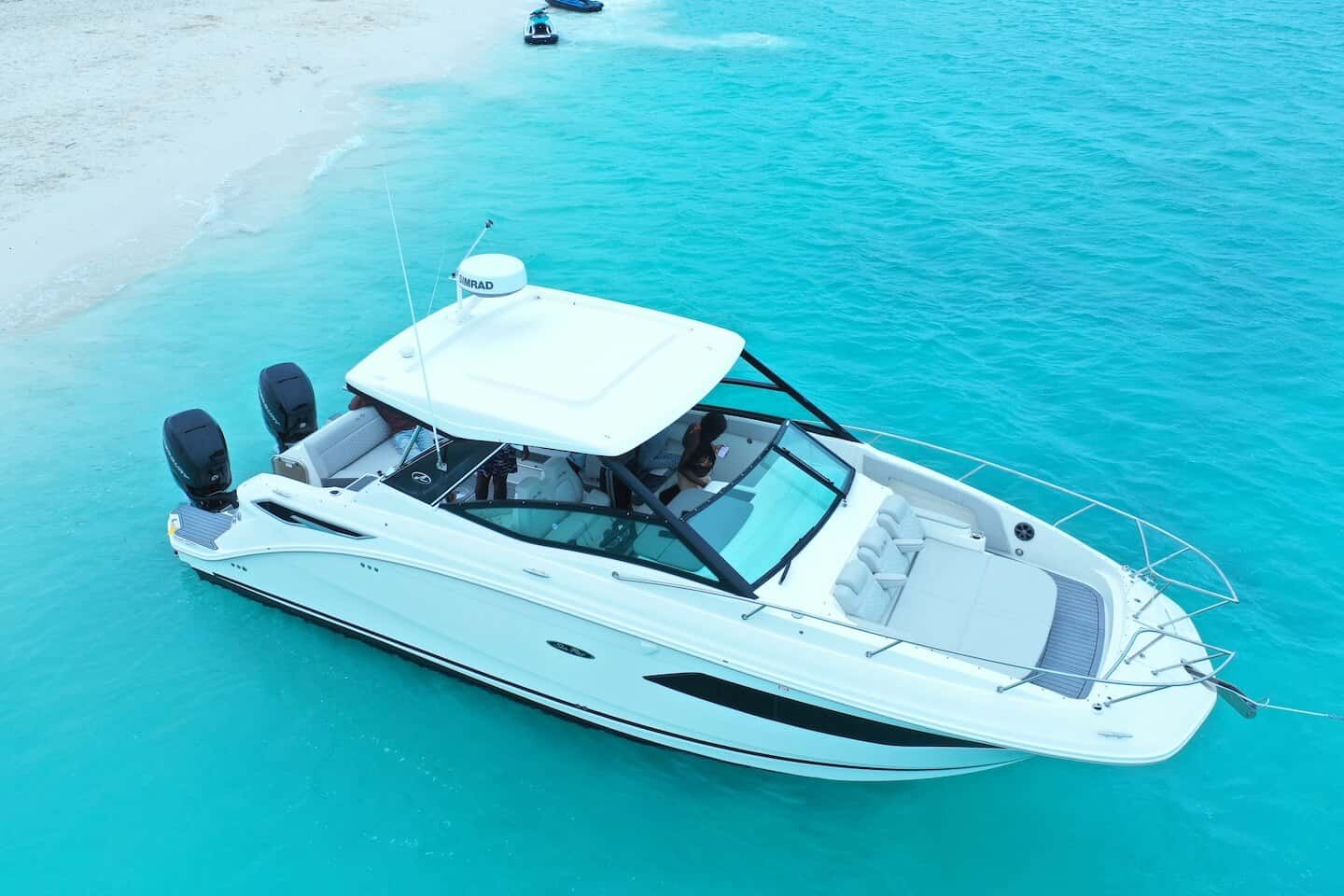
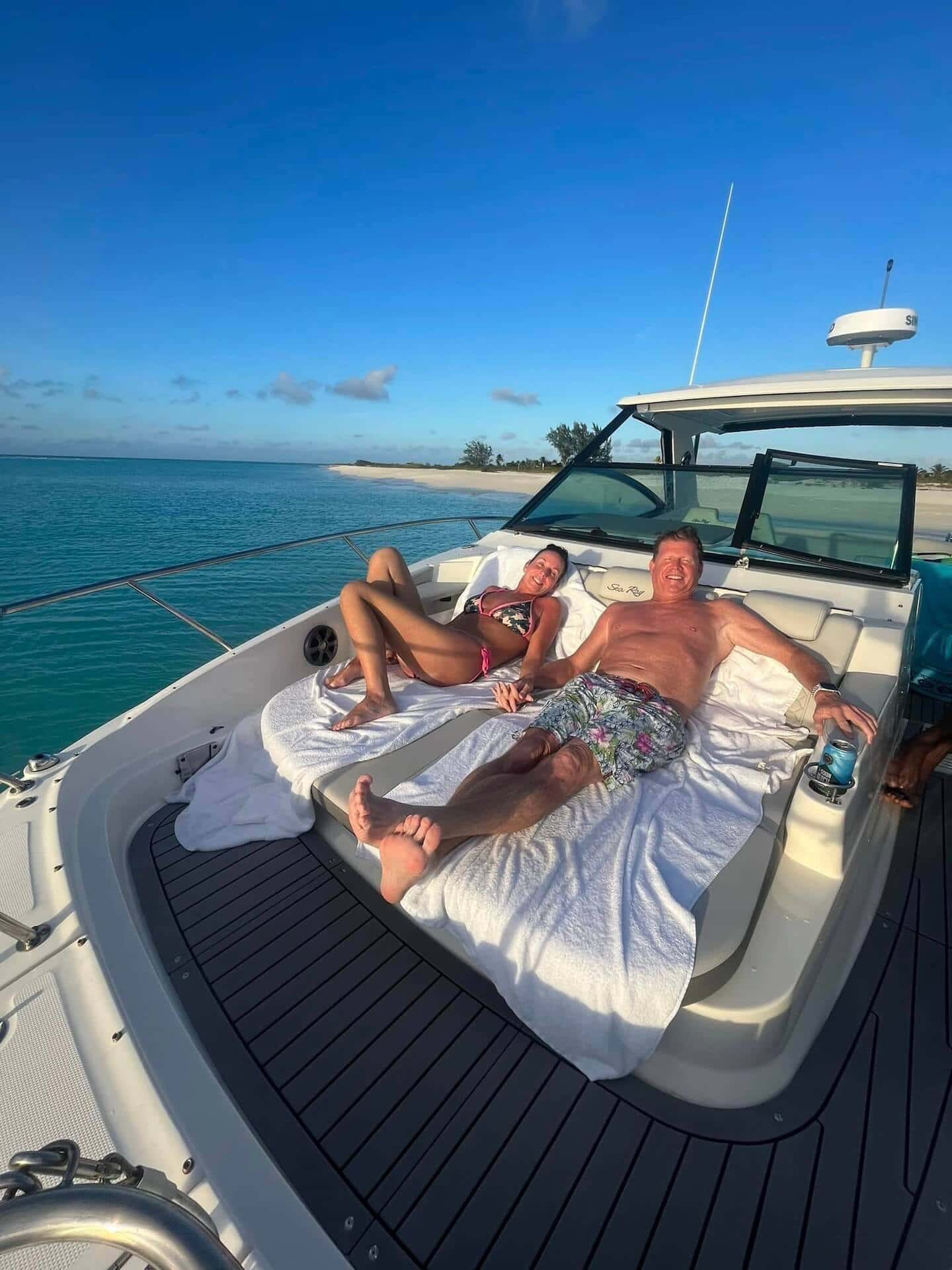
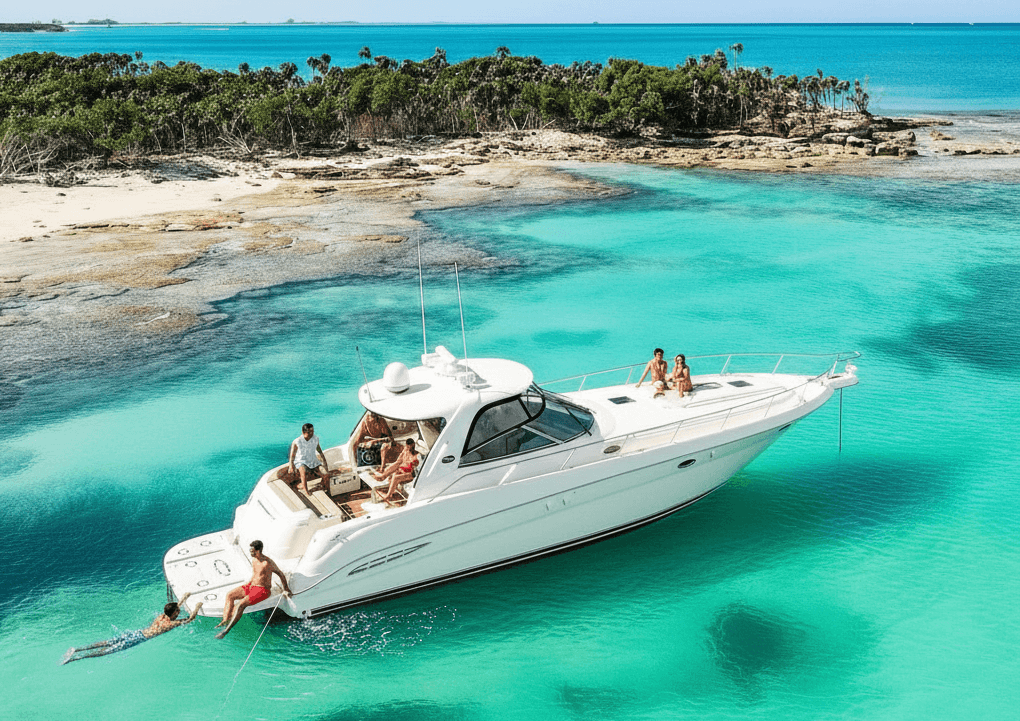

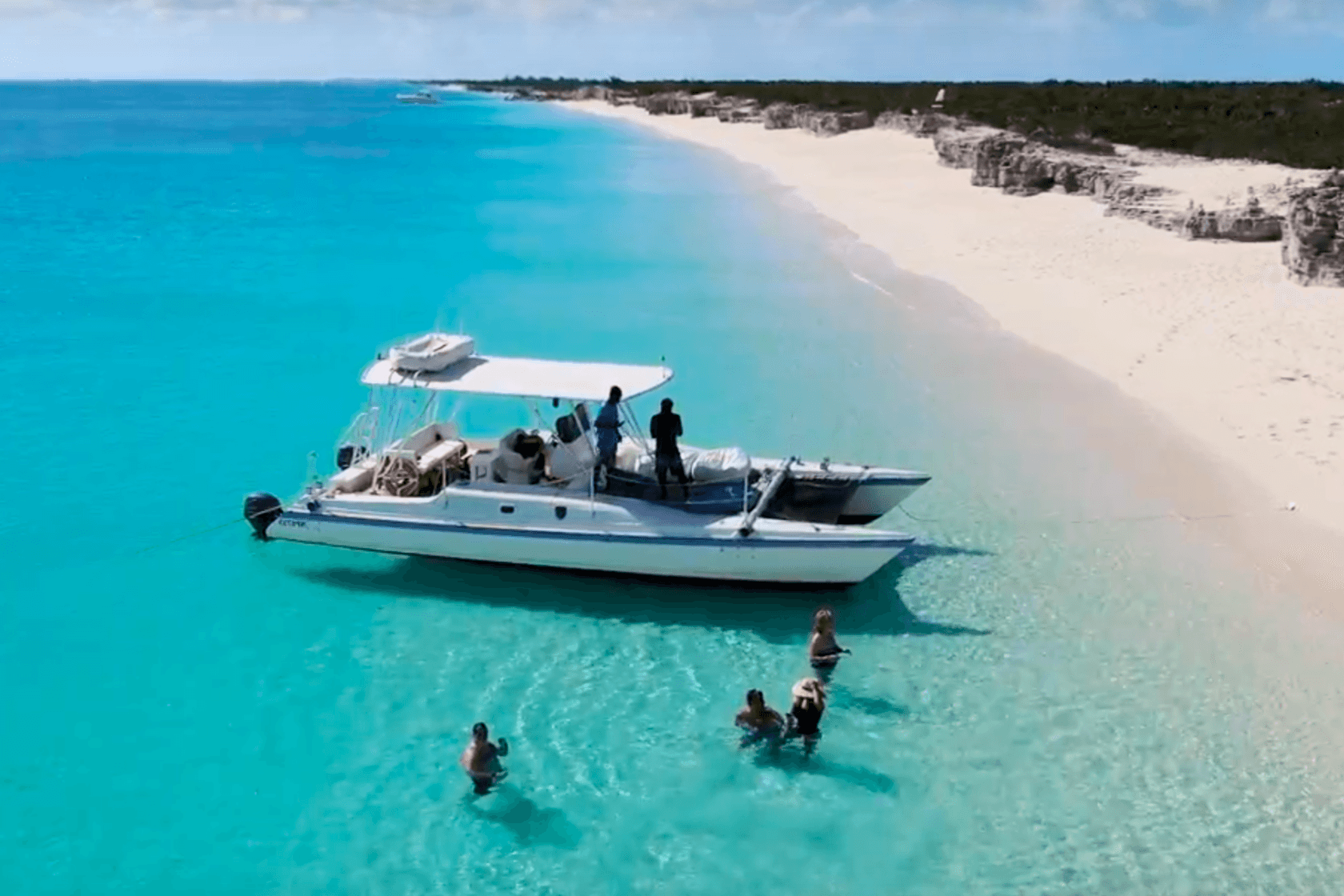
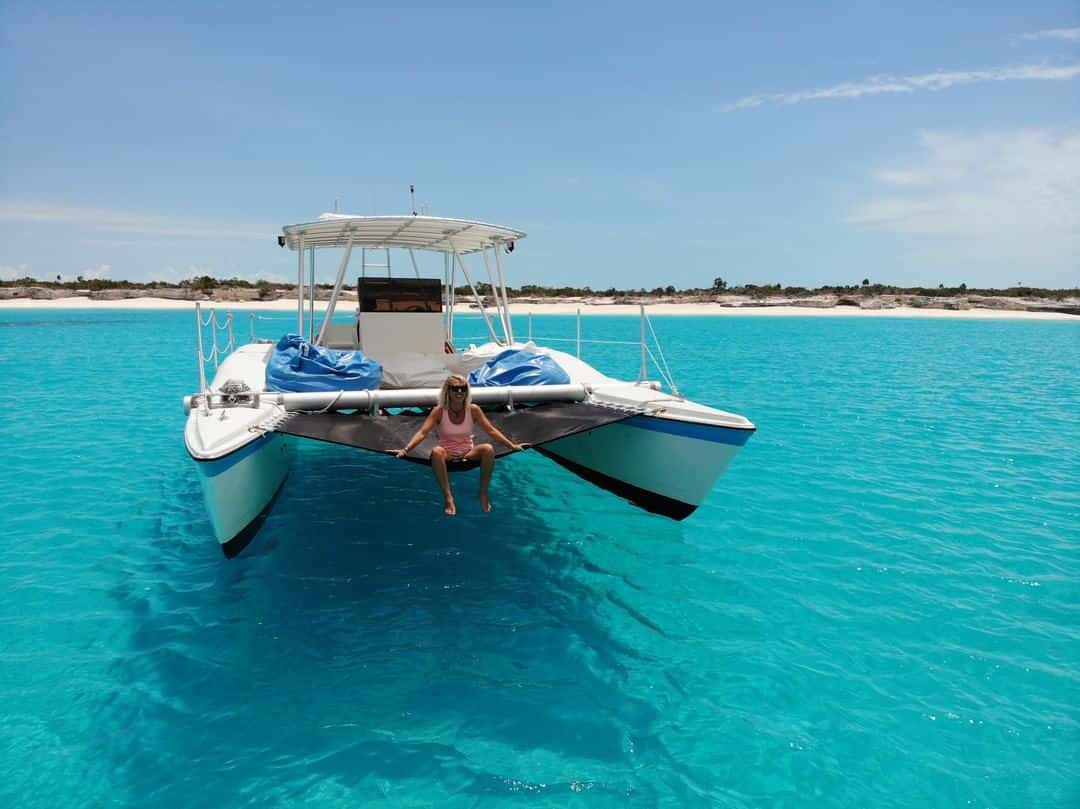
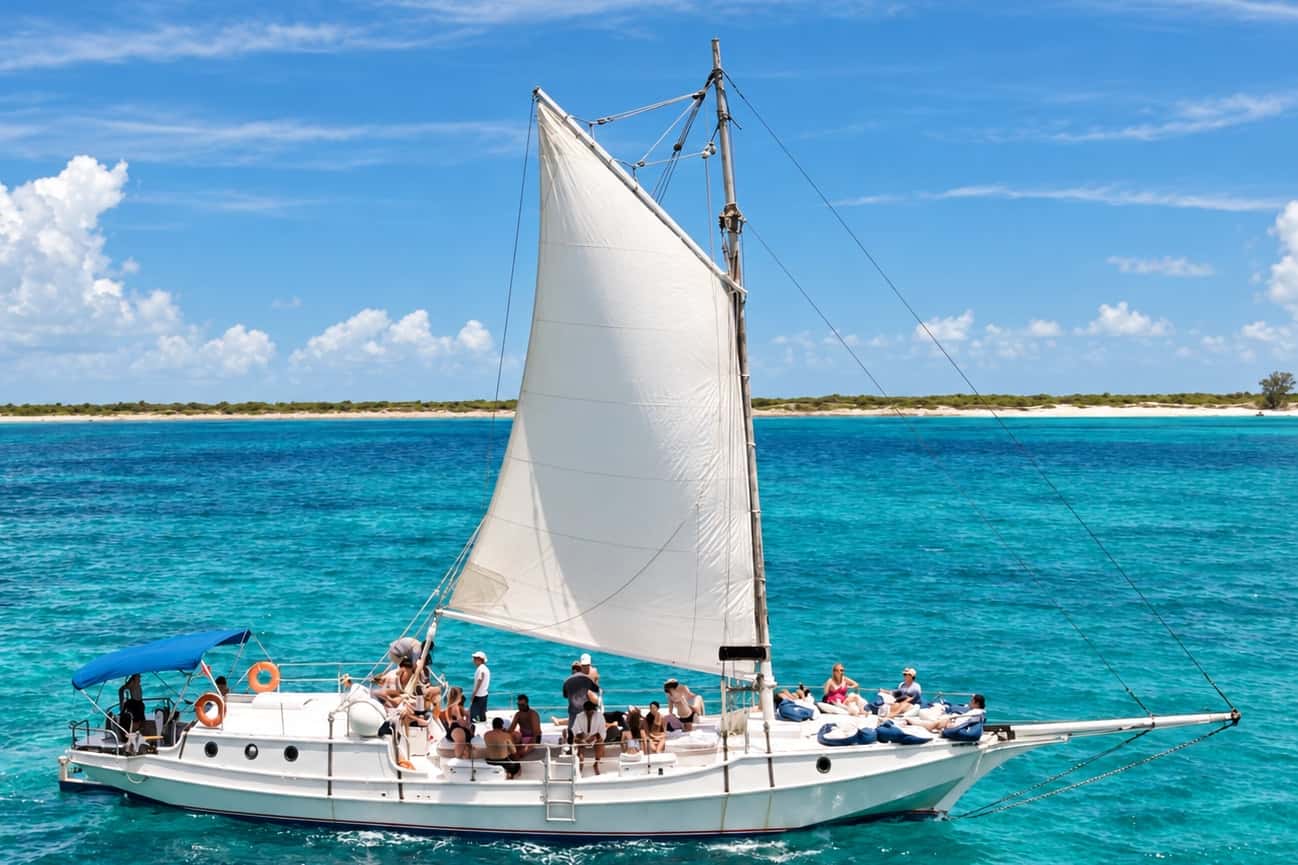
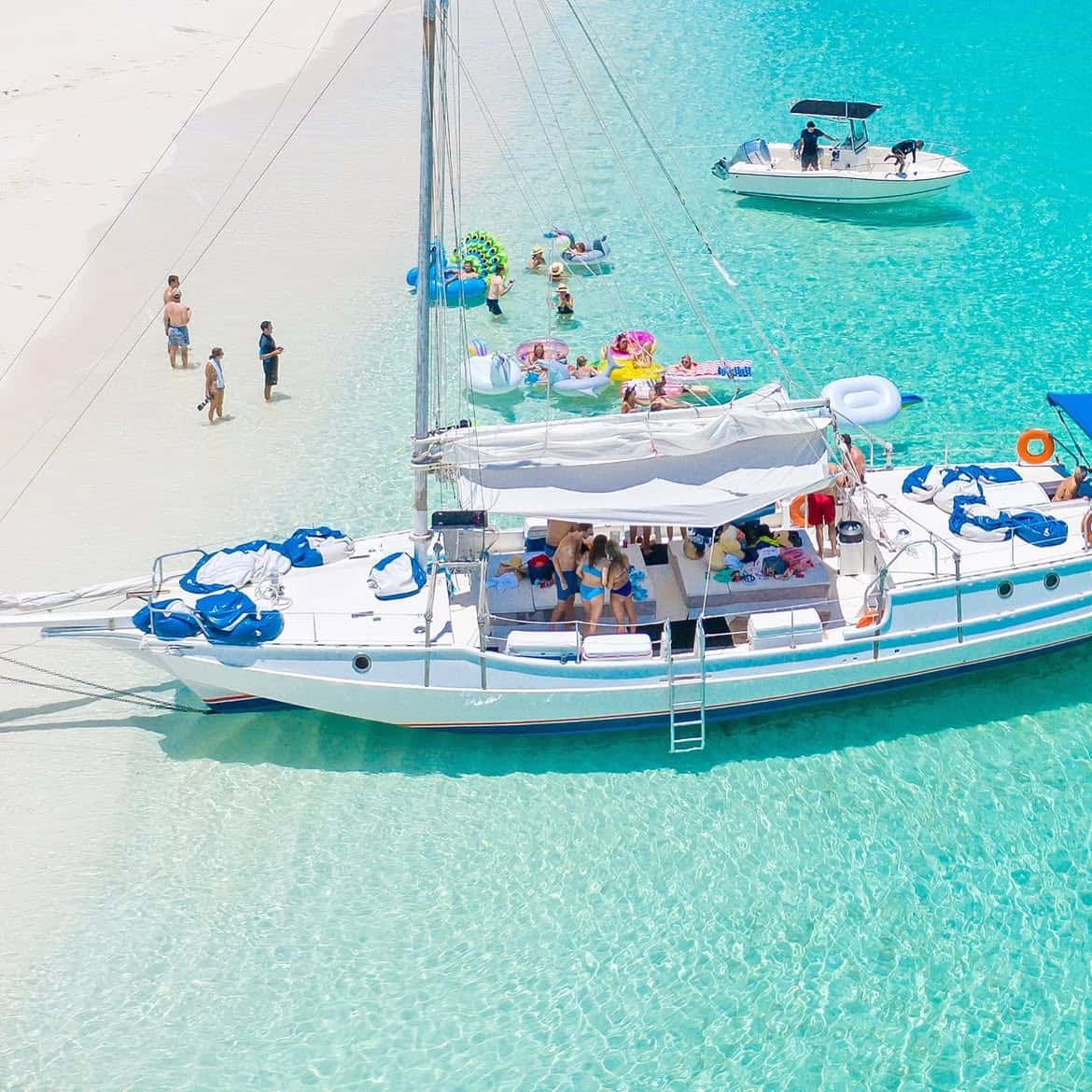
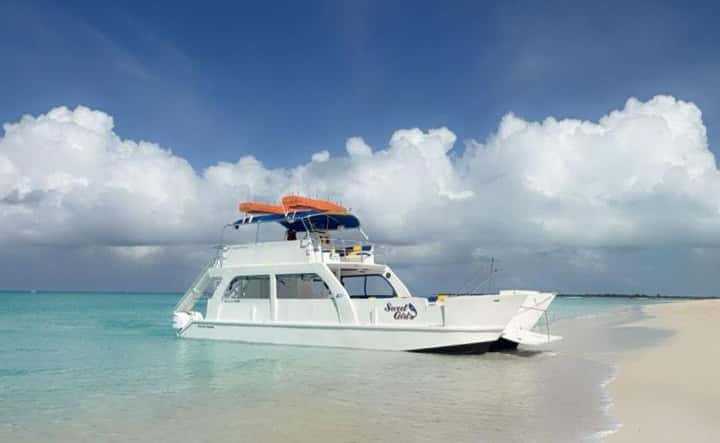
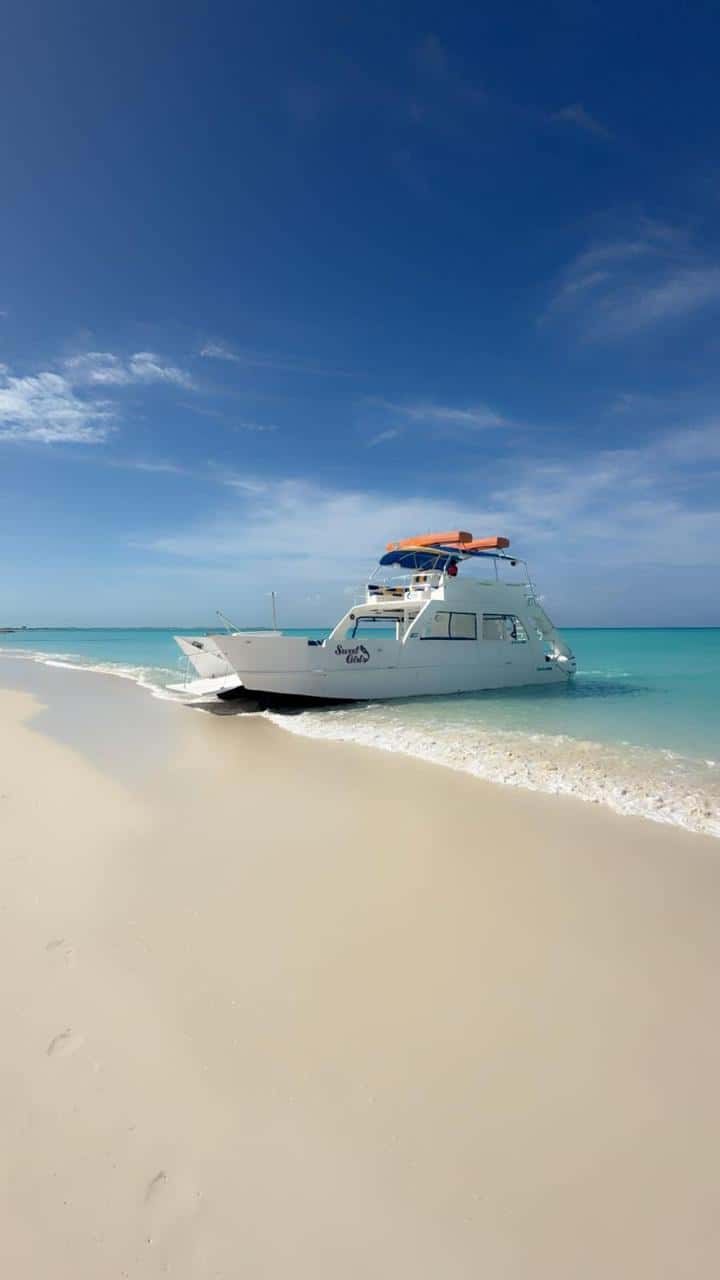
2. Water Cay
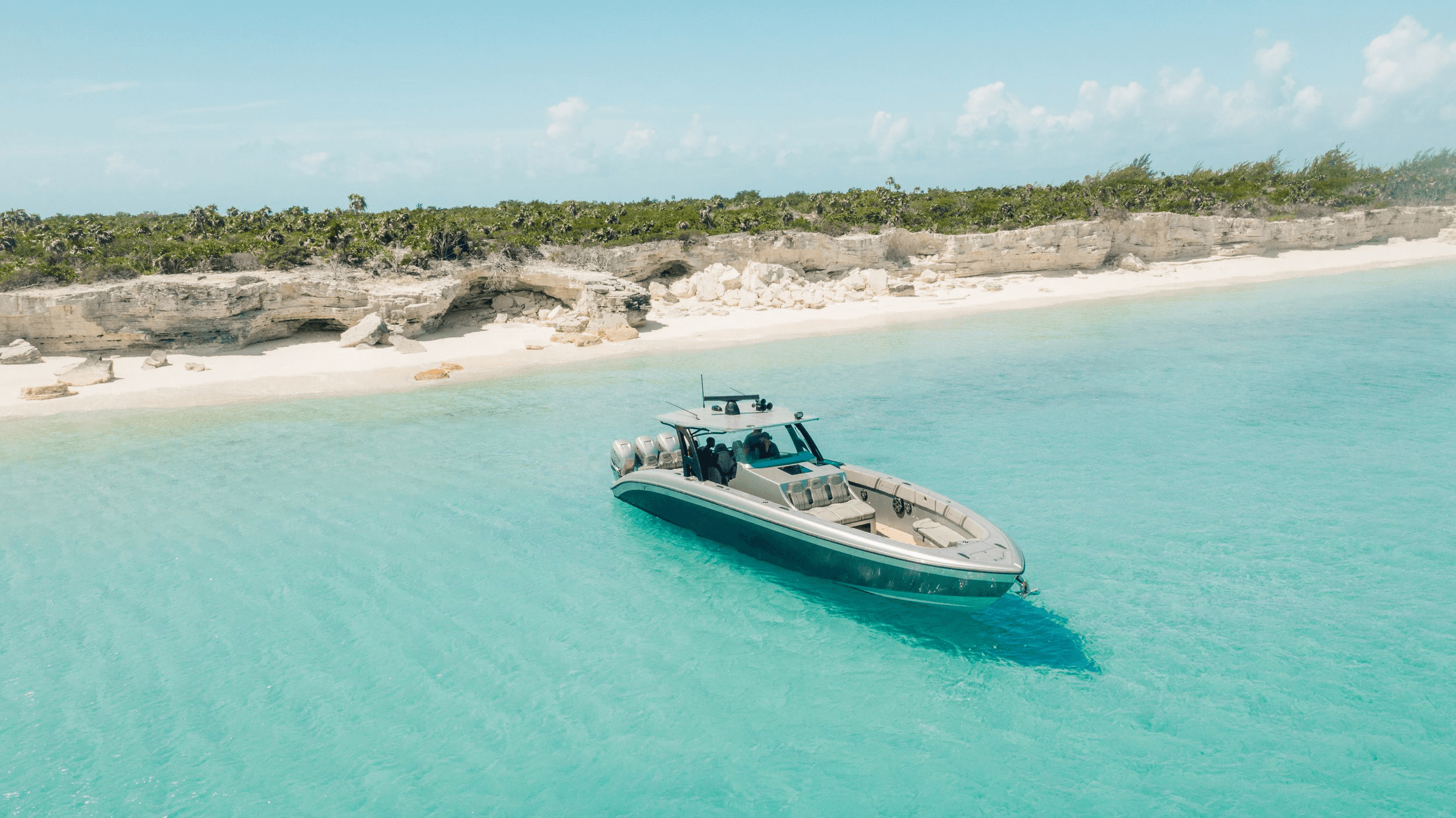
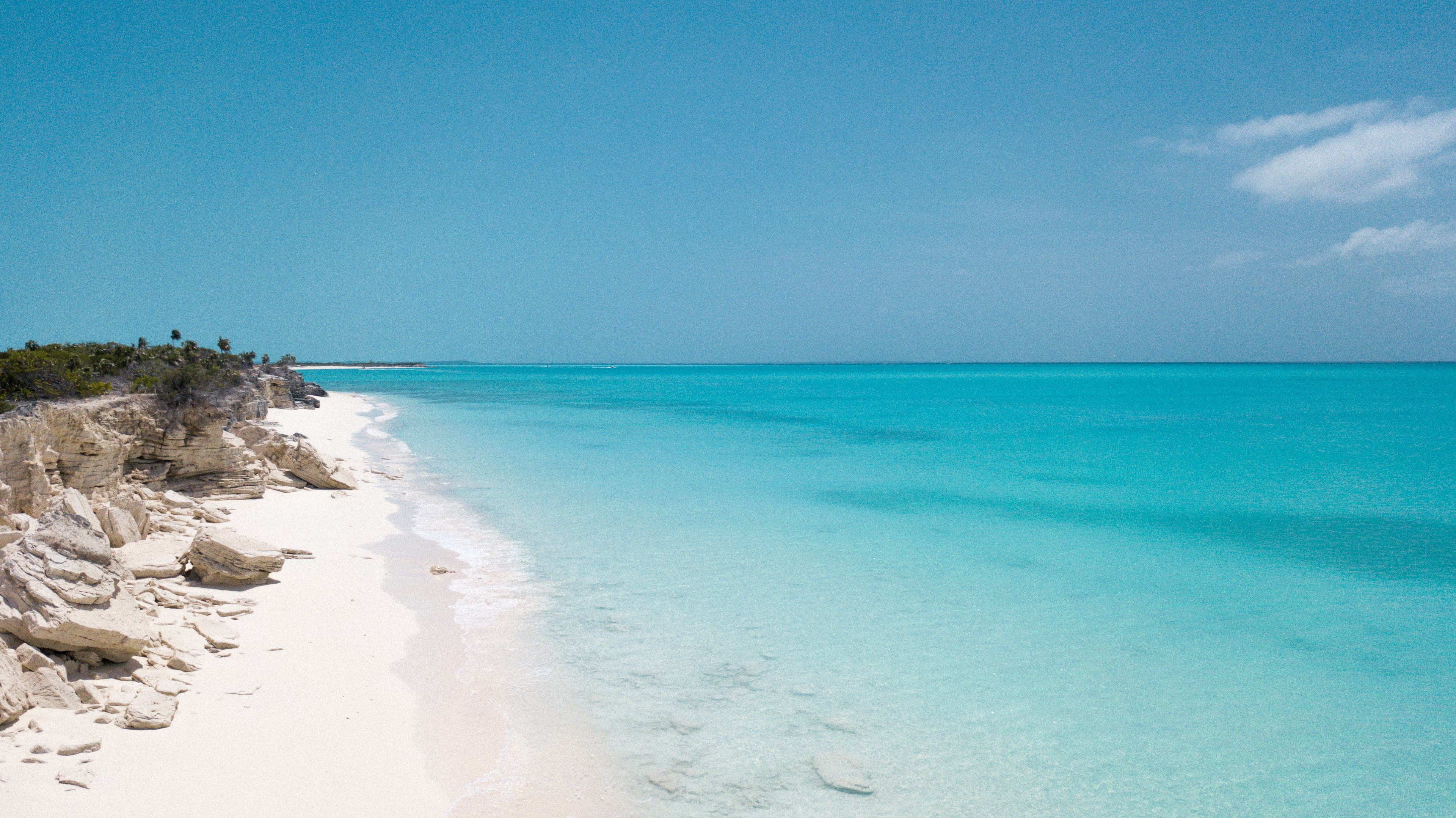
Walk east along the sand from Half Moon Bay and you’re on Water Cay, an uninhabited island about two miles long with a big, empty north-shore beach. It’s privately owned, but the beach is where boats stop and visitors land.
Low, soft limestone cliffs line parts of the shore, and they’re eroding, so stay out from under the overhangs and out of the little sea caves.
The island’s photographers bring couples here for a reason: two miles of empty beach and nobody in the background. Behind the dunes is a thatch-palm forest, and the south side is all mangrove, which is where the birds are.
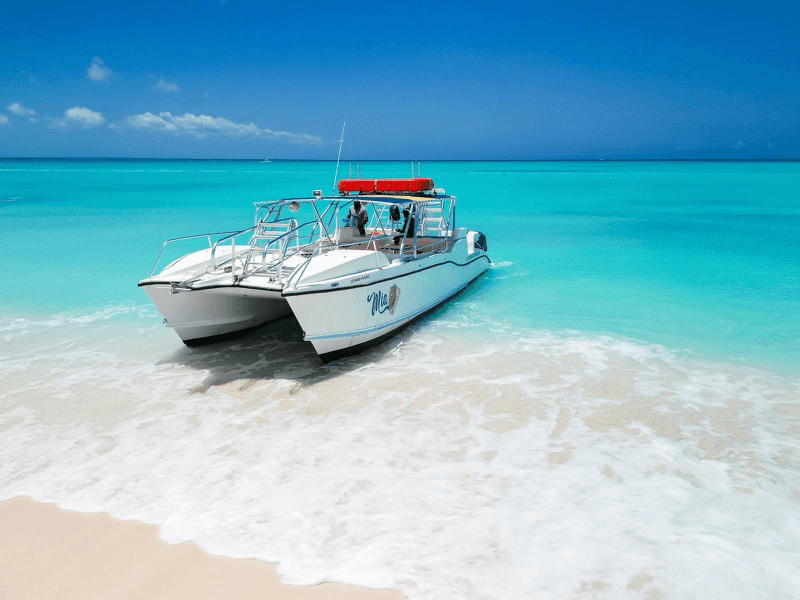
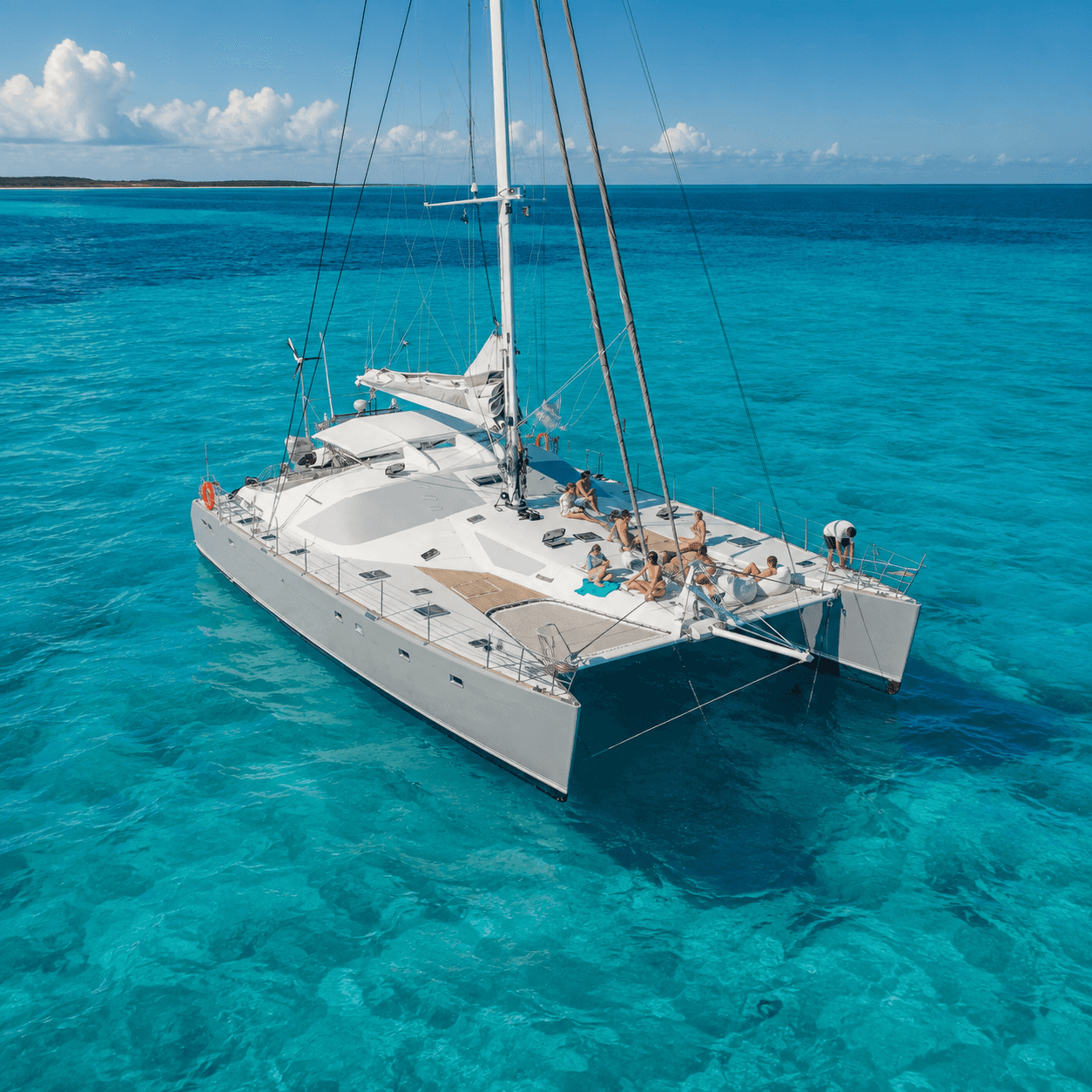
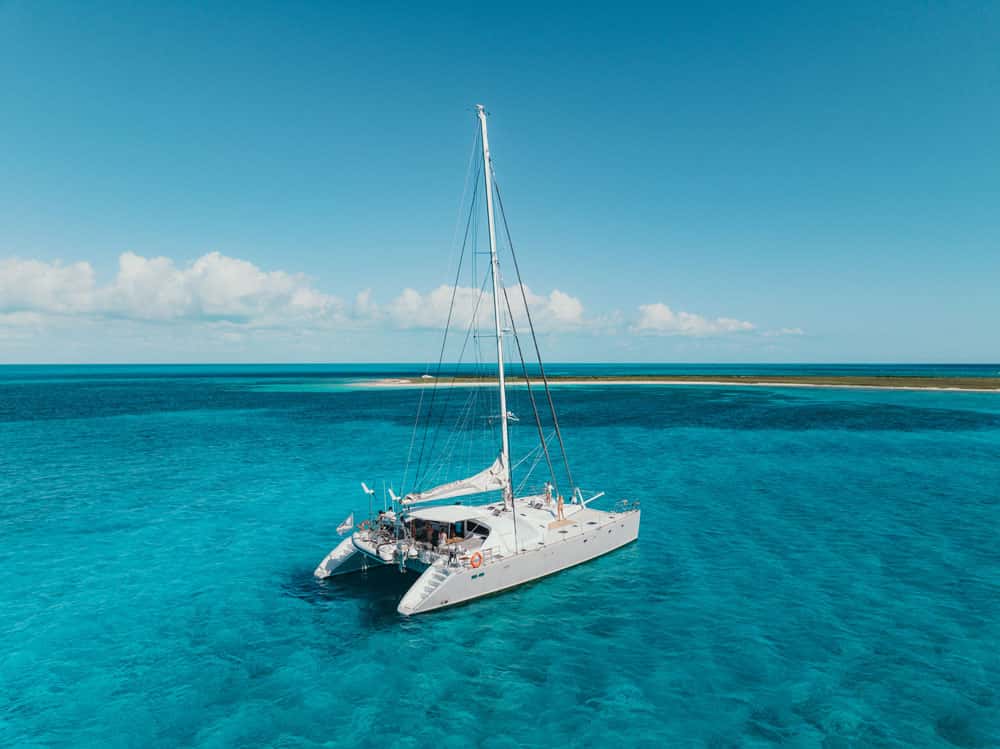
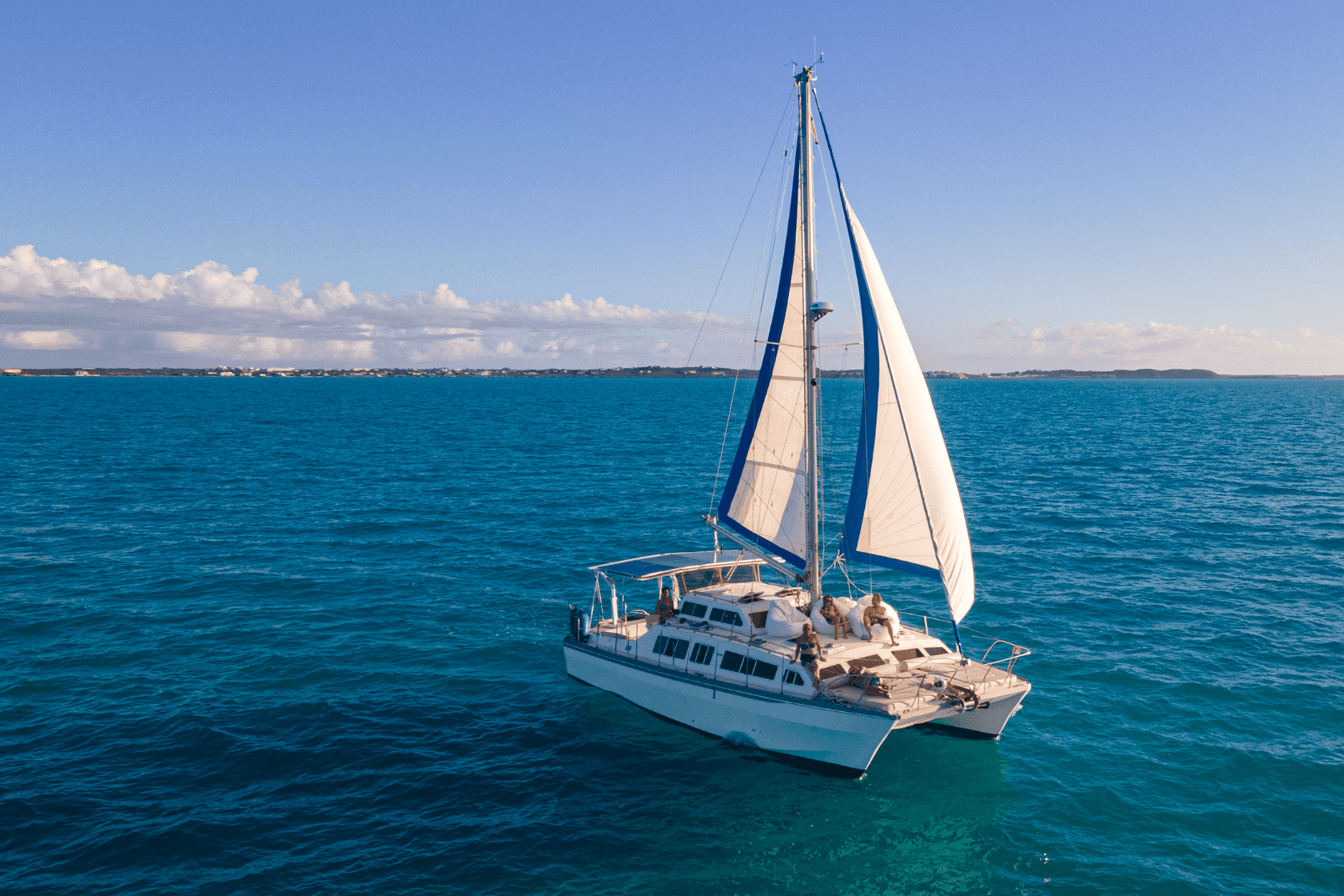
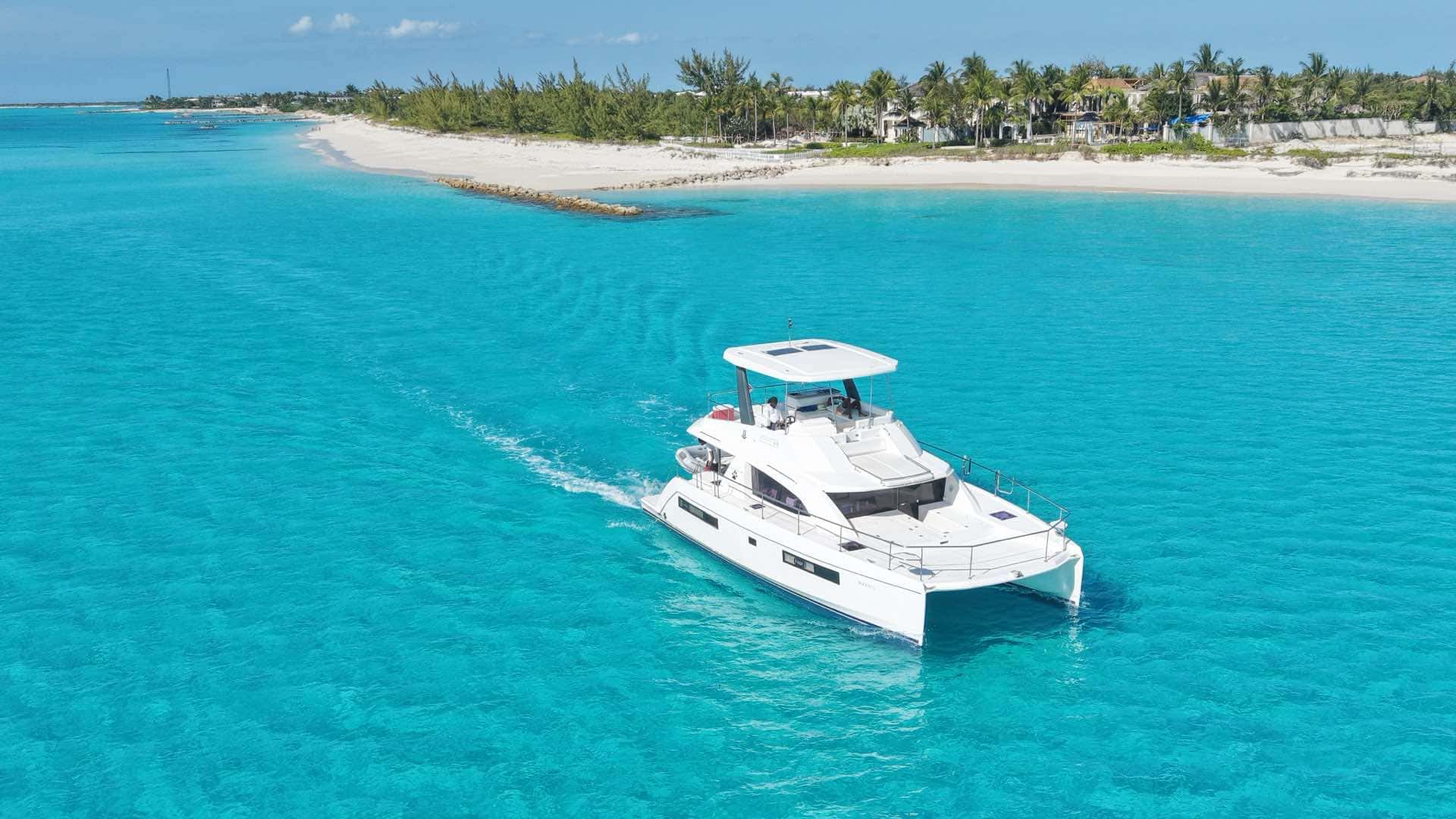
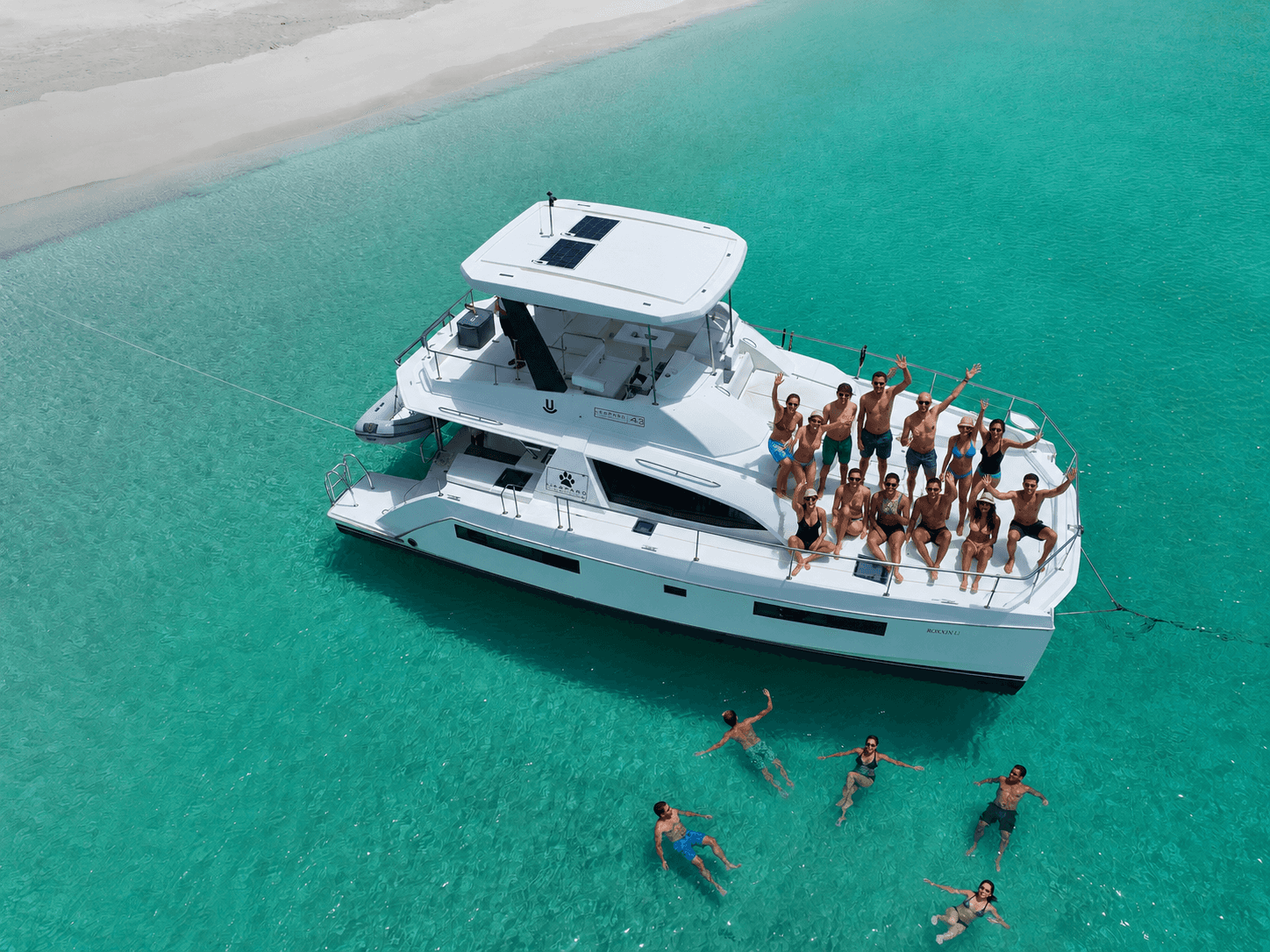
Catamarans to the cays
3. Sand Dollar Cove and Fort George Cay
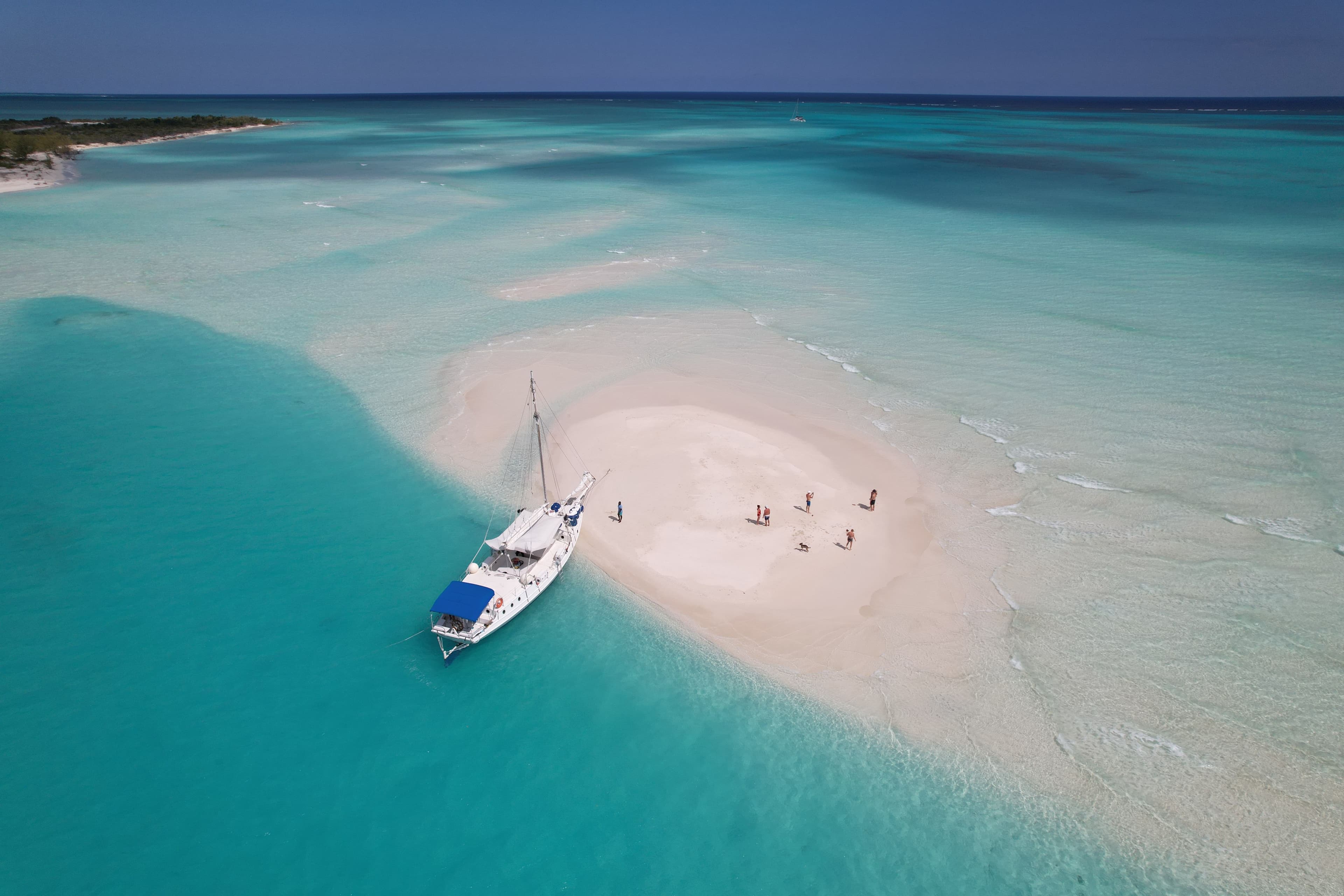
Further east, between Pine Cay and Fort George Cay, the shallows open into a maze of sandbars. Sand Dollar Cove, at the northeast end of Pine Cay, is calm and sheltered, and at lower tides a small sandbar island appears nearby. A long spit of sand runs out from Fort George Cay’s western point.
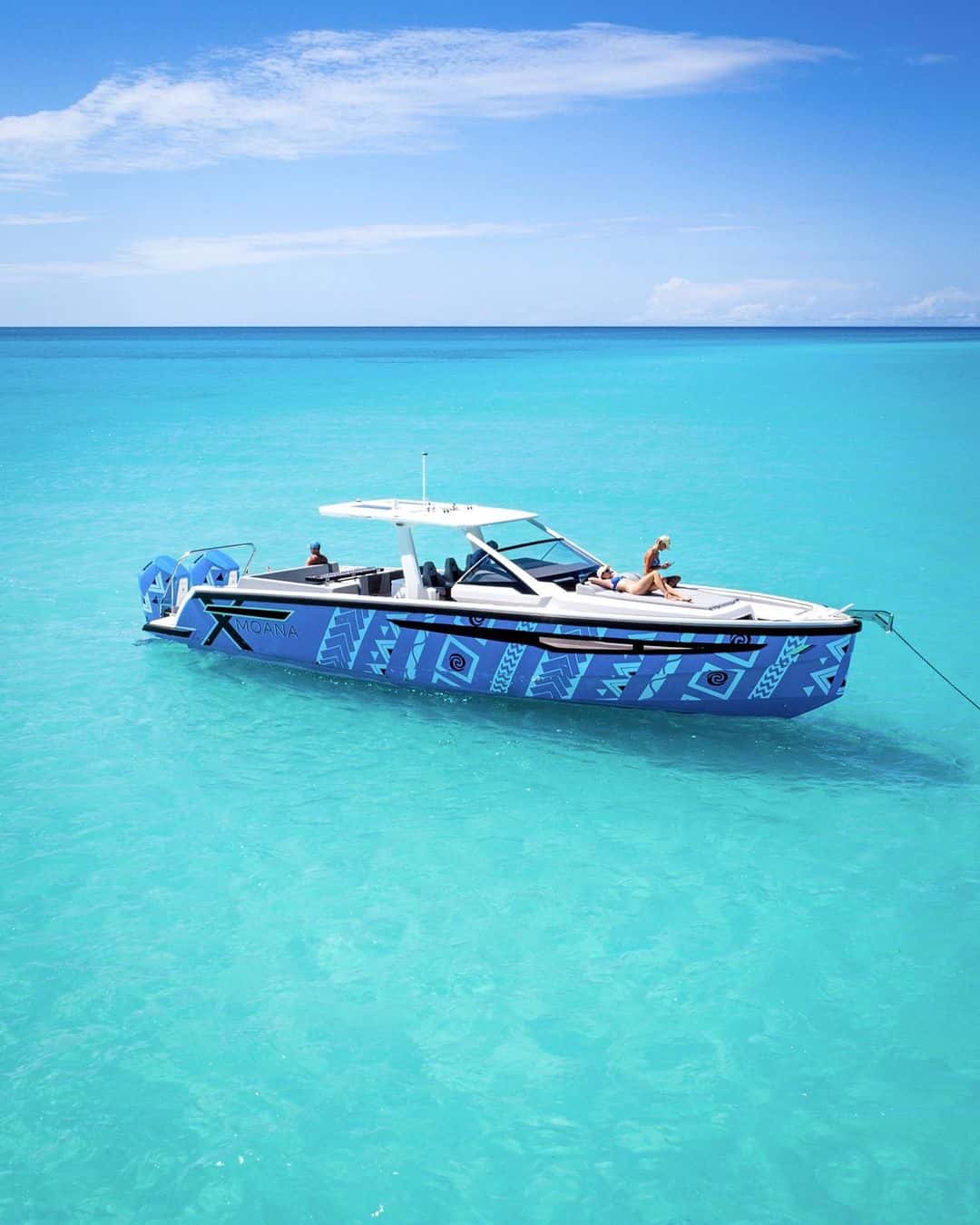
Sand Dollar Cove is also deeper than most of the cays, which is why the bigger yachts can anchor in it; the 51ft Lux Yacht gets there on its eight-hour day. The sandbars themselves are a tide-dependent thing: the strip you stood on at 10 am can be knee-deep by 2 pm, and the little island only shows at lower tides, so captains plan the order of stops around the tide. If standing on sand in the middle of the sea is the point of your day, say so when you book.
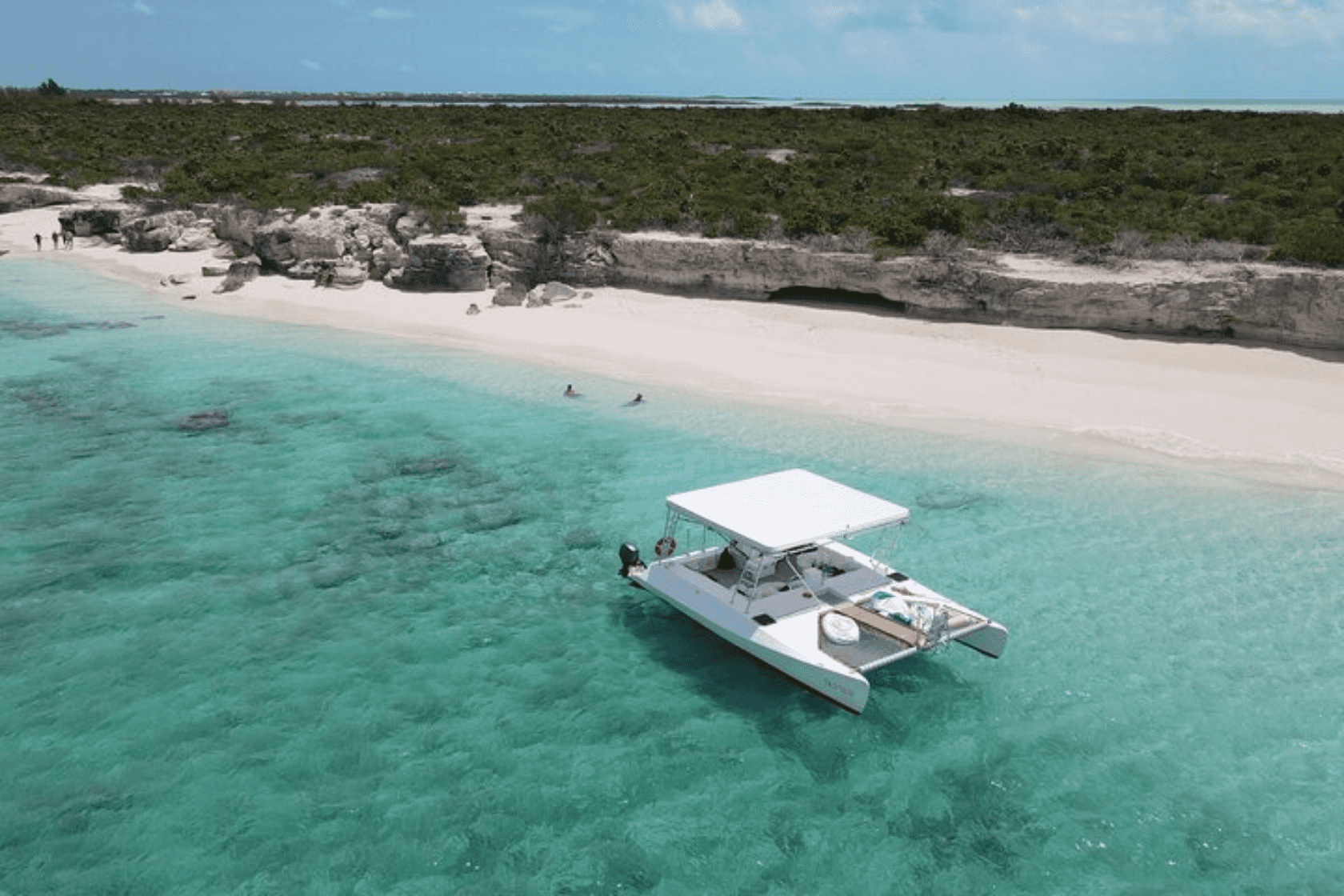
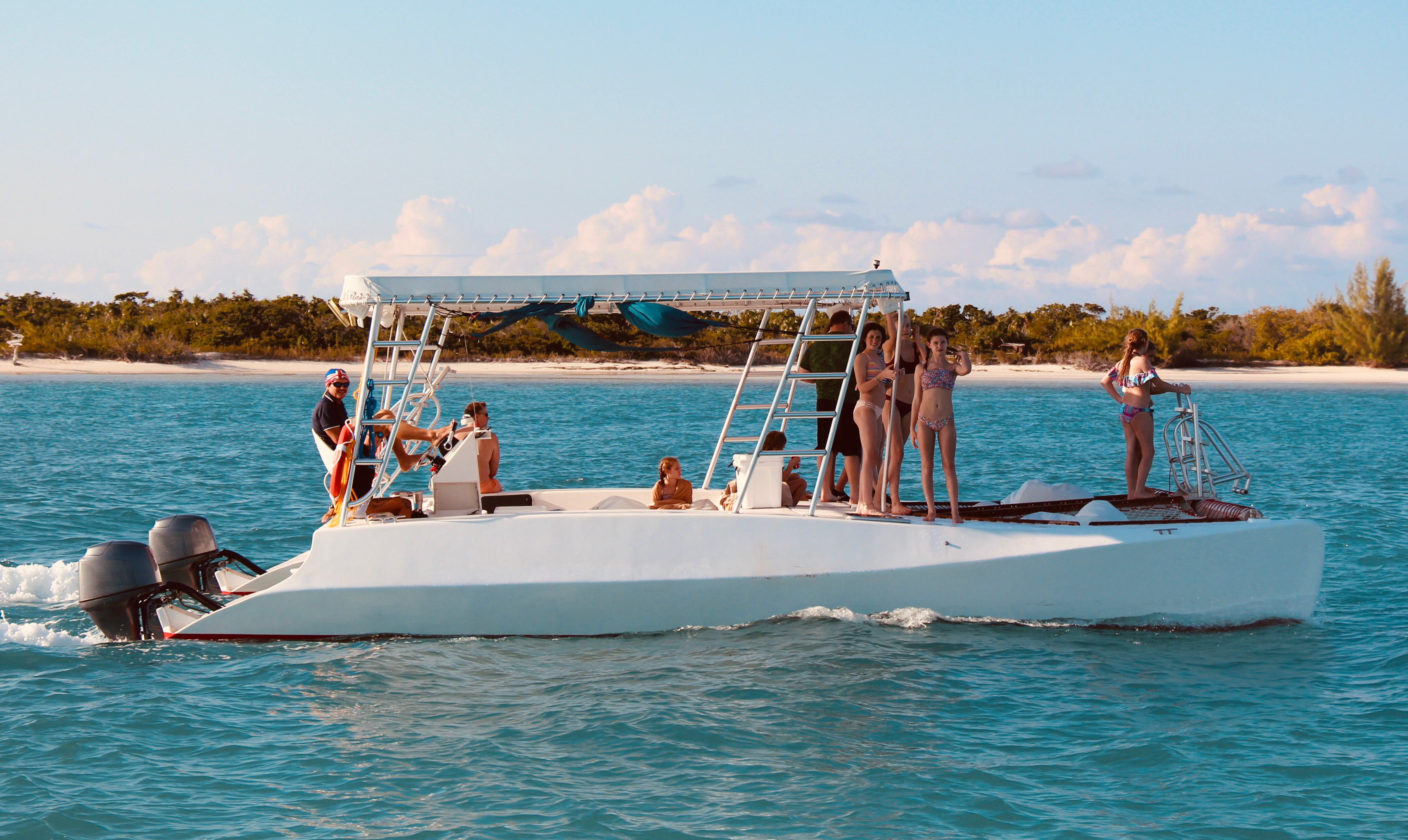
Several boats list these stops by name: the 43ft Ultra Luxury Yacht for photos at Fort George Cay or Sand Dollar Cove, and the 35ft Catamaran for sand dollars on the beach at Fort George.
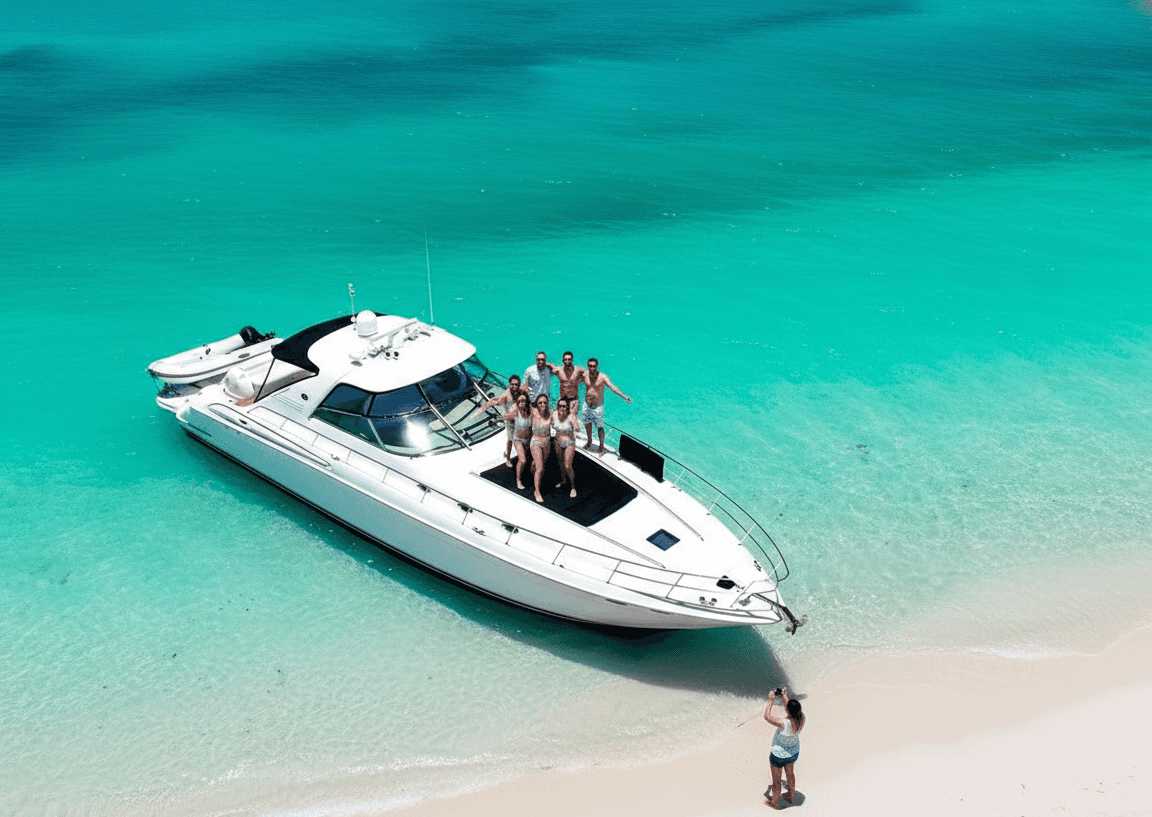
Charters to the outer sandbars
What a sandbar charter costs
All-in for the boat, about four hours.
| Boat | Duration | Guests | All-in price | Cancellation |
|---|---|---|---|---|
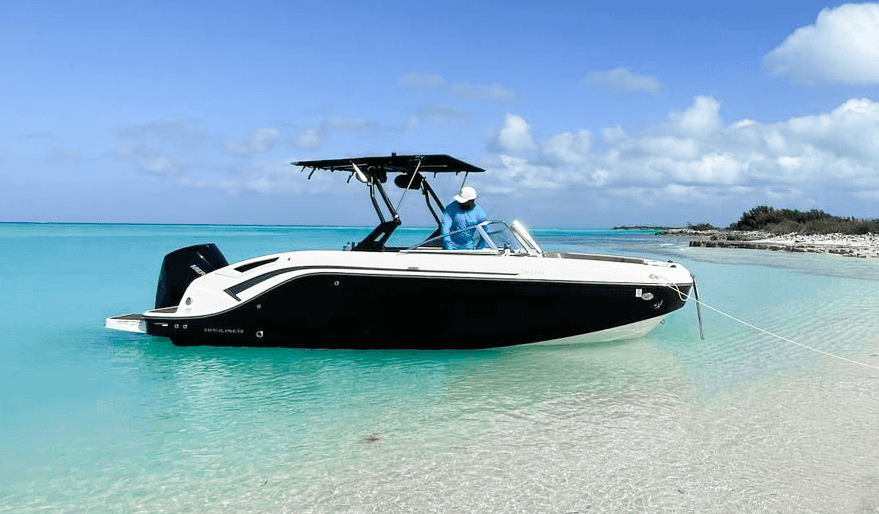
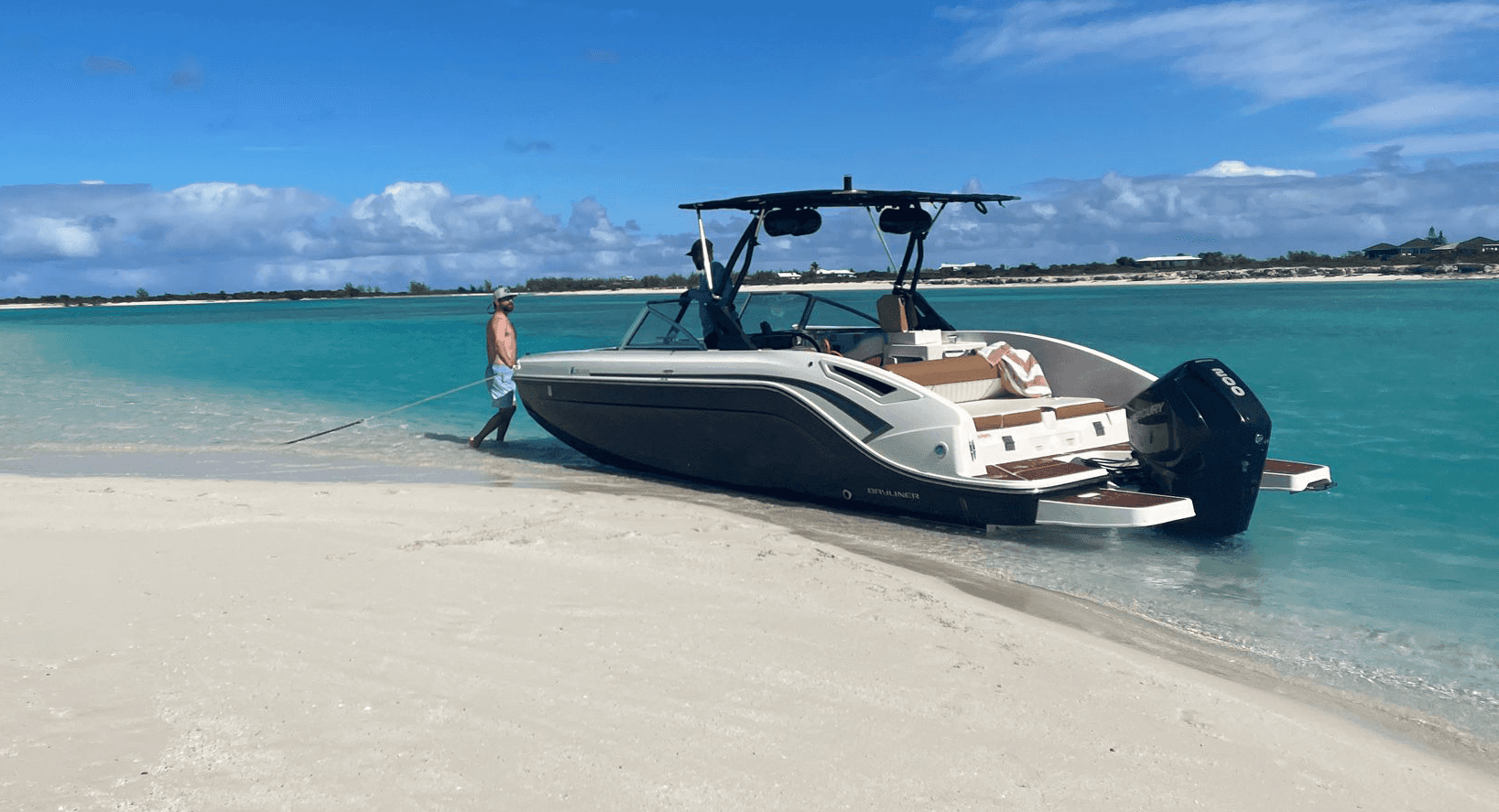
| 26ft Regal Charter | 4 Hours | up to 10 guests | $1,8276 guests included | Free cancellation up to 48 hours before |
| 22ft Sports Cruiser Charter | 4 Hours | up to 8 guests | $1,8276 guests included | Free cancellation up to 24 hours before |
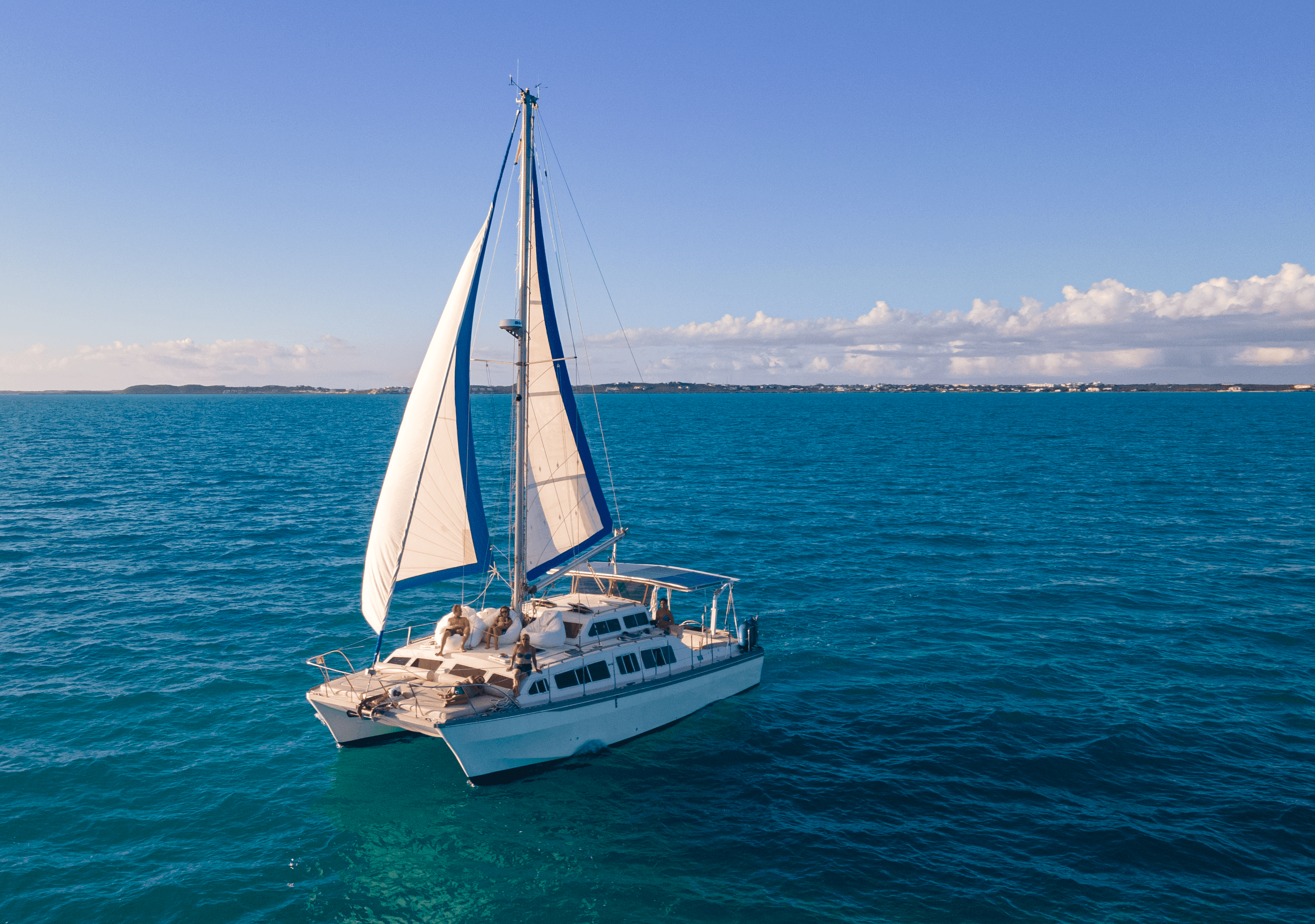
| 35ft Catamaran Charter | Half Day | up to 10 guests | $1,4842 guests included | Free cancellation up to 72 hours before |
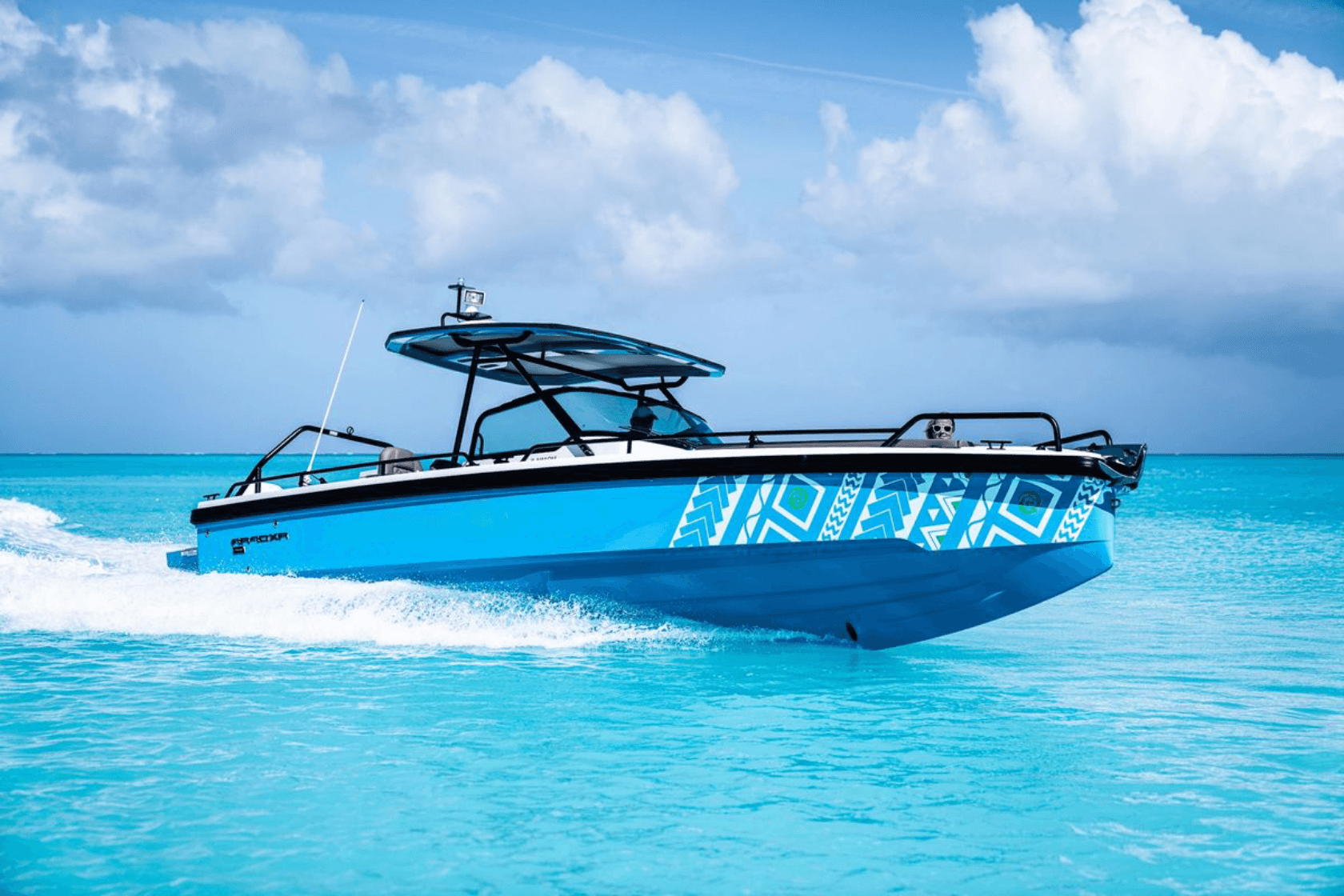
| 35ft Luxury Yacht Charter | 4 Hours | up to 12 guests | $3,0266 guests included | Free cancellation up to 24 hours before |
| 47ft Luxury Yacht Charter | 4 Hours | up to 18 guests | $4,3966 guests included | Free cancellation up to 48 hours before |
| 43ft Ultra Luxury Yacht Charter | 4 Hours | up to 16 guests | $5,0248 guests included | Free cancellation up to 72 hours before |
- 4-Hour Private Charter
- Guests
- up to 10 guests
- All-in price
- $1,8276 guests included
- Cancellation
- Free cancellation up to 48 hours before
- 4-Hour Private Charter
- Guests
- up to 8 guests
- All-in price
- $1,8276 guests included
- Cancellation
- Free cancellation up to 24 hours before
- Half-Day Private Charter
- Guests
- up to 10 guests
- All-in price
- $1,4842 guests included
- Cancellation
- Free cancellation up to 72 hours before
- 4-Hour Private Charter
- Guests
- up to 12 guests
- All-in price
- $3,0266 guests included
- Cancellation
- Free cancellation up to 24 hours before
- 4-Hour Private Charter
- Guests
- up to 18 guests
- All-in price
- $4,3966 guests included
- Cancellation
- Free cancellation up to 48 hours before
- 4-Hour Private Charter
- Guests
- up to 16 guests
- All-in price
- $5,0248 guests included
- Cancellation
- Free cancellation up to 72 hours before
All-in prices include taxes and fees, in the listing's currency, as of Nov 3, 2026.
Planning your sandbar day
- Pair it up. Half Moon Bay is next door to Iguana Island, so many boats do both in one morning. See Iguana Island.
- Pack for no shade: a hat, a rash guard or cover-up, and sunscreen the park asks to be zinc oxide or titanium dioxide (one yacht we book bans aerosol sunscreen outright). Water shoes help on the limestone and the shelly stretches, and a dry bag keeps the phone alive for the photo everyone comes for.
- Leave it as you found it. In the national park, taking shells, sand or sea life is against the law.
- Make it lunch. Several full-day charters serve lunch on the beach; see charters with lunch.
For a sandbar morning, the simplest good answer is the 26ft: four hours for $1,827 all-in for up to six, plus $80 for each extra adult up to ten, with a free shuttle from central Grace Bay and Long Bay resorts, a bathroom on board, snorkel gear, a light snack and fresh fruit, and water, sodas and local beer. Half Moon Bay, Iguana Island next door and a reef all fit in the morning. For more room and an air-conditioned cabin, the 35ft Luxury Yacht runs four hours for $3,026 all-in for six. Every charter on TCI Experiences is handpicked and verified for safety, service and upkeep, and most leave from Leeward, 5 to 15 minutes from Grace Bay. The price includes taxes, a deposit secures the boat, cancellation is free up to 48 hours before on the Regal and 24 hours on the 35ft, and a request is confirmed within a few hours, nearly always the same day.