In this article
The national parks at a glance
- Where: Princess Alexandra National Park runs along the north coast of Providenciales, Grace Bay included, out to Leeward. Iguana Island and Fort George Cay are protected too.
- How to get there: by private charter, guided jet ski tour, group snorkel or Snuba trip, or clear kayak tour.
- Cost: a small trail fee at Iguana Island goes to the National Trust that looks after it.
- The golden rule: take only photos. Shells, coral and wildlife stay where they are.
- Best for: snorkelers, families and wildlife lovers.
Snorkel Grace Bay’s protected reef
Best for: snorkelers of every level
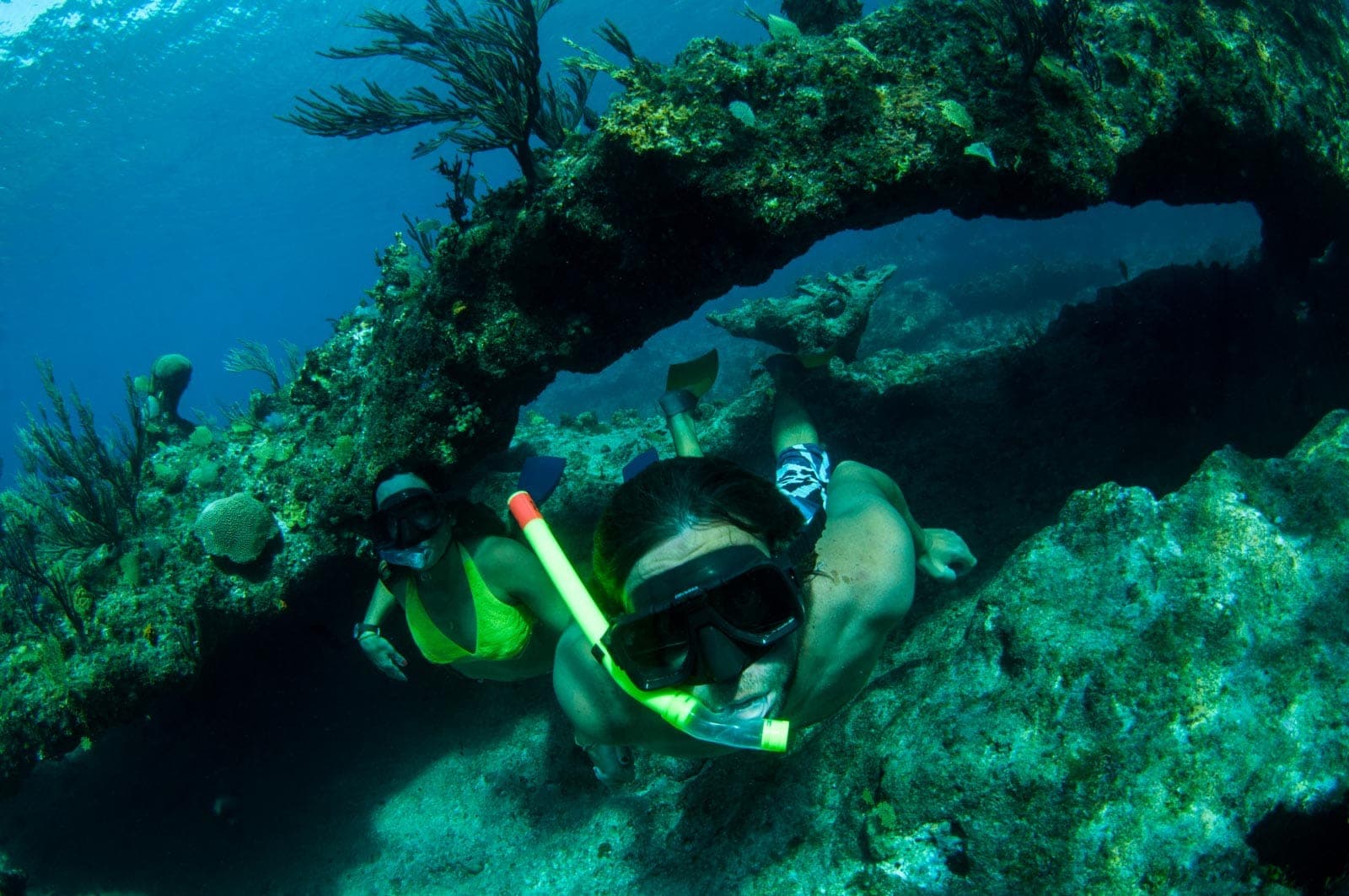
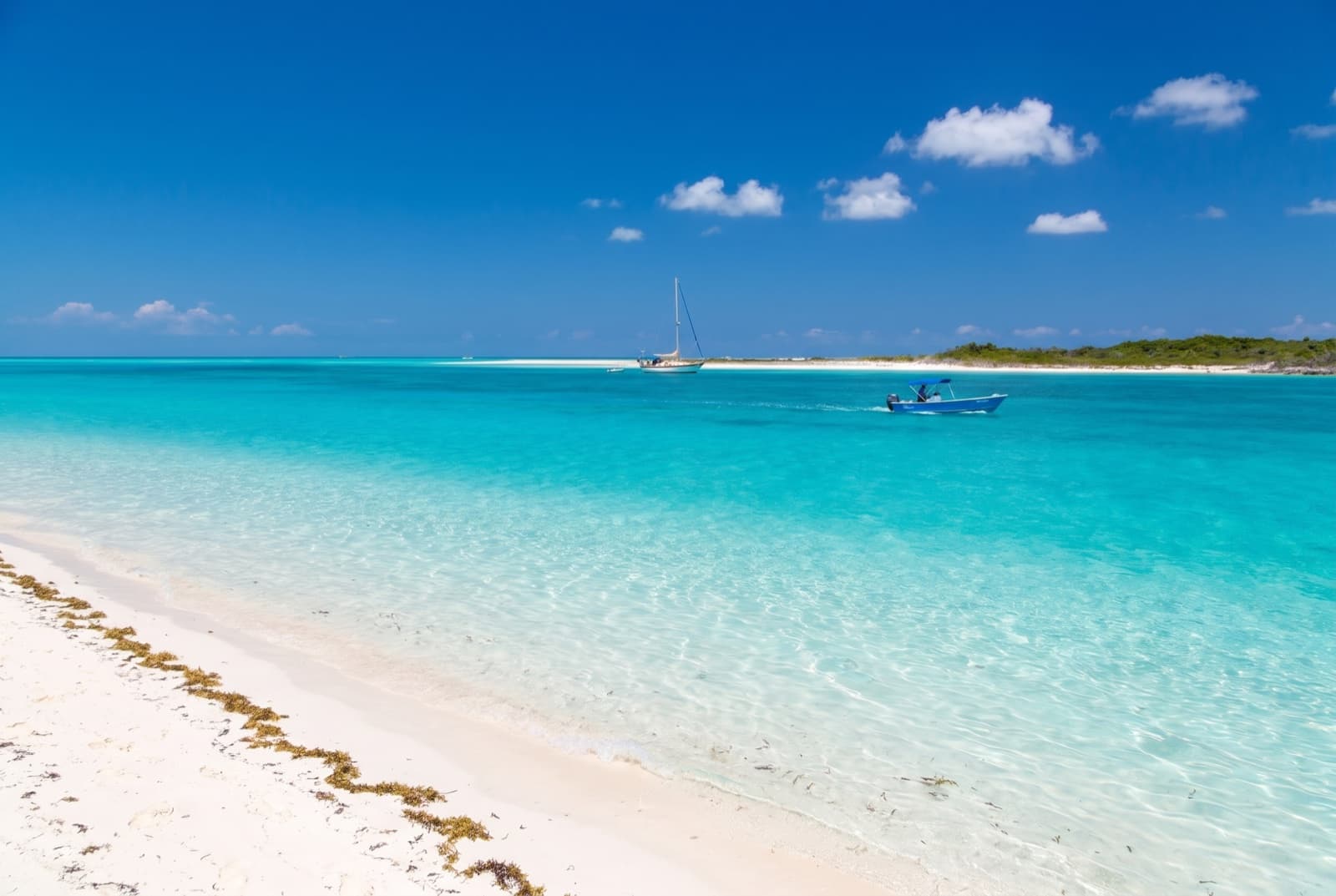
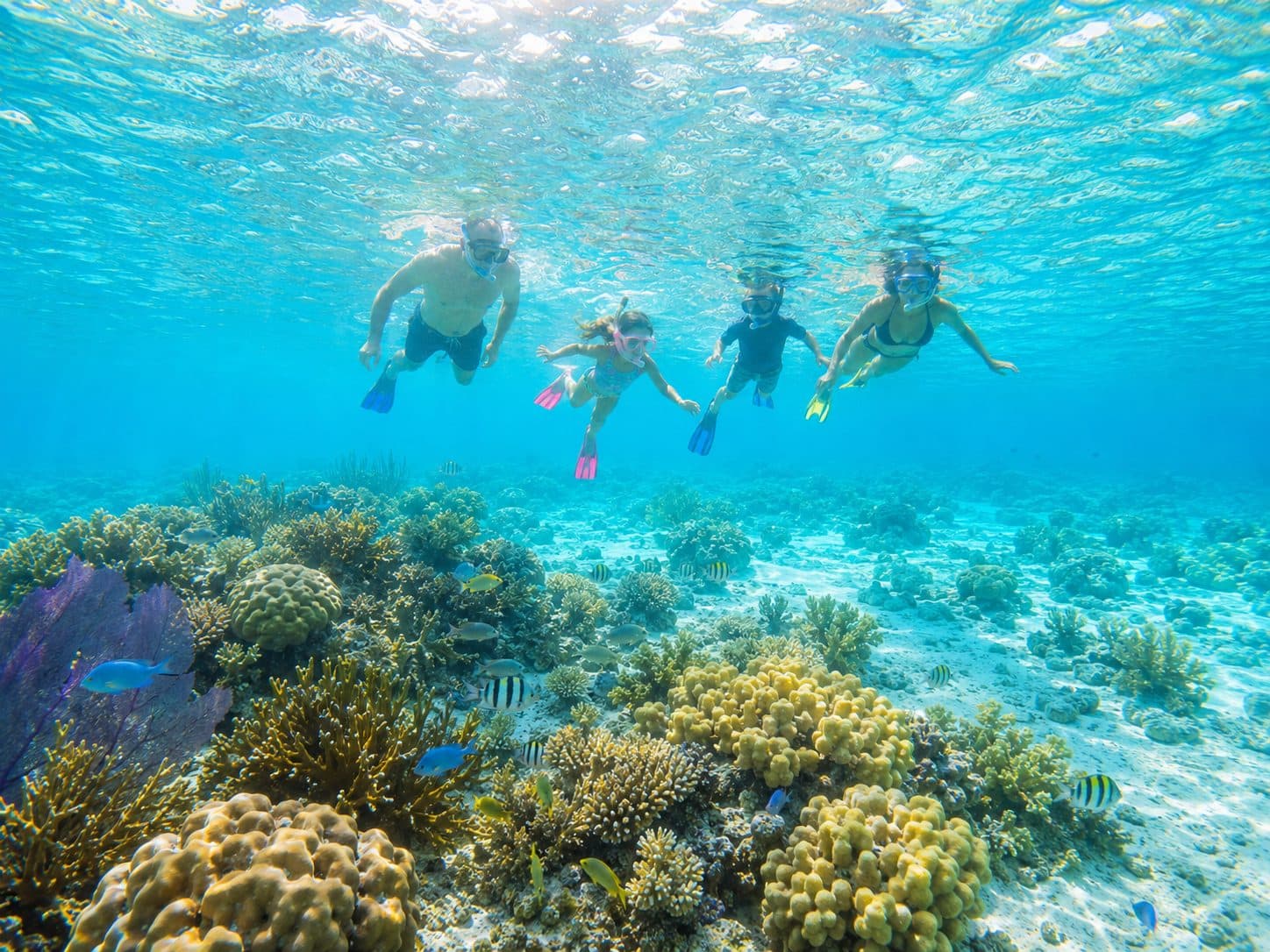
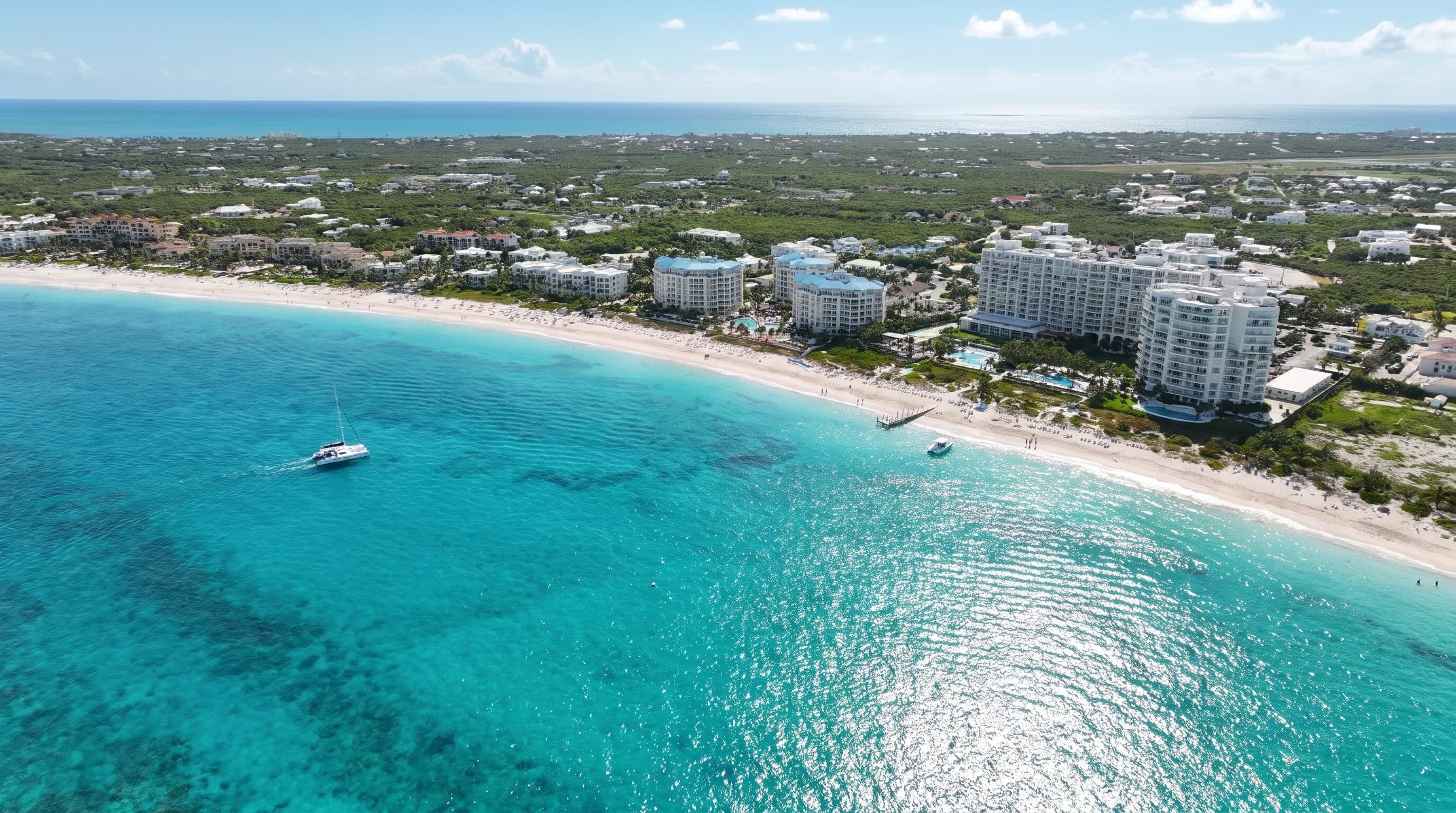
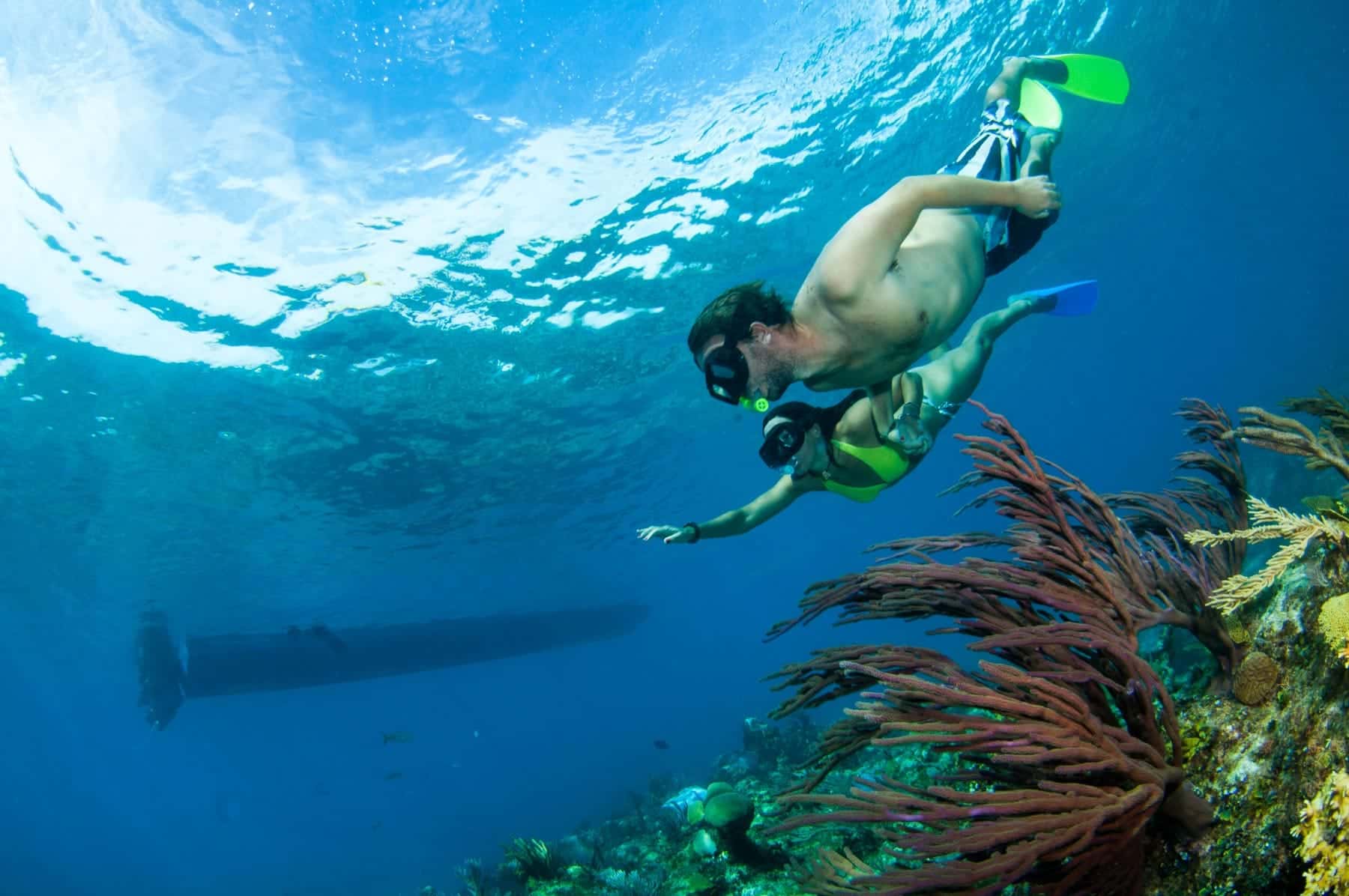
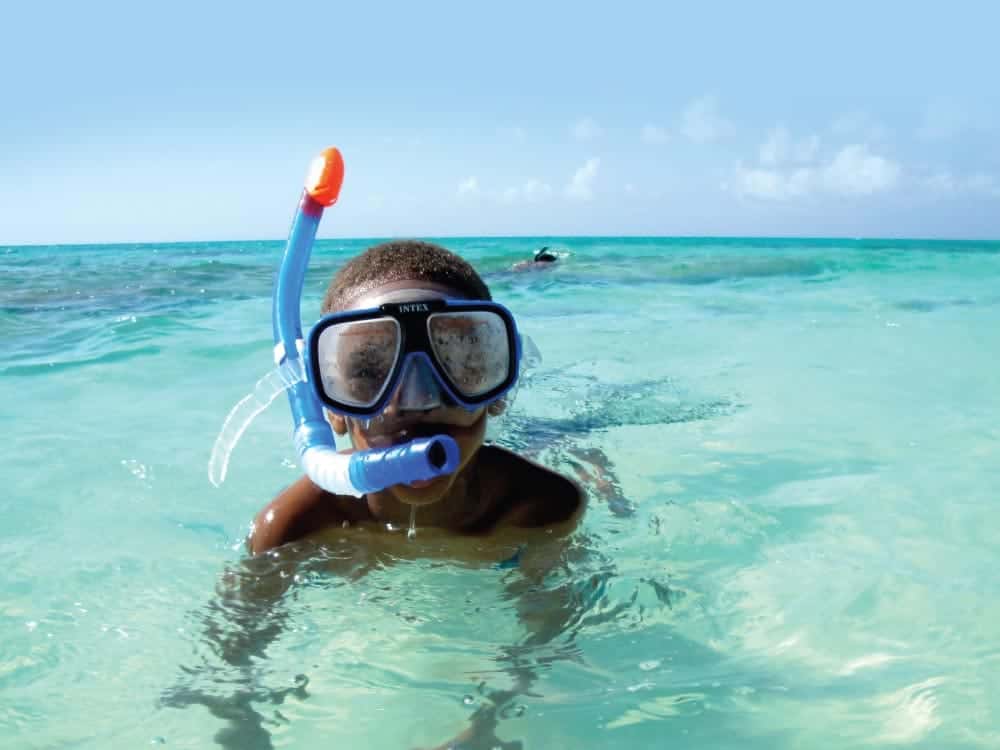
Princess Alexandra National Park, declared in 1992, runs along the north coast from around Turtle Cove to the Leeward channel, taking in Grace Bay’s beach and the reef offshore. Fishing of any kind is off the table there, and it’s one reason the water still looks like the postcards. Swimmers off the beach stay inside the lines of white buoys, which keep them clear of the marked boat lanes.
How do you snorkel without harming the reef?
Float flat with your fins up, and don’t stand on or touch the coral: it’s a living animal, and a footstep breaks it. Try not to kick up the sand, which settles on the coral, and look rather than handle anything, even a shell that seems empty. Our reef-safe sunscreen guide covers the last piece.
Book a snorkeling trip
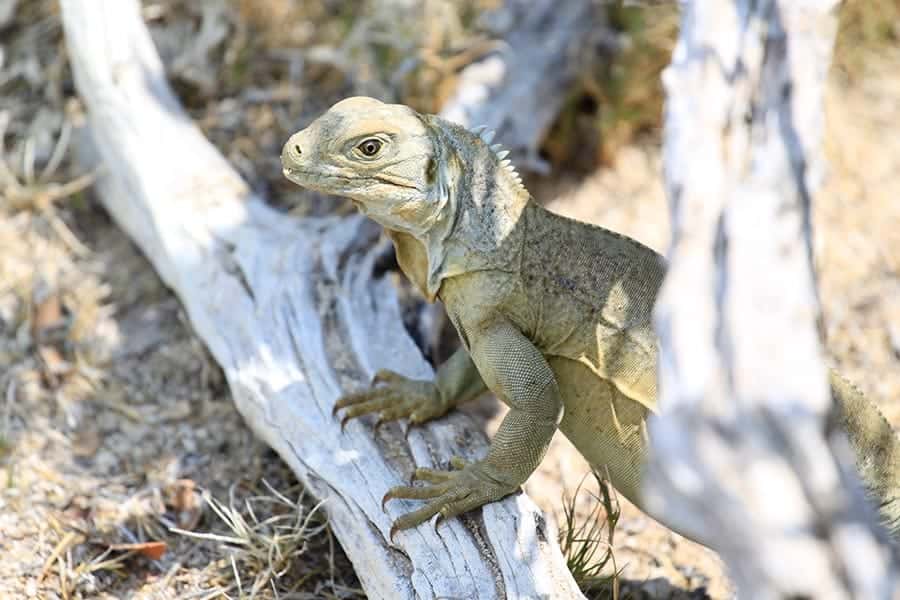
Say hello to 3,000 rock iguanas
Best for: families and wildlife lovers
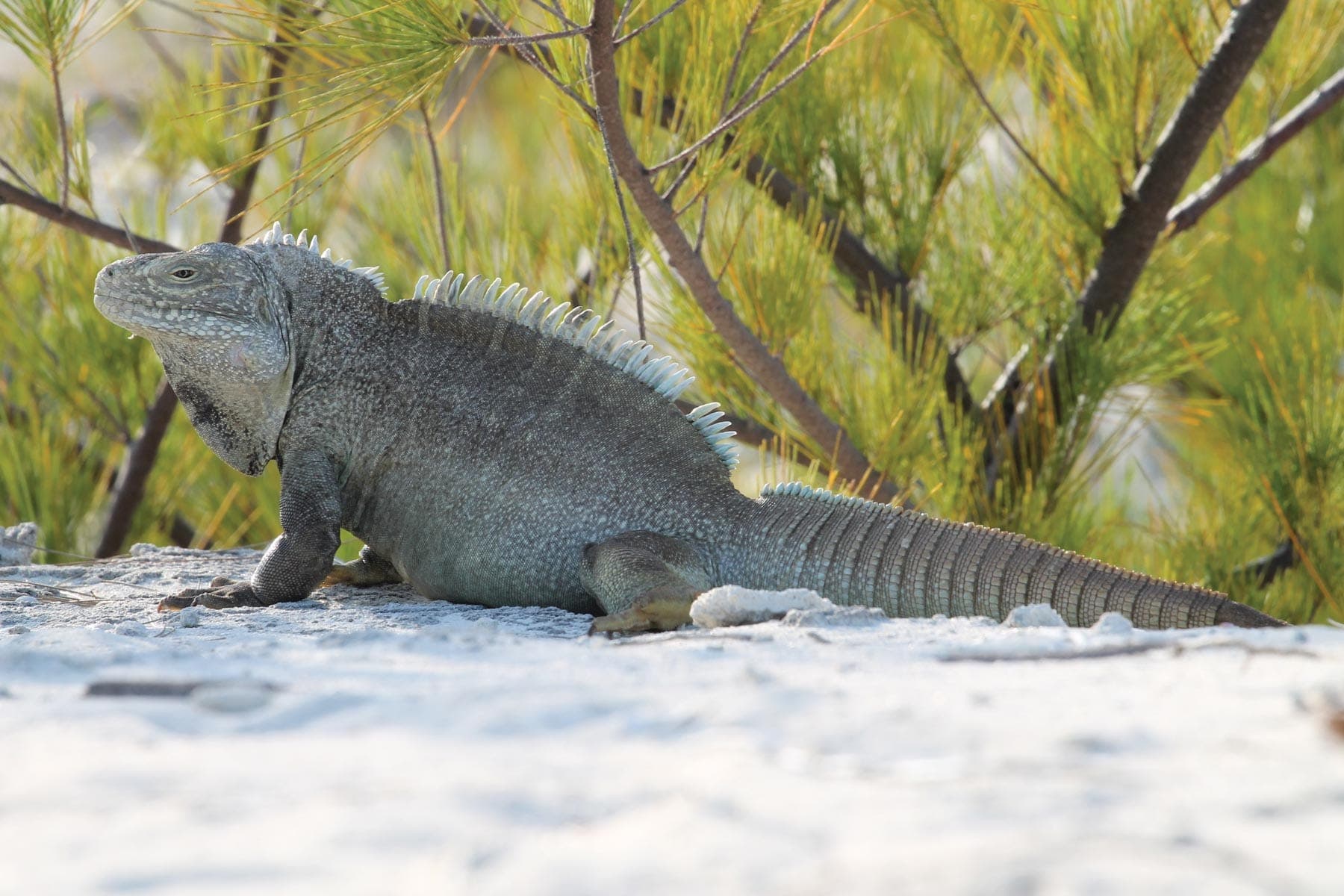
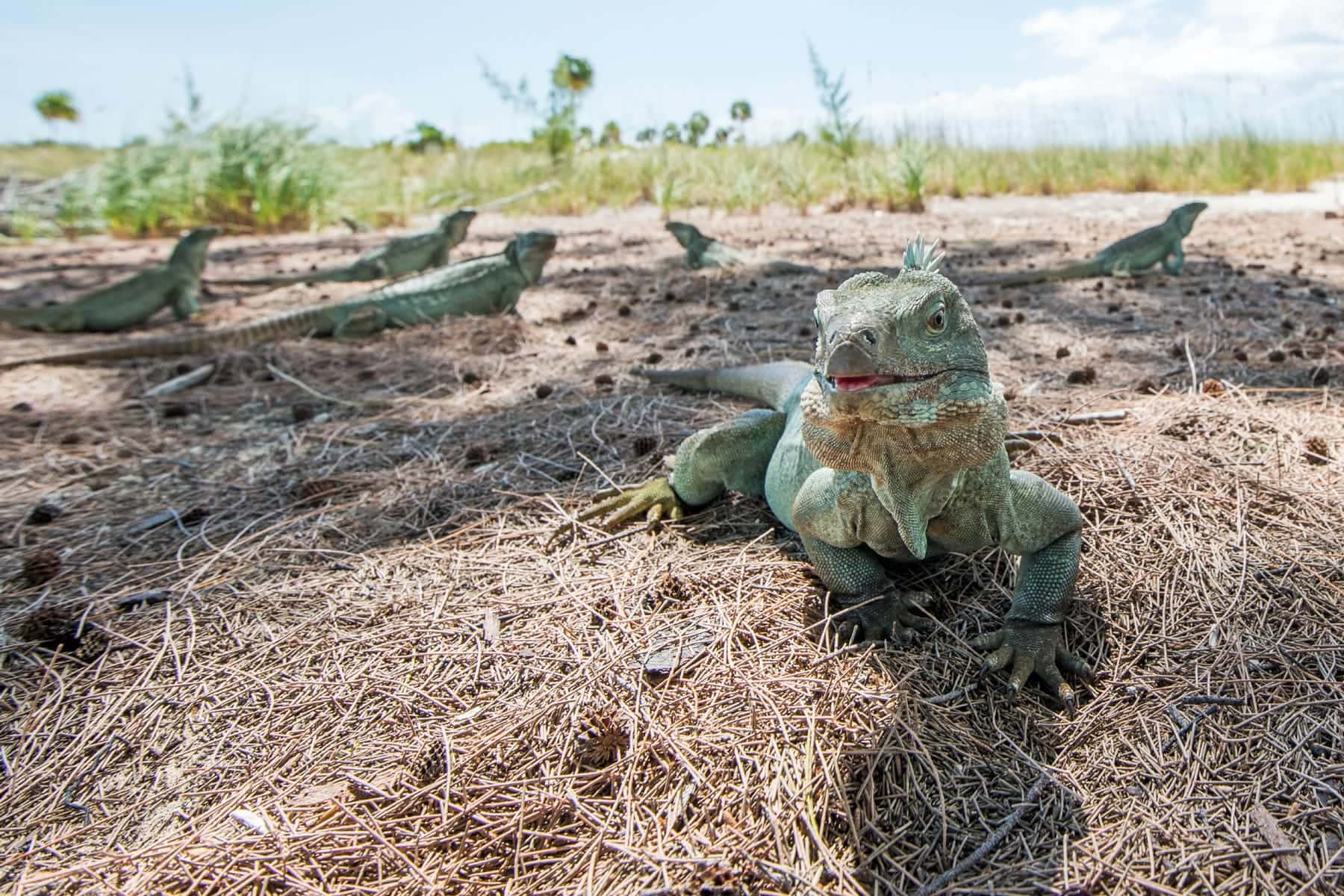
Little Water Cay, better known as Iguana Island, is a nature reserve looked after by the National Trust and home to about 3,000 Turks and Caicos rock iguanas, a species found nowhere else on earth. Boardwalks loop across the island, and the iguanas sun themselves right beside them.
Can you feed the iguanas on Iguana Island?
Please don’t. Food from visitors has made iguanas here sick, and some have died, which is why feeding them isn’t allowed. Stay on the boardwalks, because their burrows are under the sand, and take everything you brought back to the boat: the island has no bins. Our Iguana Island guide has the full story.
Book a trip to Iguana Island
Paddle the mangrove nursery
Best for: quiet wildlife watching
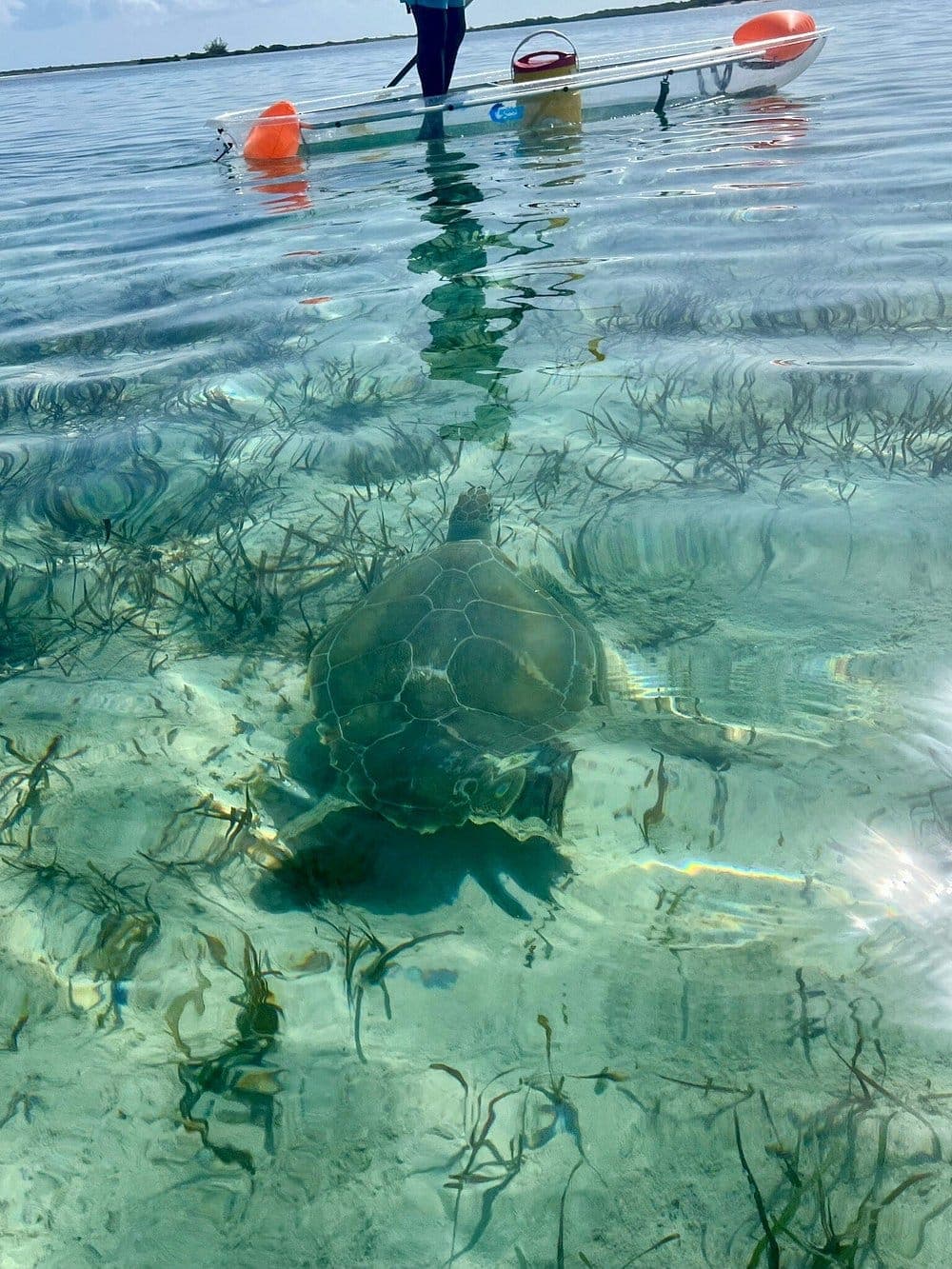
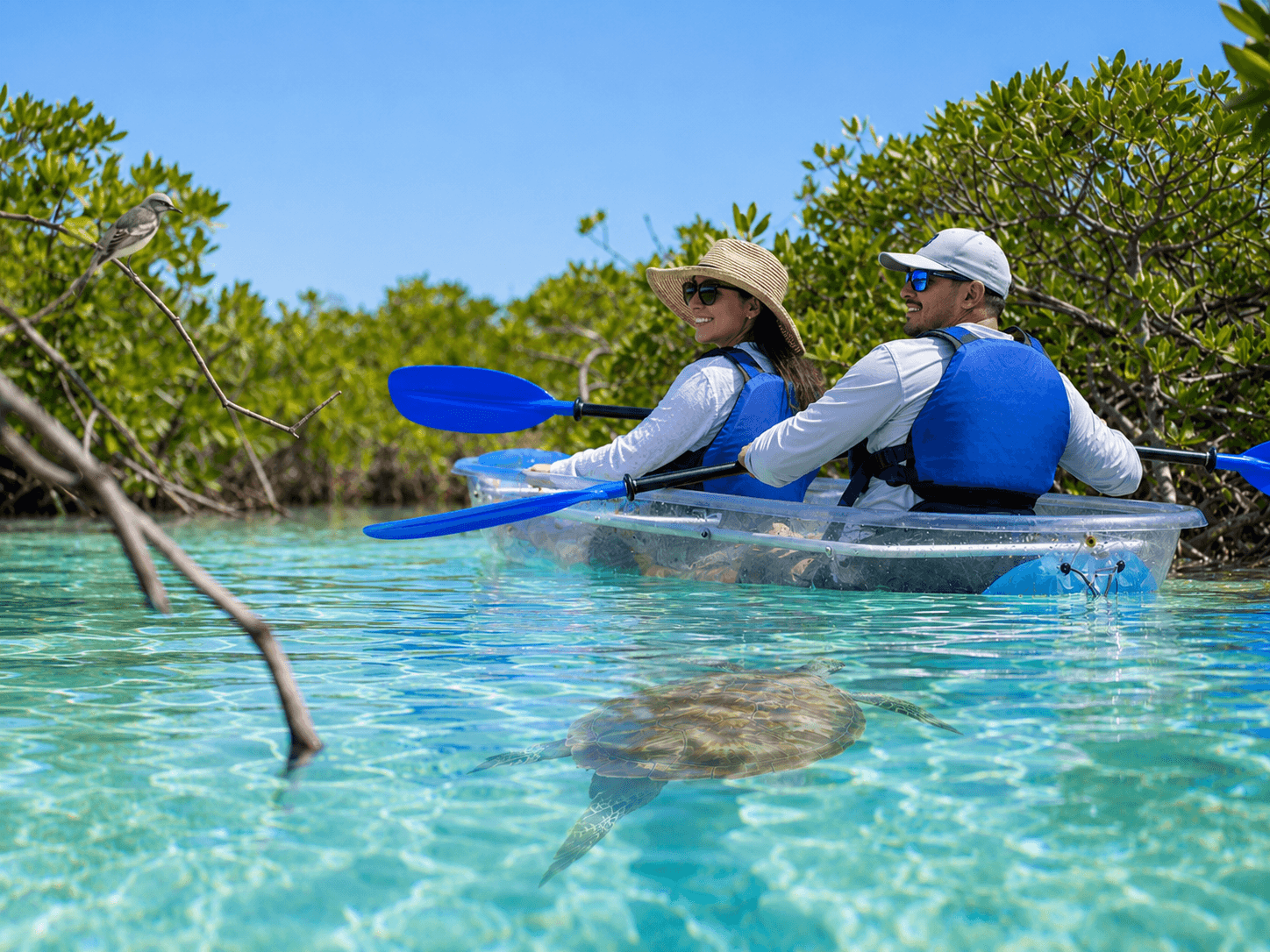
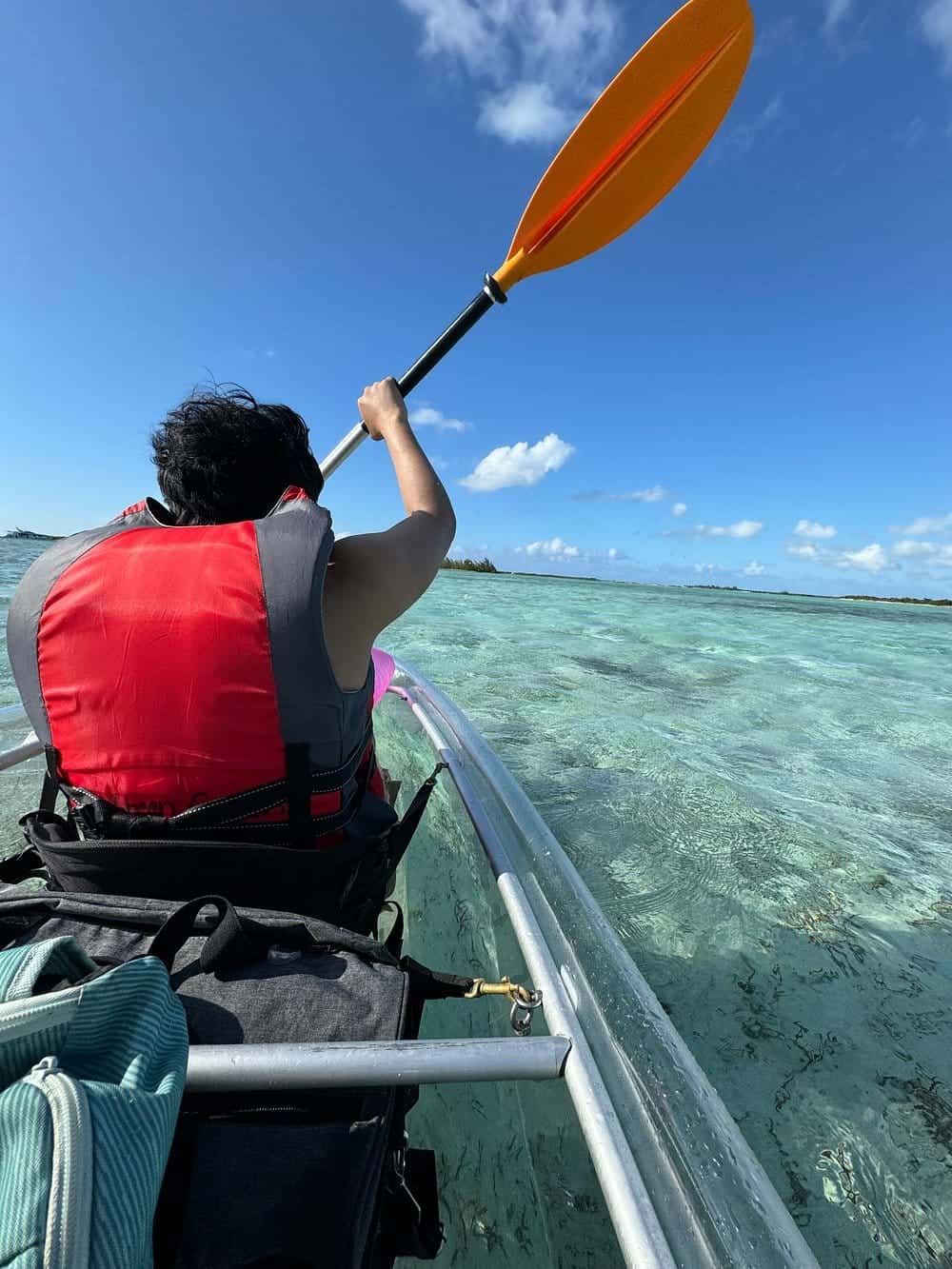
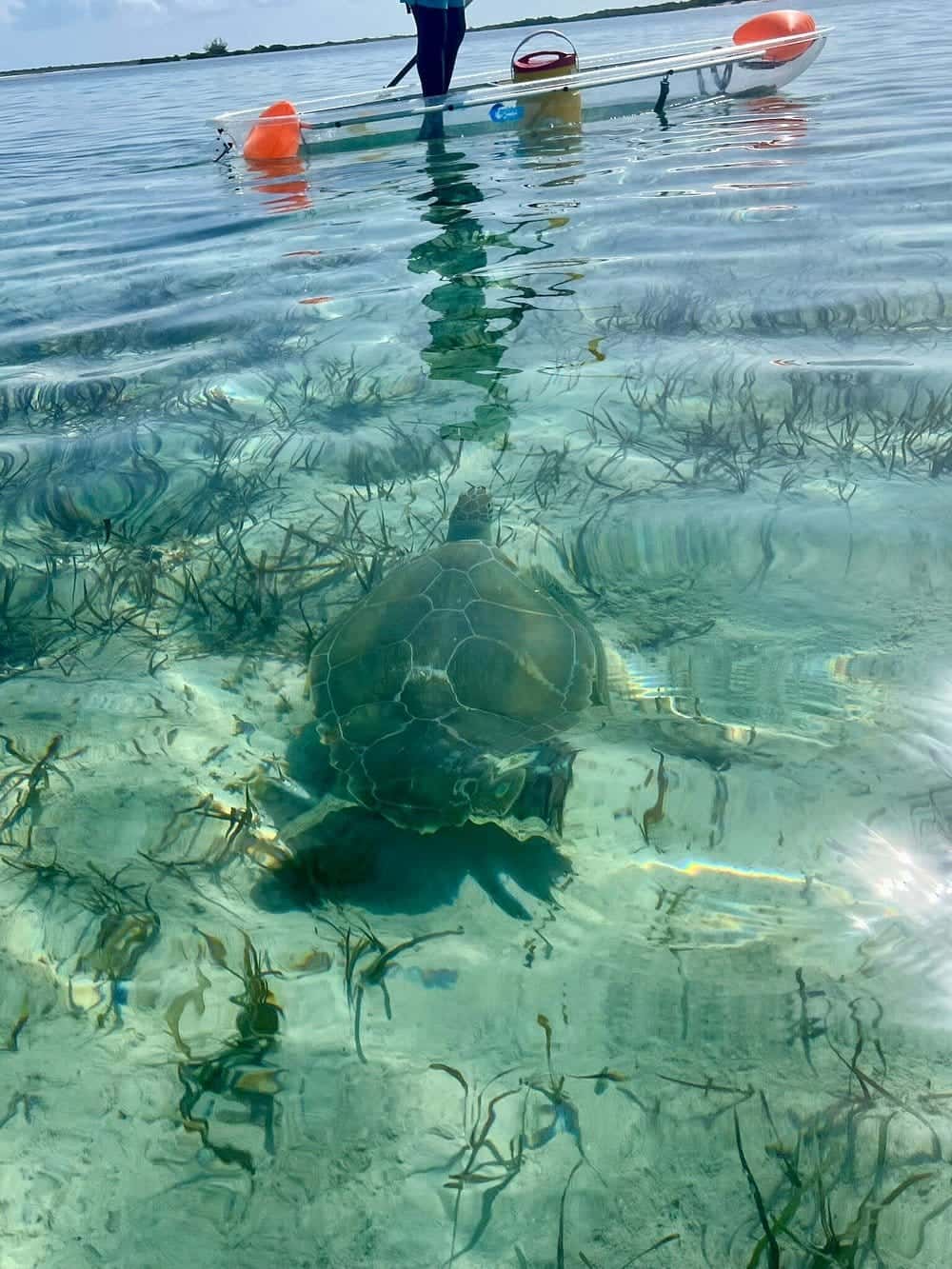
Beside the Leeward channel lies the Princess Alexandra Nature Reserve, a natural nursery for young sea life. From Heaving Down Rock Marina, the clear kayak tours paddle into the mangroves, so you can look straight down through the hull at what’s swimming underneath. The same channel is home to several of the island’s marinas, where many boat days begin.
What can you see on a mangrove kayak tour?
Turtles, stingrays, young sharks, jellyfish, groupers and snappers all turn up in the clear shallows. A kayak is about the quietest way to meet them, so keep your hands in the boat and let the wildlife come to you.
Book a clear kayak tour
Snorkel over the cannons of Fort George
Best for: history buffs and curious snorkelers
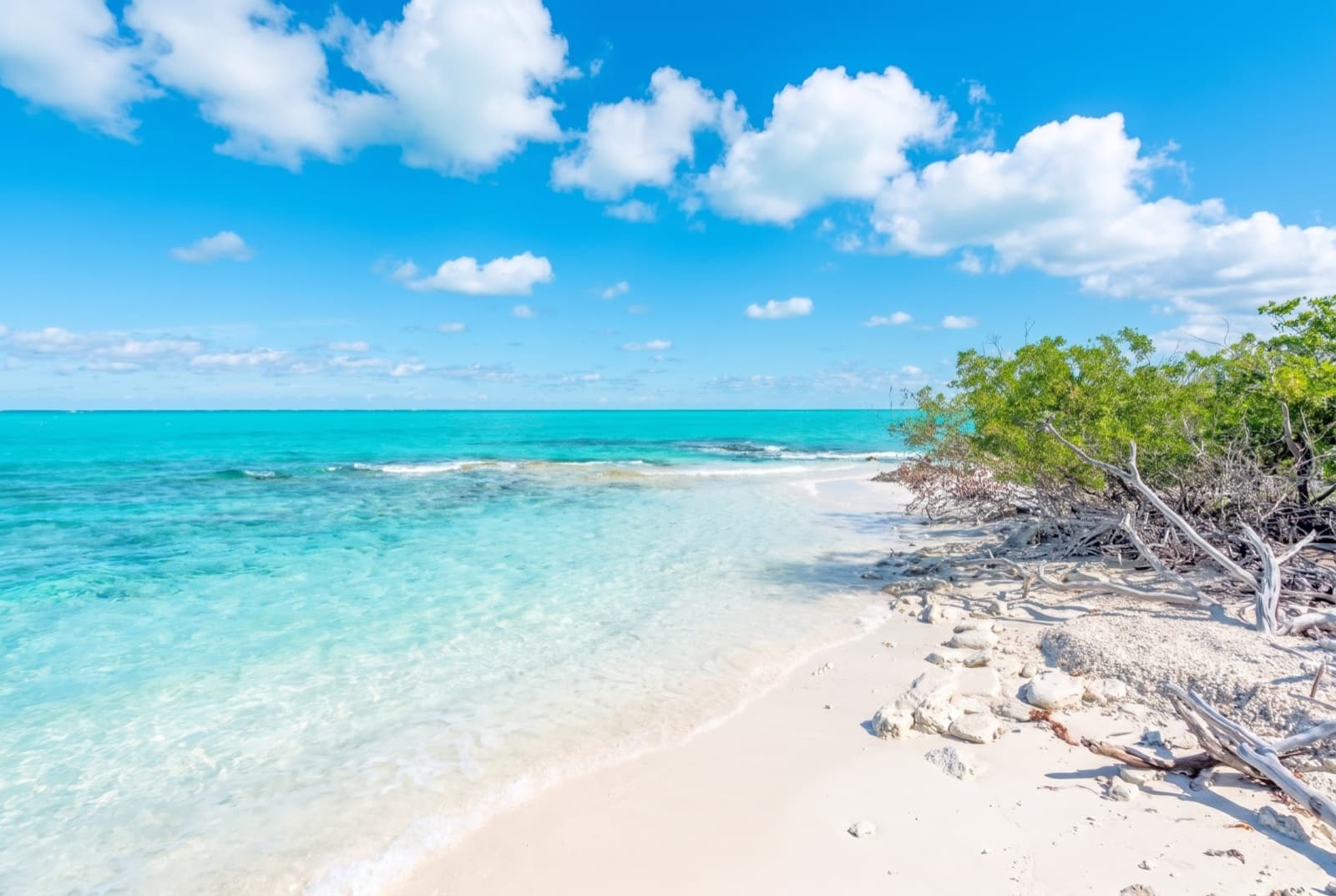
Loyalist planters built a gun battery here in the 1790s to keep pirates, privateers and the French away from their cotton. Today Fort George Cay sits inside its own land and sea national park, and its old fort is a protected historic site. The cannons of the 1790s gun battery now lie in the shallows off the beach, and you can snorkel right over them. Leave them exactly as you found them, so the next boat gets the same thrill. Our island hopping guide tells how the island shrank out from under its fort.
Leave the shells, take the photos
Best for: beachcombers
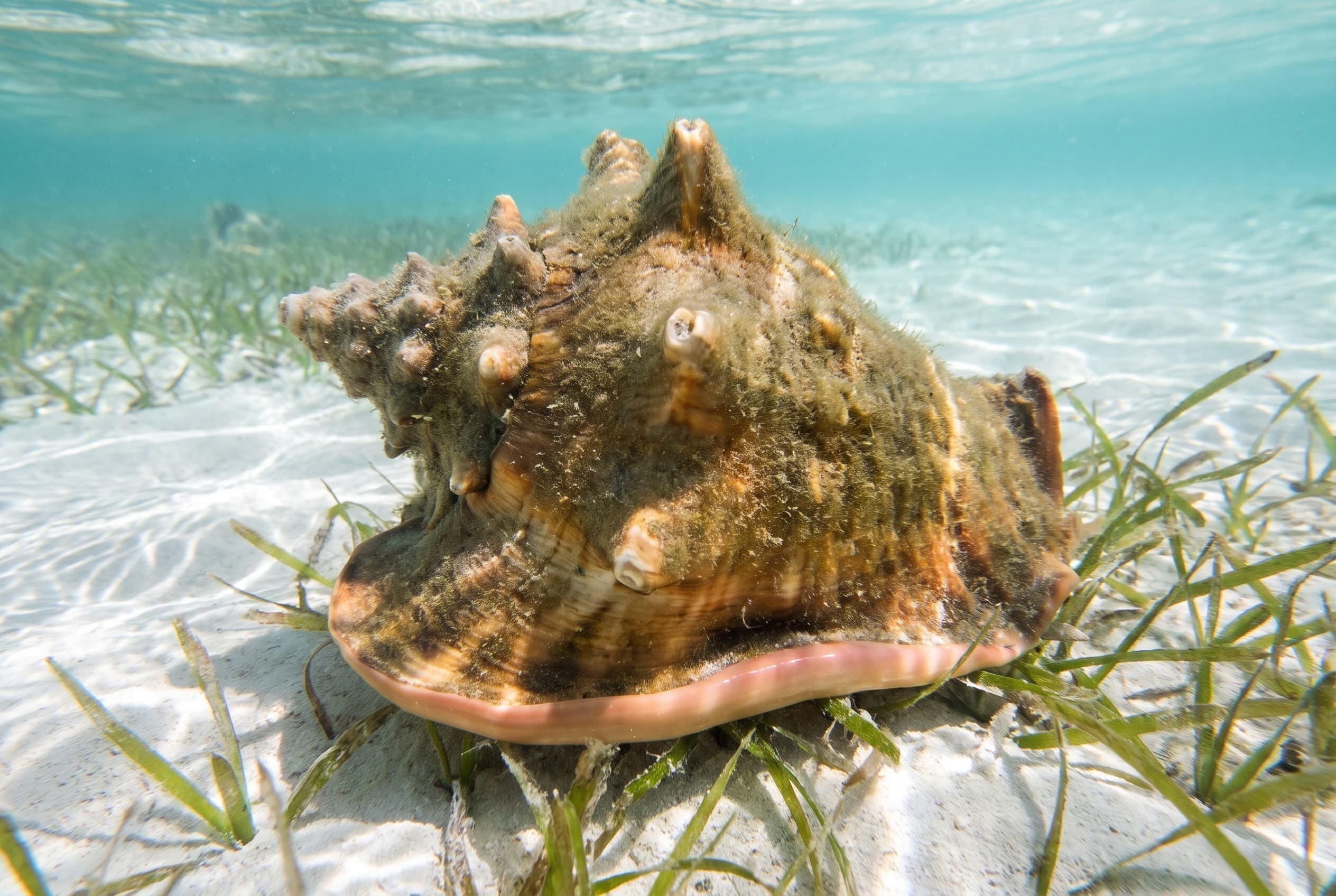
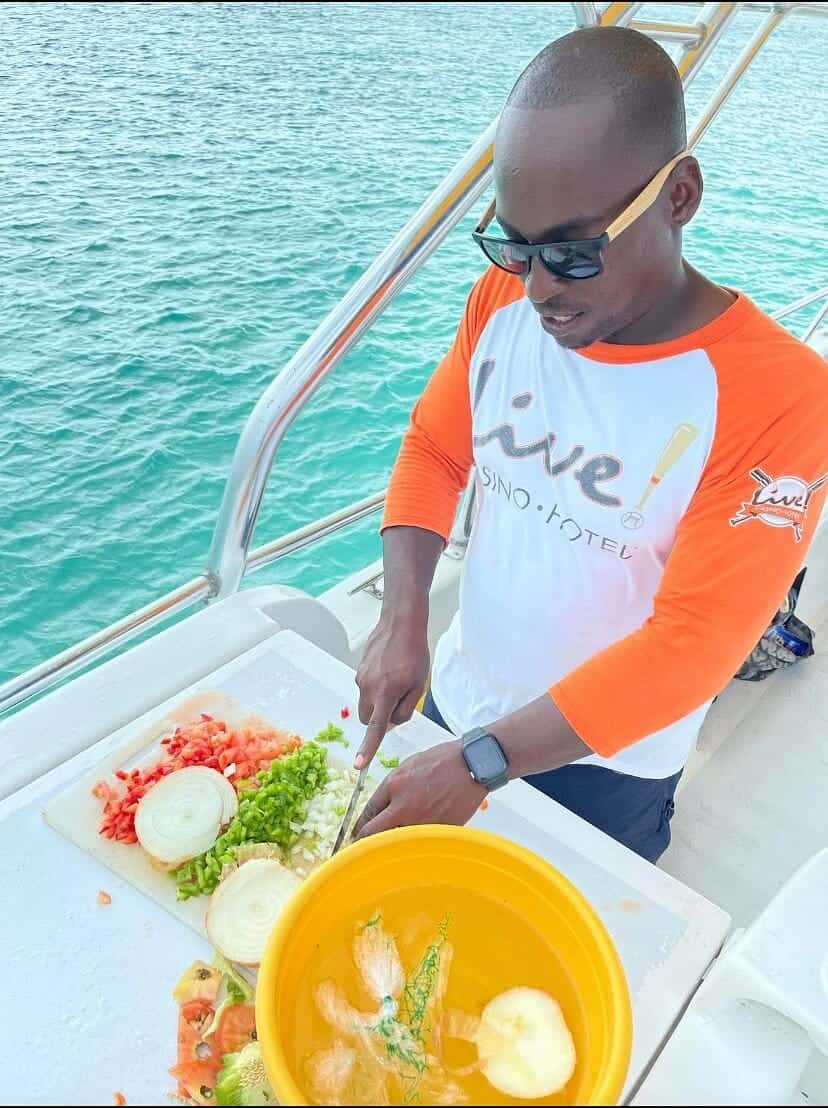
Inside the parks and reserves, shells, sand and coral stay where they are, alive or not, and nobody fishes, dives for conch or takes lobster. That’s why the cays still feel untouched. Conch and lobster come from outside the parks, and where to dive for them is your captain’s call. Lobster season runs from August 1 to March 31, and several full-day charters catch and cook it.
Can you take shells home from Turks and Caicos?
Not from a national park, nature reserve or historic site. Outside them, visitors may take up to three queen conch shells without a permit, and coral never leaves the country. Our sand dollars and shells guide has more.
Book a lobster-season full day
Make a day of it from Provo
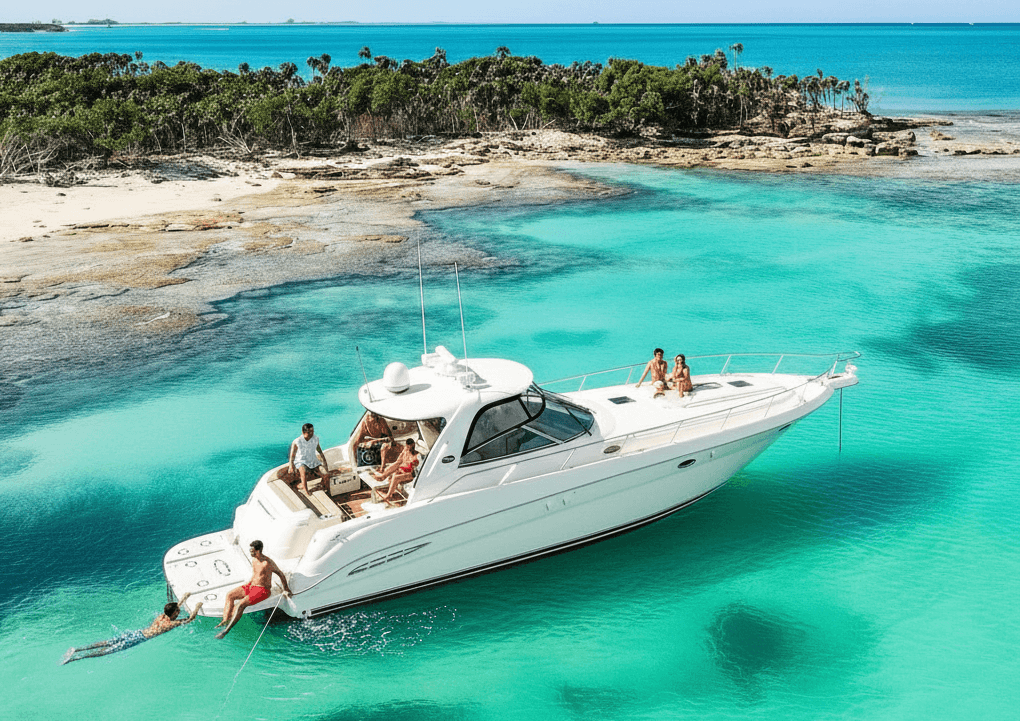
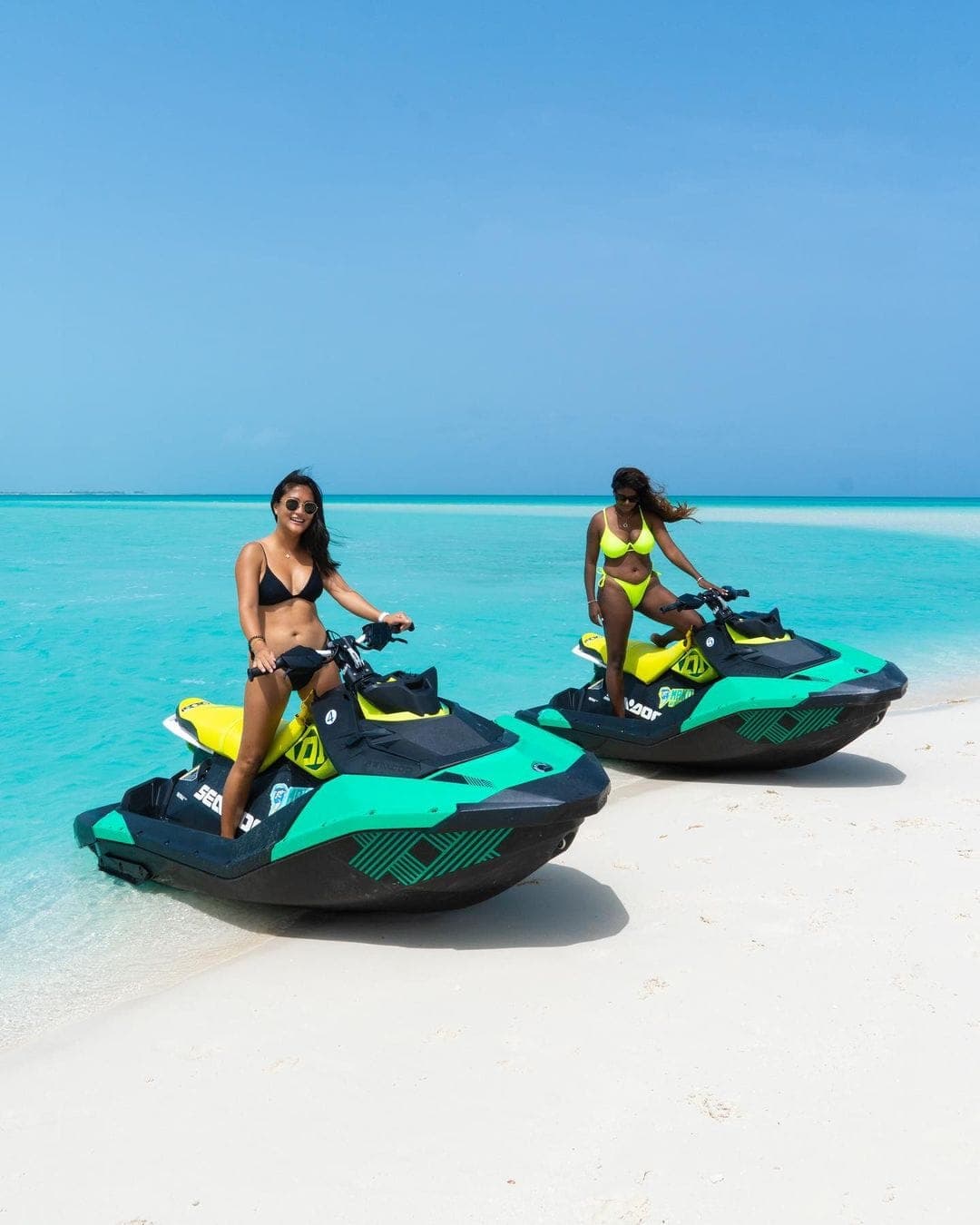
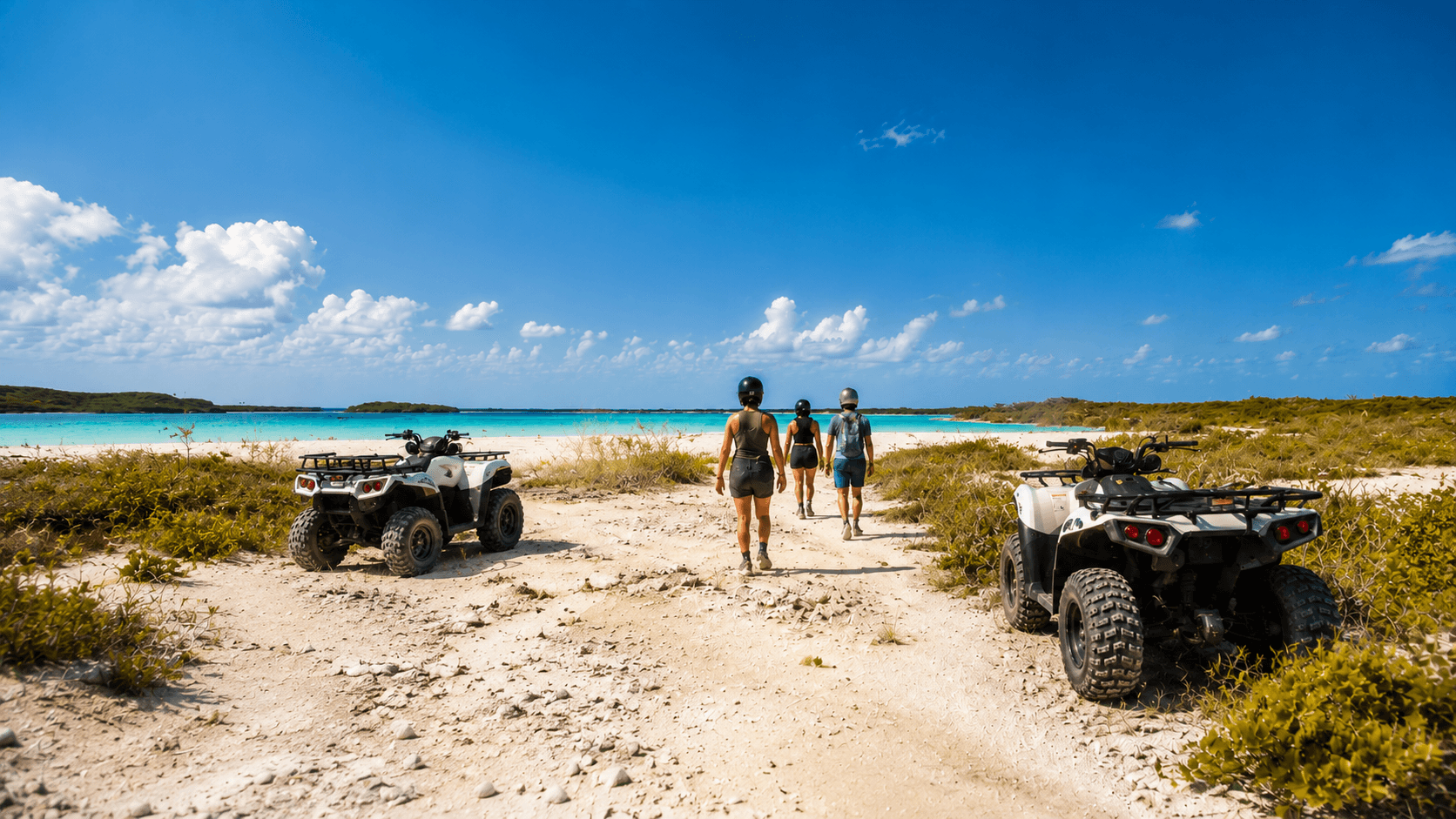
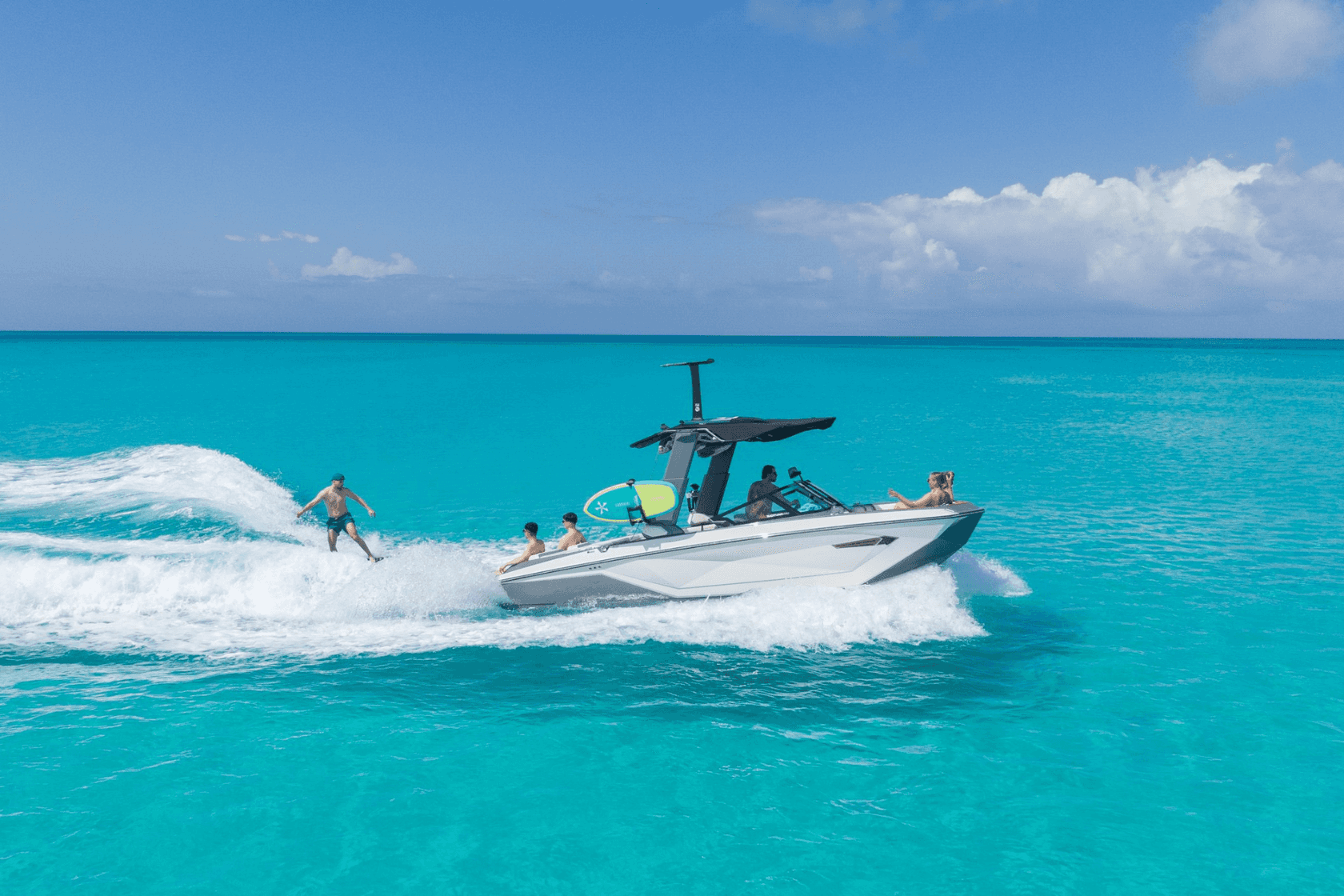
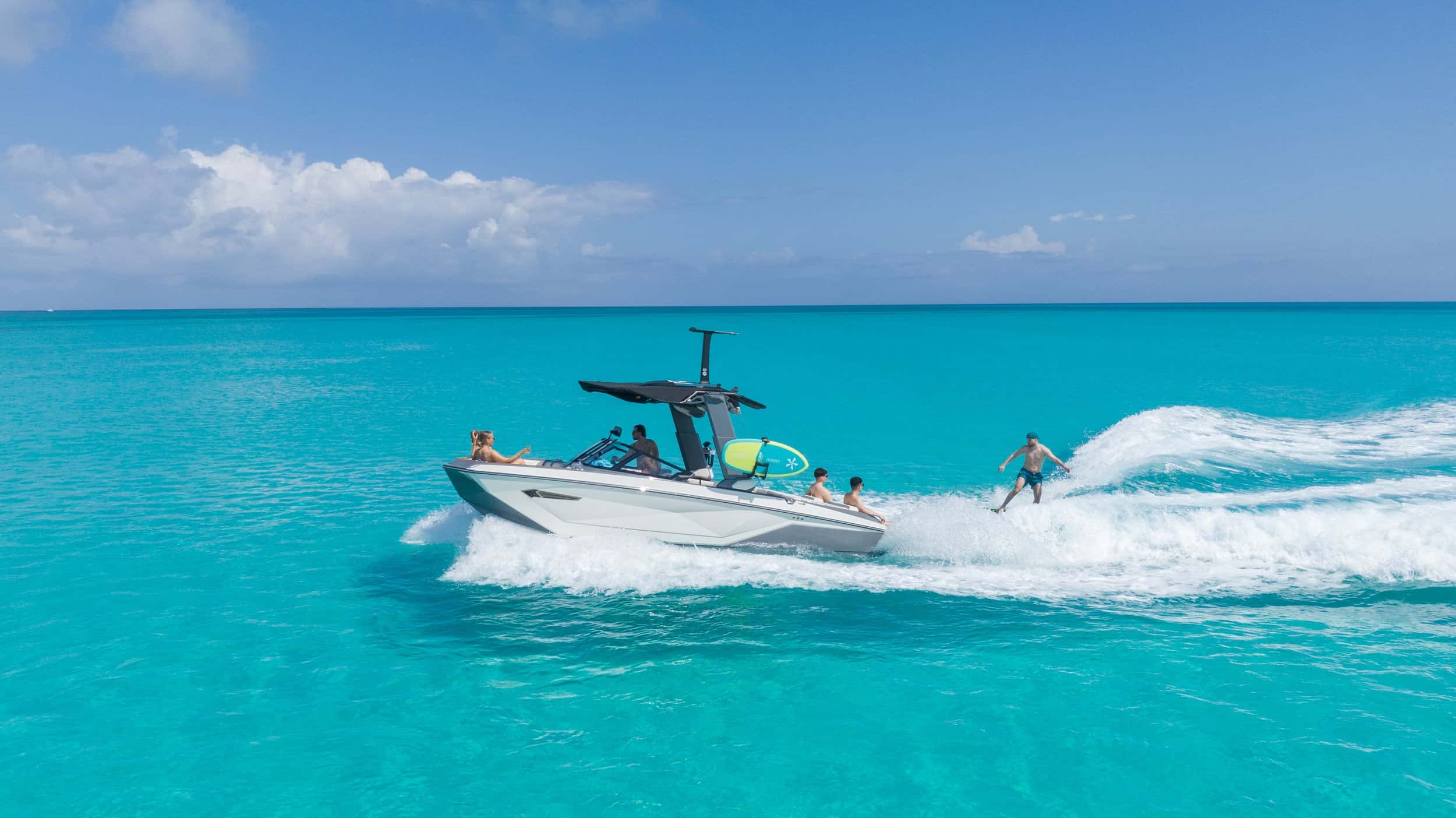
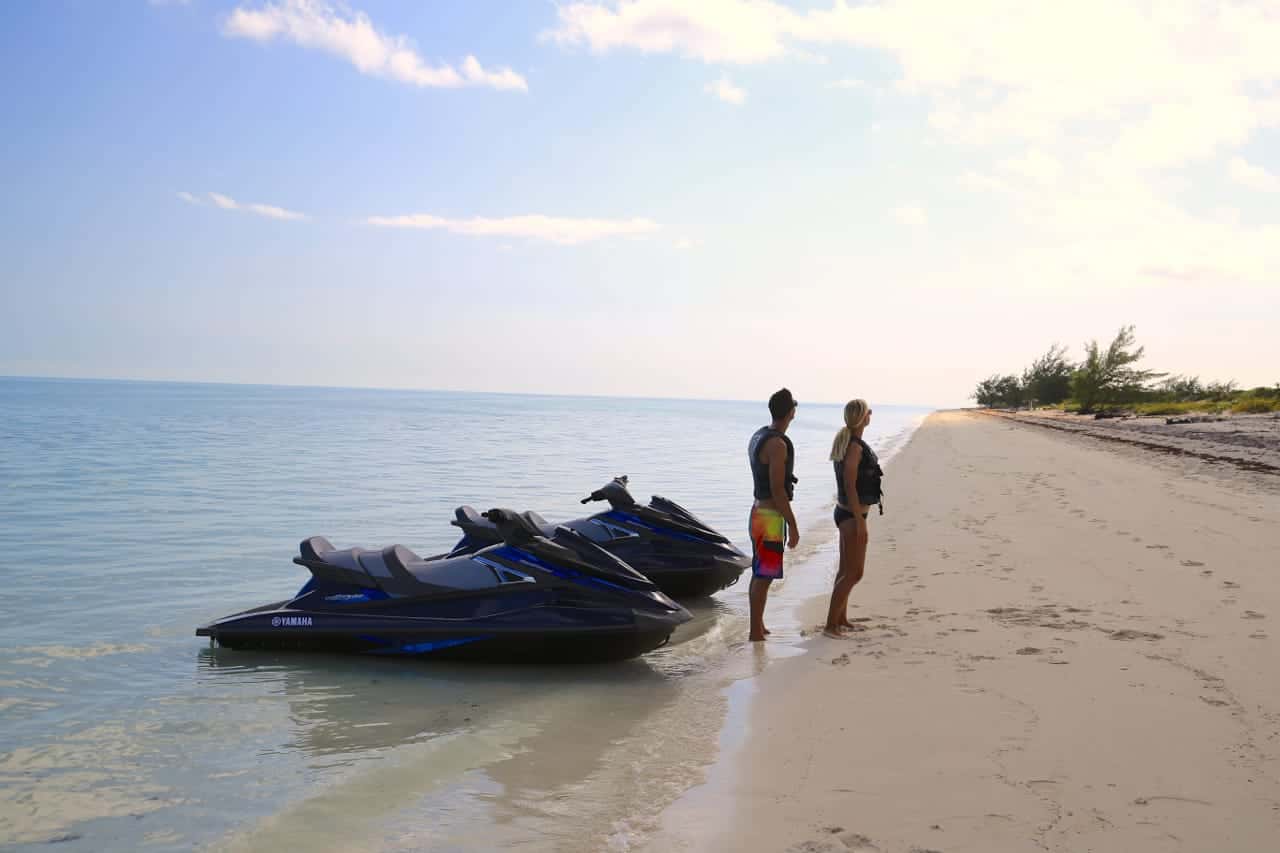
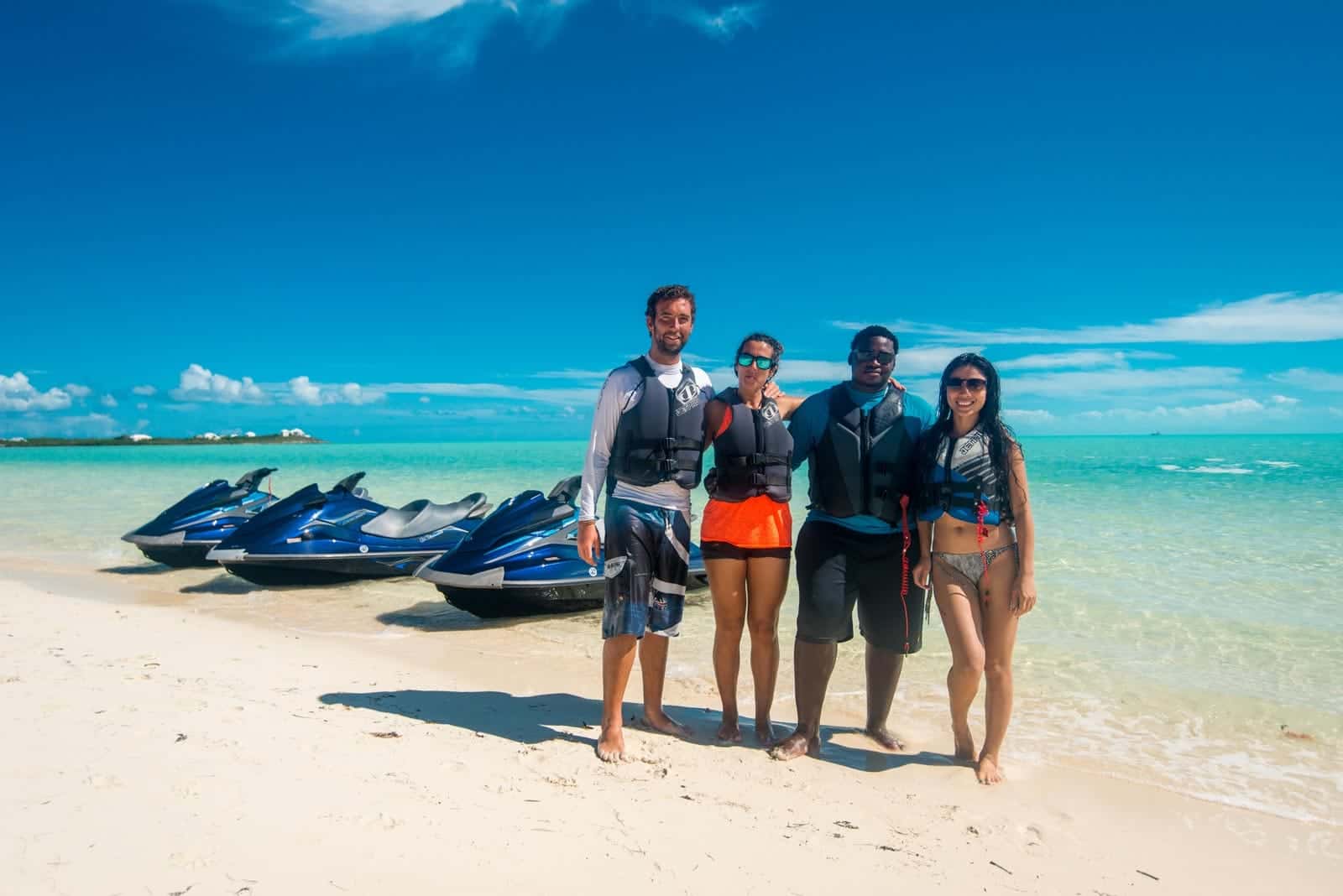
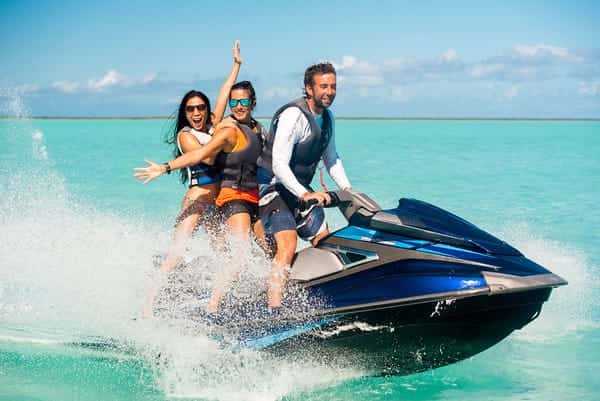
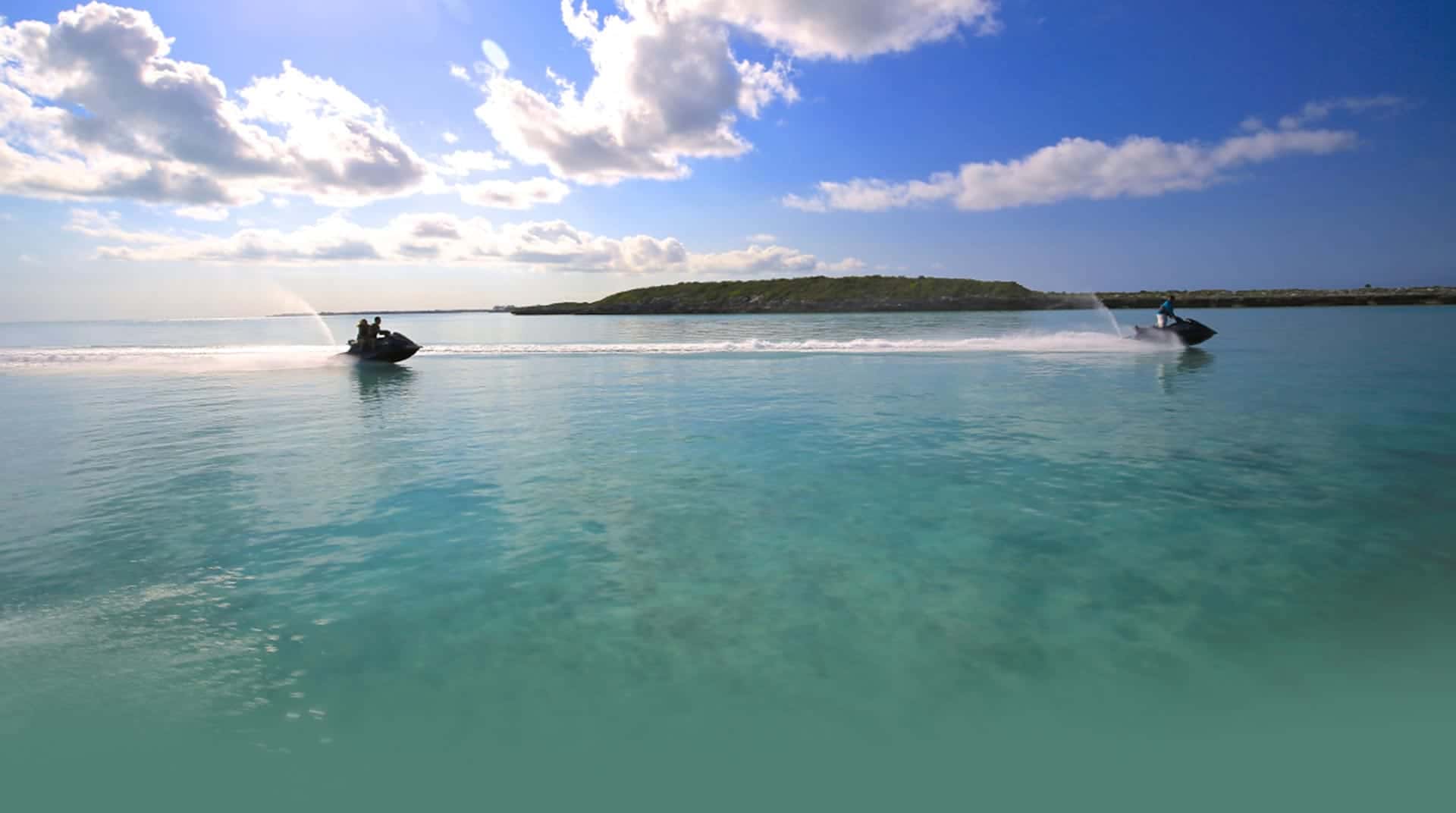
There are plenty of ways to see the parks: a private boat charter, a jet ski tour past Iguana Island, a group excursion that stops there, or a clear kayak tour of the mangroves. For a boat of your own, pick it below.
Pick your boat for the parks
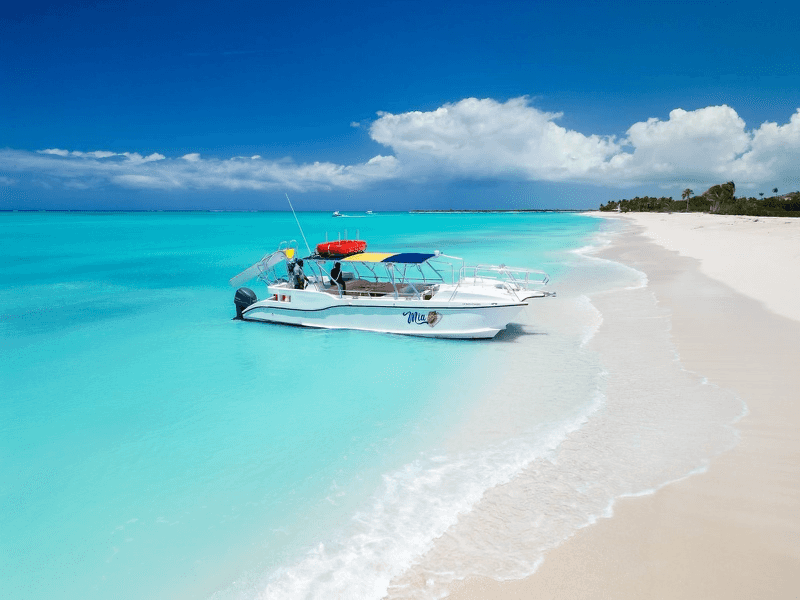
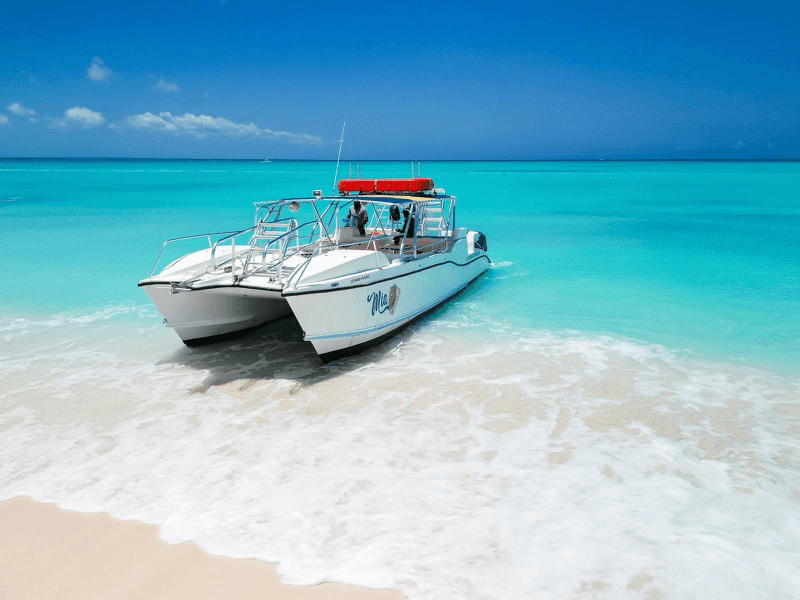
Adventure Boat
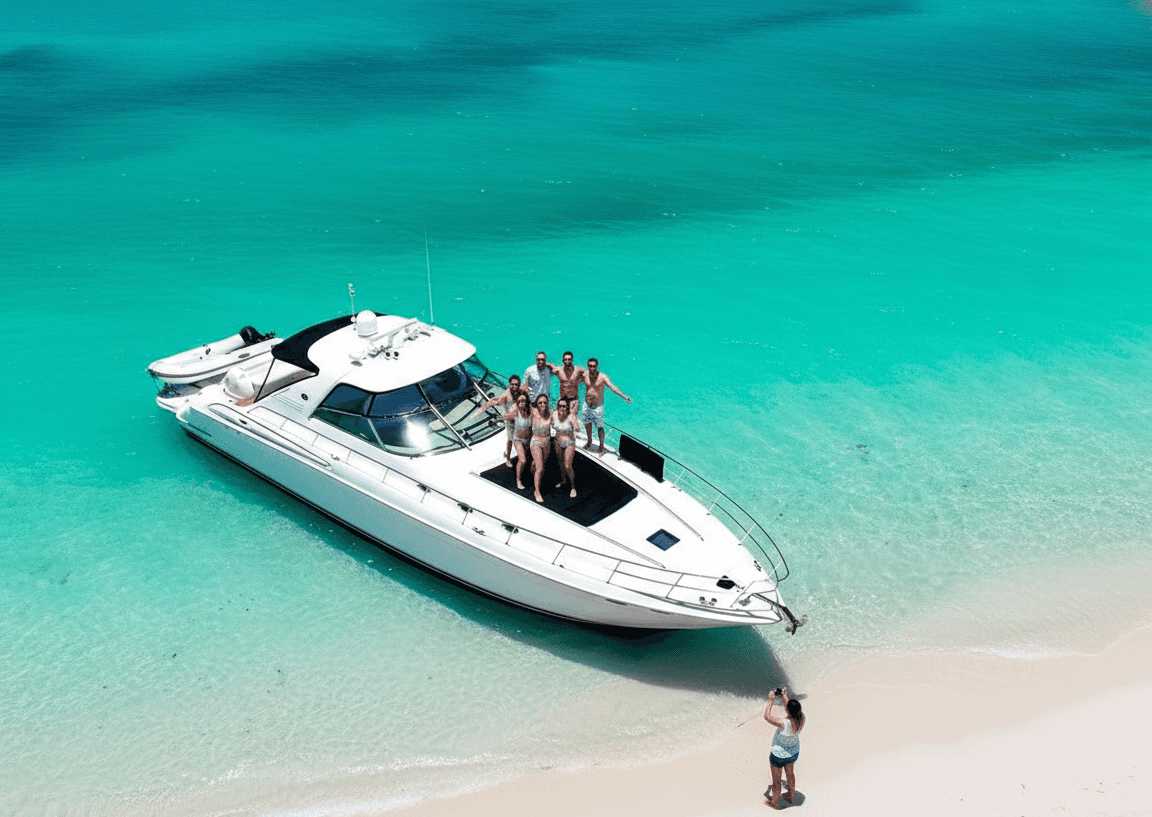
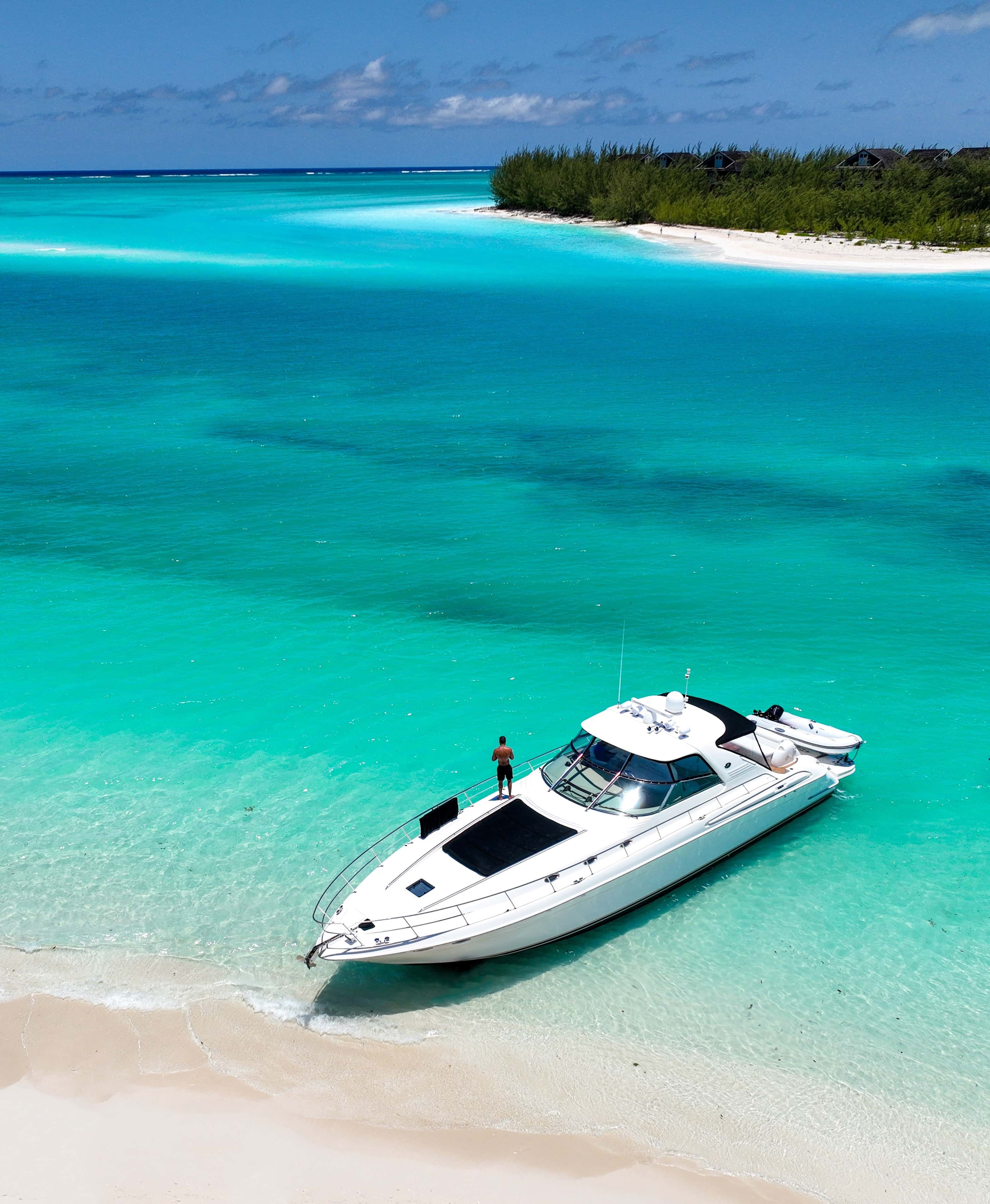

62ft Lux Yacht Charter
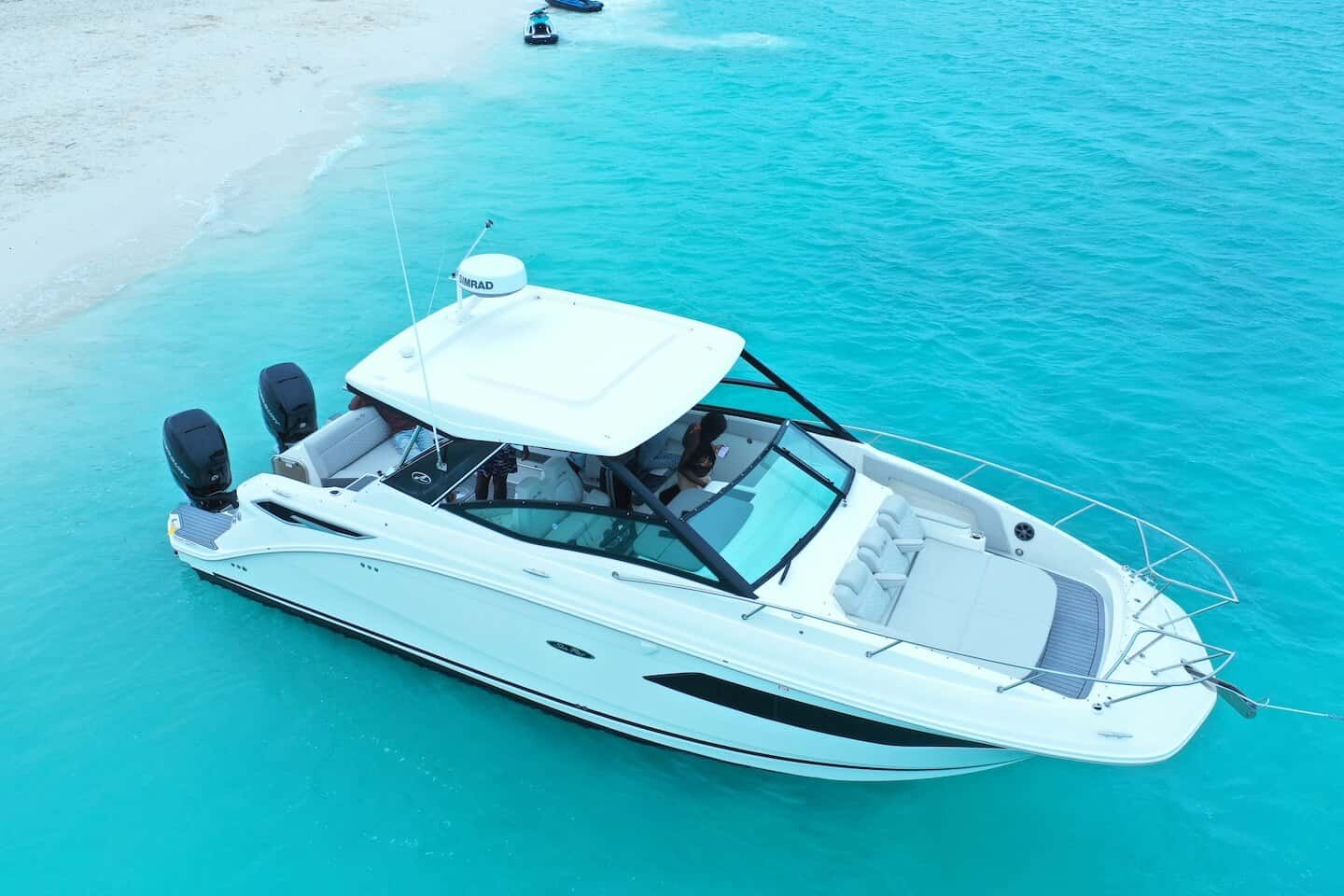
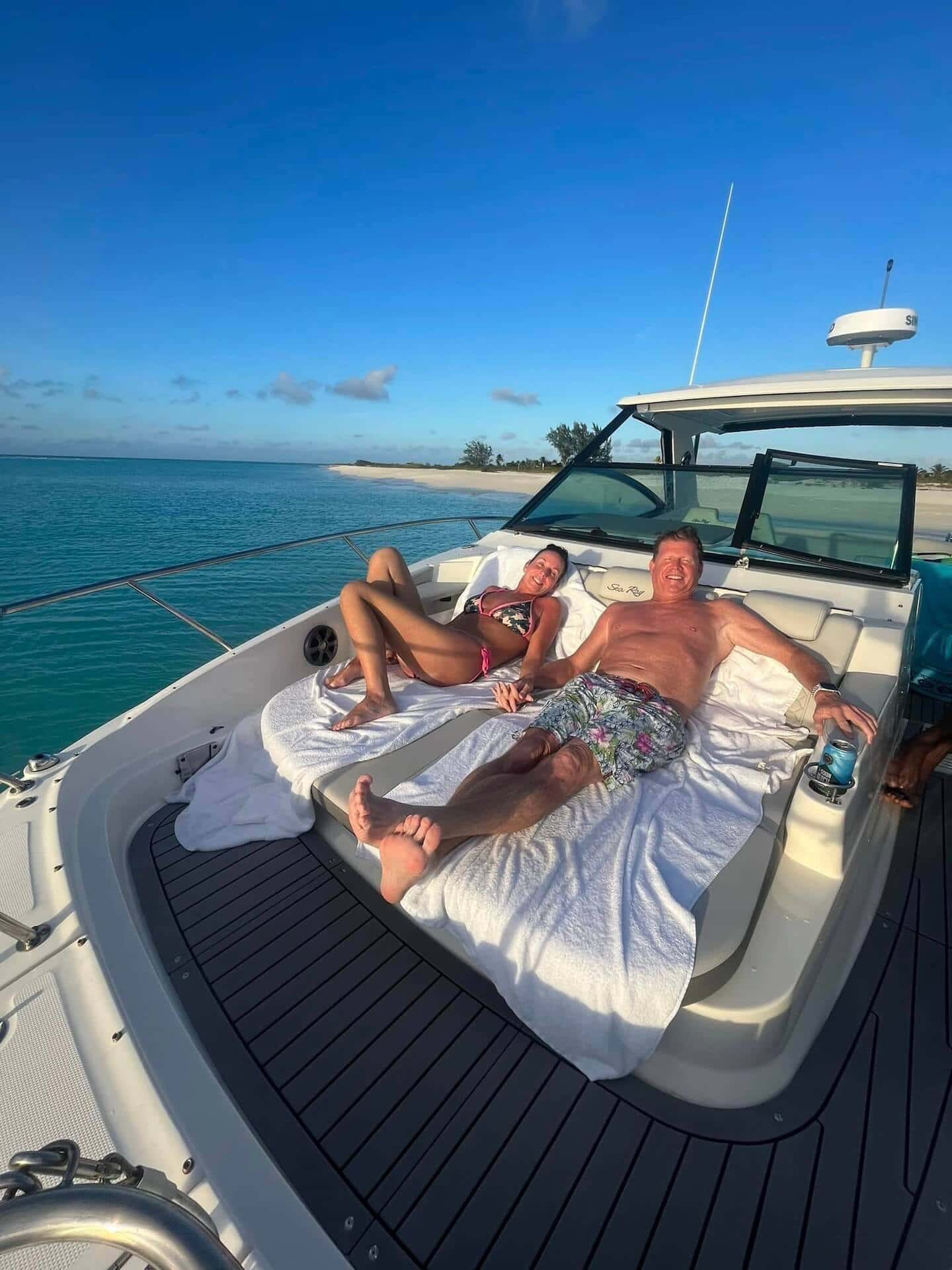
35ft Luxury Yacht Charter
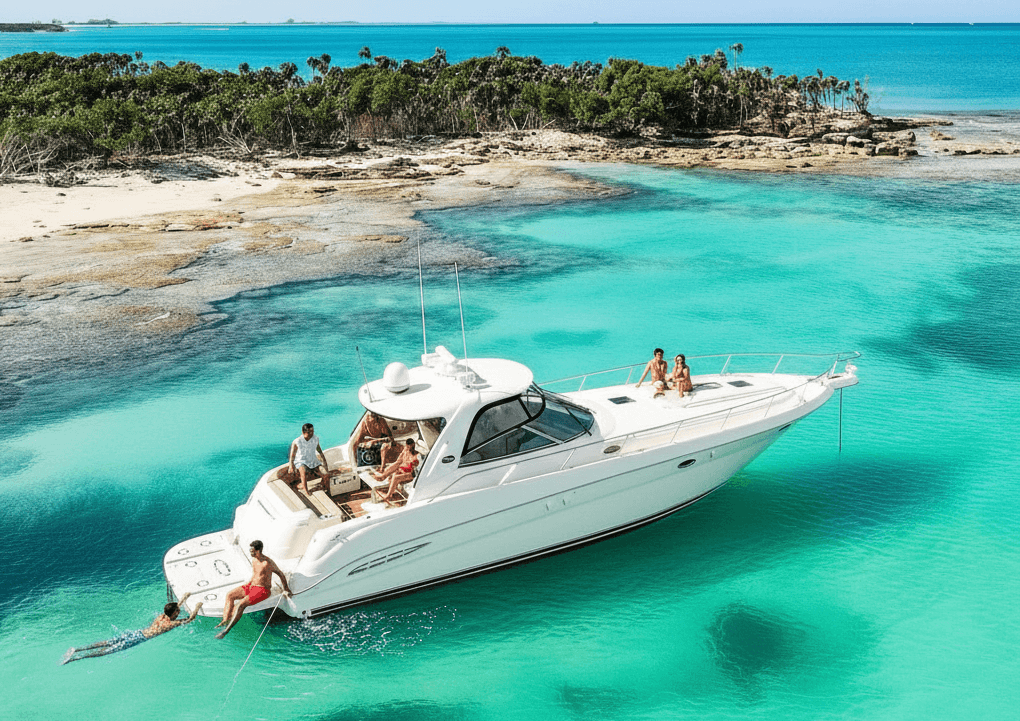
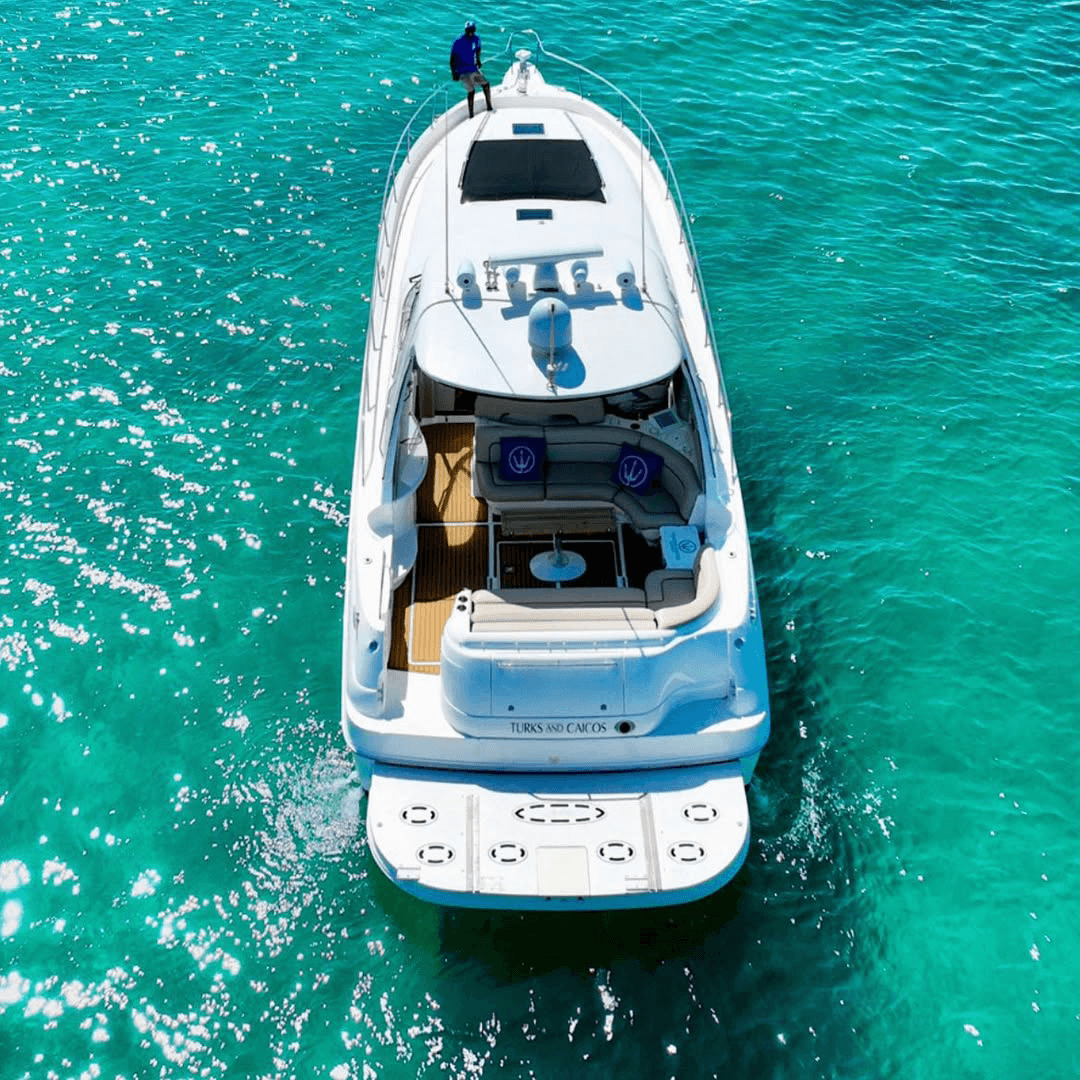
51ft Lux Yacht Charter
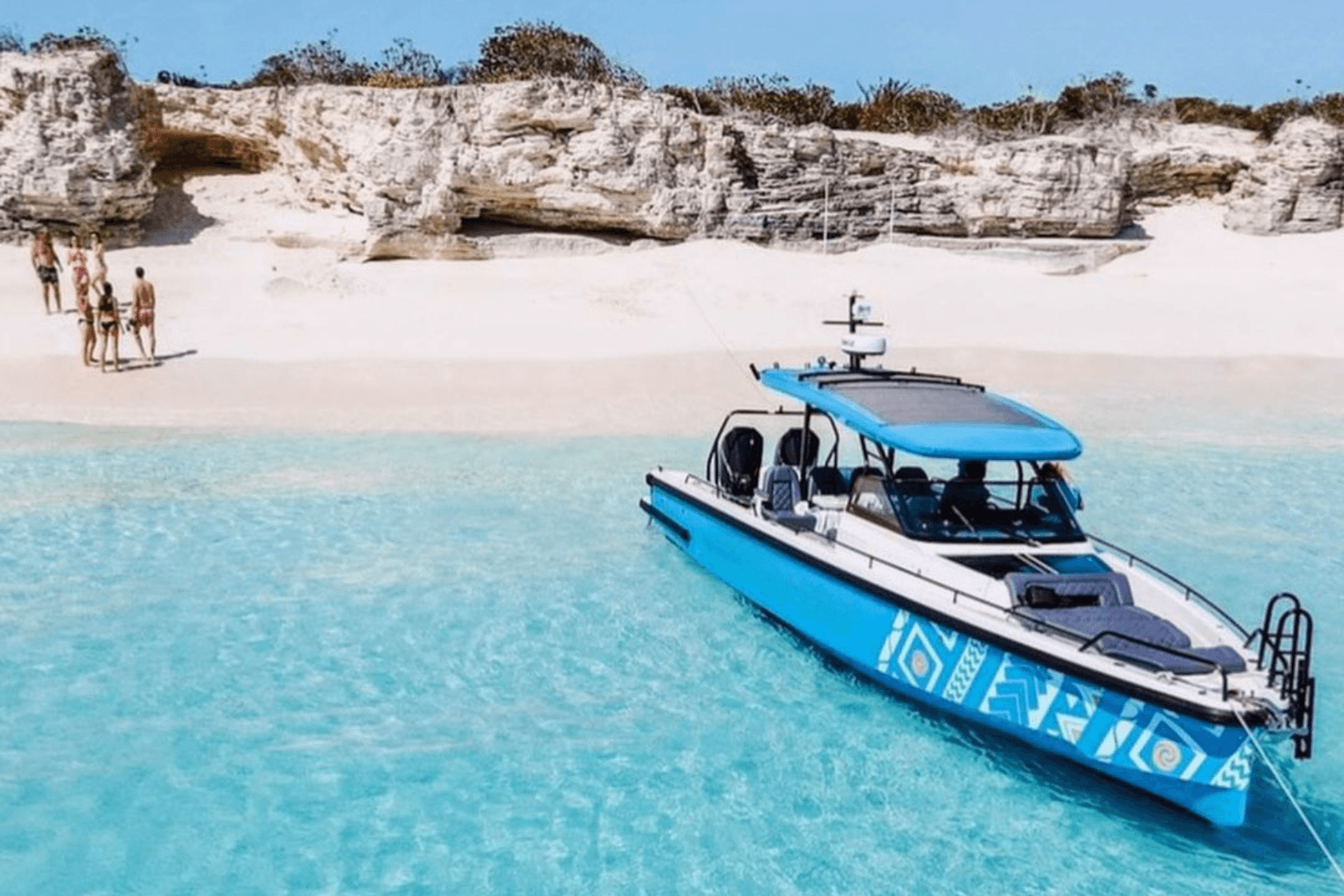
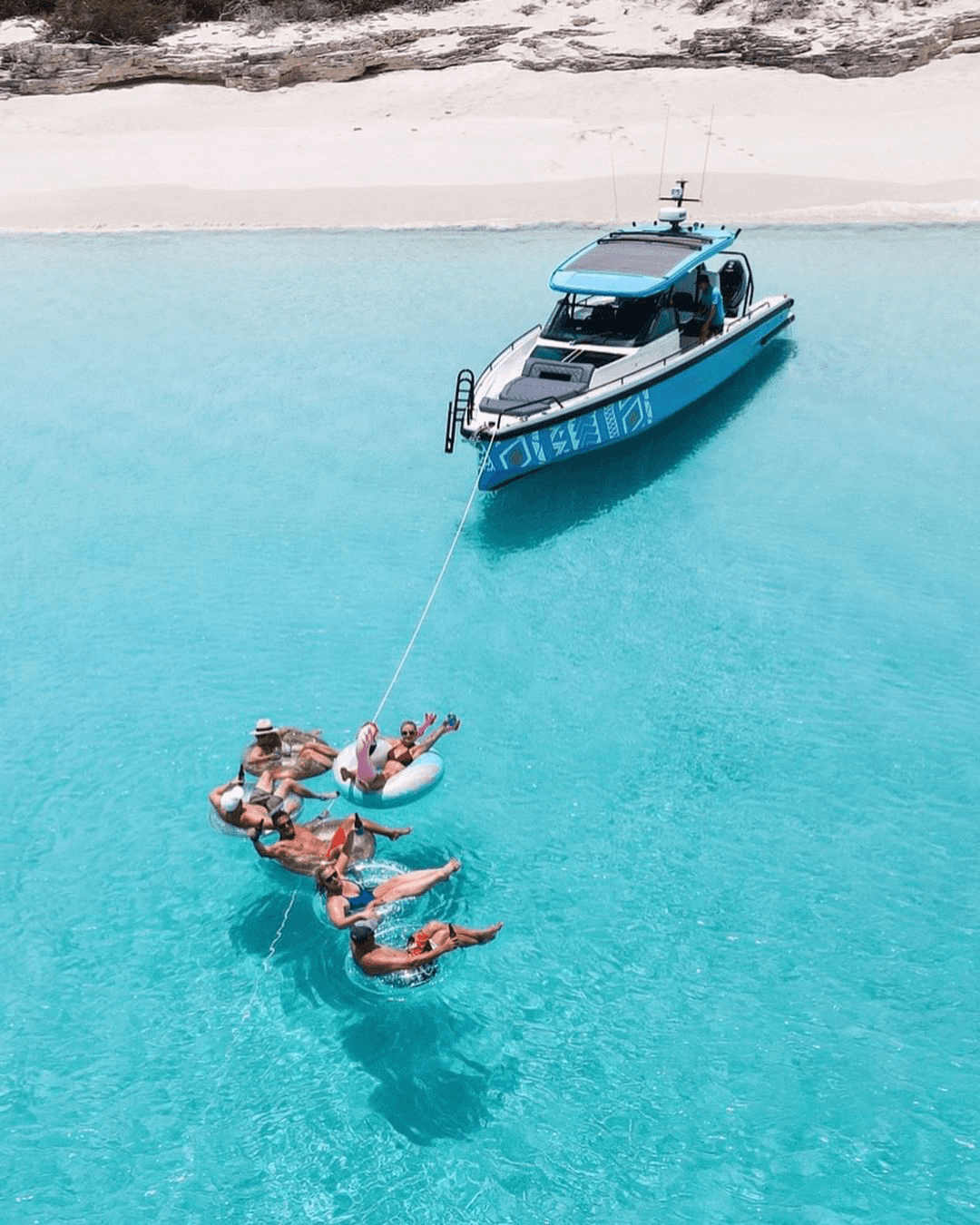

37ft Luxury Boat Charter
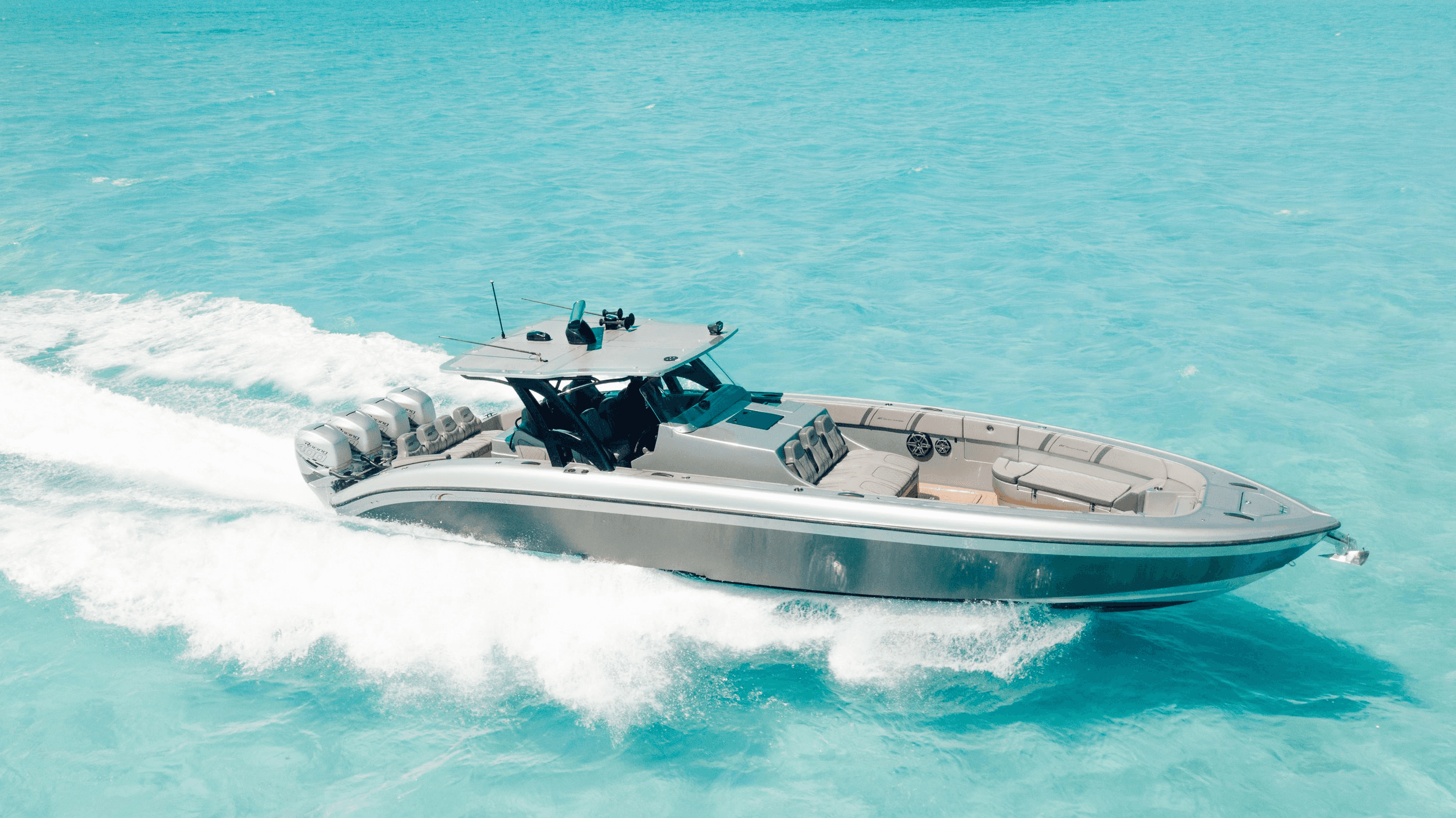
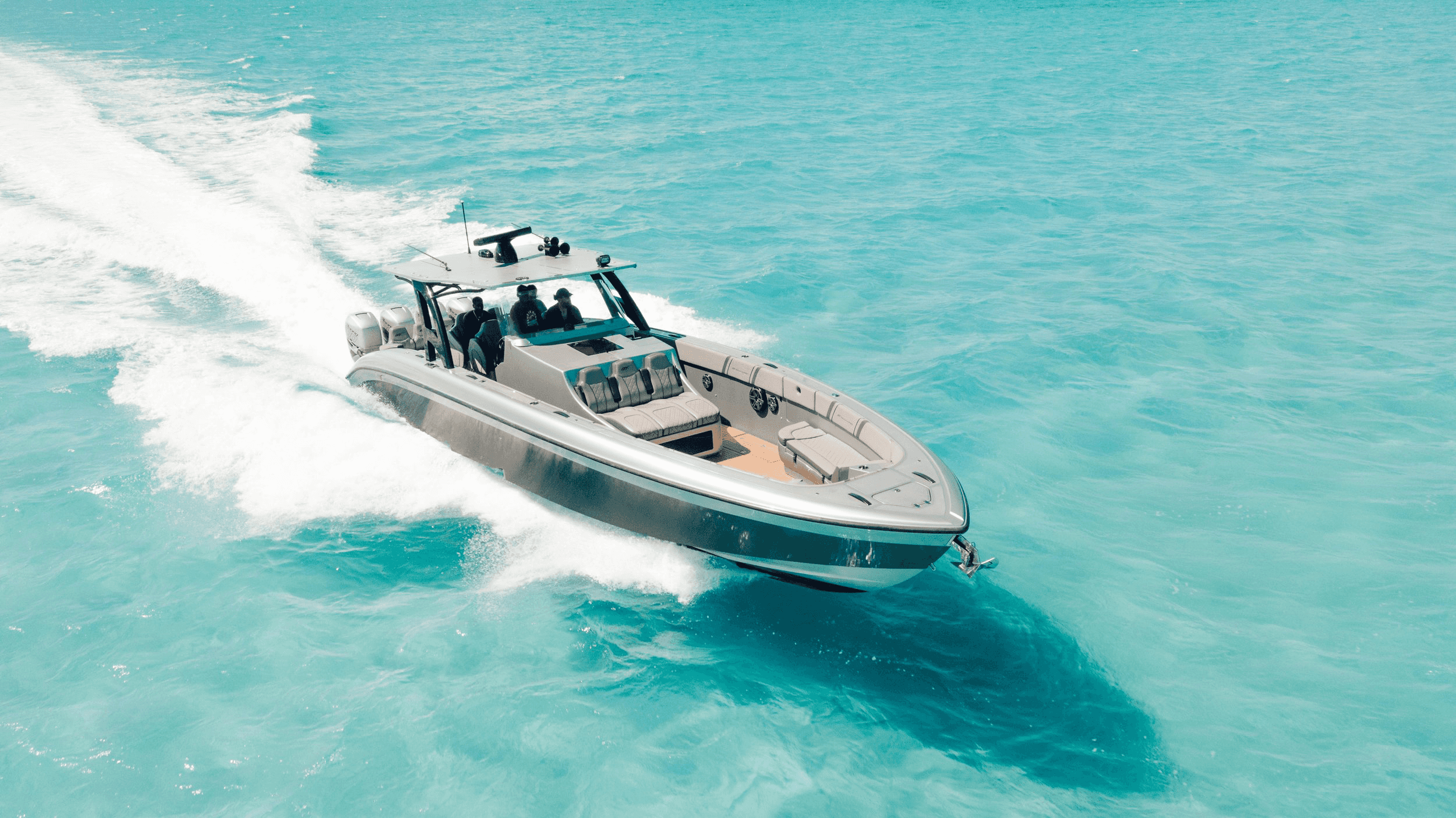
43ft Ultra Luxury Yacht Charter
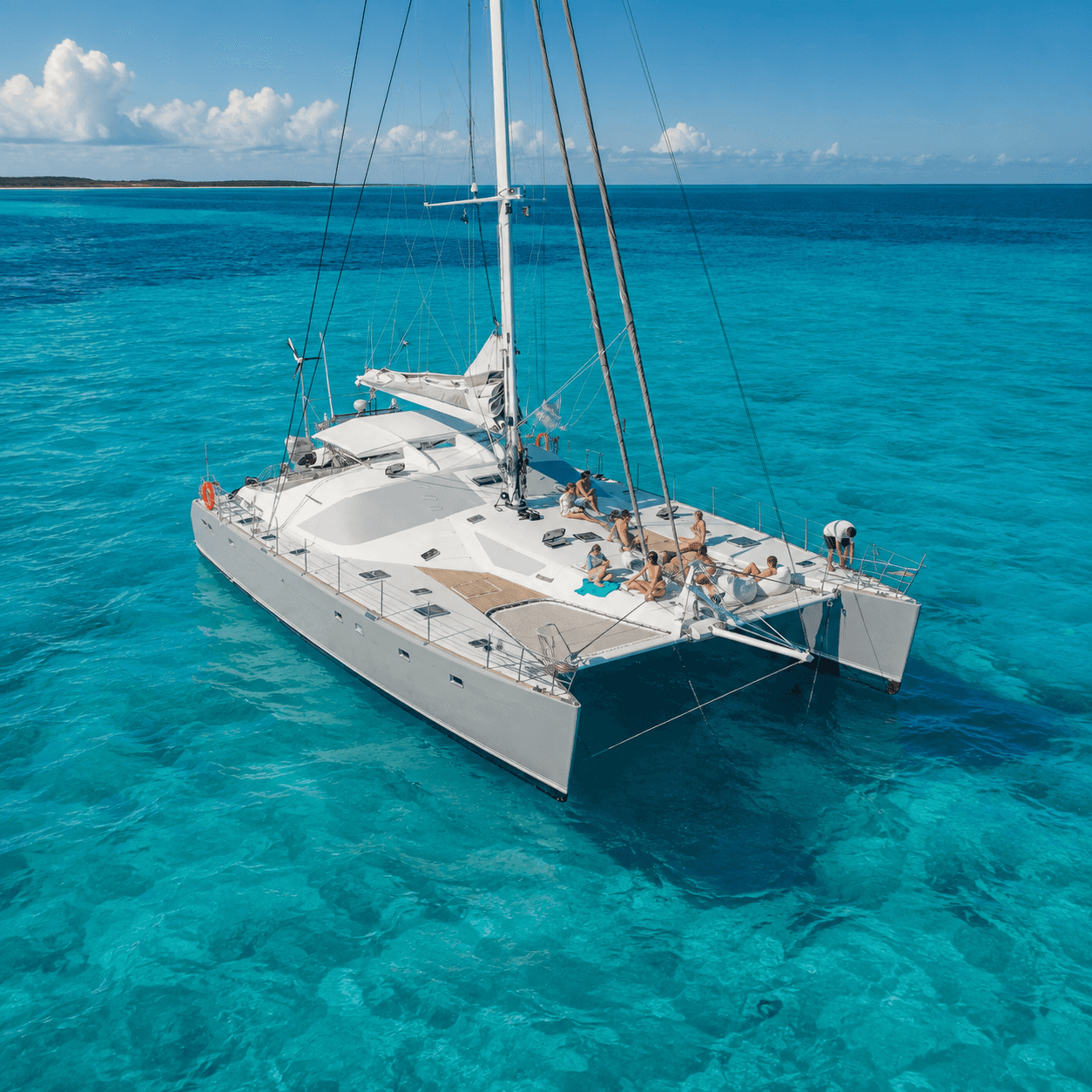
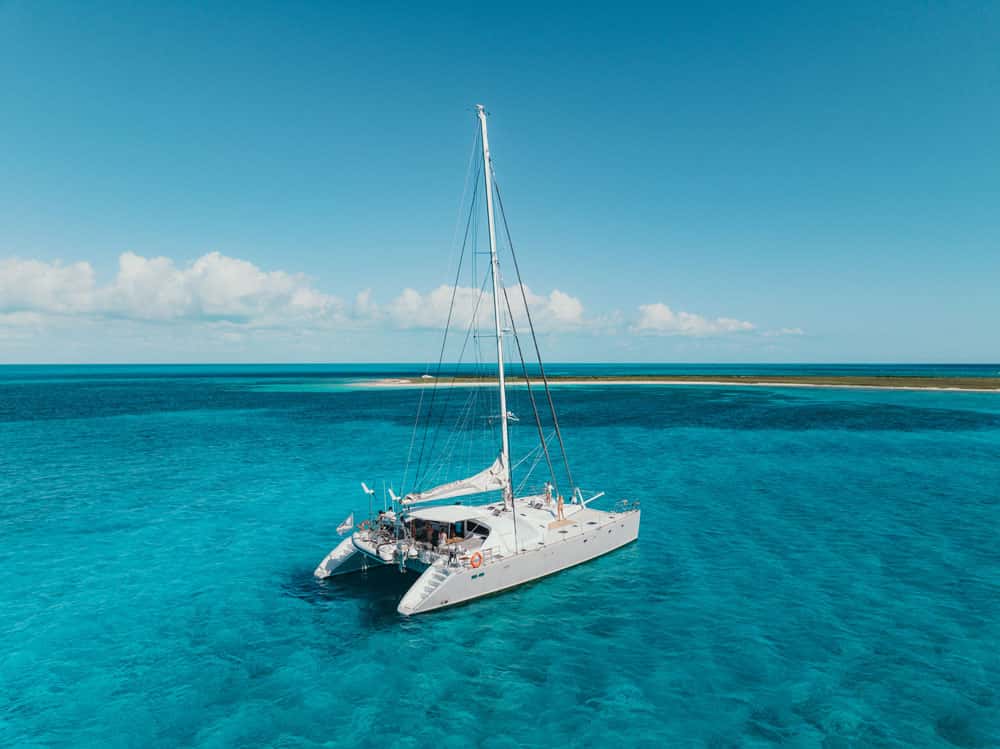
65' Ultra Lux Sailing Cat
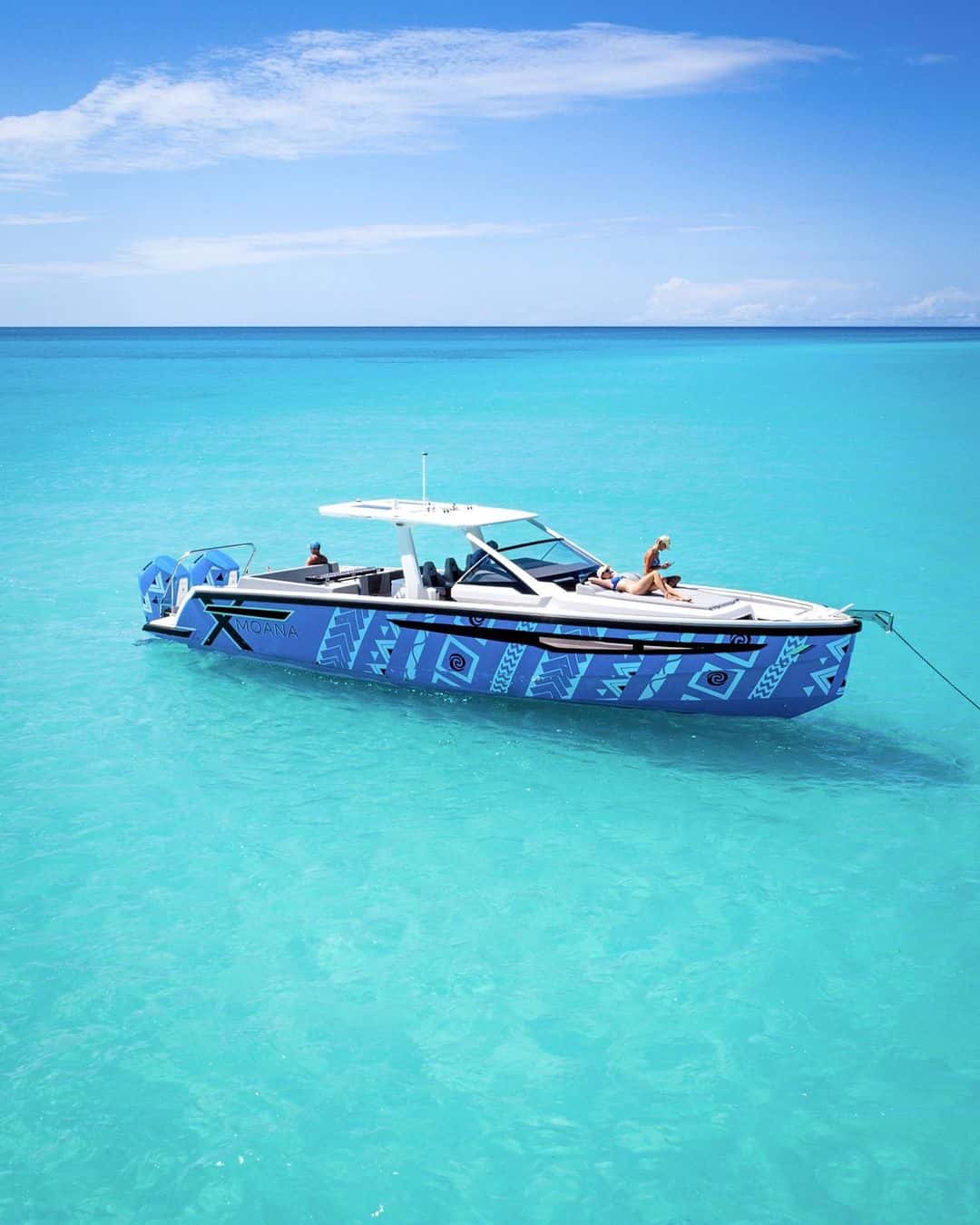
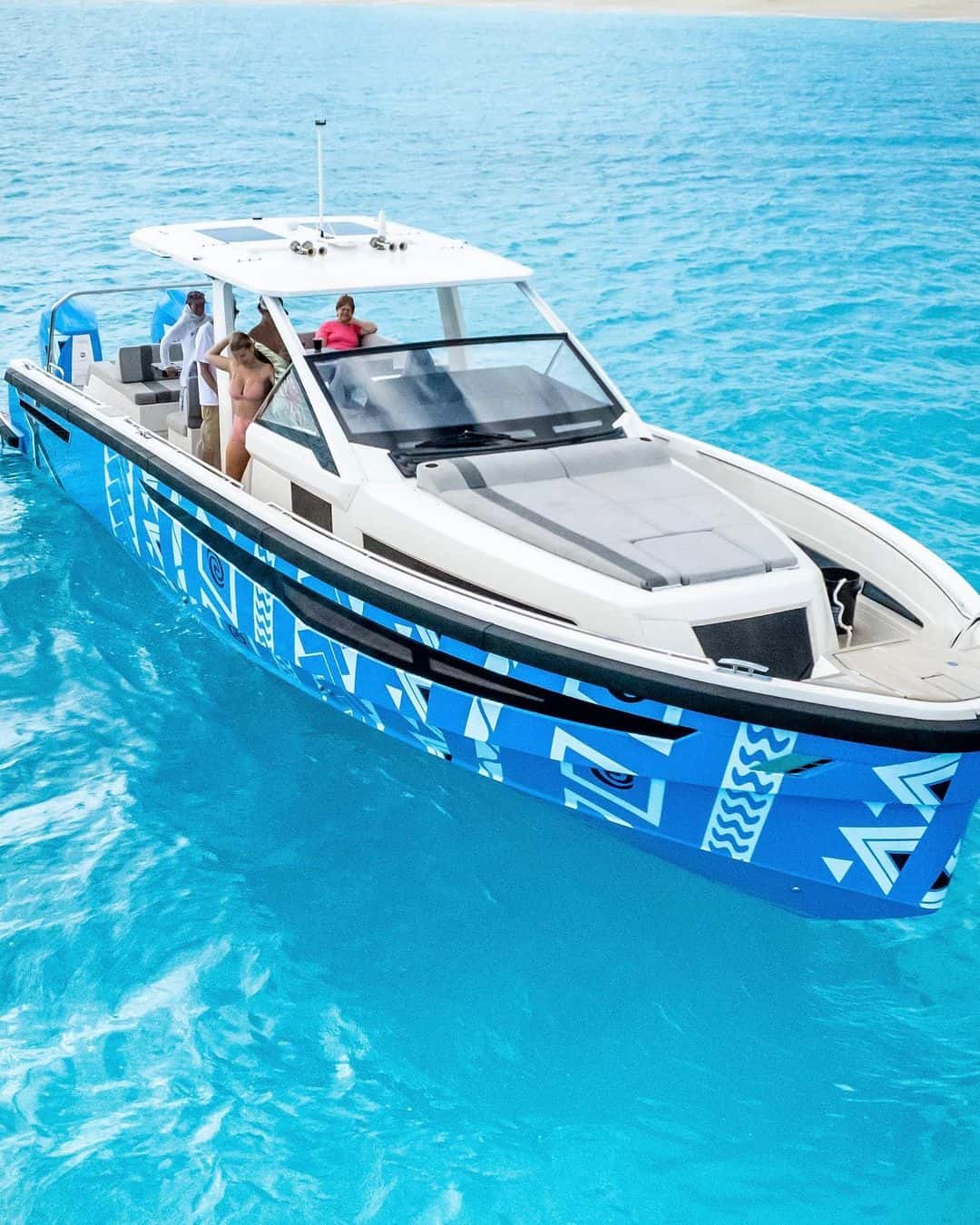
47ft Luxury Yacht Charter
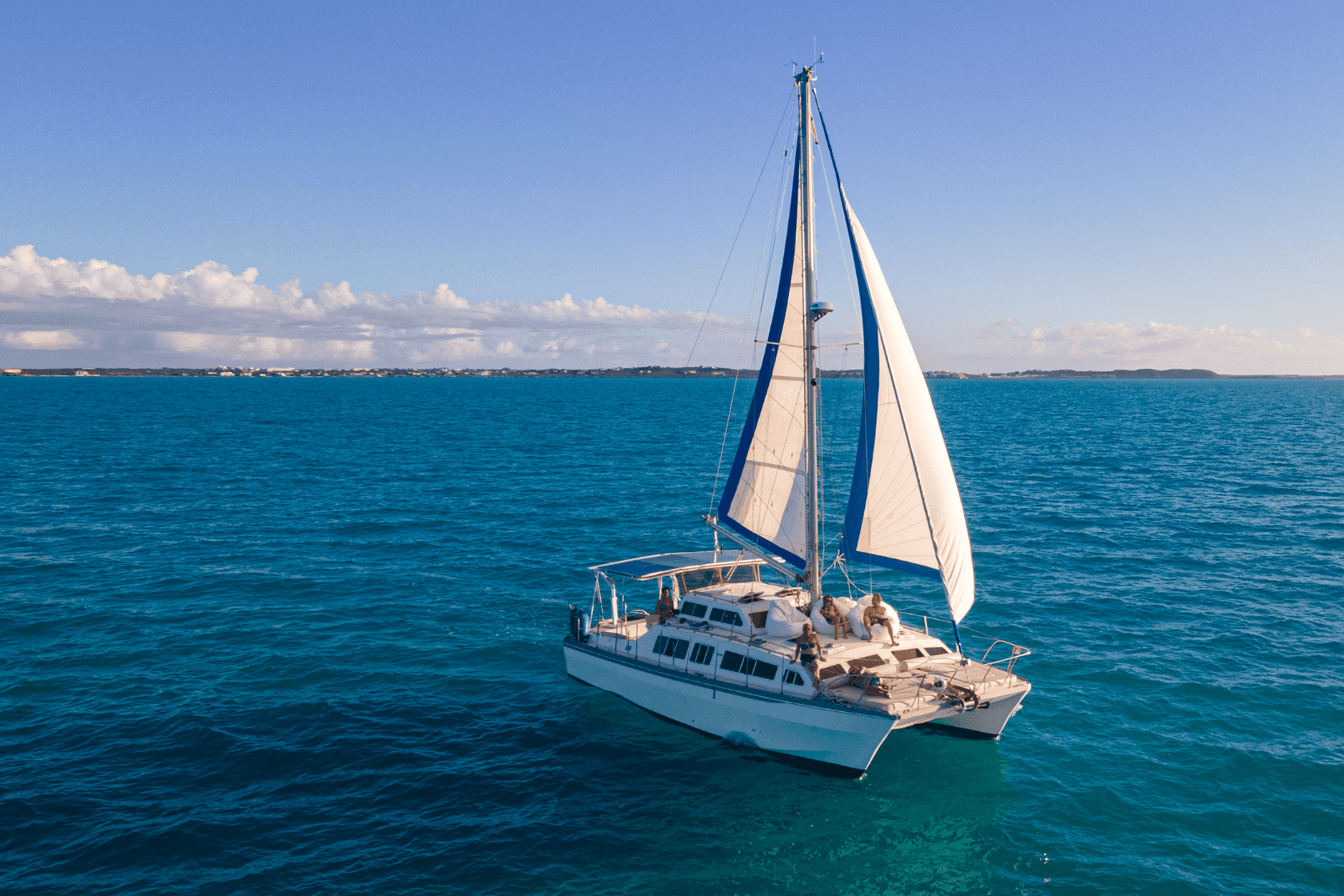
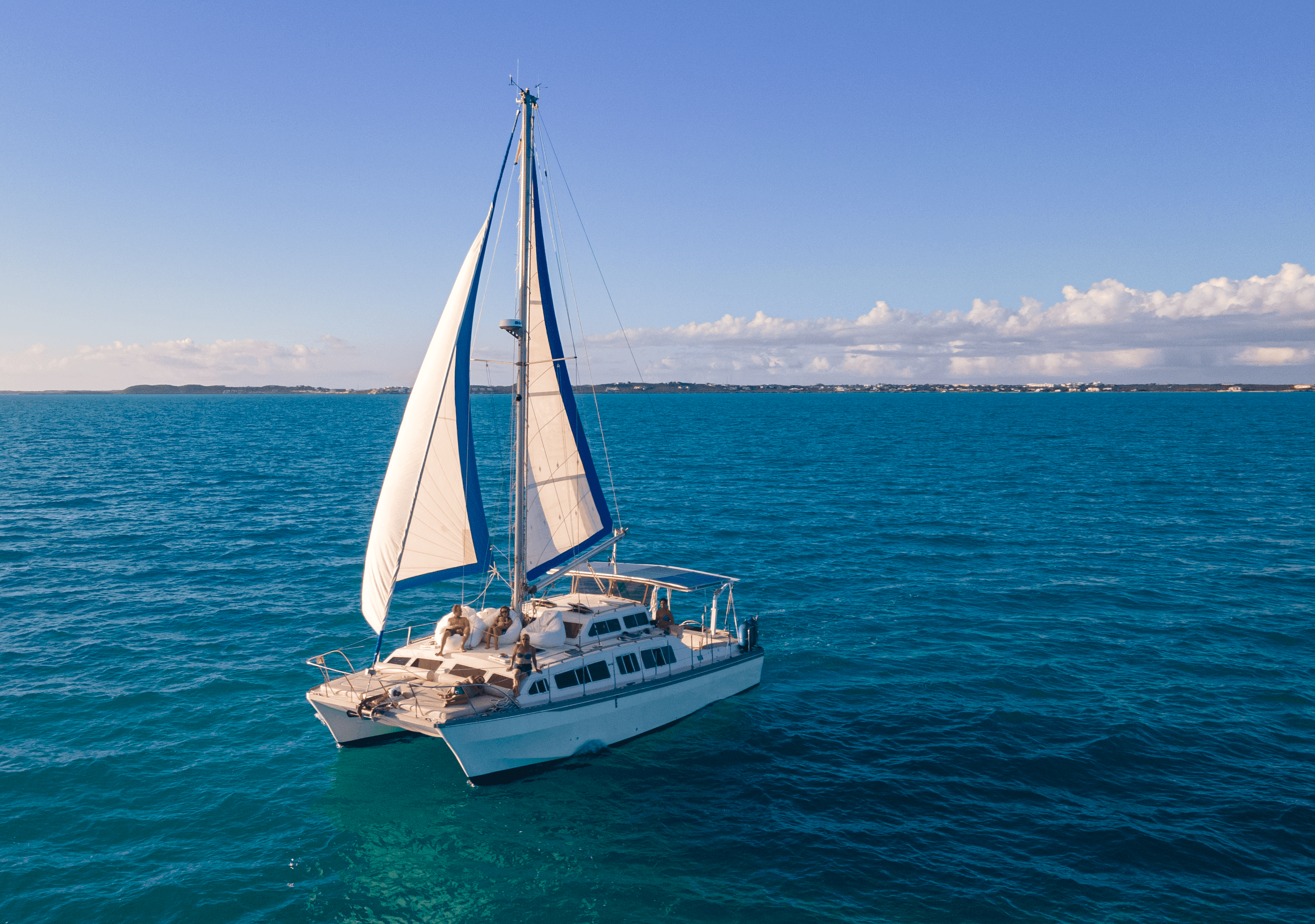
41ft Sailing Catamaran Charter
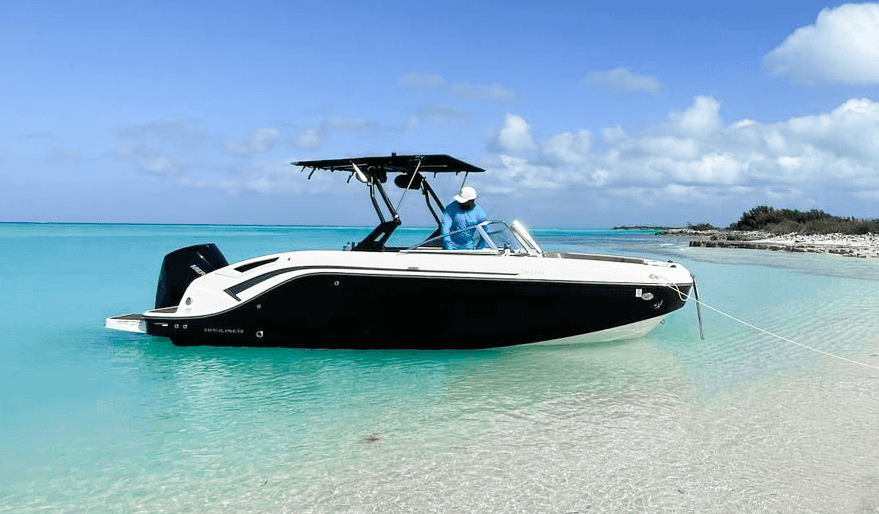
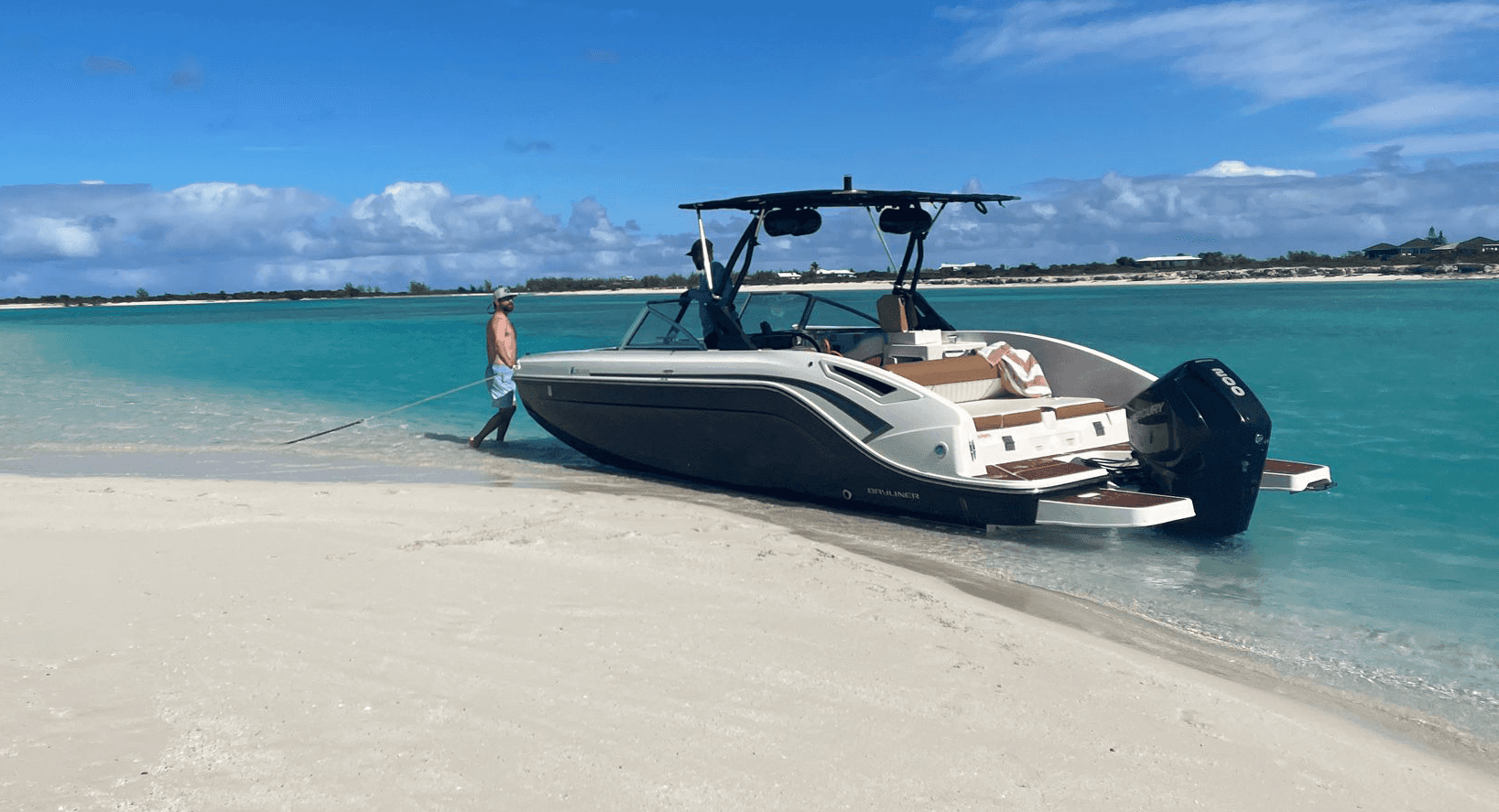
22ft Sports Cruiser Charter
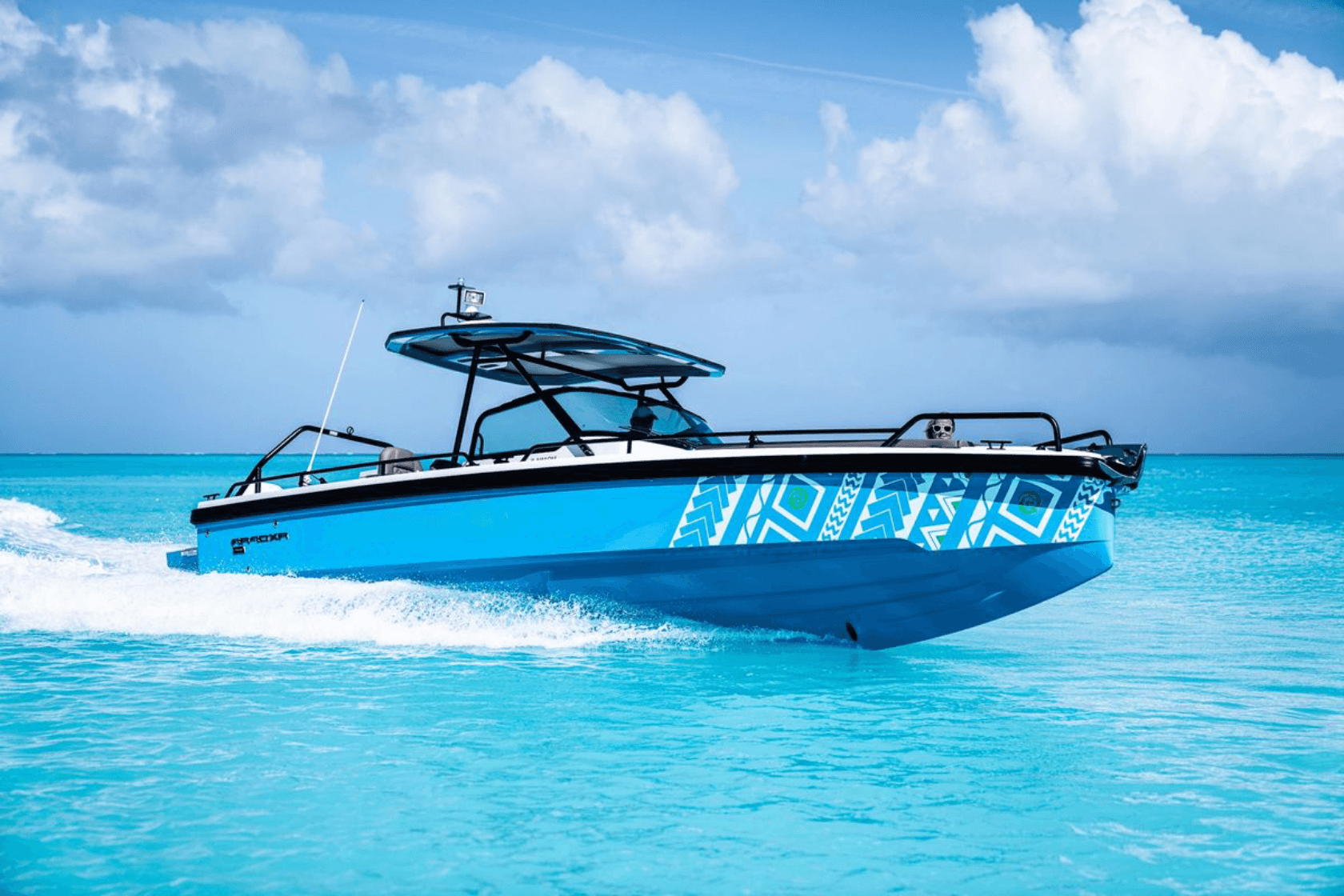
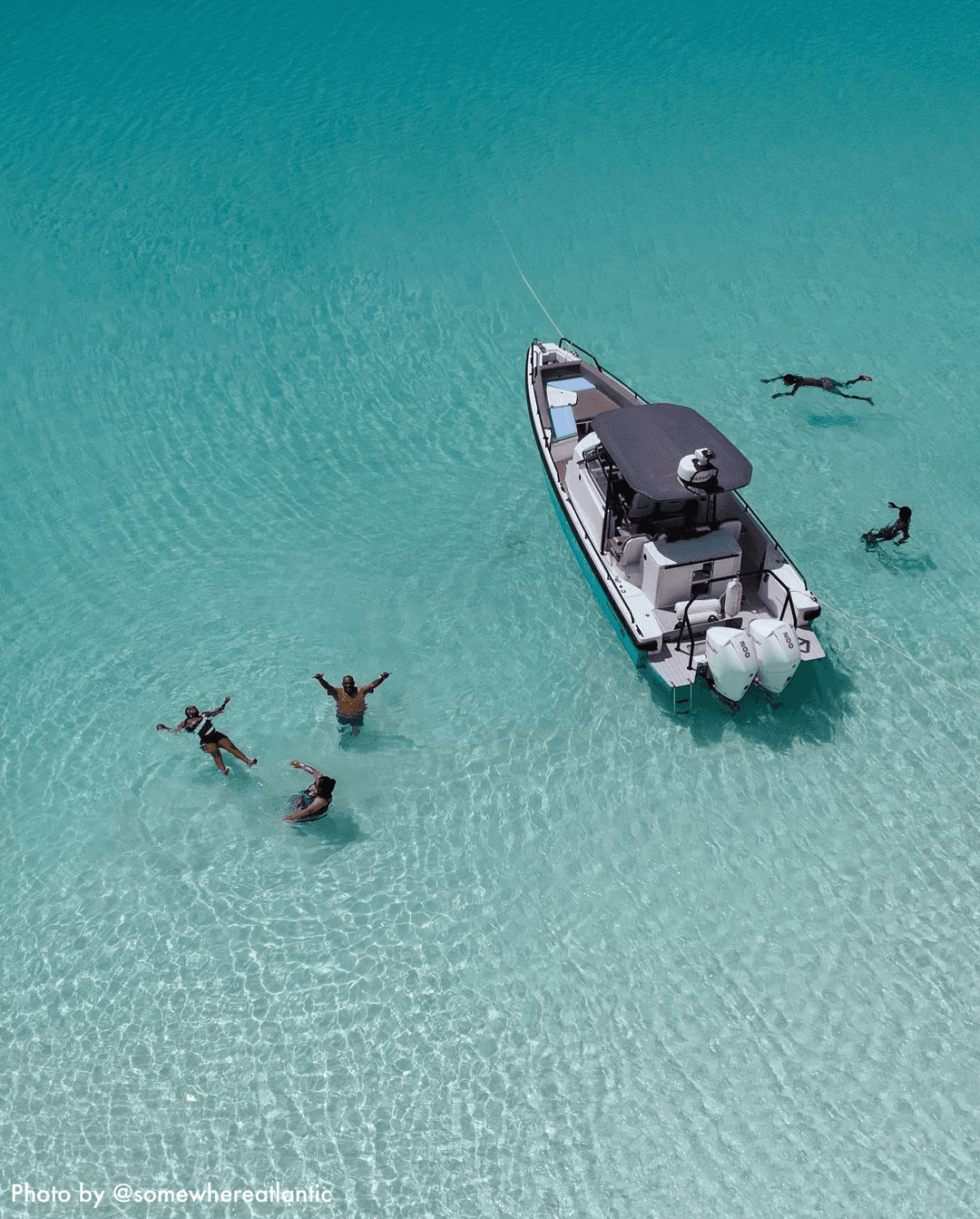
28ft Luxury Boat Charter
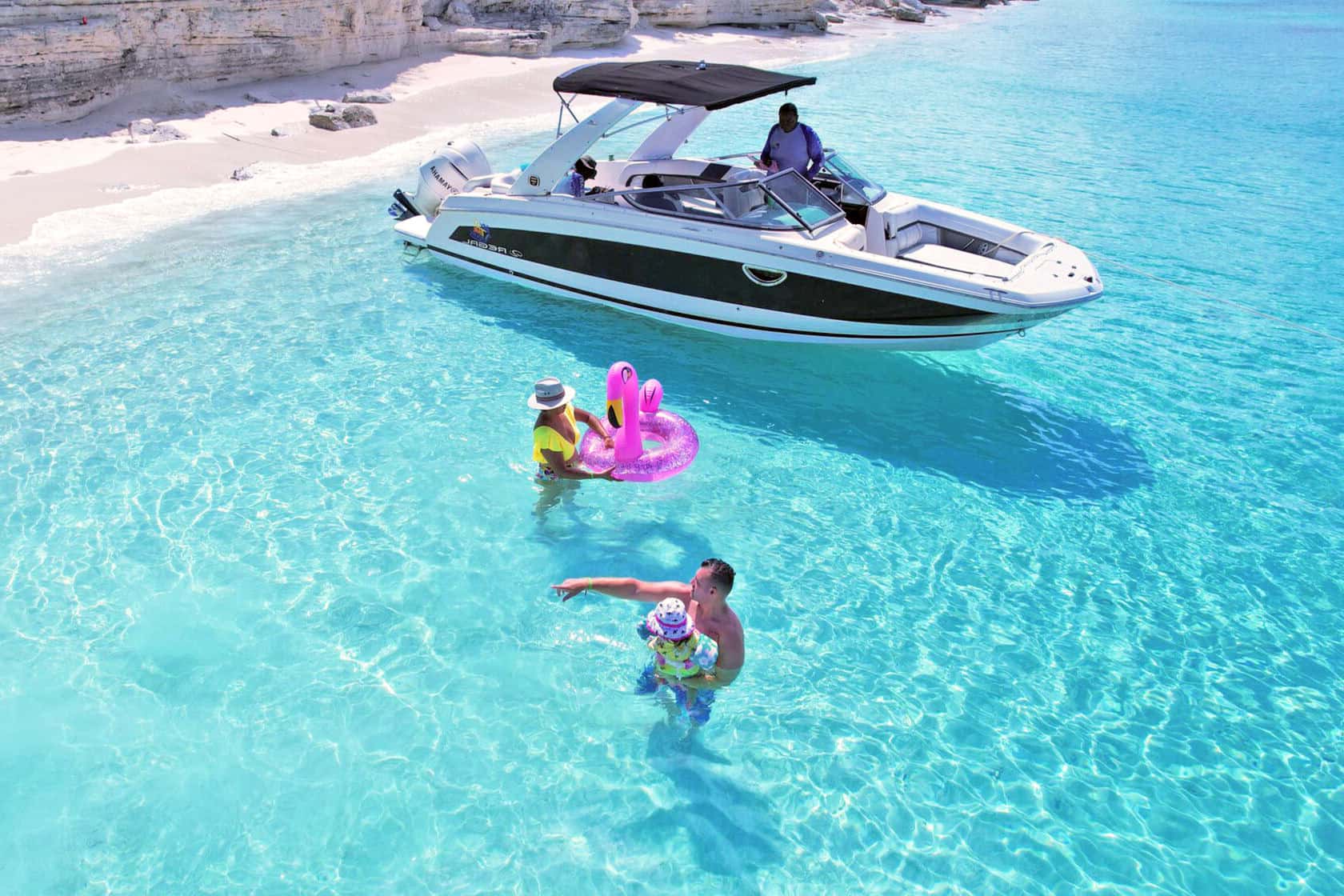
26ft Regal Charter
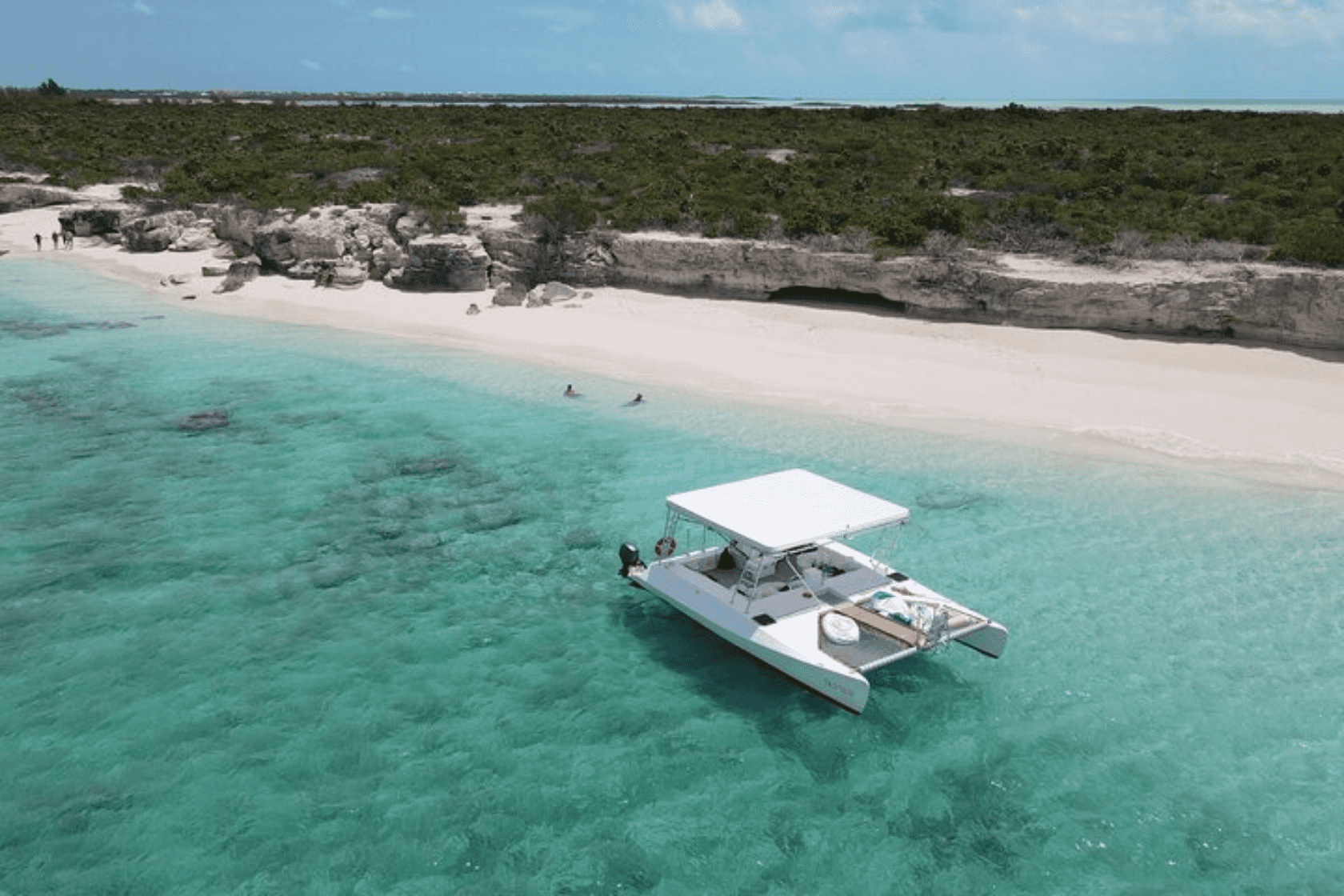
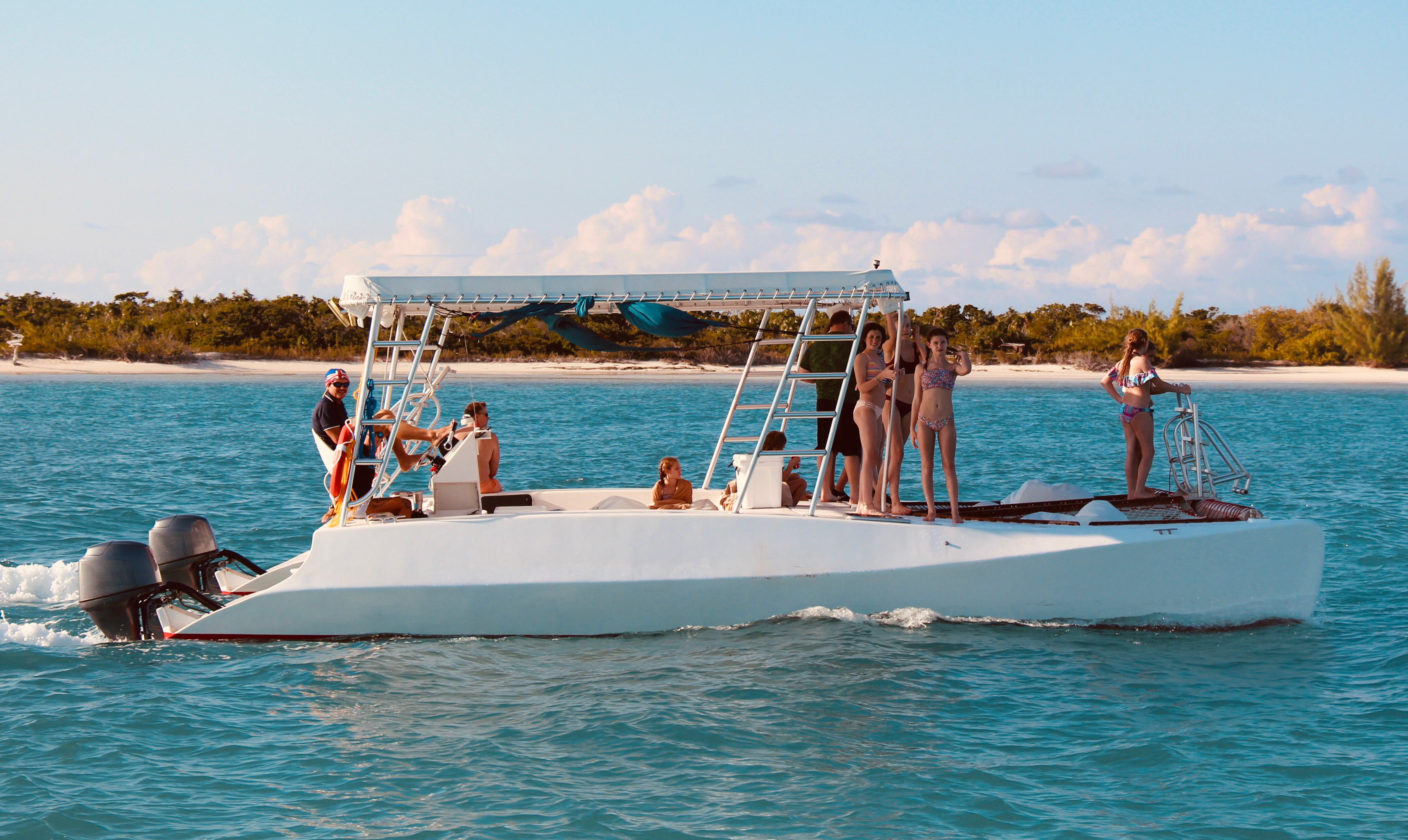
30ft Catamaran Charter
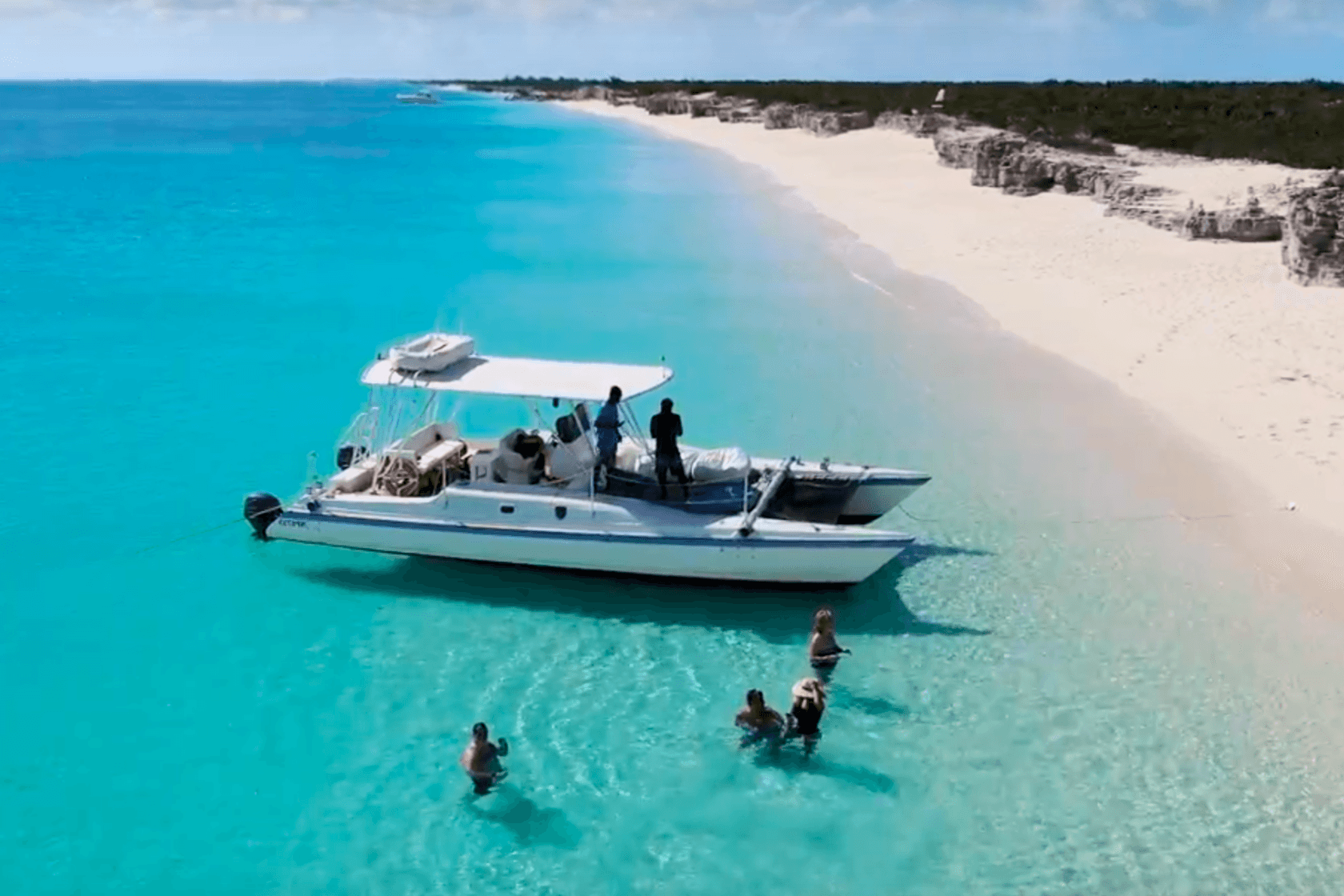
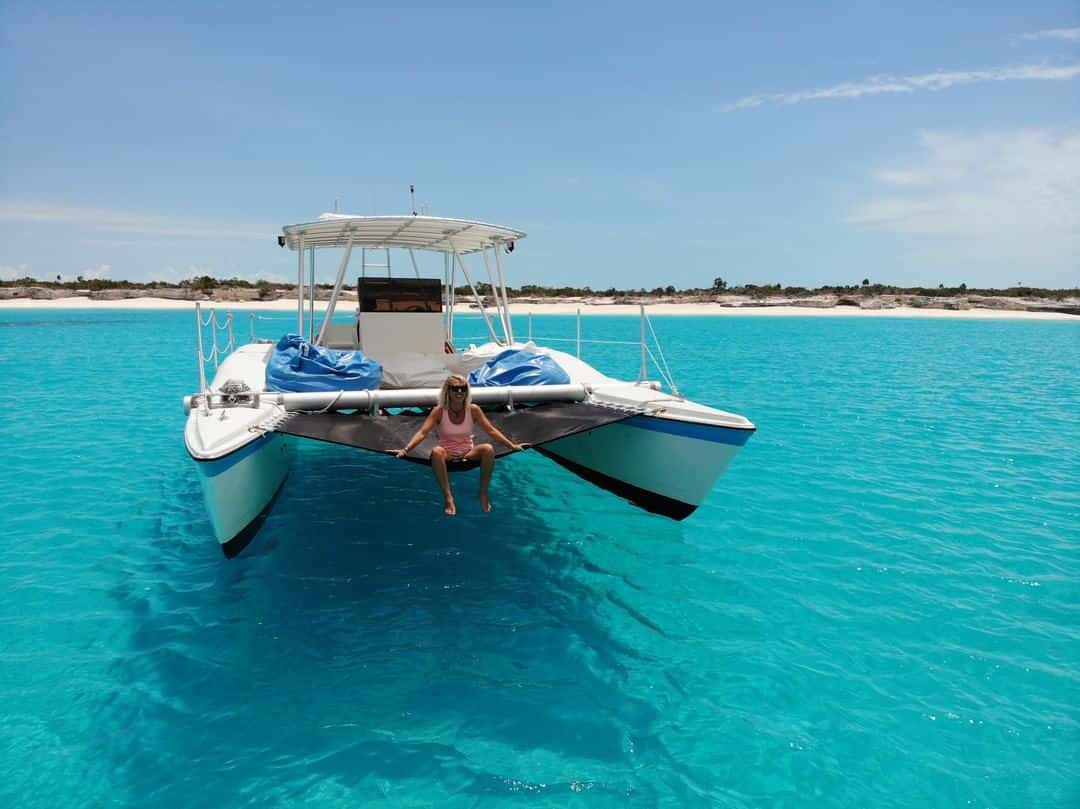
35ft Catamaran Charter
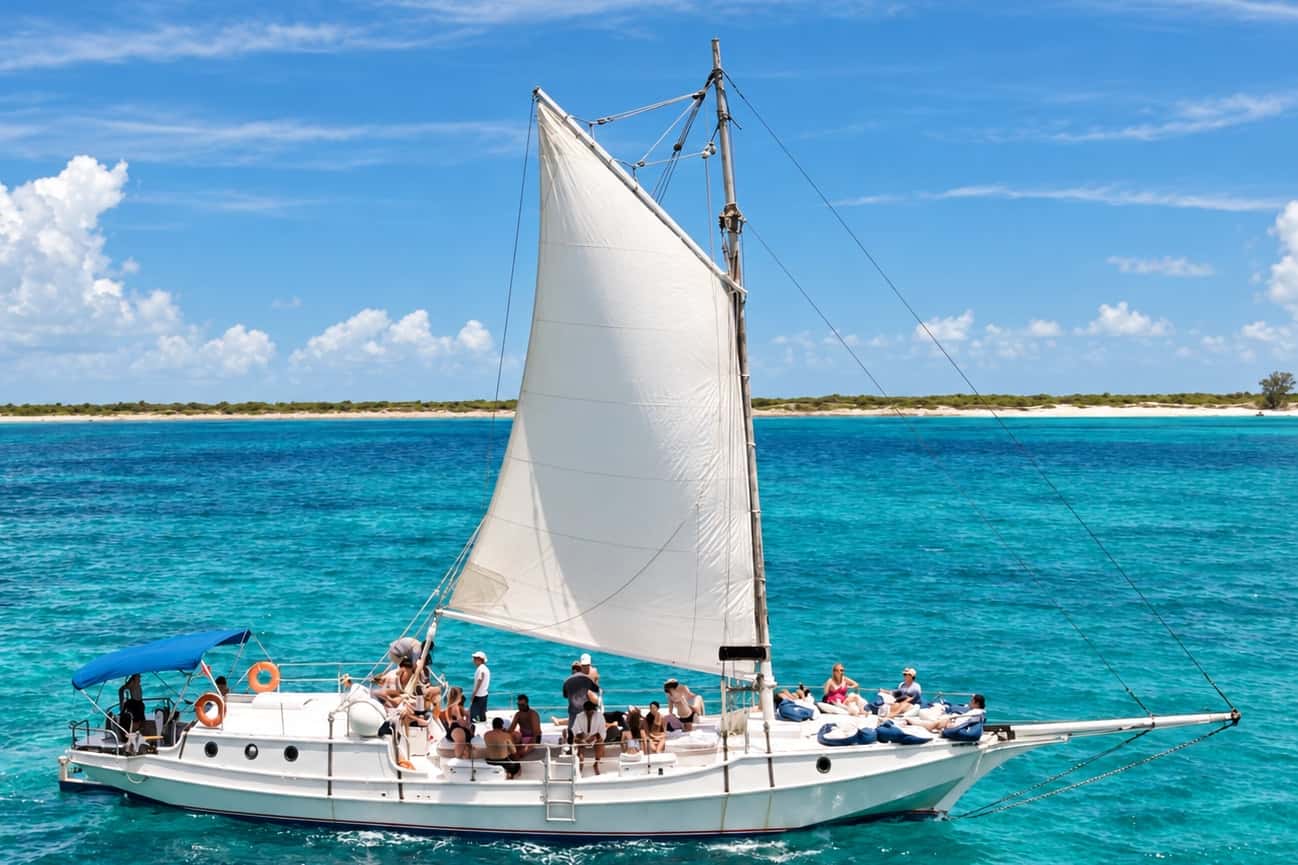
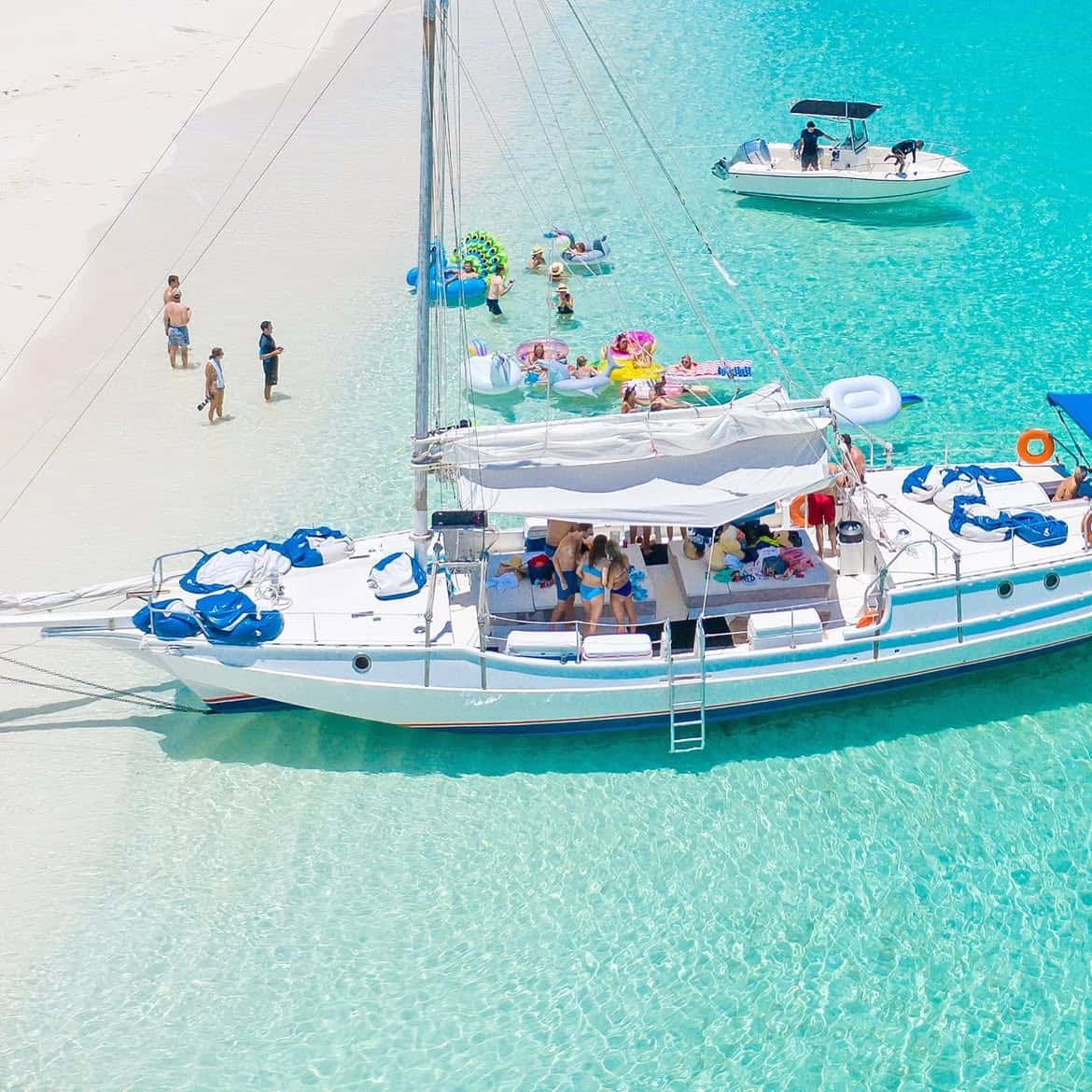
70ft Sailboat Charter
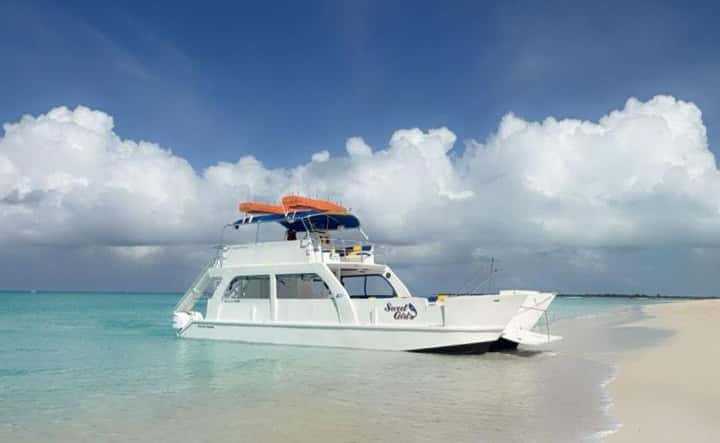
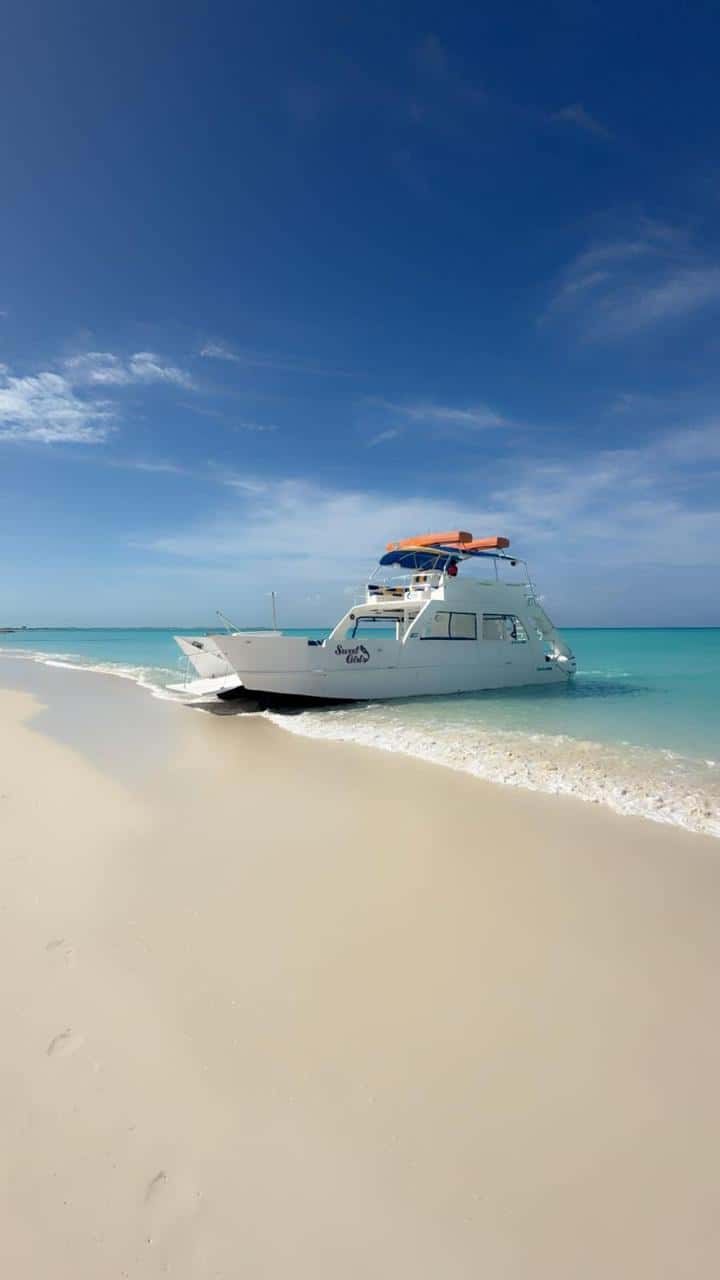
Adventure Boat XL Charter
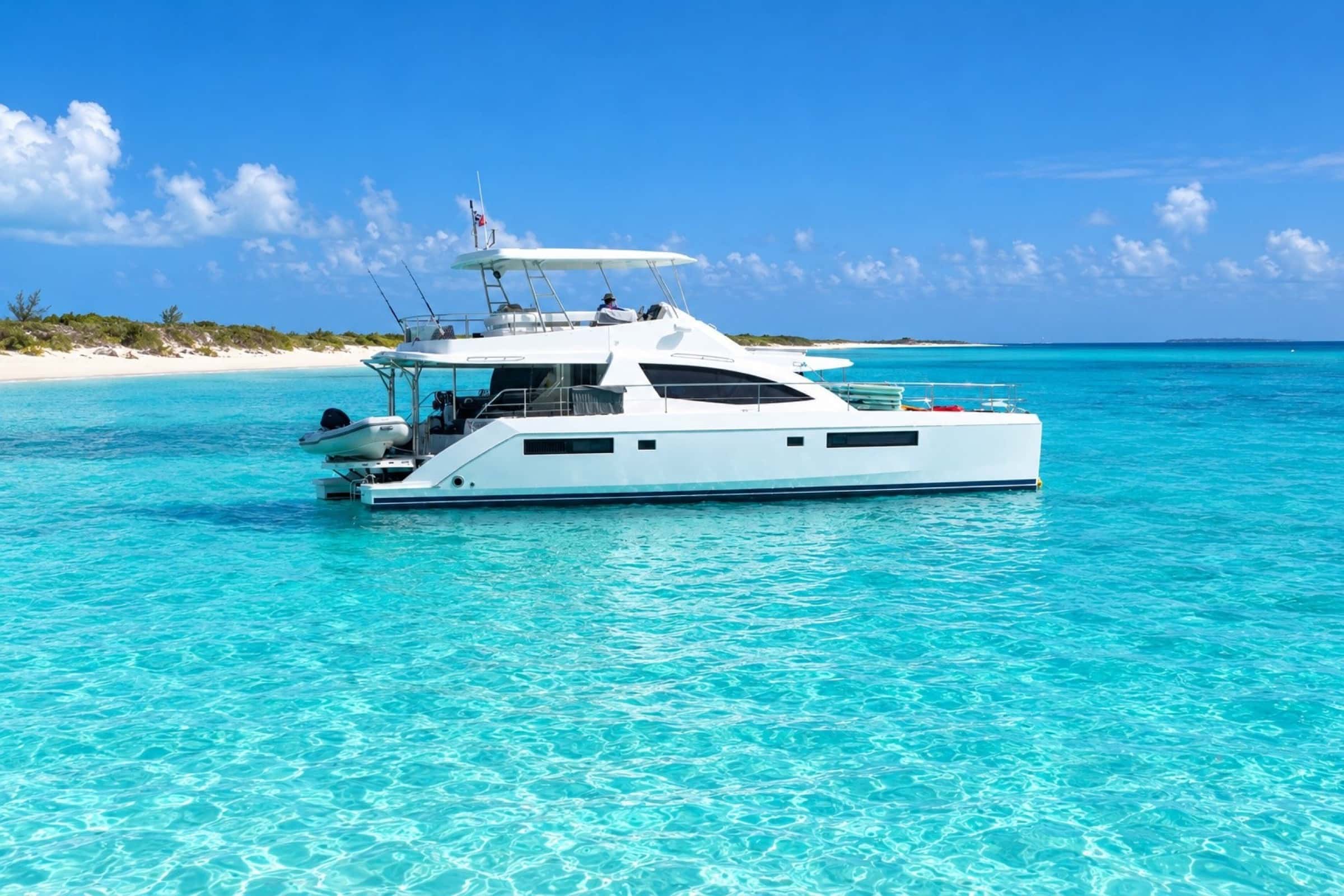
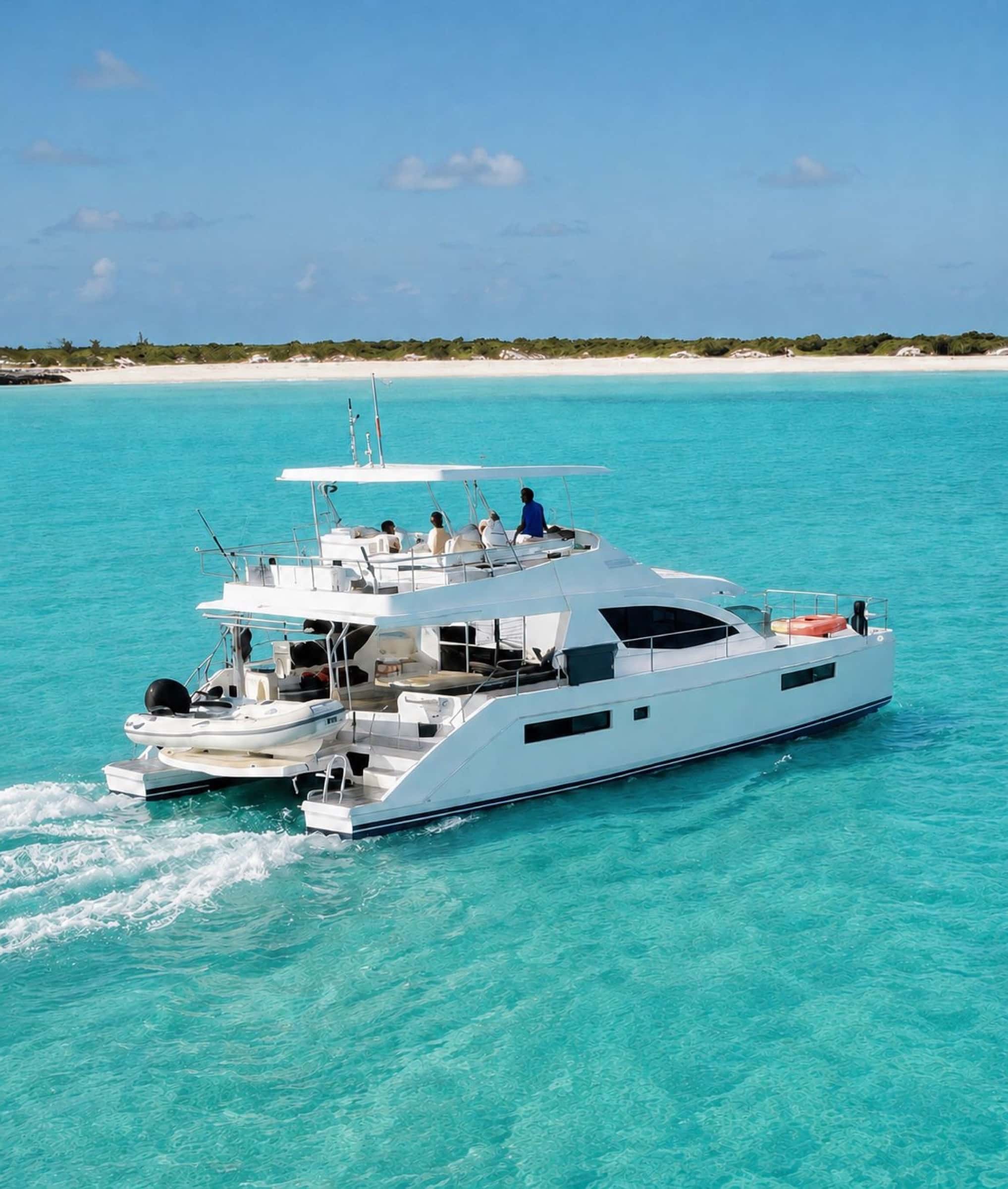
51ft Ultra Lux Powercat Charter
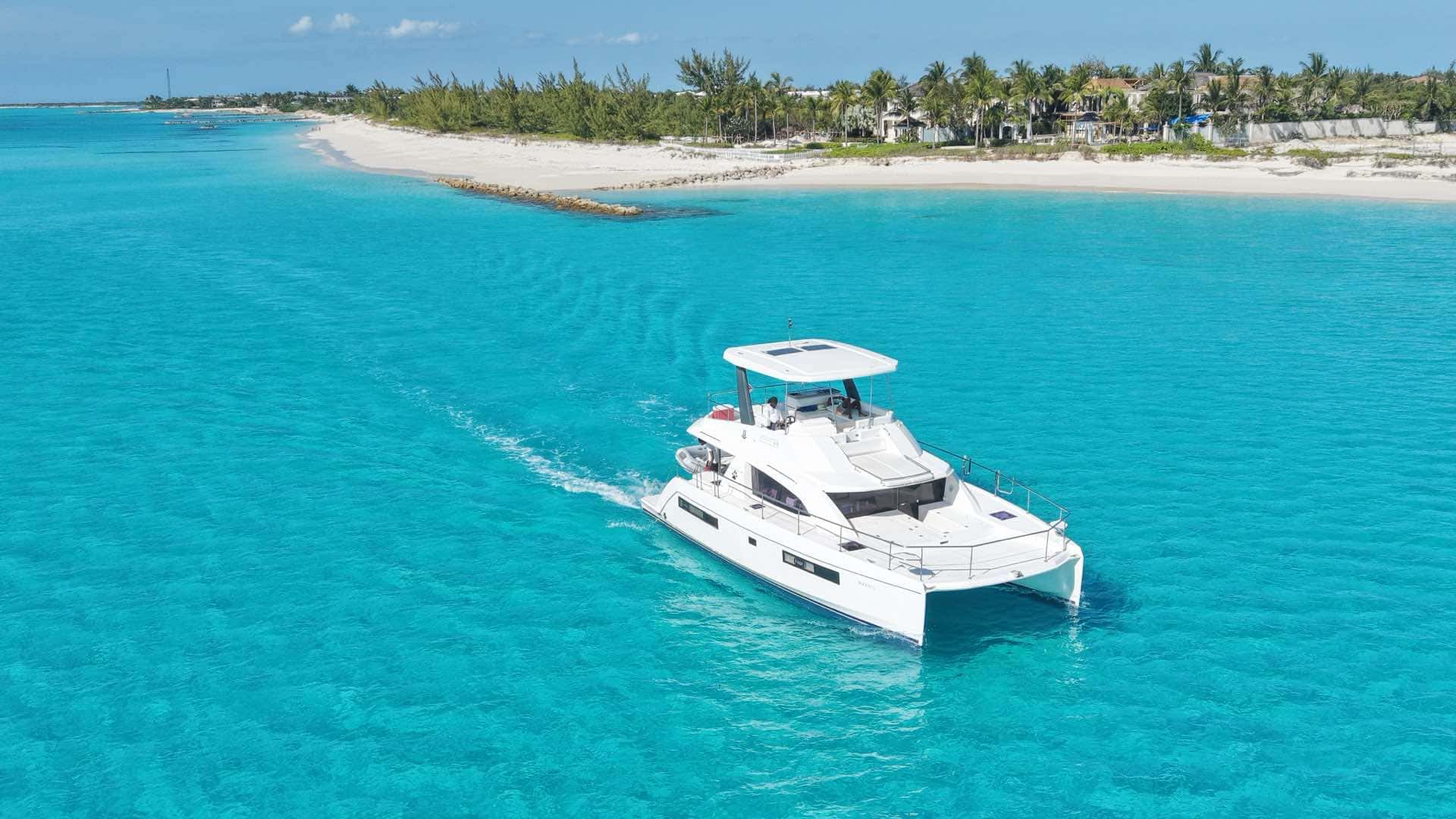
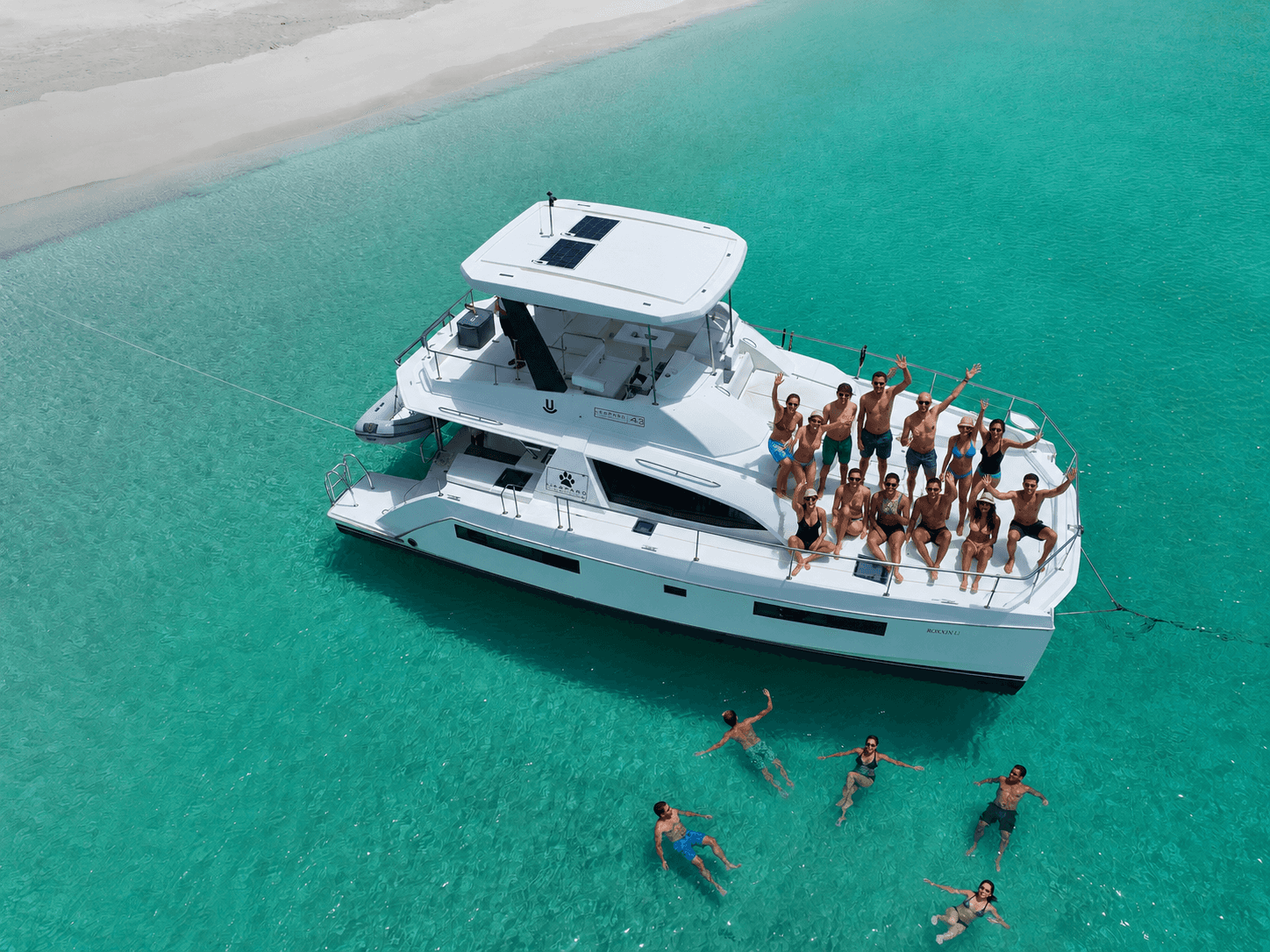
44' Luxury Catamaran Yacht
All-in prices, taxes and fees included. Checked Nov 6, 2026.
- Taxes included. The price you see is the price you pay.
- A deposit secures the boat. Every boat shows its free-cancellation window.
- Fast answers. Requests are confirmed within a few hours, nearly always the same day.