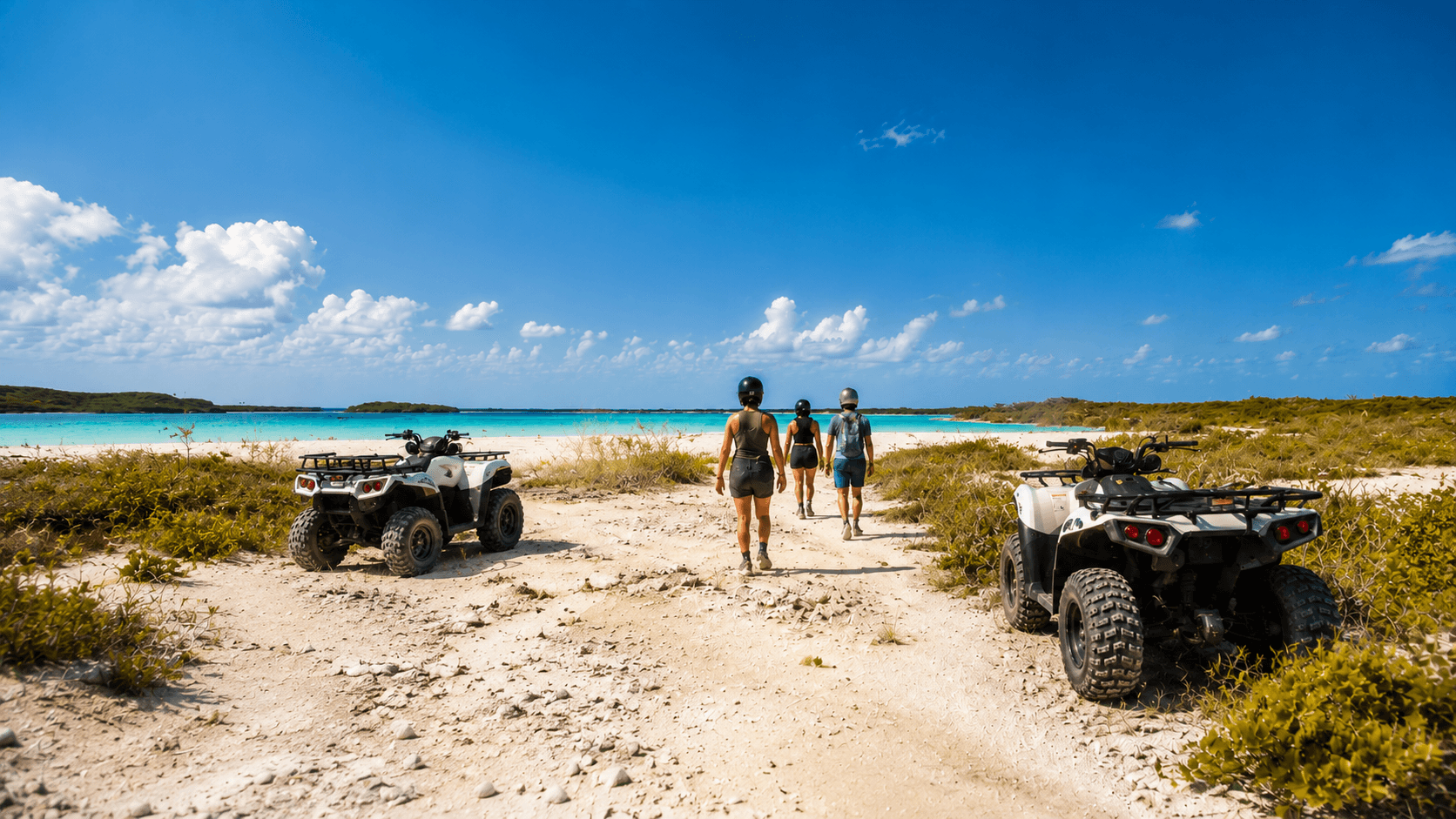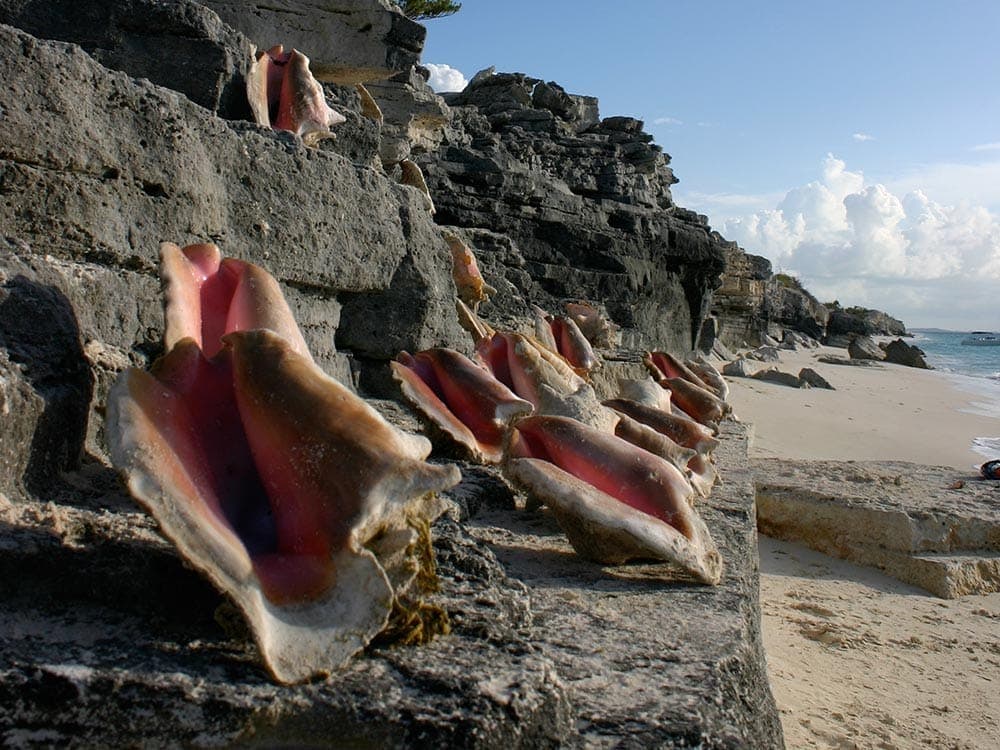
Few things make a child happier on a boat day than a sand dollar found in the shallows, and few souvenirs say Turks and Caicos like a queen conch shell, pink inside. The cays off Providenciales have both.
The catch is the law, and it’s stricter than most visitors expect. Nearly every famous beach on Providenciales sits inside a national park, where shells, sand dollars and even a scoop of sand stay put, and the country doesn’t treat shell collecting as a hobby to encourage. Here’s the honest version: where the shells are, the three you can legally fly home with, and how to make the hunt the best hour of a boat day without a conversation at the airport.
Sand dollars and shells at a glance
- Sand dollars: sandy shallows and the edges of the sandbars at low tide. Around Fort George Cay they’re plentiful, but it’s a national park, so they stay.
- Shells: the long beaches at low tide, from Long Bay and Malcolm’s Road on Providenciales to Dellis Cay, the country’s beachcombing favorite, by boat.
- What you can take home: up to three queen conch shells, each at least 7 inches long, without a permit.
- What stays: anything alive, all coral, and anything from a park, reserve or historic site.
- Best time: low tide, when the flats and sandbars are uncovered.
- Best for kids: the Seaside Scavenger Quest, a three-hour group tour priced per person, so it costs a family far less than a private boat.
1. Sand dollars
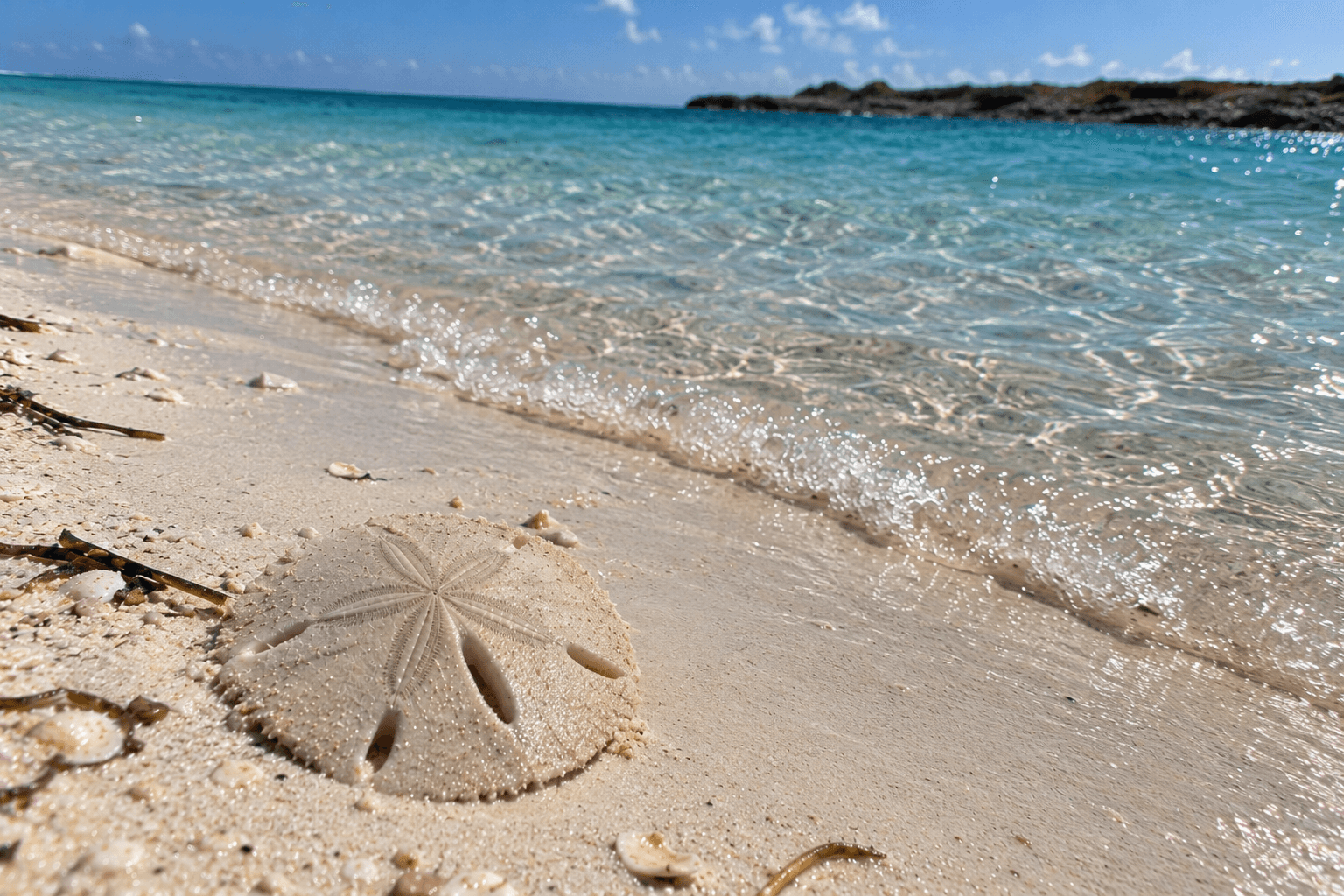
A sand dollar is a flat, burrowing cousin of the sea urchin, and the white disc you see in shops is its skeleton. Alive, it lives just under the surface of clean sand in calm, shallow water, and in the Caicos Cays they turn up in the sandy shallows, on the edges of the sandbars and along the flats behind the outer cays.
Look before you lift. A live sand dollar is brown, purple or reddish, covered in a coat of tiny velvety spines you can see moving if you rest it in your palm for a minute, and it may leave a harmless yellow stain on your skin, a pigment called echinochrome. A dead one is a bare skeleton, smooth and bleached white or silver-gray by the sun. No yellow doesn’t prove it’s dead; yellow proves it’s alive.
Why it matters: every bleached disc on a souvenir shelf started as a live animal, and a live one taken home is a dead one. Put it back on the sand, under water, where you found it.
Low tide is the time to look, when the sandbars stand clear of the water and you can walk the edge of the flats. Sand dollars sit just under the surface of clean sand, so you often see the outline first, a faint five-petal star, before you see the disc.
Fort George Cay is a national park, so even the white ones stay on its beach. Take the photo instead. For the sandbars themselves, see Half Moon Bay and the sandbars.
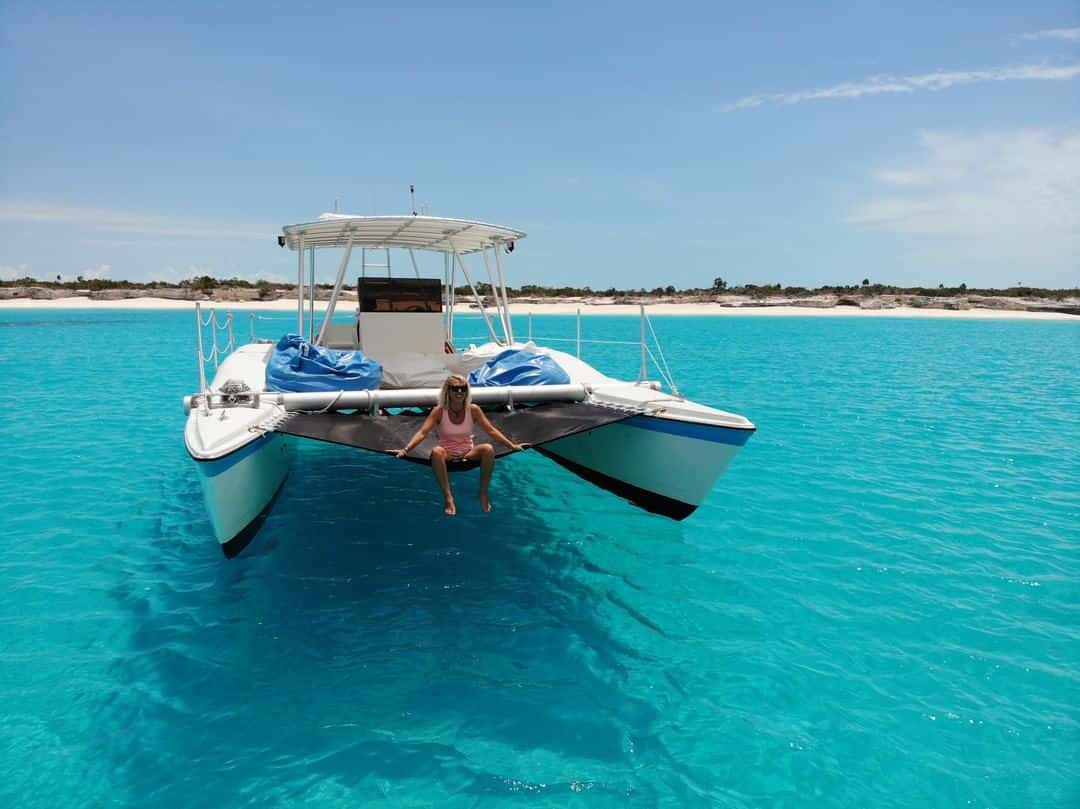
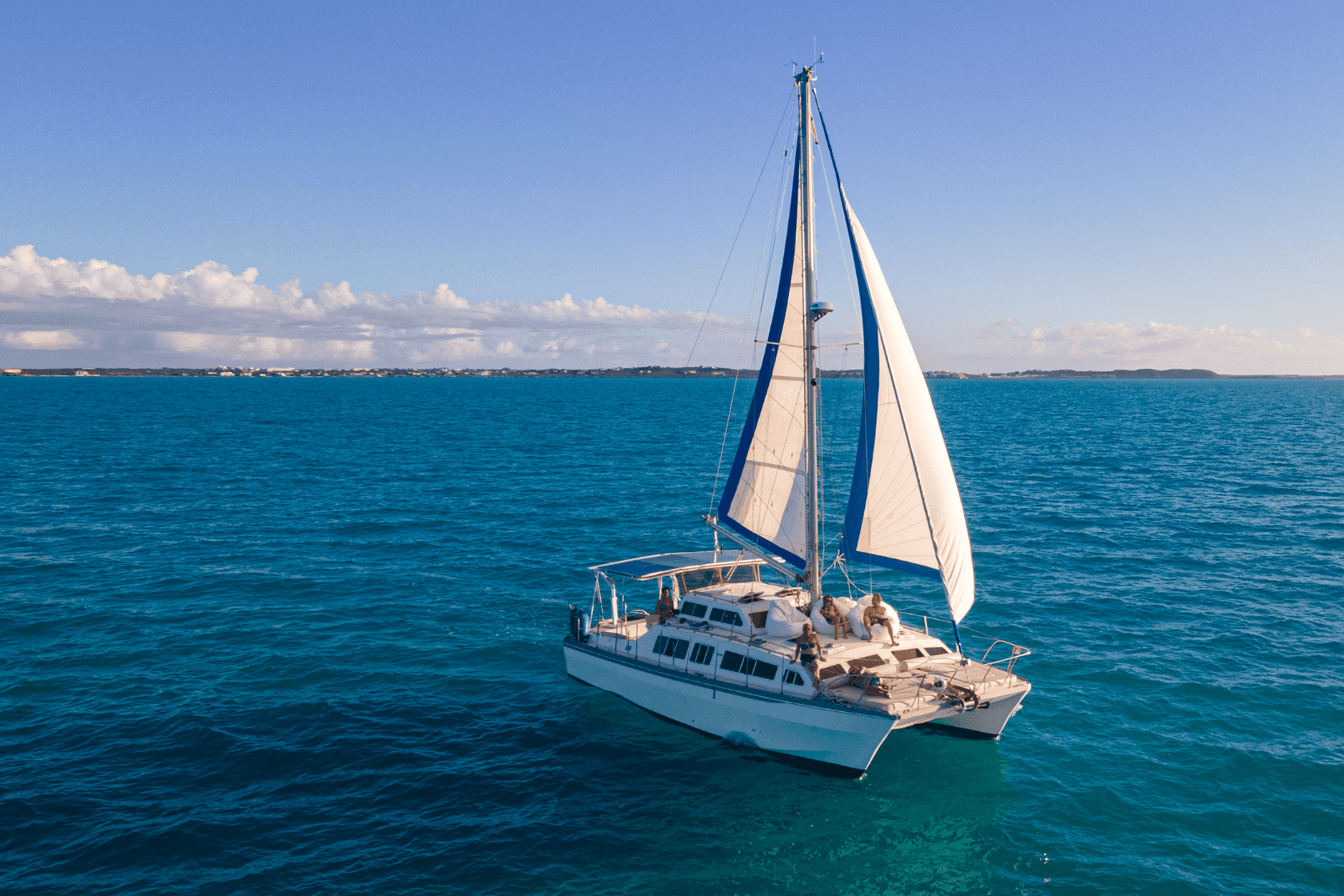
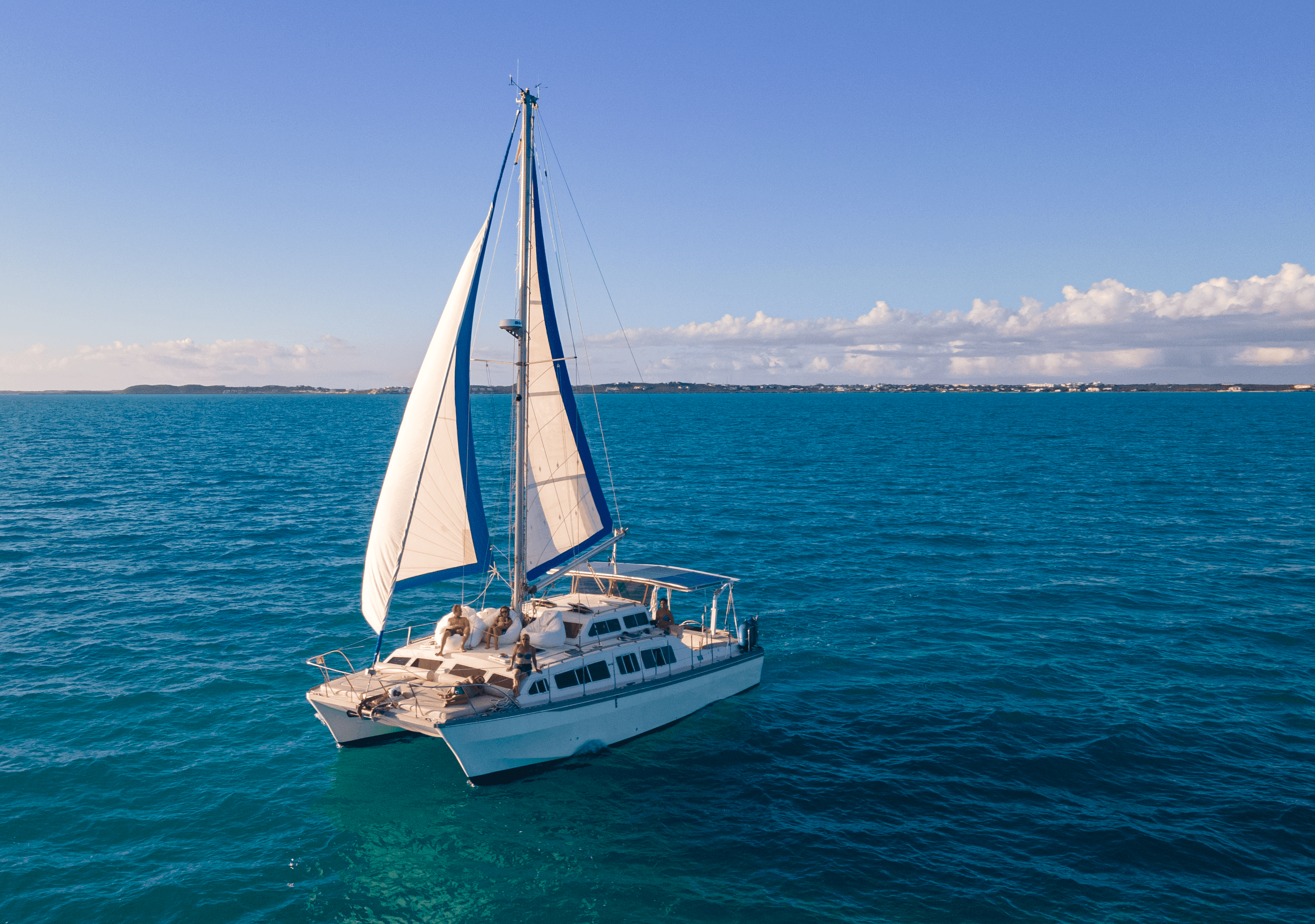
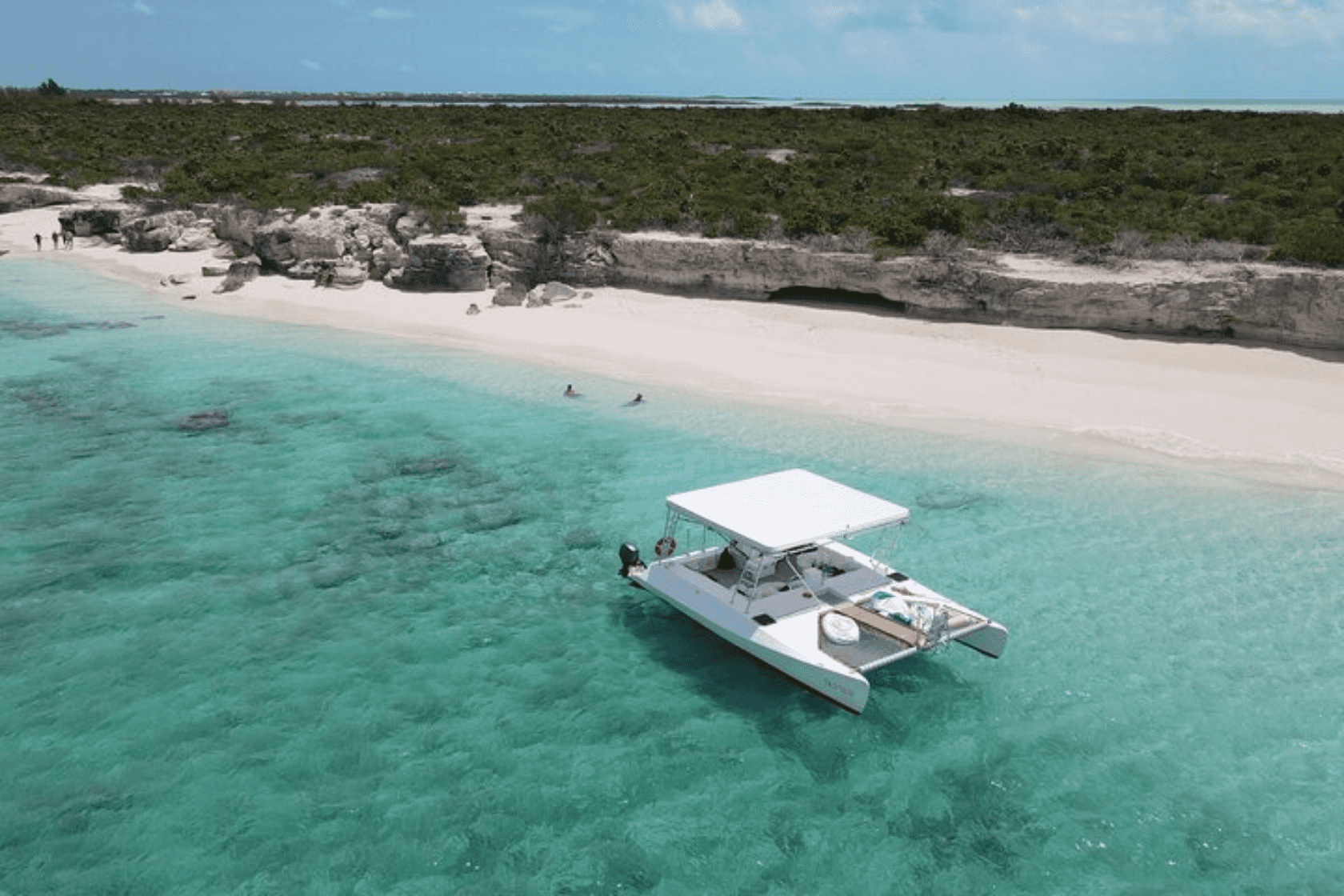
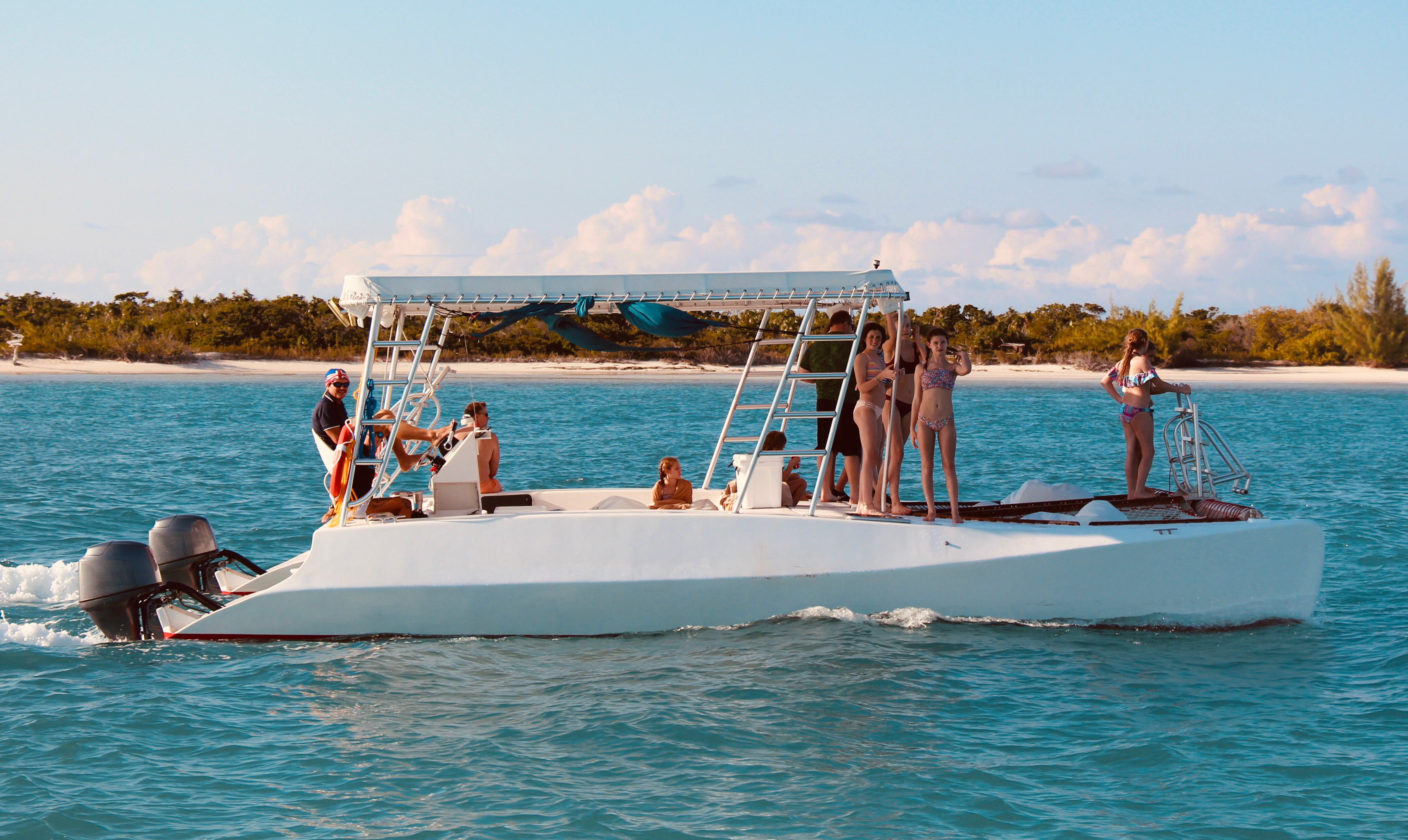
Catamarans to Fort George Cay

2. Seashells, and where to look
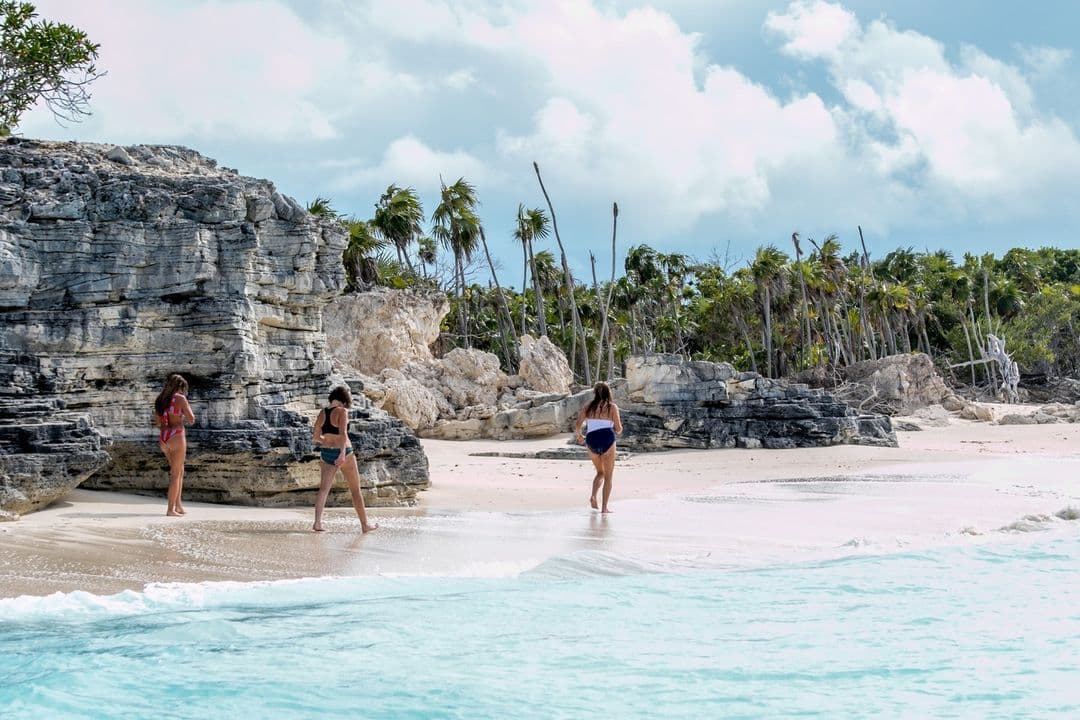
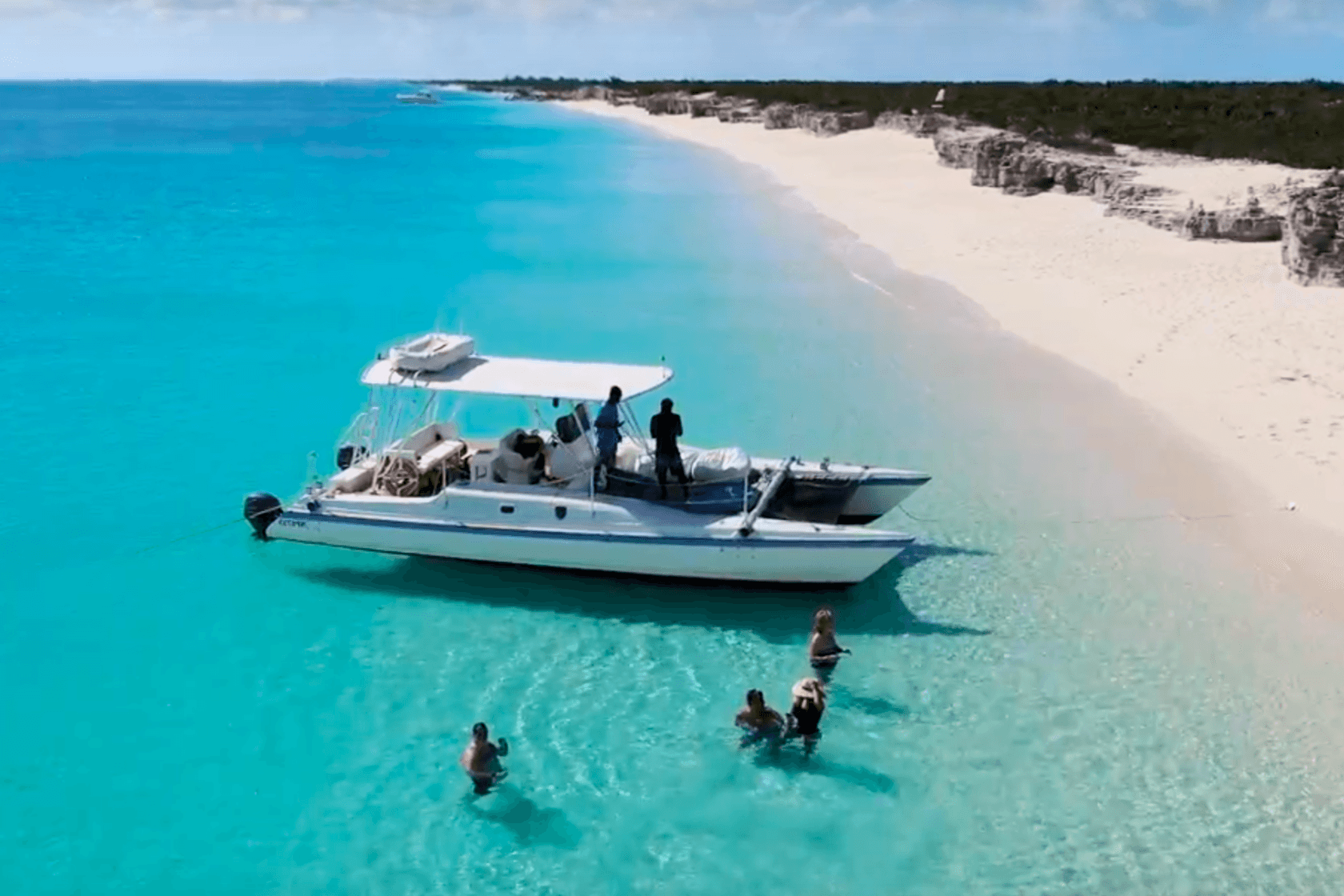
Dellis Cay, an uninhabited island between Pine Cay and Parrot Cay, has a reputation as one of the best beaches in the country for beachcombing. The sandy spit off Fort George Cay’s western point is another good place to look, though it’s inside the park, so what you find there stays.
Beaches you can walk
You don’t need a boat to go looking. Low tide is the time, wherever you are:
- Grace Bay: the easiest walk on the island and lovely for looking, but it’s inside Princess Alexandra National Park, so everything stays on the sand.
- Long Bay: wide, shallow and wind-combed on the south-east side of the island, with ridged sand patterns and flats laid bare at low tide.
- Malcolm’s Road: a lonely west-coast beach at the end of about 5 km of rough dirt road near Wheeland, best walked at low tide. There are no facilities, so bring water.
- Taylor Bay and Sapodilla Bay: calm, knee-deep south-coast bays near Chalk Sound. Taylor Bay’s sandy shallows are home to small gray sea stars, and at Sapodilla Bay low tide raises little sandbars just offshore. Sea stars are protected: look, don’t lift.
- By boat: Dellis Cay, and the sandy spit at Fort George Cay, in the cays east of Providenciales.
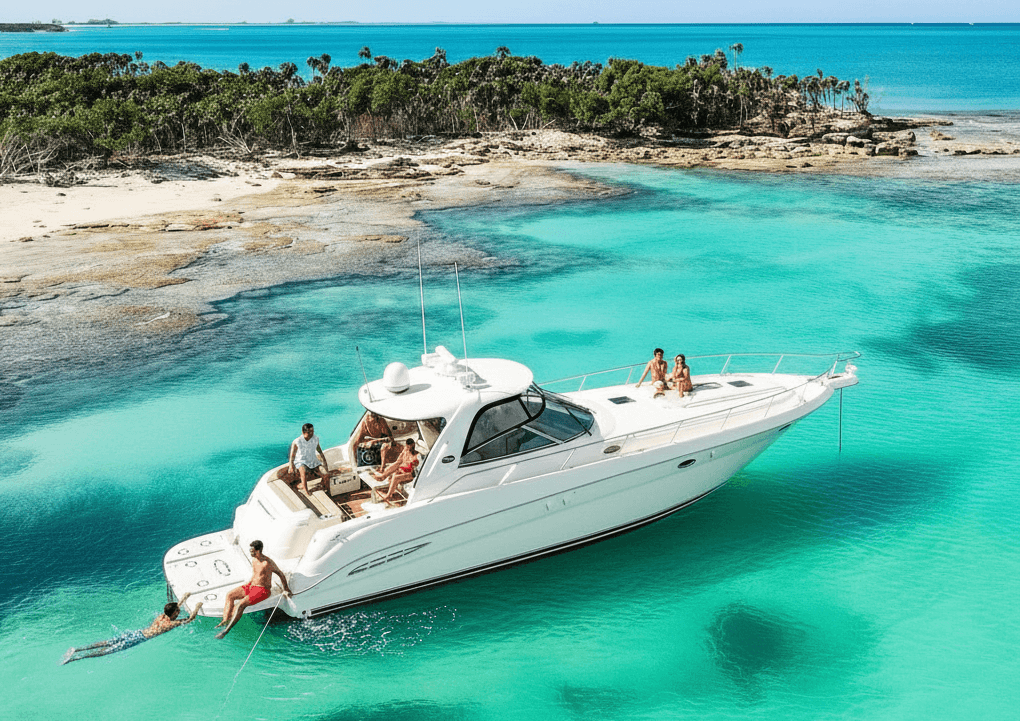
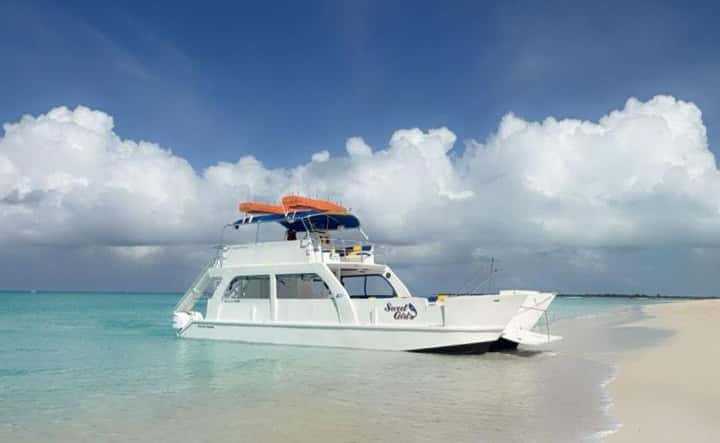
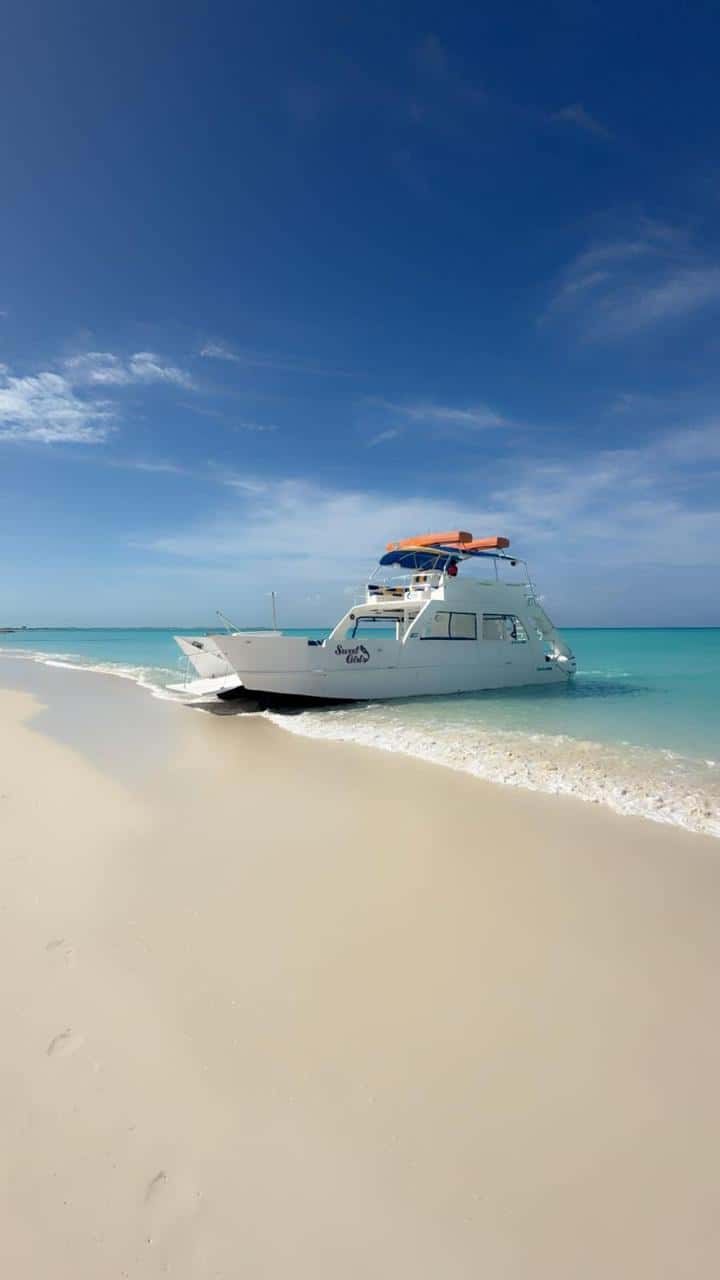
Several private charters list shell collecting among their activities, and on a private boat the stops are yours to plan. Ask your captain which beaches lie outside the parks, and plan to look far more than you take.
What turns up depends on the shore. Long sandy beaches give small tellins, olives and tiny conchs; beaches near the barrier reef are where cowries and tritons wash in; the bays and grass flats are conch country. Dellis Cay’s beach wraps its northwest point below the shell of a resort abandoned in 2008, and the island is slated for a new hotel, so walk it empty while you can.
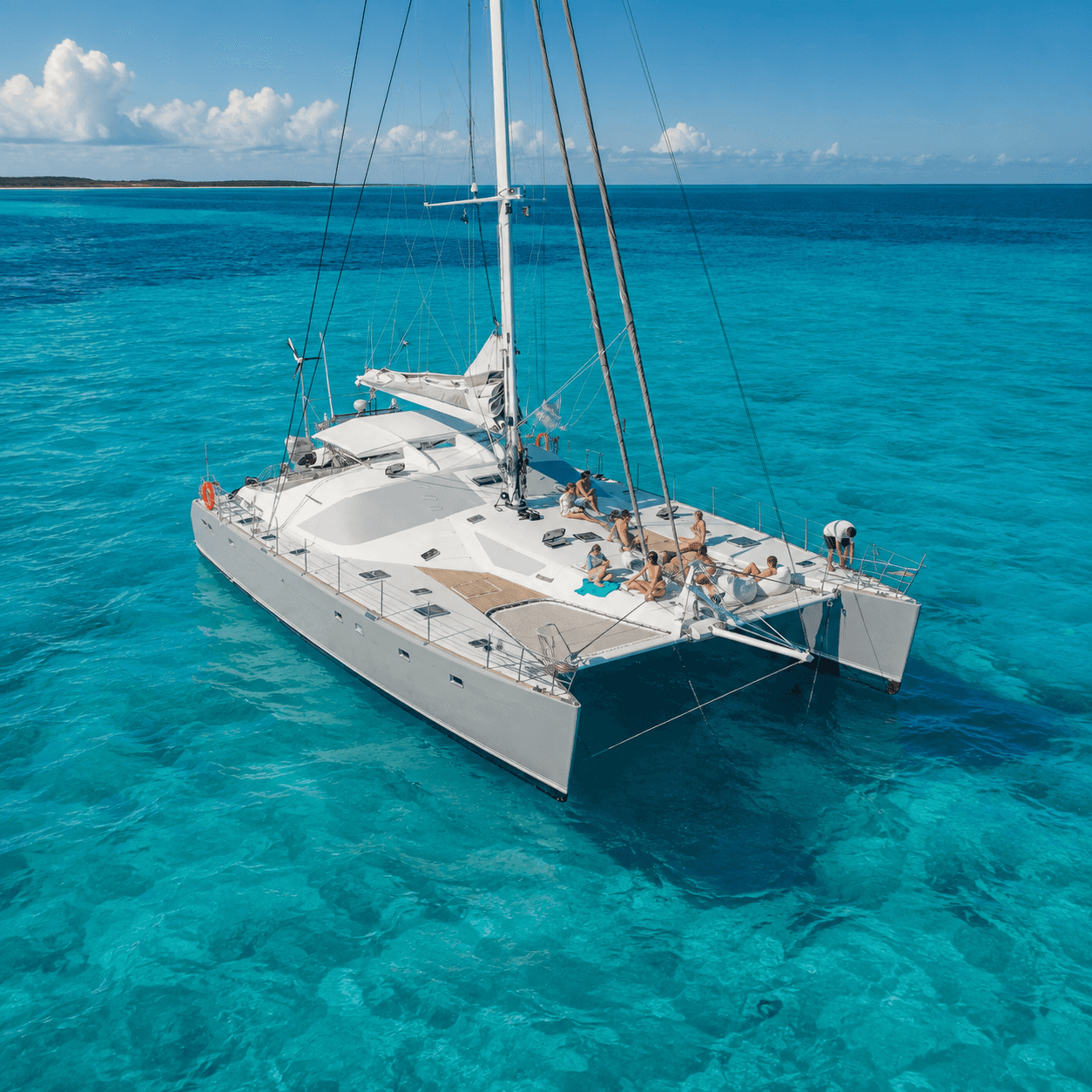
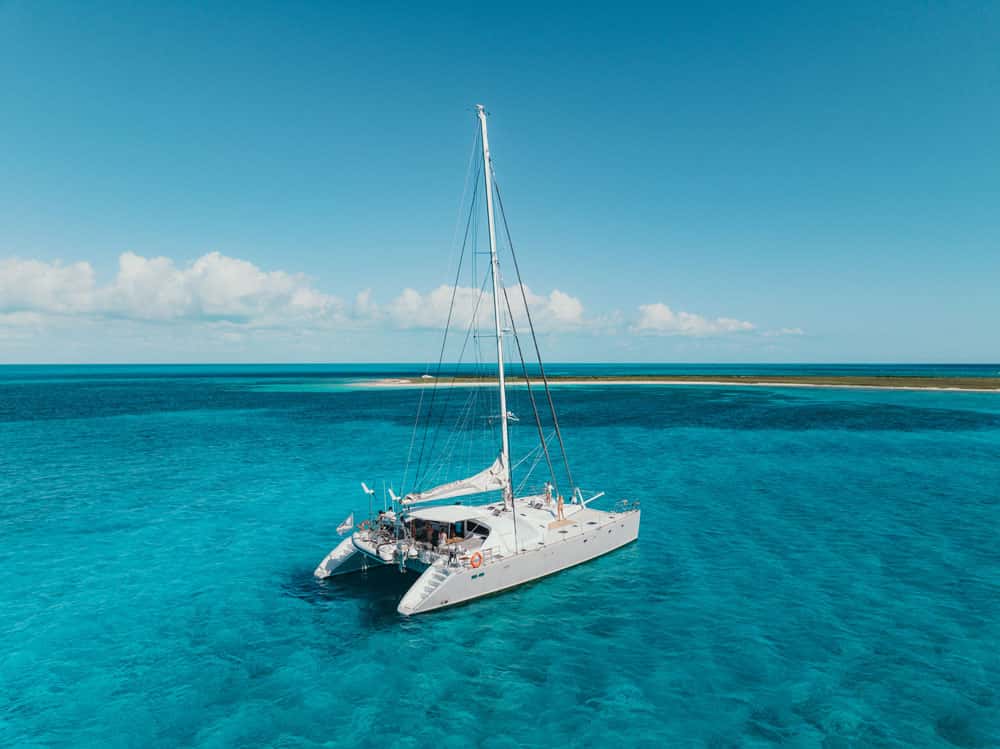
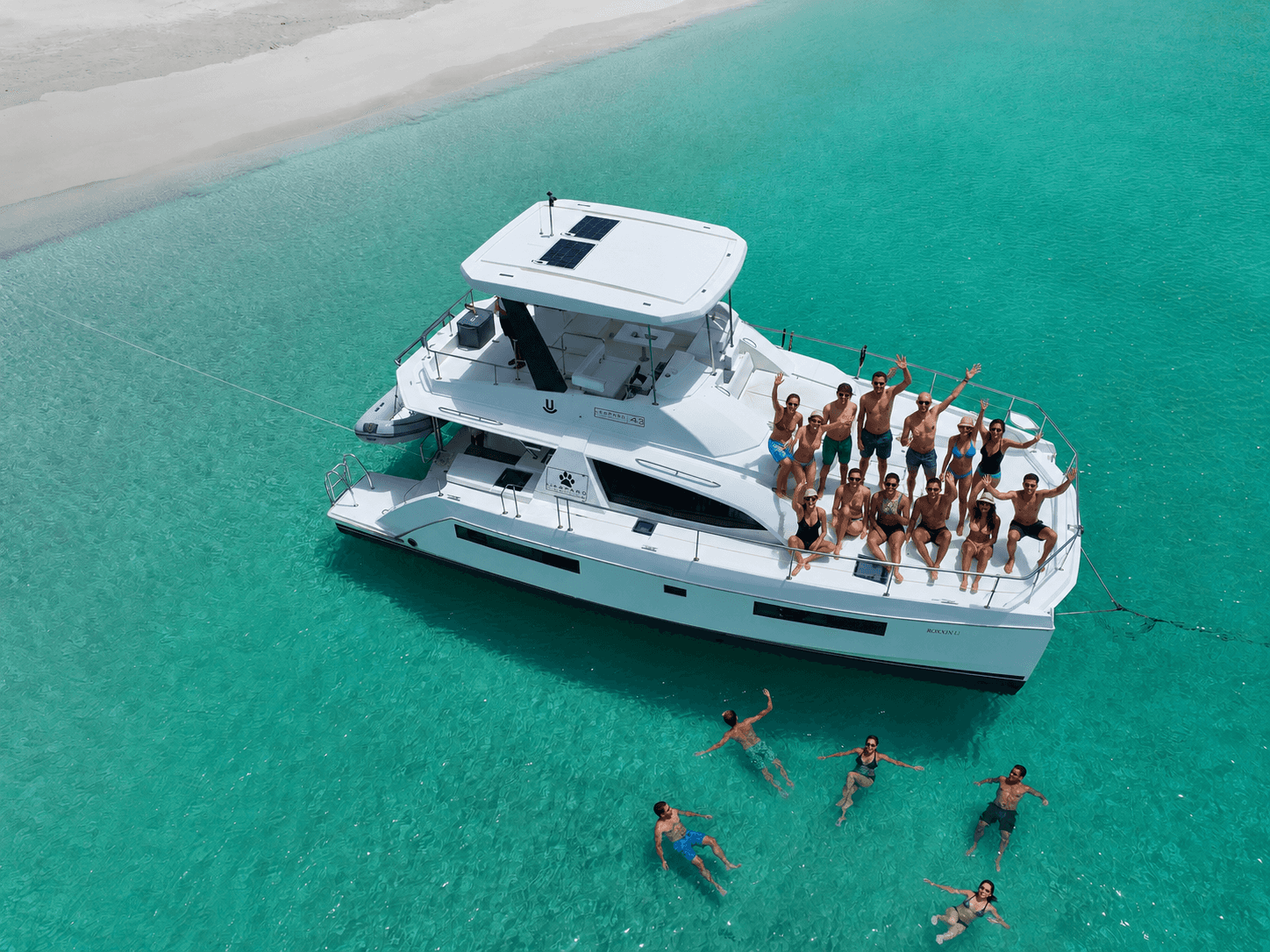
Charters that list shell collecting

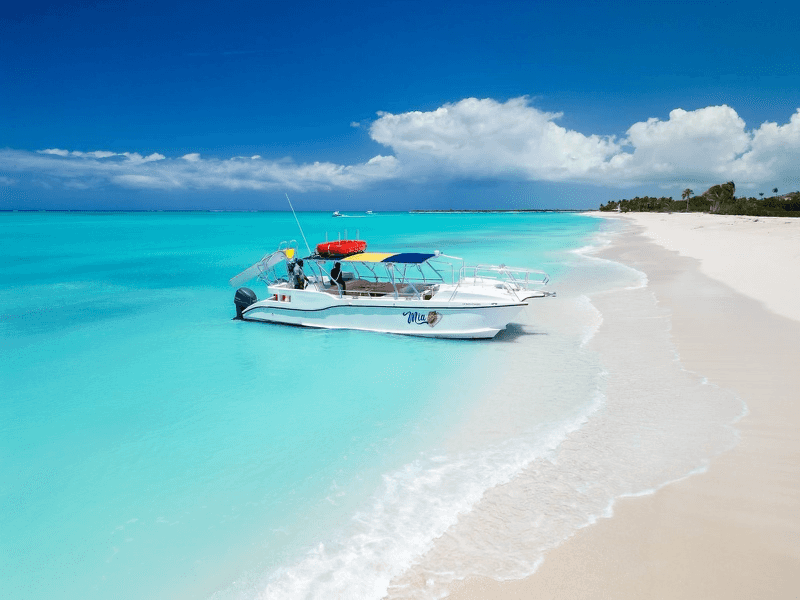
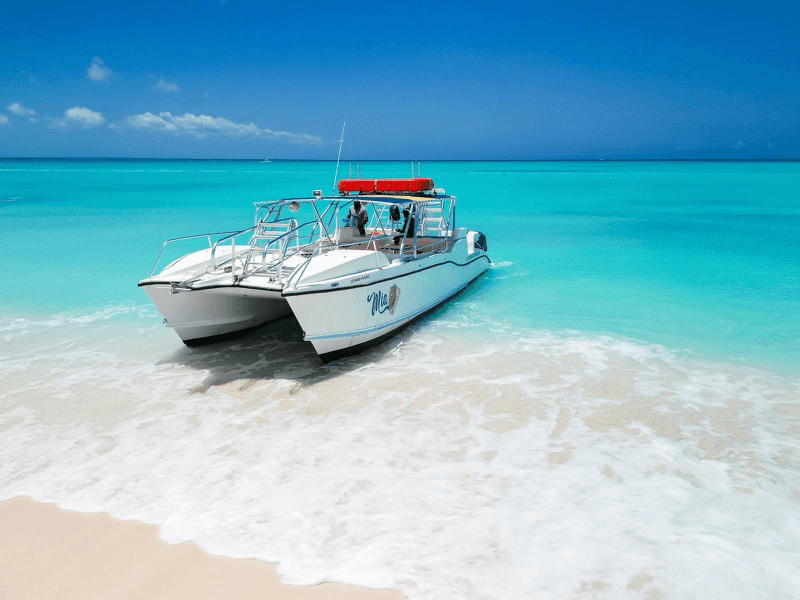
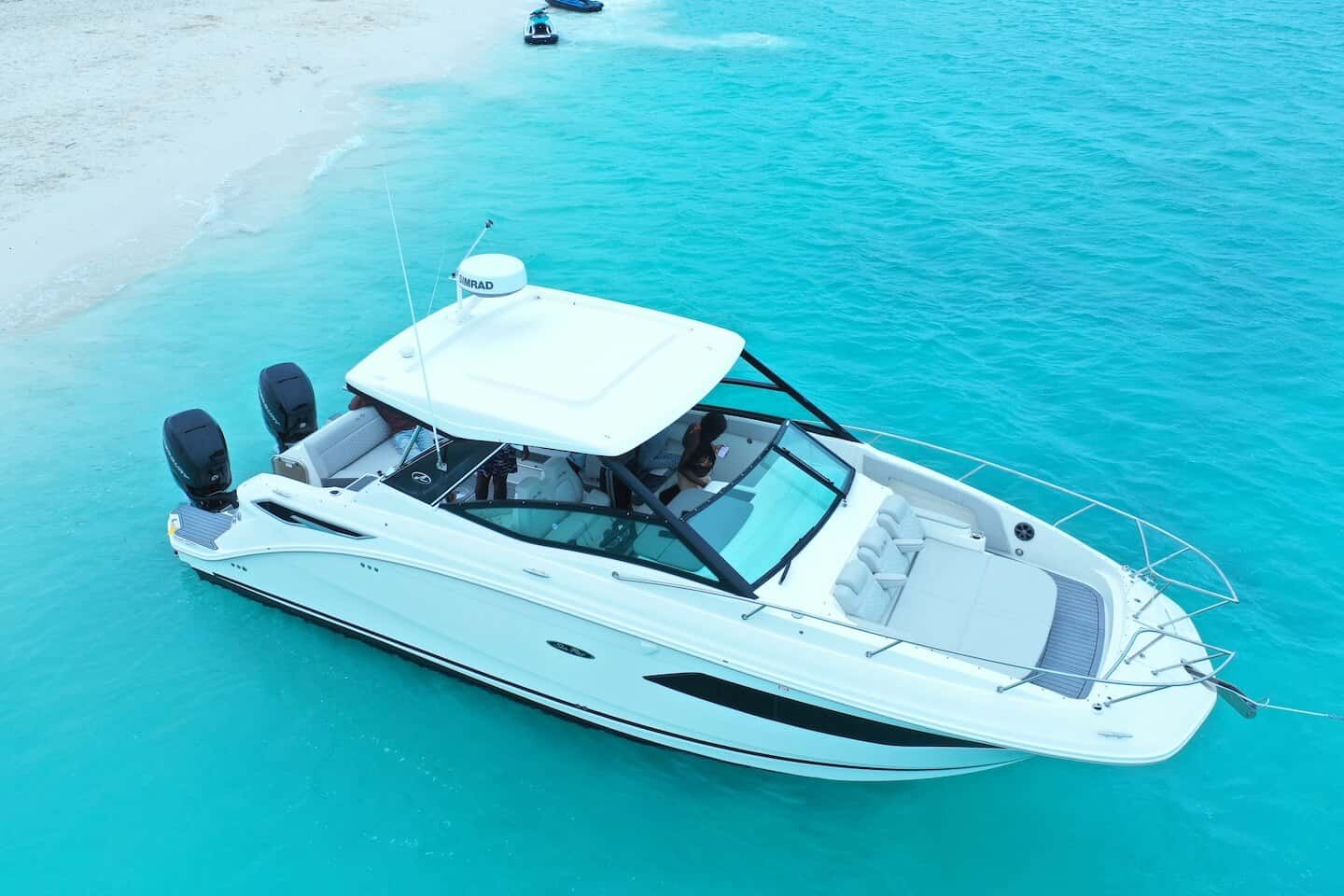
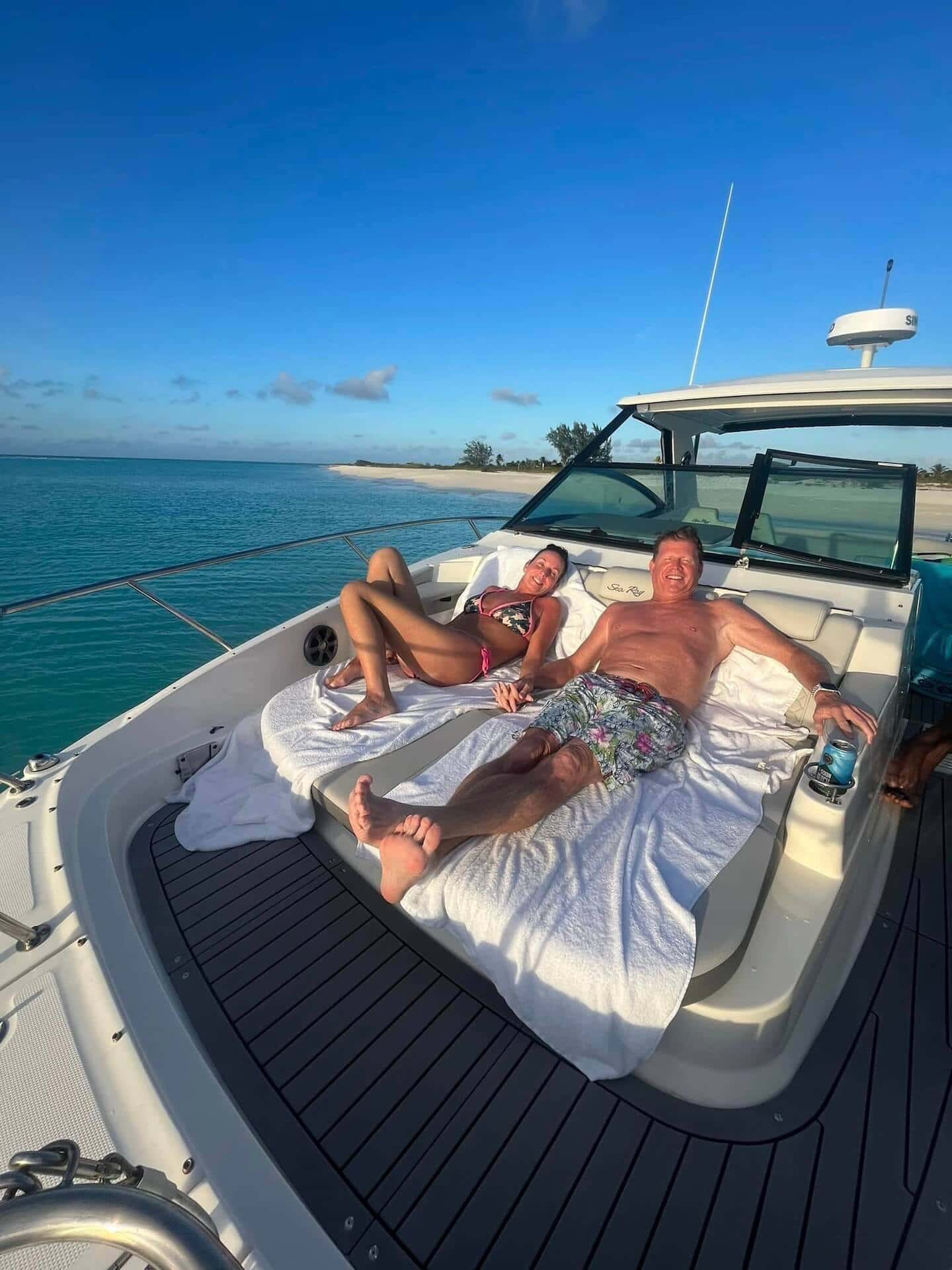
3. Queen conch shells: the three-shell rule
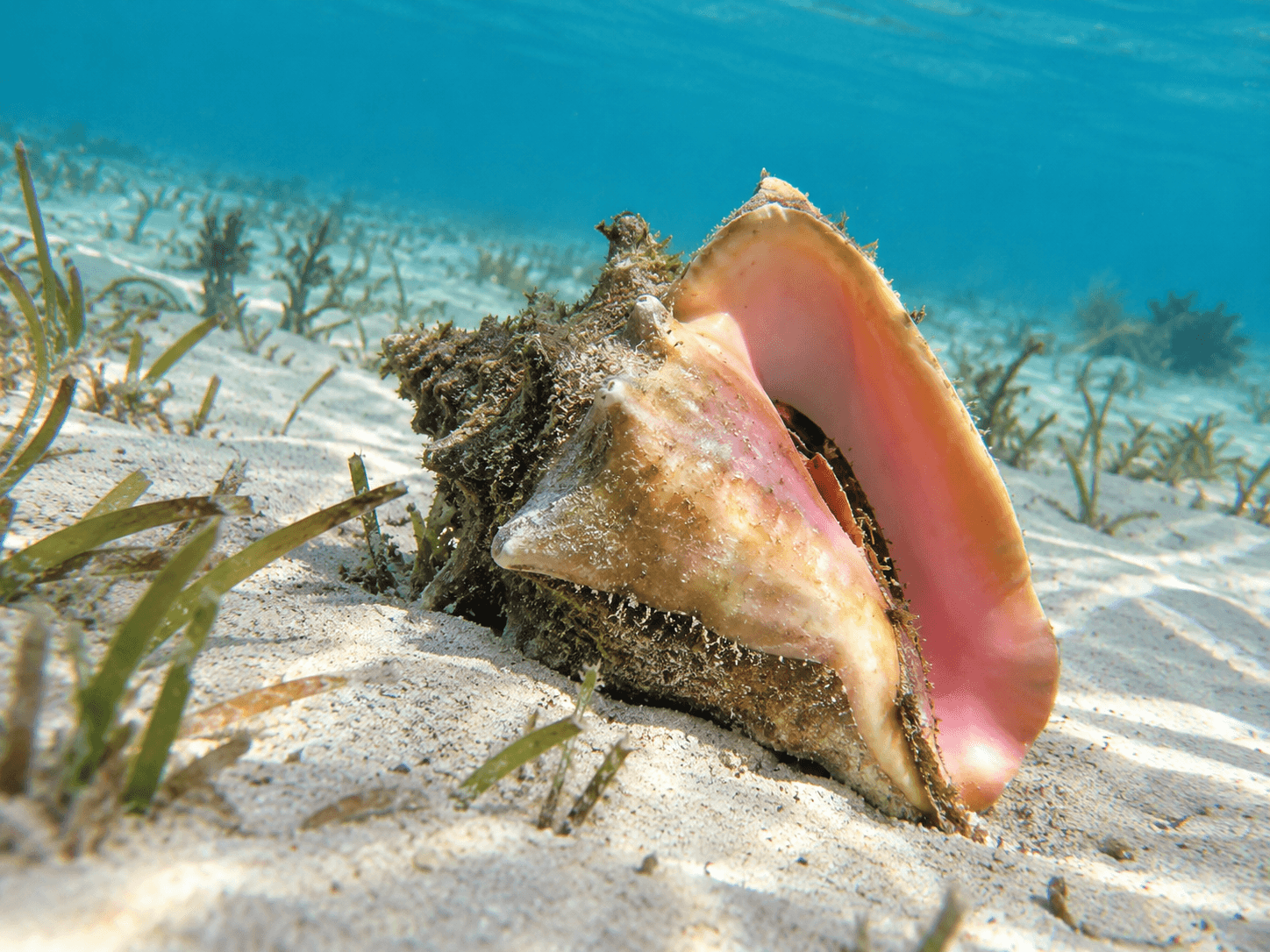
The one everyone wants is a queen conch. Each visitor may take home up to three queen conch shells without a permit, in checked luggage, in or out of season, as long as each is at least 7 inches (18 cm) long; a shorter shell is a juvenile and gets confiscated at the airport. More than three, including any you buy in a shop, needs a CITES export permit from the environment department on Providenciales.
Permits can’t be arranged online: you apply at the environment department’s office on Providenciales, and they usually take three to five working days, so start early in the trip rather than the morning of your flight. Shells sent home by post or courier need the export form whatever the number. A shell with a slit cut into it, where the animal was taken out, is worth very little, so don’t pay much for one; the piles of them at fishing docks and conch shacks in Blue Hills are the fishermen’s discards, a photo rather than a souvenir.
Season matters for meat and young shells, not for your three. Conch export closes every summer, from July 15 to October 15 in 2025, and in that window conch meat and juvenile shells can’t leave, while the three-mature-shell allowance holds all year. US federal wildlife rules match it on the way in: three queen conch shells per person enter as personal effects without a CITES document, so declare them and keep to three.
A live conch is a different matter. The queen conch has been protected under CITES since 1992, and a shell with the animal still in it is fishing, not beachcombing: leave it on the grass where it was grazing.
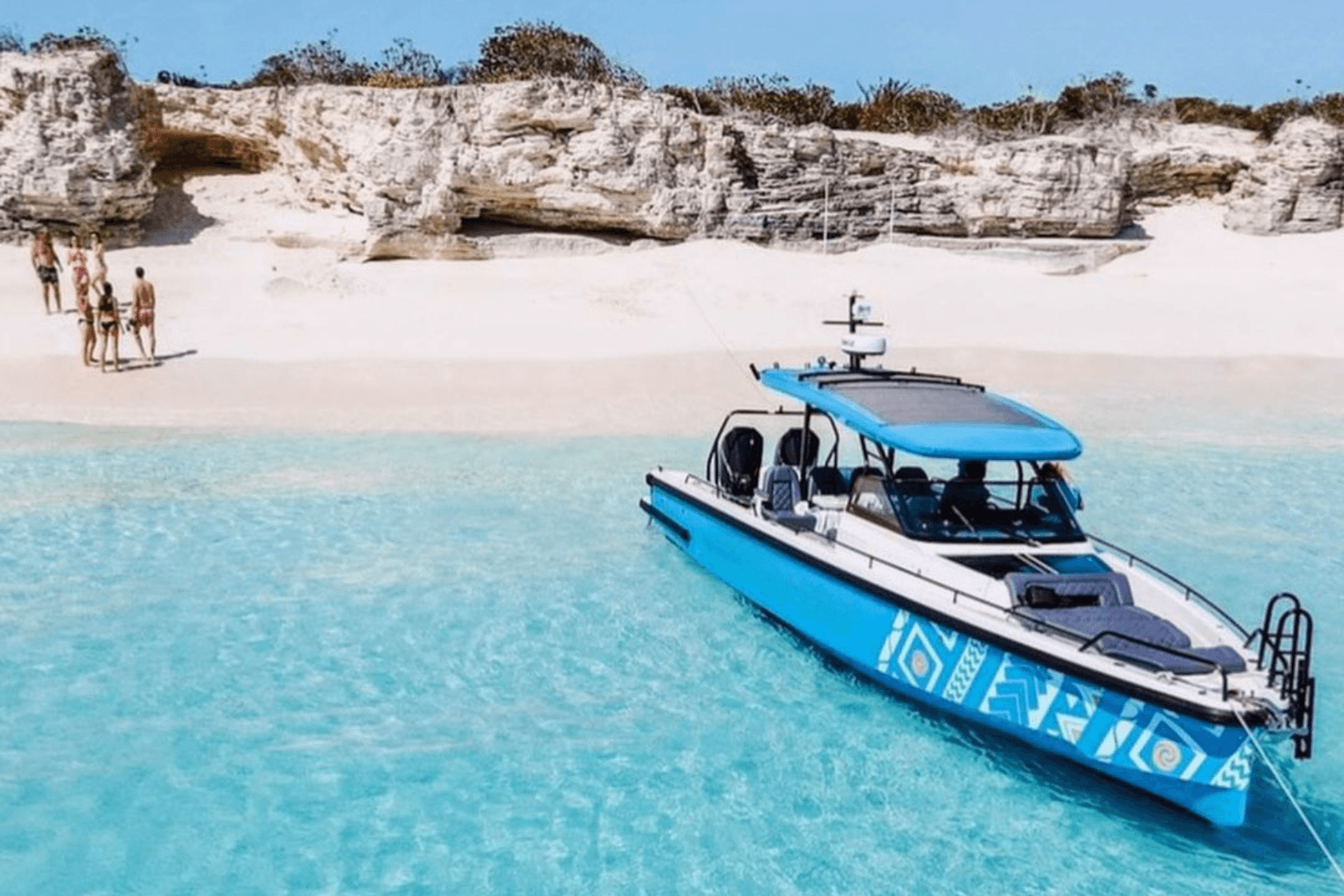
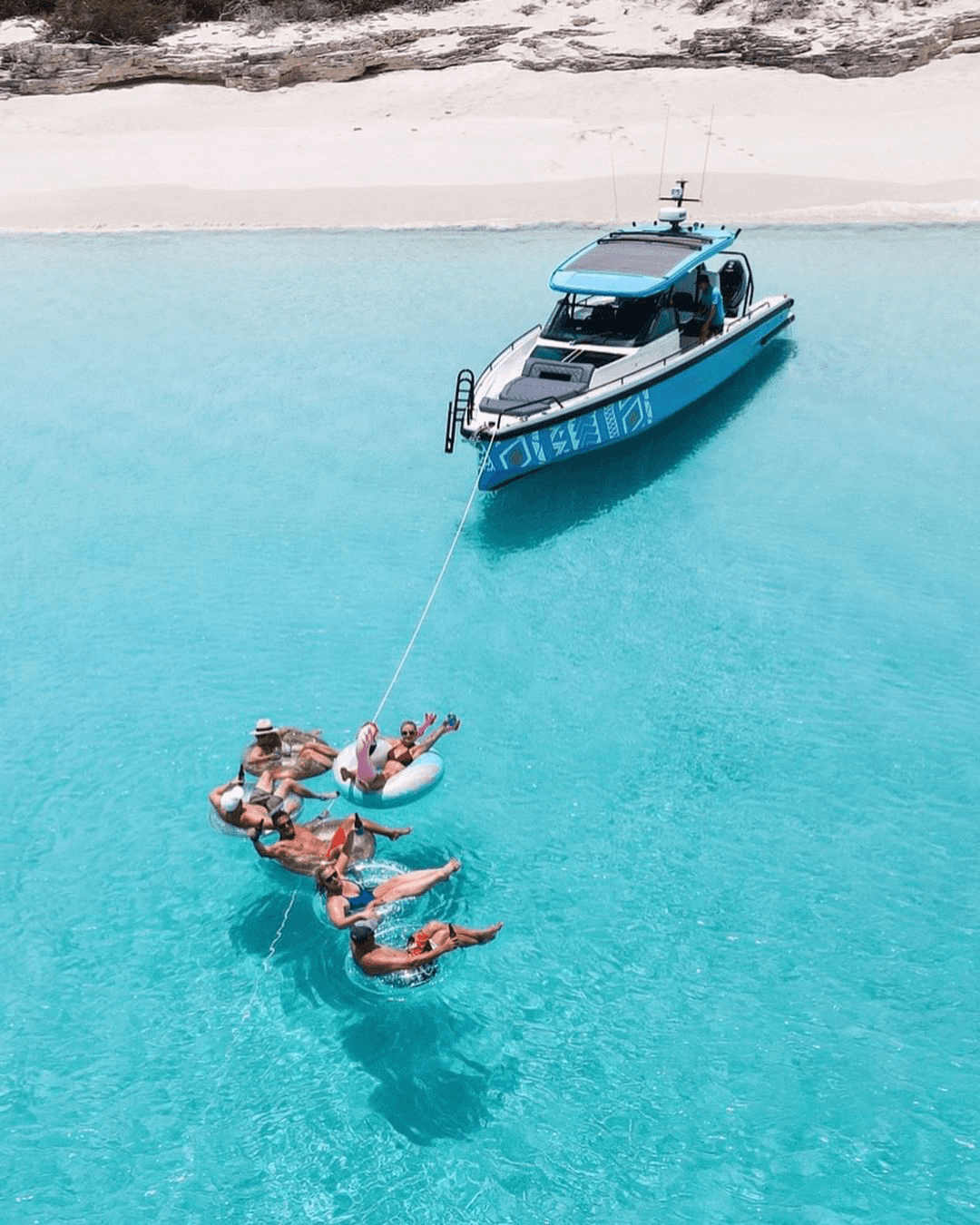
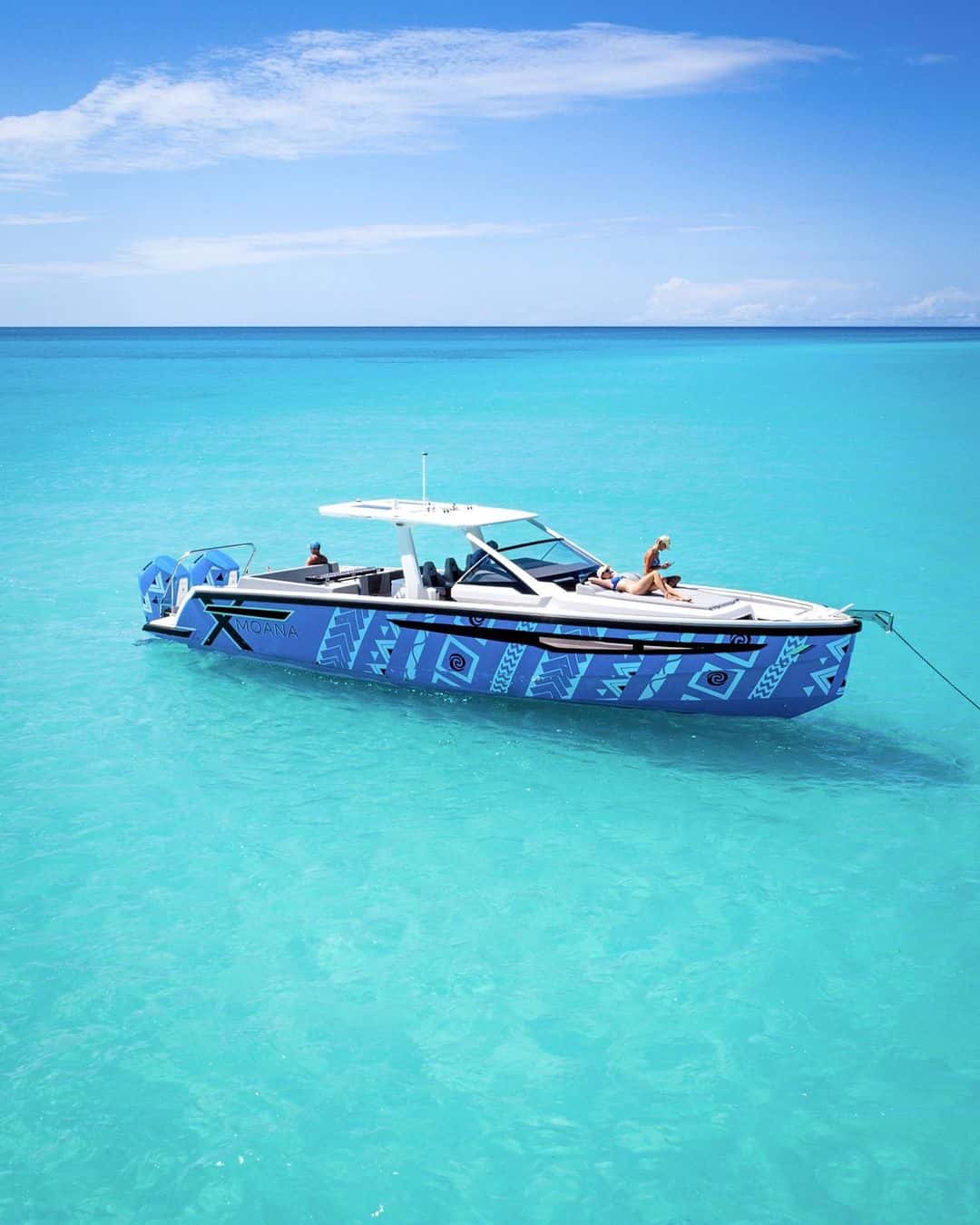
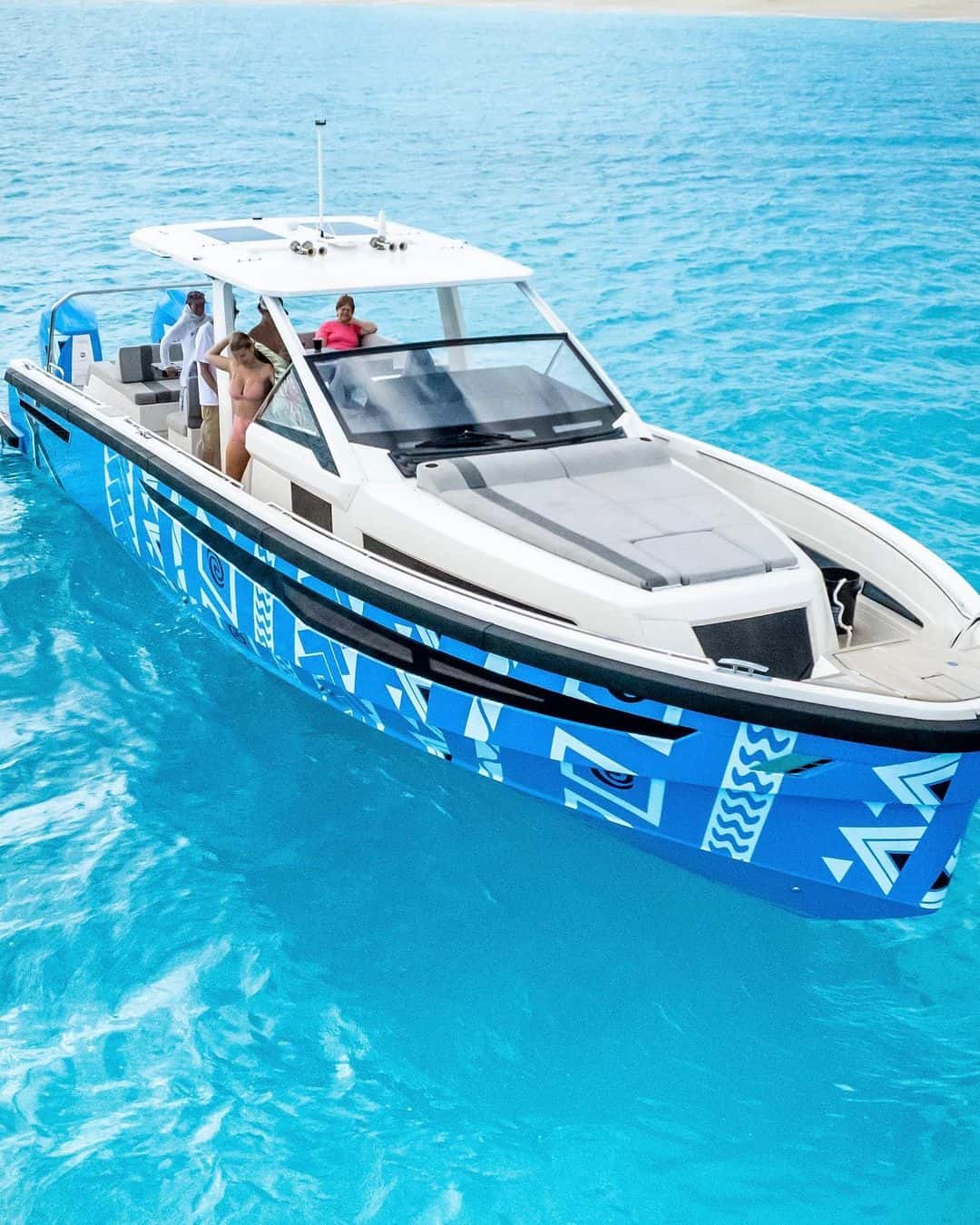
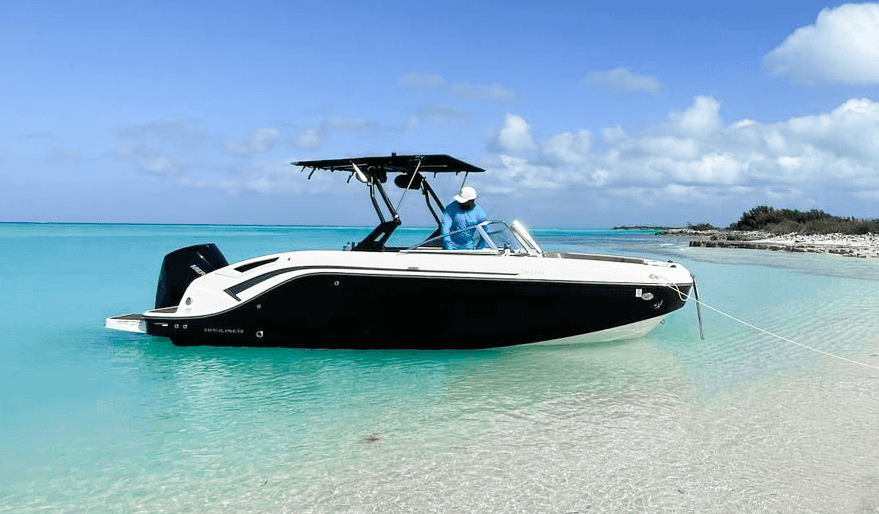
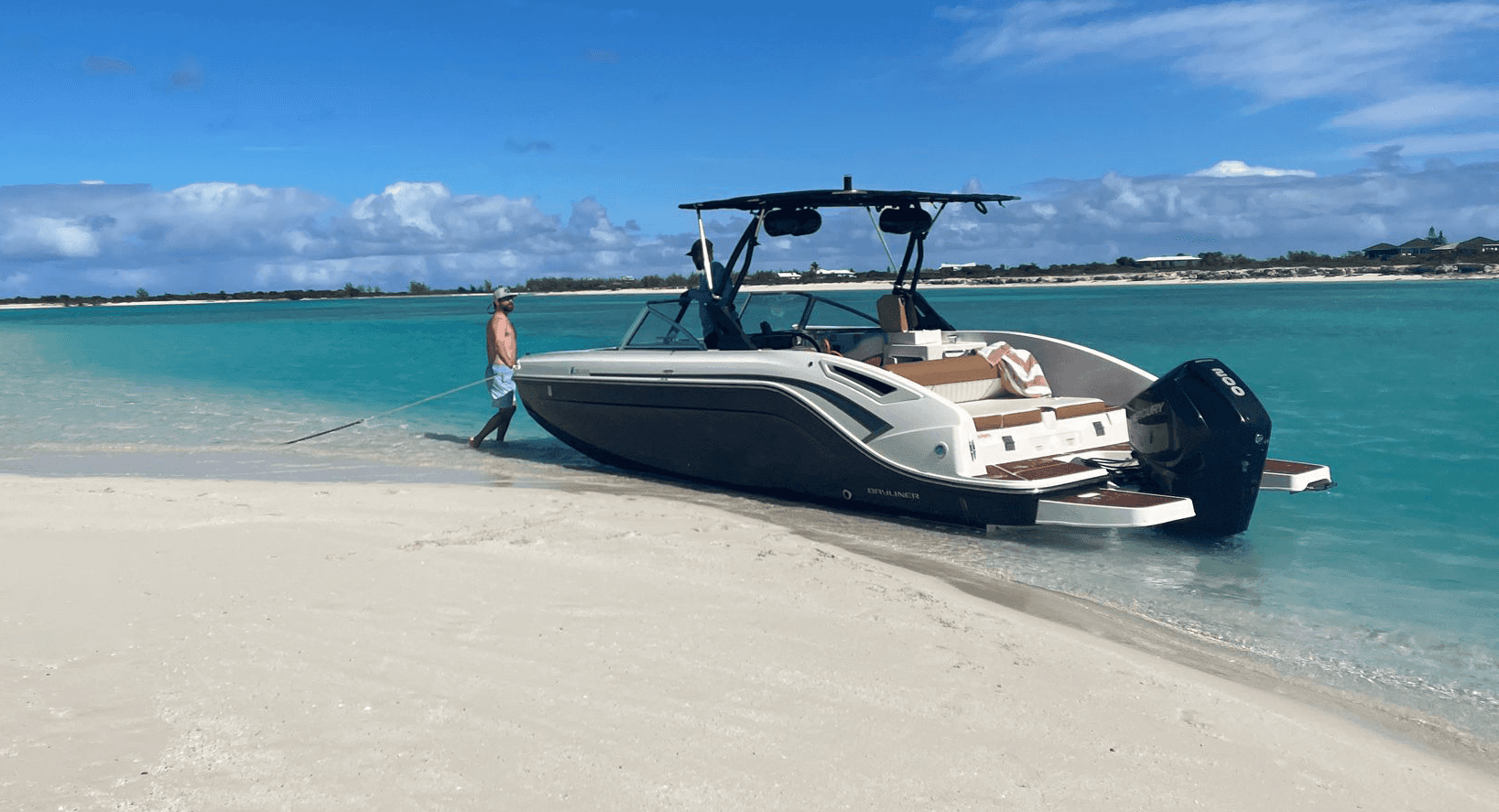
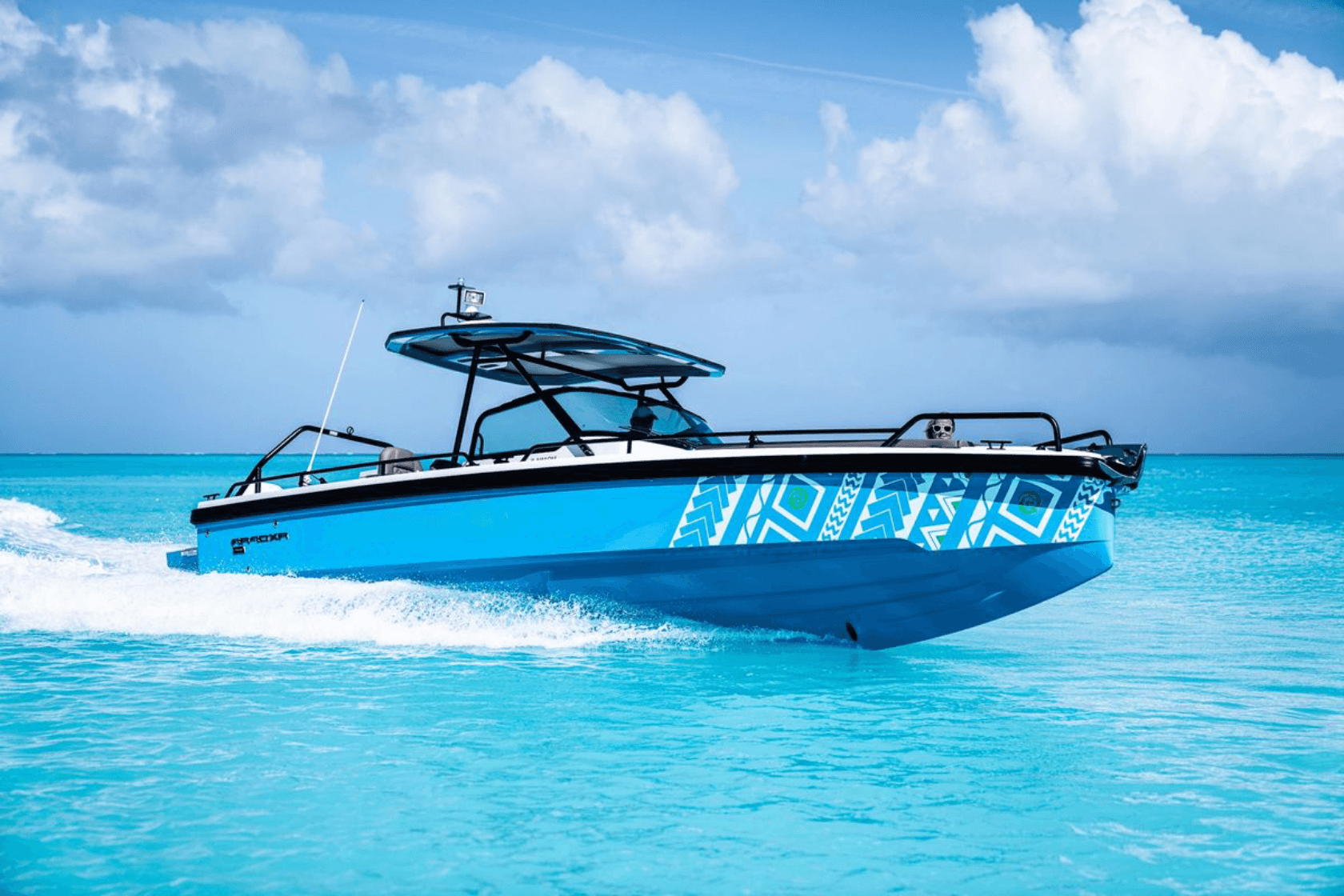
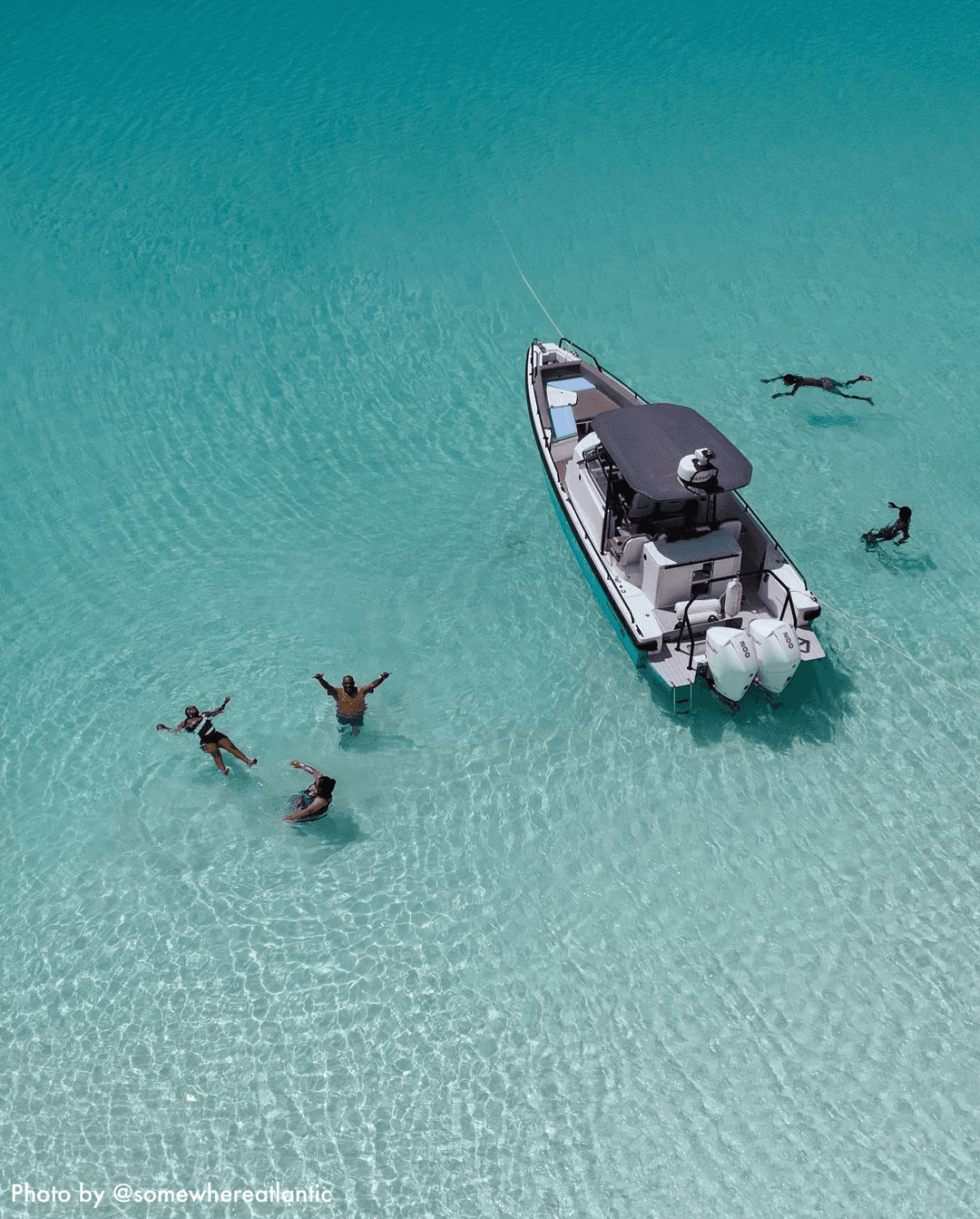
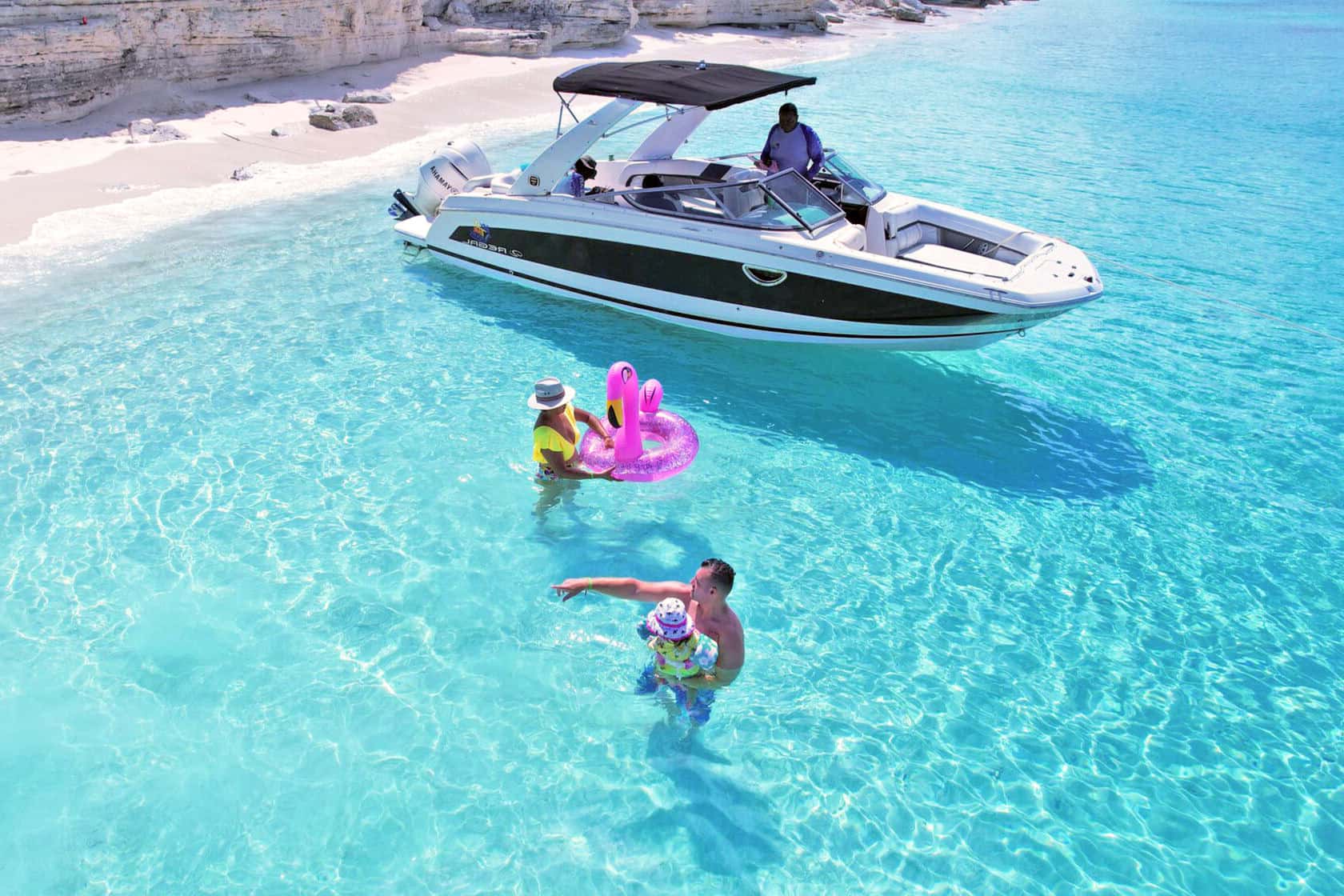
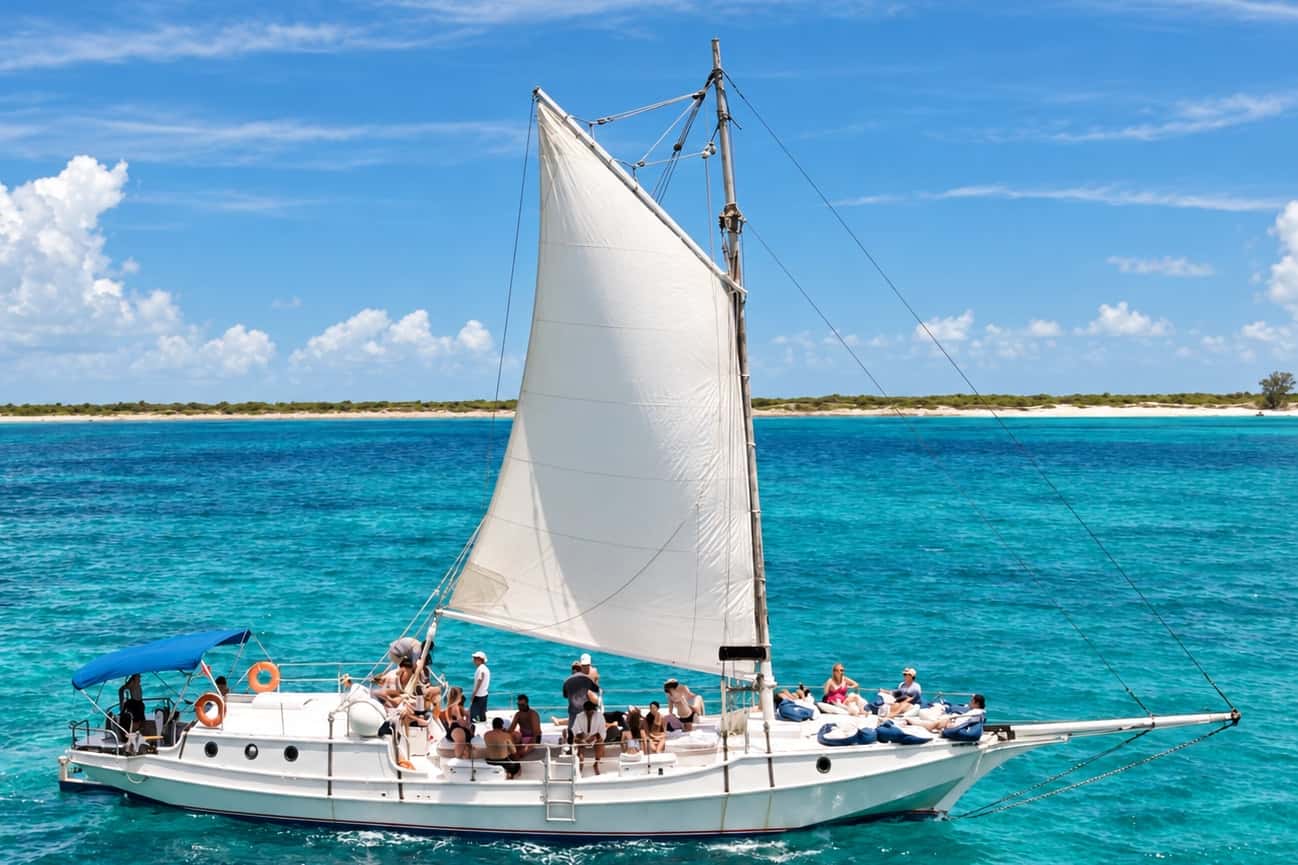
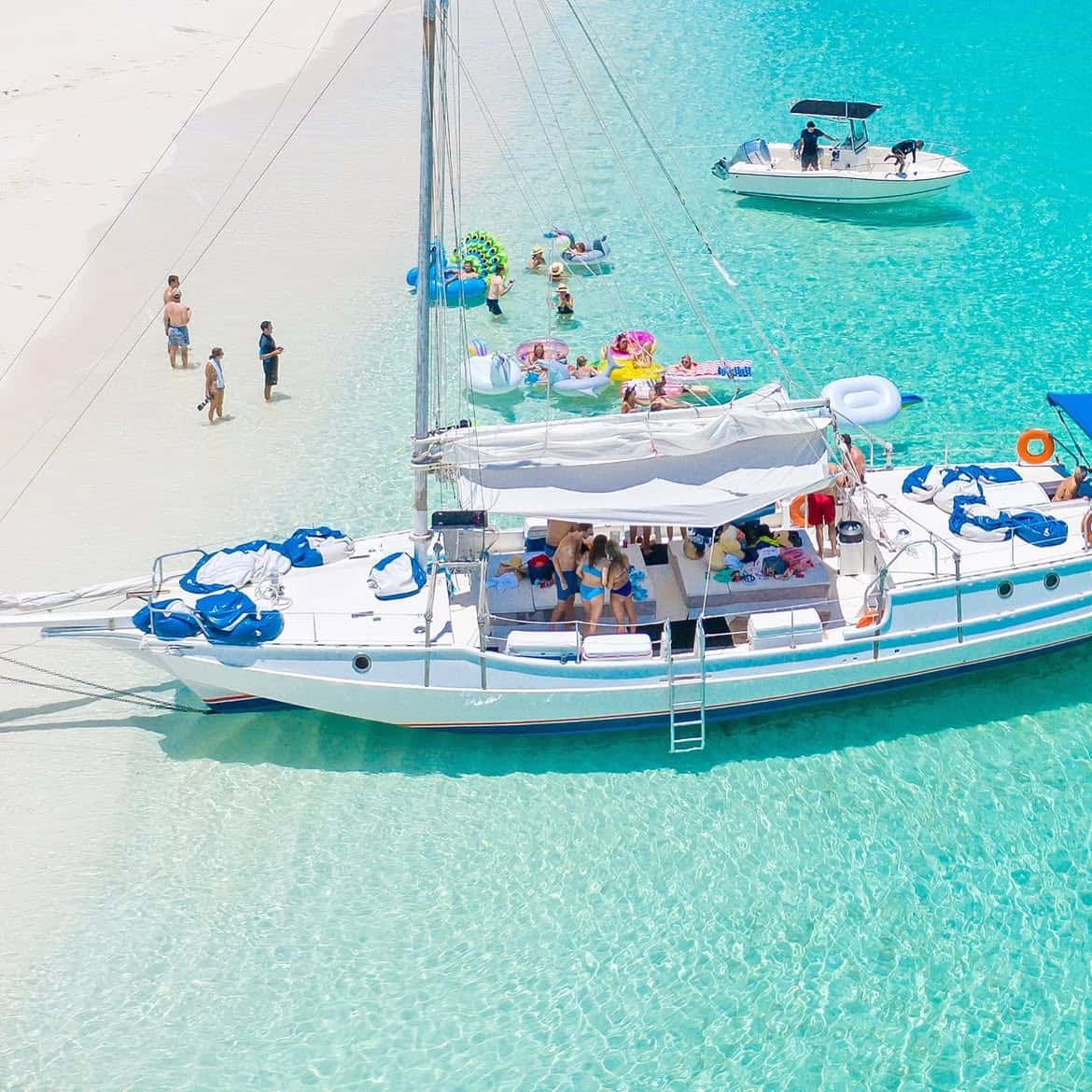
On a conch-hunting charter, the shell comes with the story. The Adventure Boats and the 43ft include a conch hunt on their eight-hour days, and the 26ft Regal and 22ft Sports Cruiser can add conch on request. See queen conch.
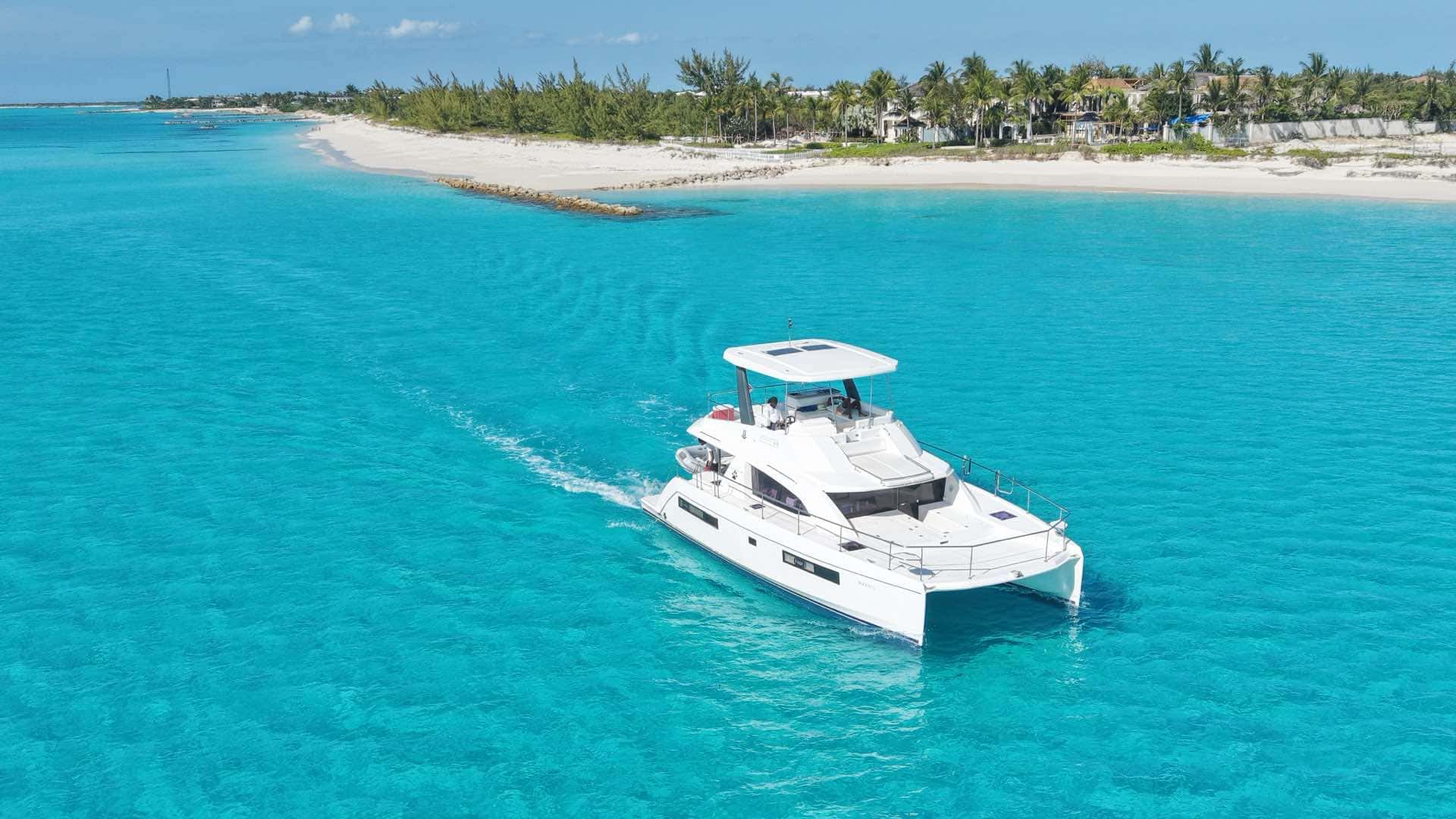
Two honest caveats. The catamarans don’t do conch, and no boat guarantees one: conch live on the grass flats of the bank, and what you find depends on the tide, the water and the day.
Charters with a conch hunt
4. What stays on the island
- Coral, always. It can’t legally leave the country, and no permits are granted.
- Anything alive. A live sand dollar, sea star or conch goes back where you found it.
- Sea stars, alive or dried. Harming or removing one is illegal without written approval from the environment department.
- Anything from a protected area. In a national park, nature reserve or historic site, taking shells, sand, coral or wildlife, dead or alive, is a criminal offense. That covers Grace Bay, Leeward Beach, the Bight, Little Water Cay, Half Moon Bay and Fort George Cay.
- Other shells, by the bagful. Beyond the three conch shells, the export rules depend on the species and the number, so check with the environment department before you pack a collection.
The full list of park rules is in our guide to national park rules.
5. A shell hunt for kids
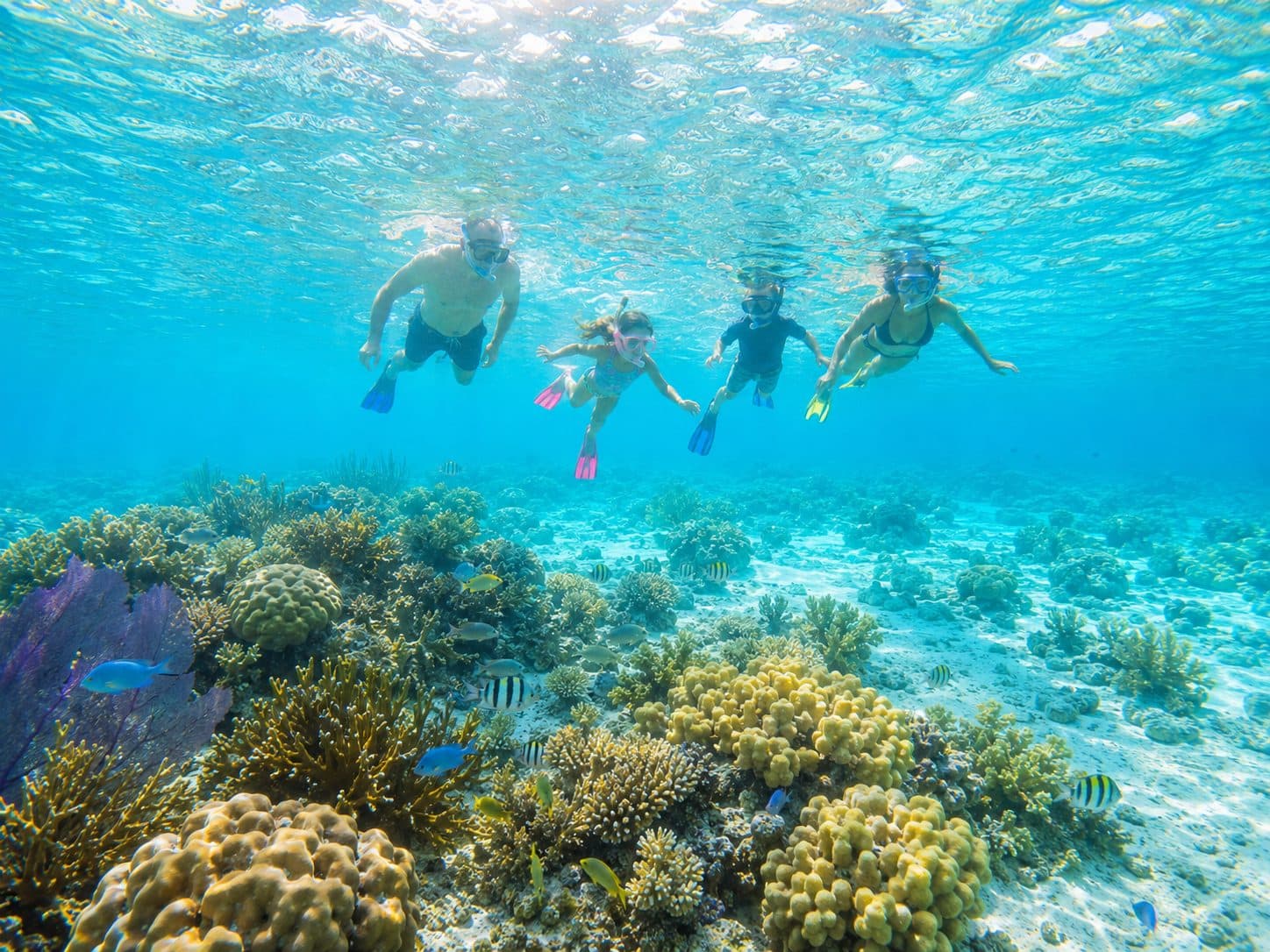
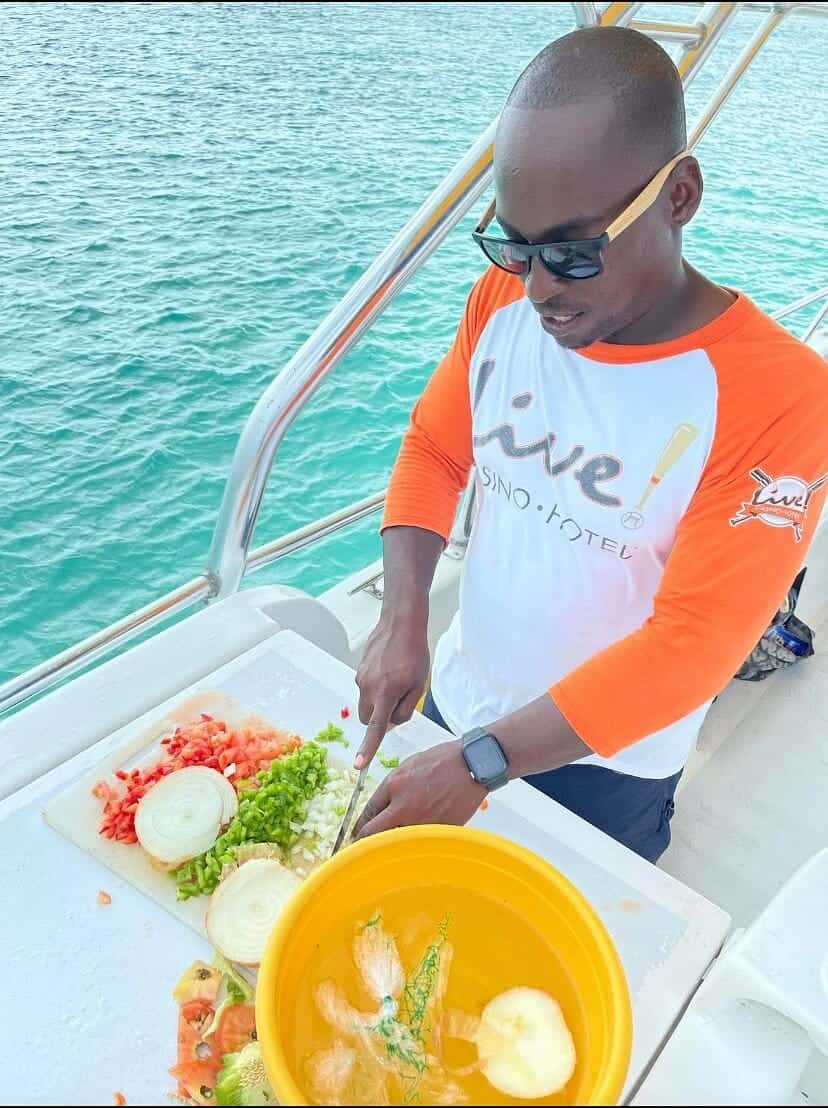
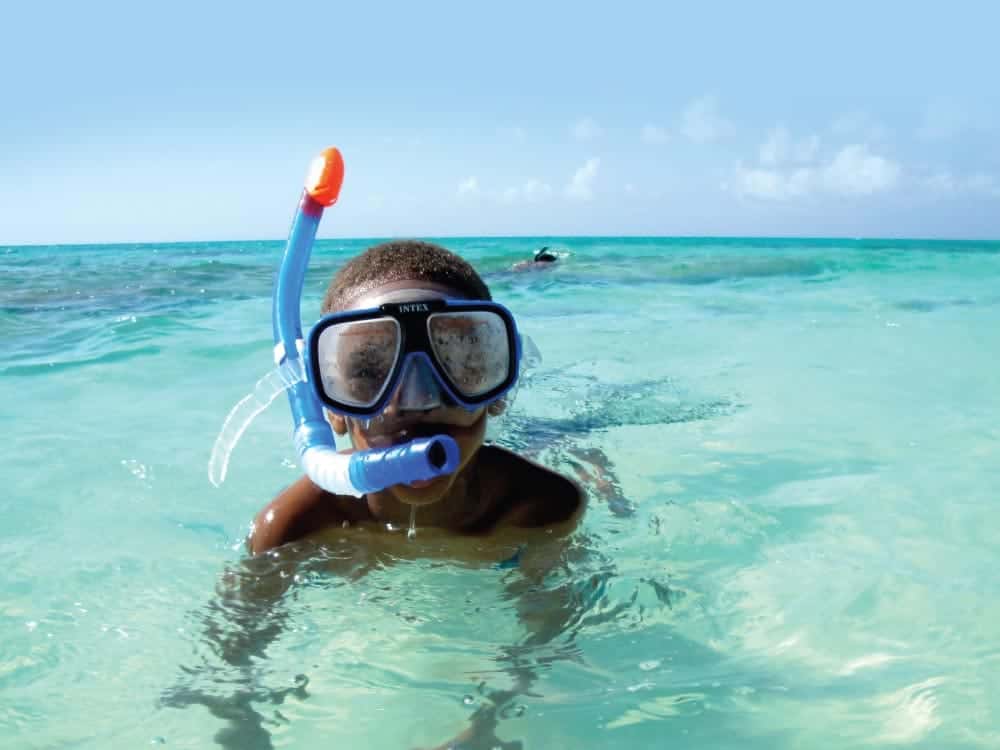
For families, the three-hour Seaside Scavenger Quest turns the hunt into the whole outing: a search for queen conch, fresh ceviche made with what you find, uninhabited cays, shells, sand dollars and pirate tales. It leaves Heaving Down Rock Marina on Tuesdays, Thursdays and Saturdays, for ages 3 and up.
It’s priced per person, $148 for adults and $97 for children aged 3 to 12, all-in, which makes it the least expensive way for a family to spend a morning shelling on the cays; a $20 round-trip shuttle from Grace Bay is paid at the office on the day. The tour’s own pitch includes shells and sand dollars to take home, and the same rules apply, so keep to bleached, empty finds from outside the parks. Our guide to group snorkel tours has more.
A shell hunt for the family
Before you go
Pack water shoes and a small bag for the beach, and leave room in your luggage for no more than three conch shells.
If you want the cays themselves, here’s where we’d point you. For a family, the Seaside Scavenger Quest above: three hours on Tuesday, Thursday and Saturday mornings at 9:30 am, $148 per adult and $97 per child, with the conch hunt, snorkel gear, snacks and drinks included. For a private half day, the 35ft Catamaran, which lists sand dollars on the beach at Fort George Cay: $1,484 all-in for two for four hours, $114 for each extra adult and $91 for each child aged 4 to 14, with fresh fruit, a charcuterie platter, wine and rum punch, and a bathroom aboard. Ask the captain to time the beach stop for low tide and bring a hat, since the sandbars have no shade. Each price includes taxes, a deposit secures the date, cancellation is free up to 24 hours before on the Quest and 72 hours before on the catamaran, and a request is confirmed within a few hours.
Ask before you pocket anything. Check with your captain or guide whether a beach is inside a park.
Every charter and tour on TCI Experiences is handpicked and verified for safety, service and upkeep.