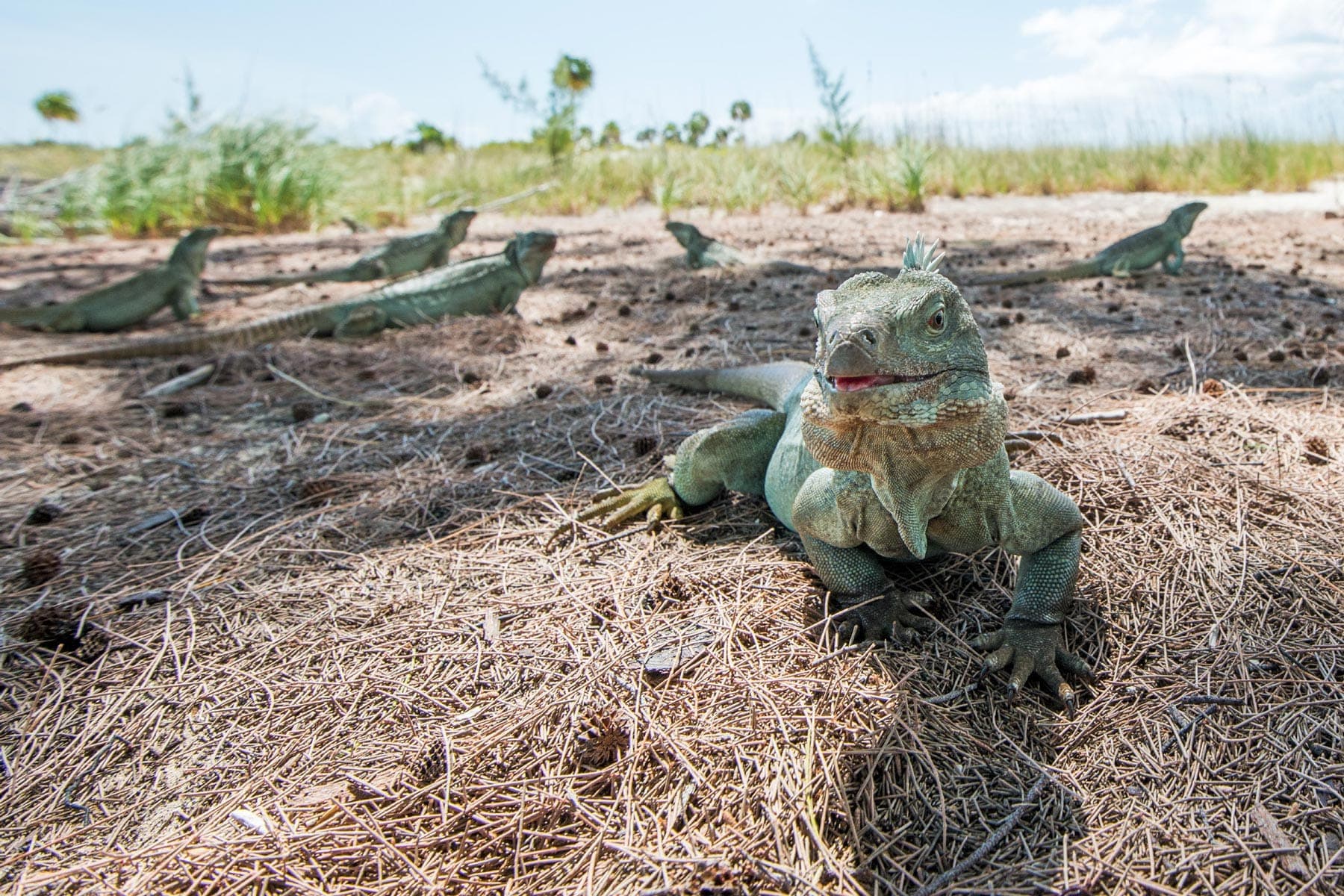
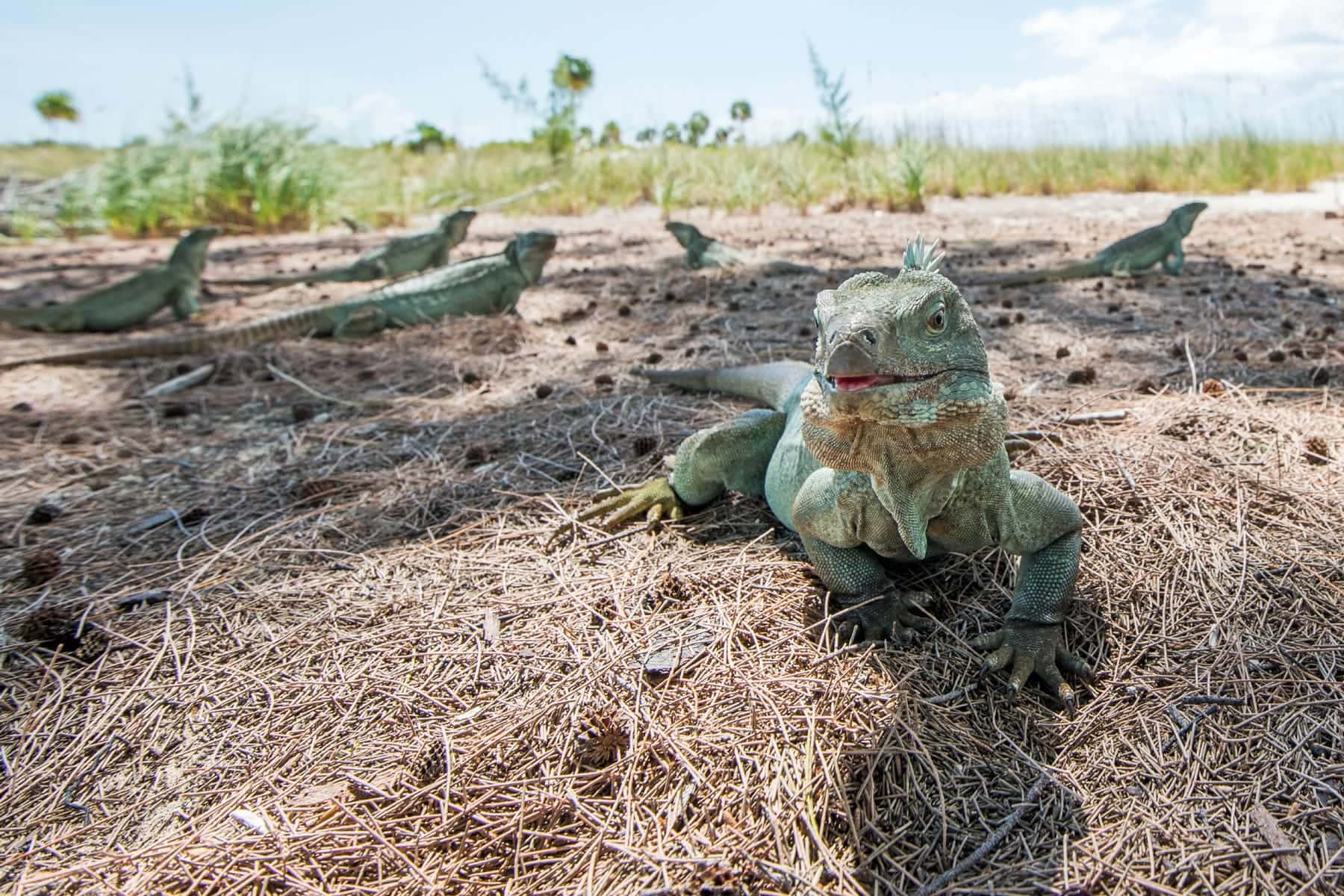
Step off the boat onto Little Water Cay and you’ll soon spot one: a rock iguana sunning itself beside the boardwalk, watching you with complete indifference. About 3,000 of them live on this little island, and the species is found in Turks and Caicos and nowhere else on earth.
Iguana Island, as everyone calls it, sits across a narrow channel from Leeward on the east end of Providenciales, about 15 minutes by boat, which makes it one of the easiest wild places in the country to reach.
Iguana Island at a glance
- Where: Little Water Cay, about 15 minutes by boat from Leeward on Providenciales.
- What you’ll see: the Turks and Caicos rock iguana, found nowhere else in the world, from boardwalks across the island.
- How to get there: by boat from Leeward (most half-day boats stop here), on a clear kayak tour or group tour, or by kayak on your own across a channel about 500 yards wide. There’s no road.
- Good to know: it’s a protected nature reserve, admission is $20 to $25 a person at the time of writing, and the trails are open Monday to Saturday, 10 am to 3:30 pm.
1. What Iguana Island is
Little Water Cay is a nature reserve inside Princess Alexandra Land and Sea National Park, cared for by the Turks and Caicos National Trust. Two boardwalk trails loop across the island, with a viewing platform over the cays, and you pay the National Trust’s admission fee at the visitor center by the dock ($20 a person for the short trail at the time of writing).
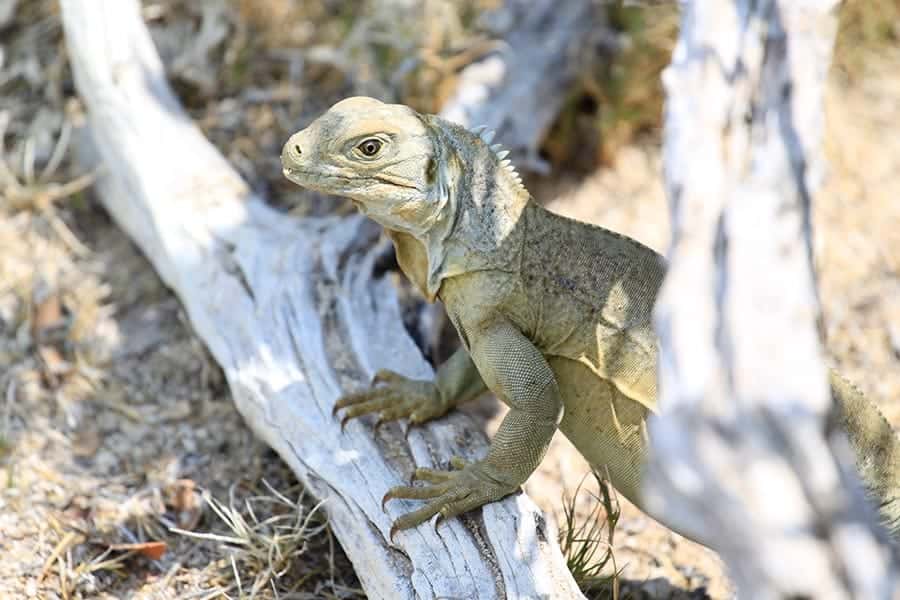
The island itself is about 116 acres of low scrub, mangrove and buttonwood, salt flats and tidal ponds, and it’s the stronghold of a lizard that once lived on every main island in the country. The Turks and Caicos rock iguana, Cyclura carinata, is one of the smallest rock iguanas in the Caribbean: a big male reaches about 30 inches nose to tail and wears a spikier crest and a bigger throat flap than the females. They mature at around seven, can live past 20 and eat leaves, flowers and fruit, sea grapes above all, getting their water from their food rather than drinking. If a predator grabs a tail, the iguana lets it go and grows a new one, usually a shade off from the rest of the body, which is how you spot a survivor. Females dig a burrow in May or June, lay four to eight eggs, fill it in and see off rival females, and the young hatch about 80 days later with no help from anyone.
So why only here? Dogs and cats. The classic case is next door: in the early 1970s, after a hotel went up on Pine Cay, the dogs and cats that came with the construction nearly wiped out a population estimated at more than 15,000 iguanas within about three years, and the biologist who documented it found the dogs were well fed and killed iguanas anyway. The same thing happened across the inhabited islands, which is why you won’t see a rock iguana on Providenciales today. The species is listed as Endangered and holds out on cays without predators: Little Water Cay, Big and Little Ambergris, and many tiny cays in Chalk Sound. The rescue work does work. In 2002 and 2003, 218 iguanas were moved out of harm’s way to protected cays, about 98% of them survived, and they have nested there since. It’s why no cat or dog is allowed ashore here, and why the rules are strict.
Good to know
Stay on the boardwalks: the burrows and nests are underfoot, and one careless step can cave one in. Don’t touch or feed the iguanas. Feeding them is illegal, human snacks can kill them, and an iguana that has learned people mean food will nip with its small, sharp teeth. There are no bins on the island, so whatever comes ashore with you leaves with you: litter draws rats, and rats eat iguana eggs. No smoking and no fires. In June 2023 a fire believed to have started from beach campfires burned about two acres of dunes at Half Moon Bay next door, and the government issues no fire permits for either place. Take nothing, not even a shell, and keep the noise down. The Trust’s trails are open Monday to Saturday, 10 am to 3:30 pm, and visits outside those hours are by appointment with the Trust.
What the visit is like
You tie up at the small dock, pay at the welcome hut and walk straight onto the boardwalk. Two loops cross the island, a north trail and a south one; the Trust sells them as a short tour and an extended one, and the iguanas are on both, basking on the planks, in the sand beside them and under the scrub. Walk slowly and they hold their ground; they’re curious rather than shy. Look up for ospreys and pelicans, down for hermit crabs after rain, and out from the south shore for stingrays on the flats. There’s not much shade, so go in the morning if you can, with water, a hat and shoes you can walk a boardwalk in, and leave the snacks on the boat. On a charter it’s one stop of two or three in a half day: most groups walk one loop and move on.
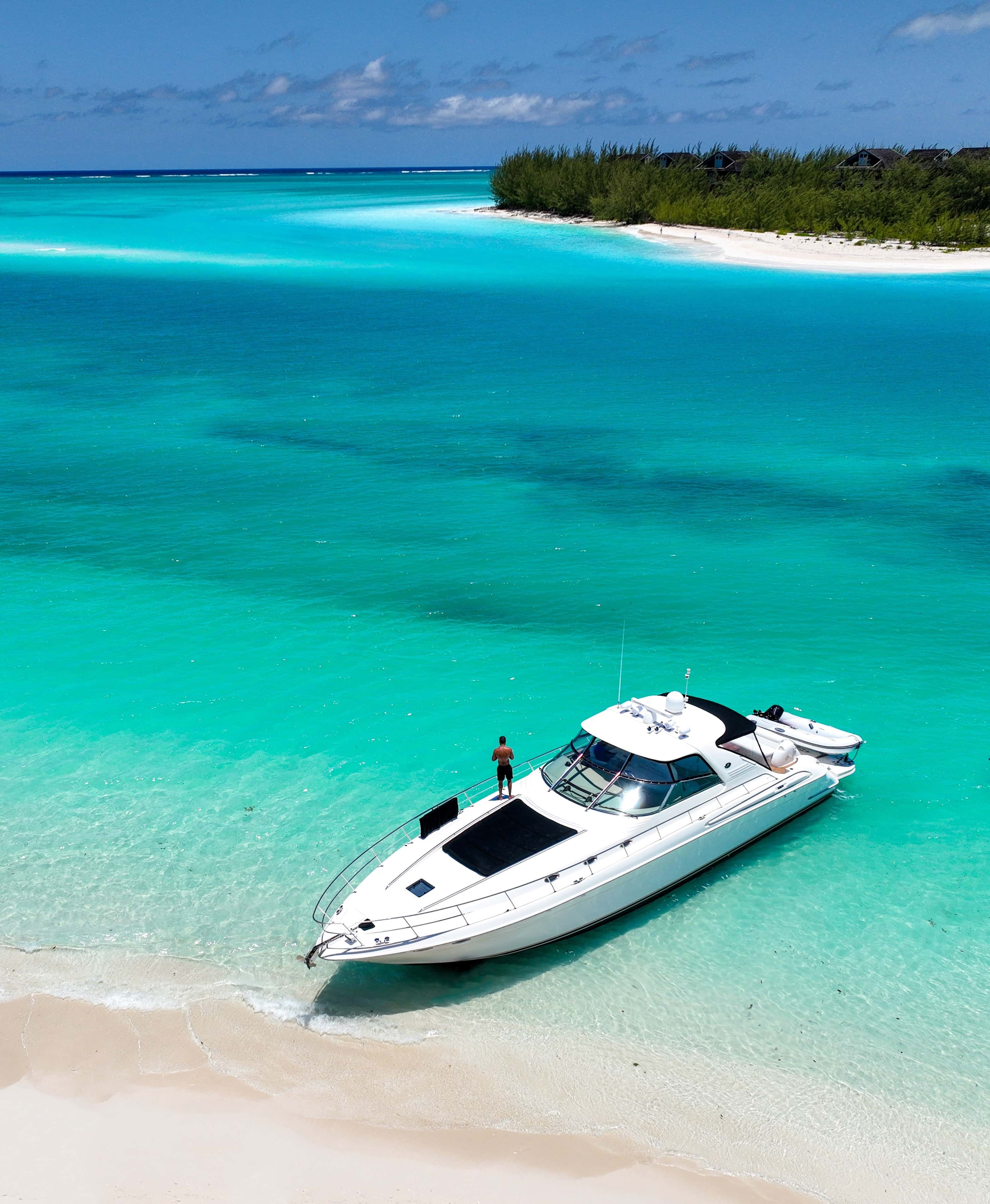
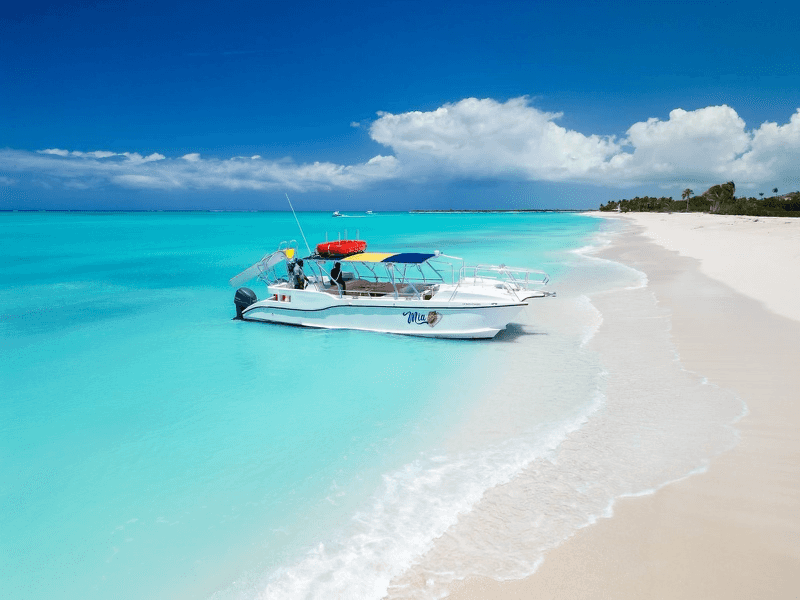
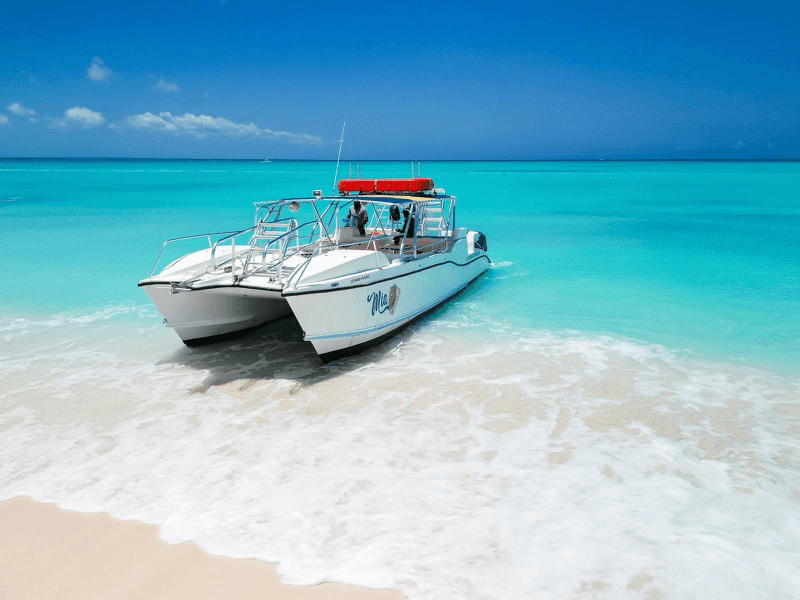
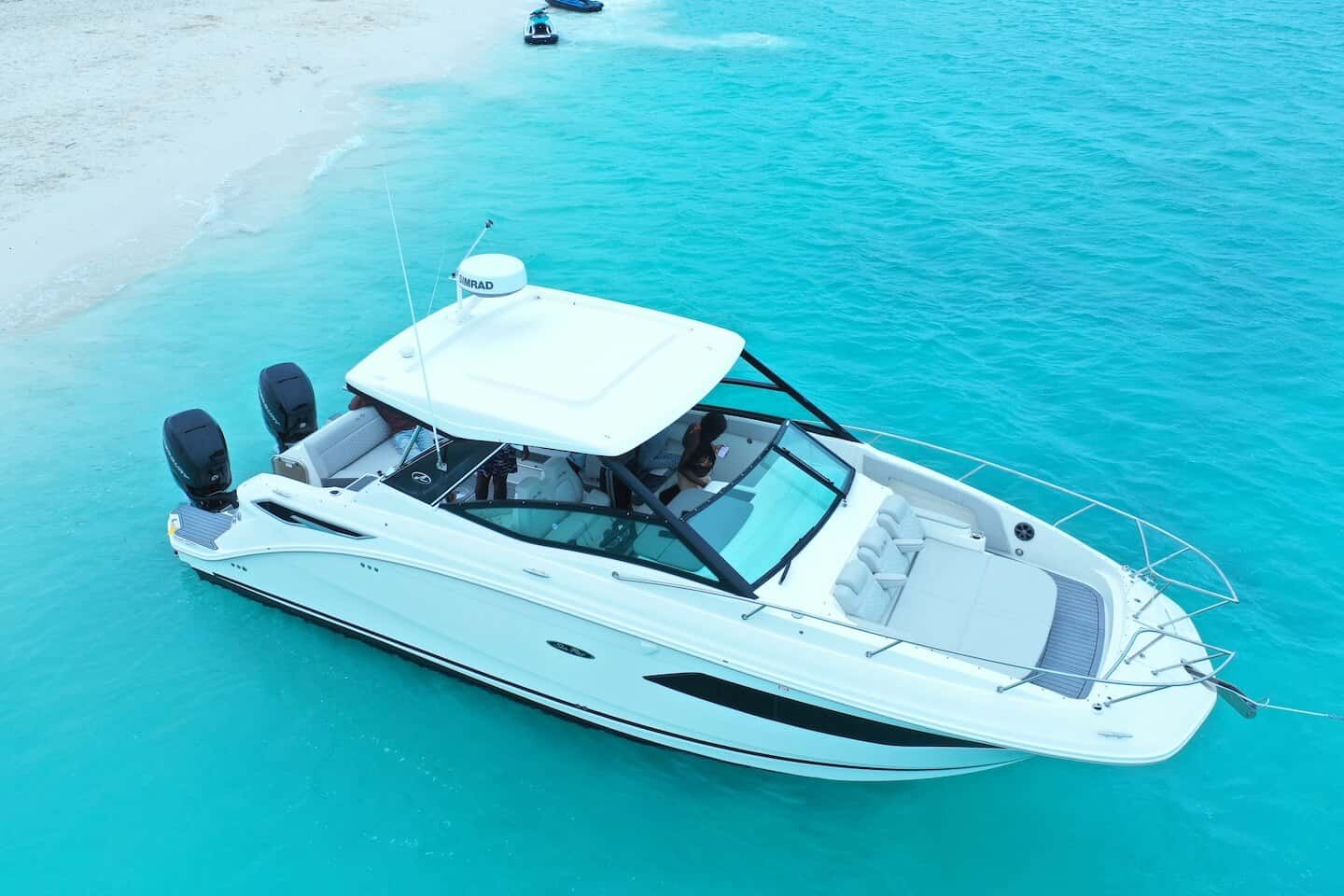
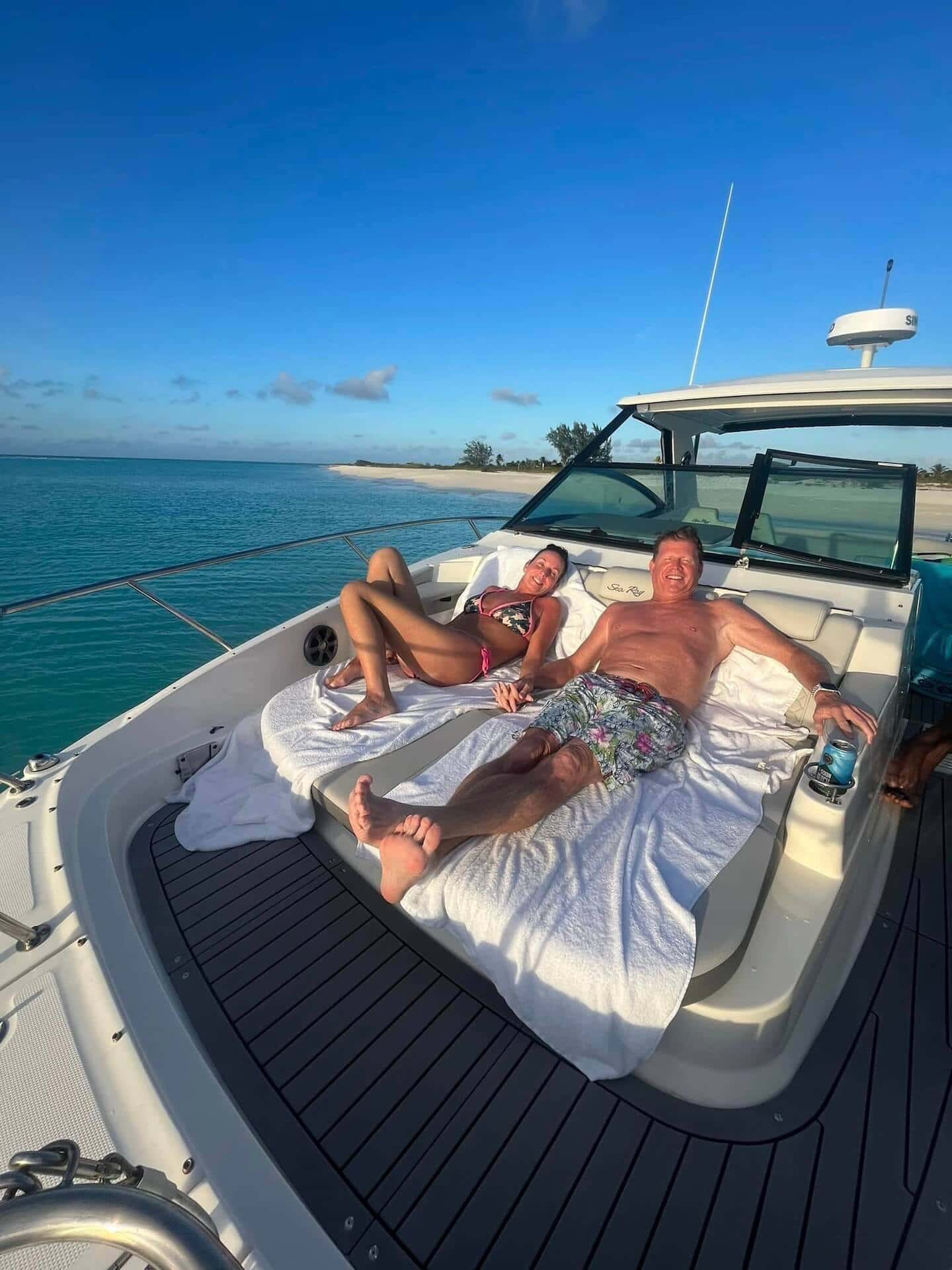
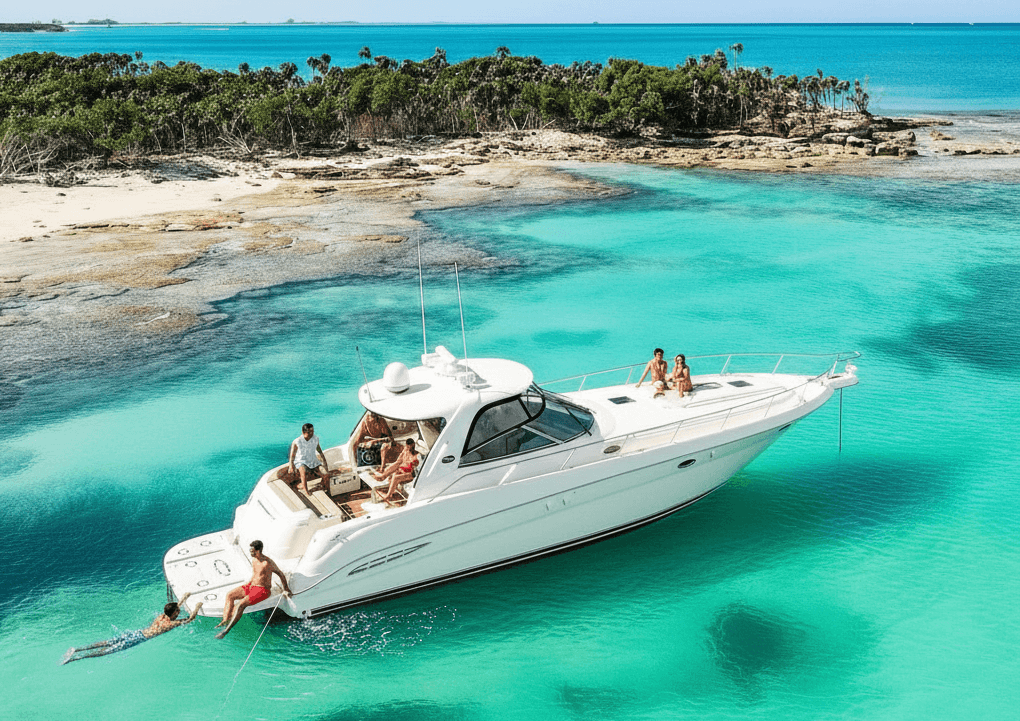
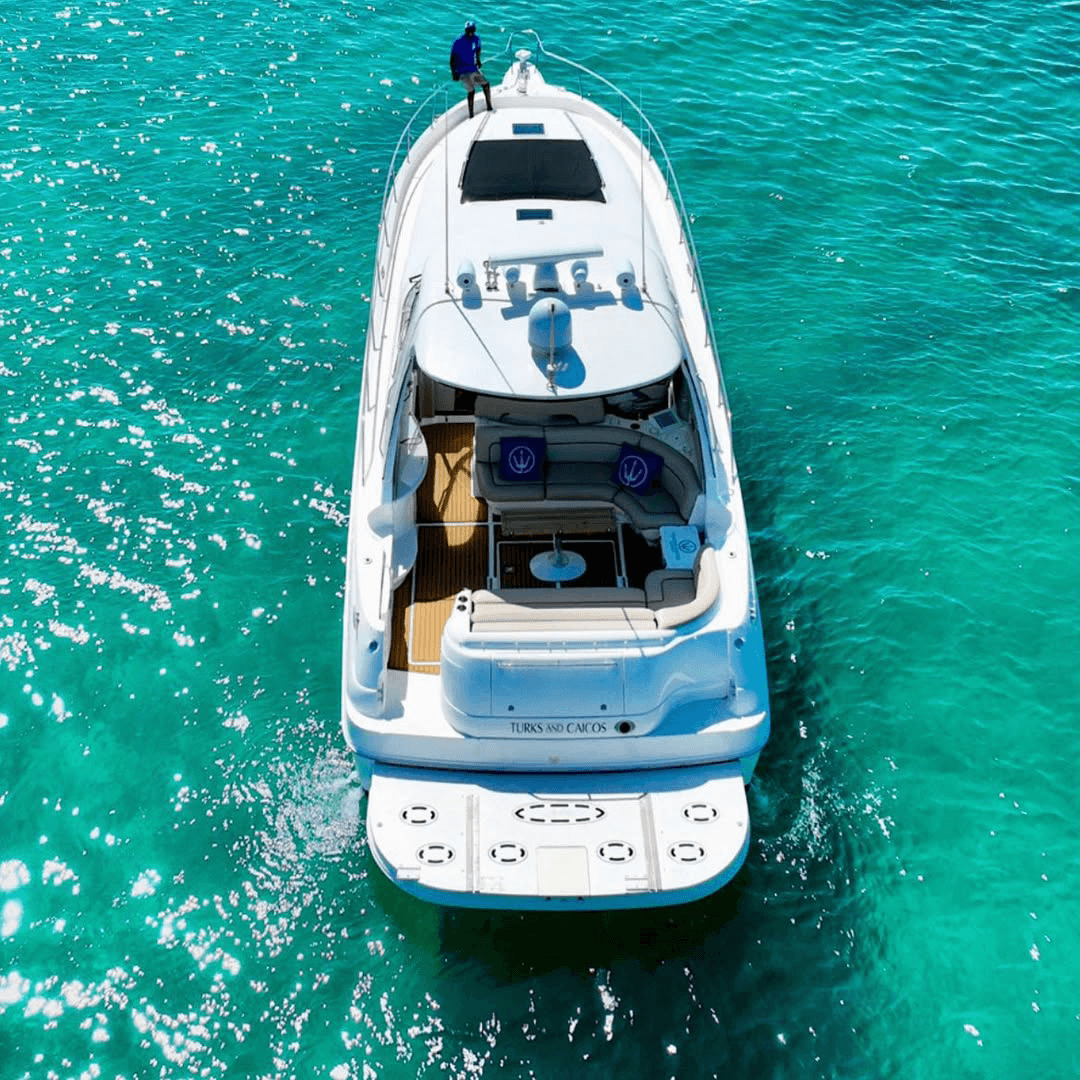
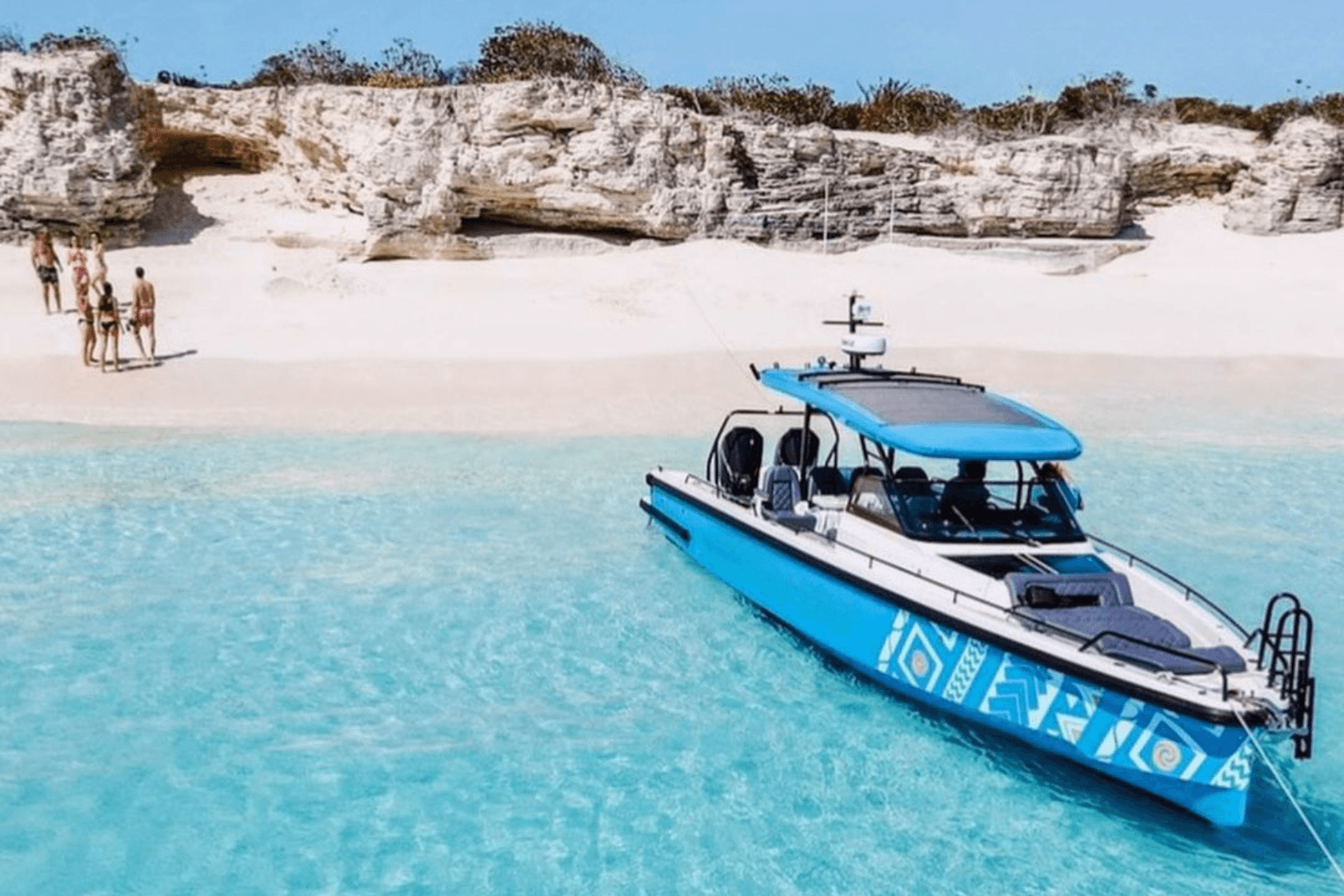
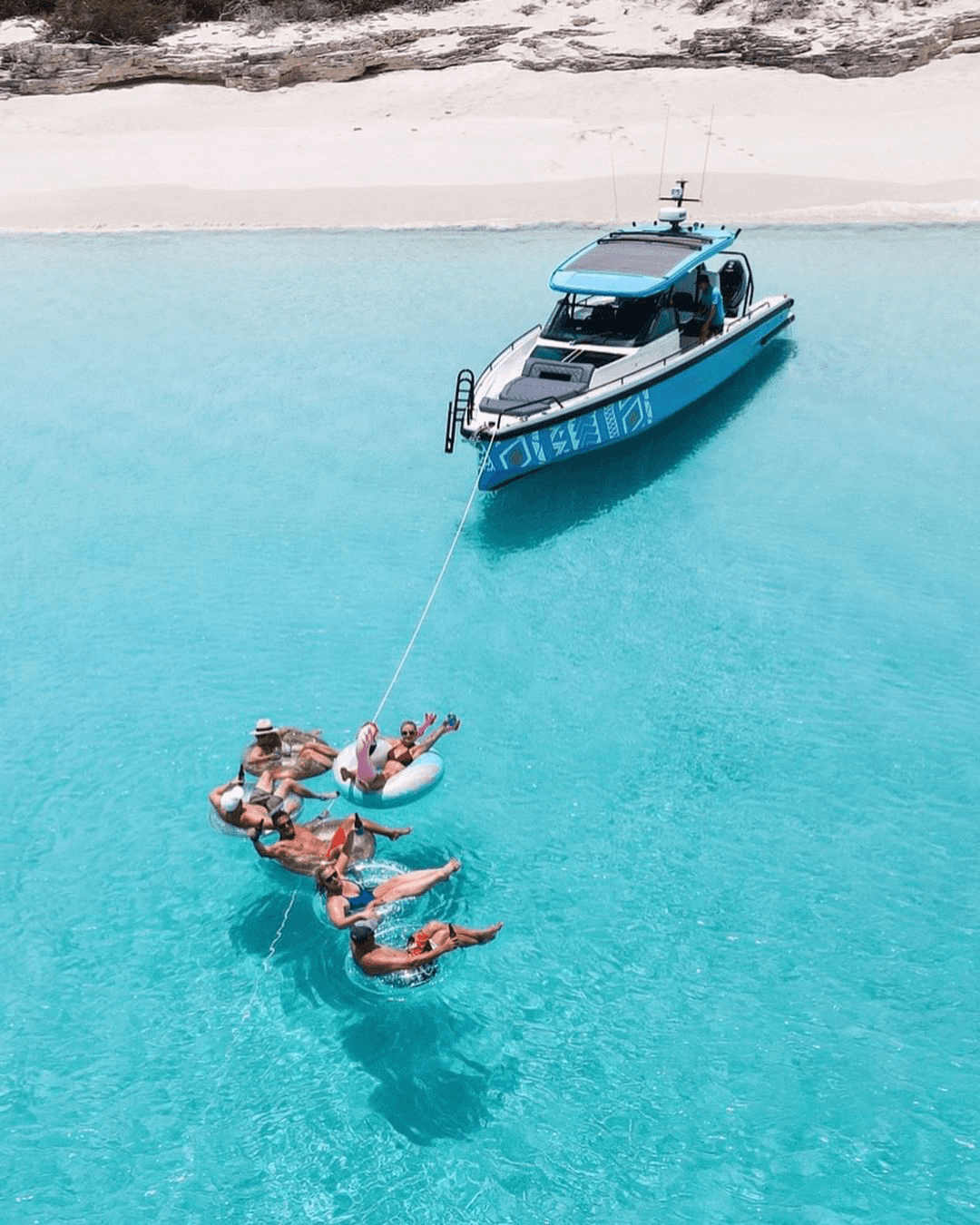
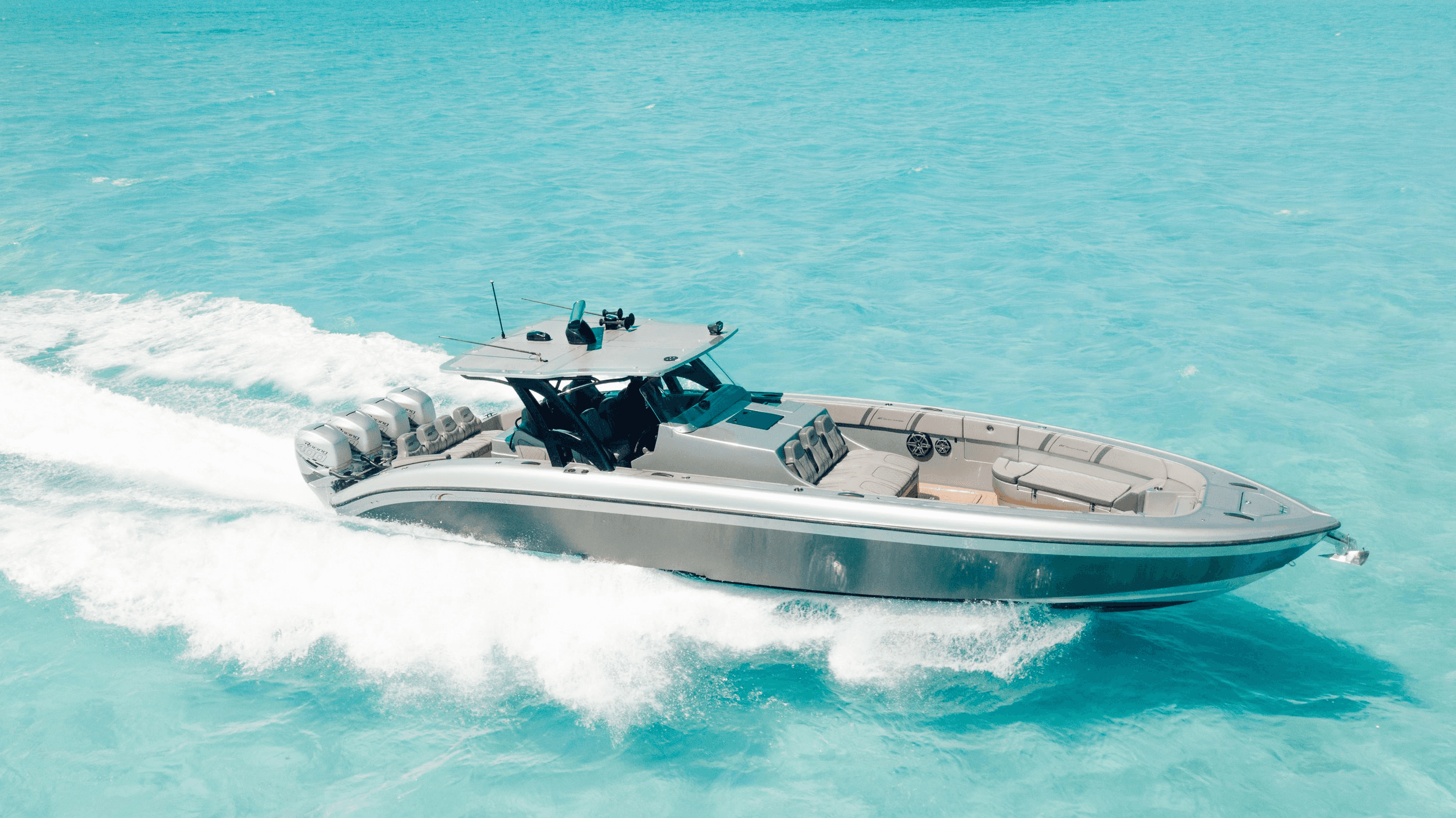
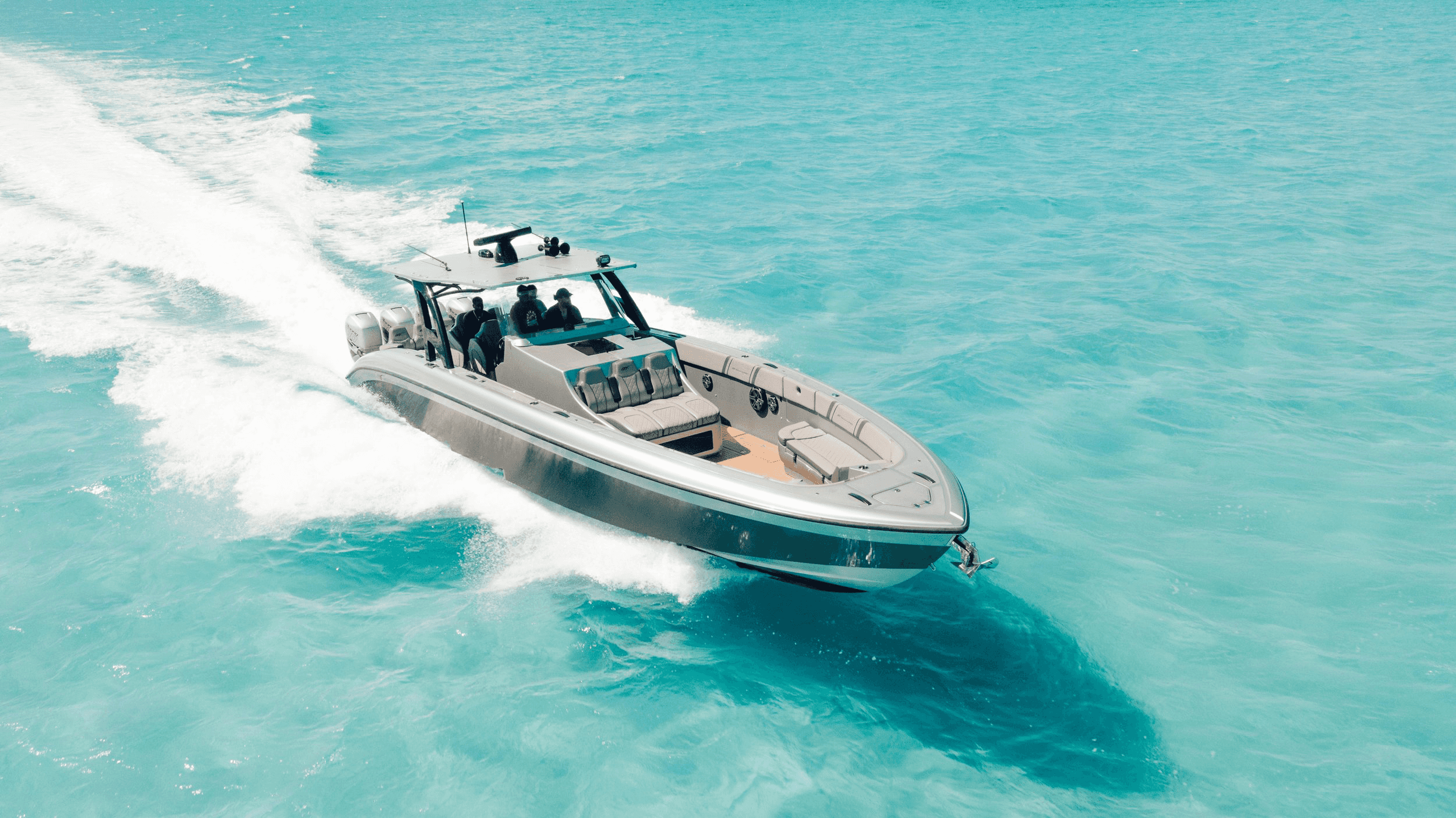
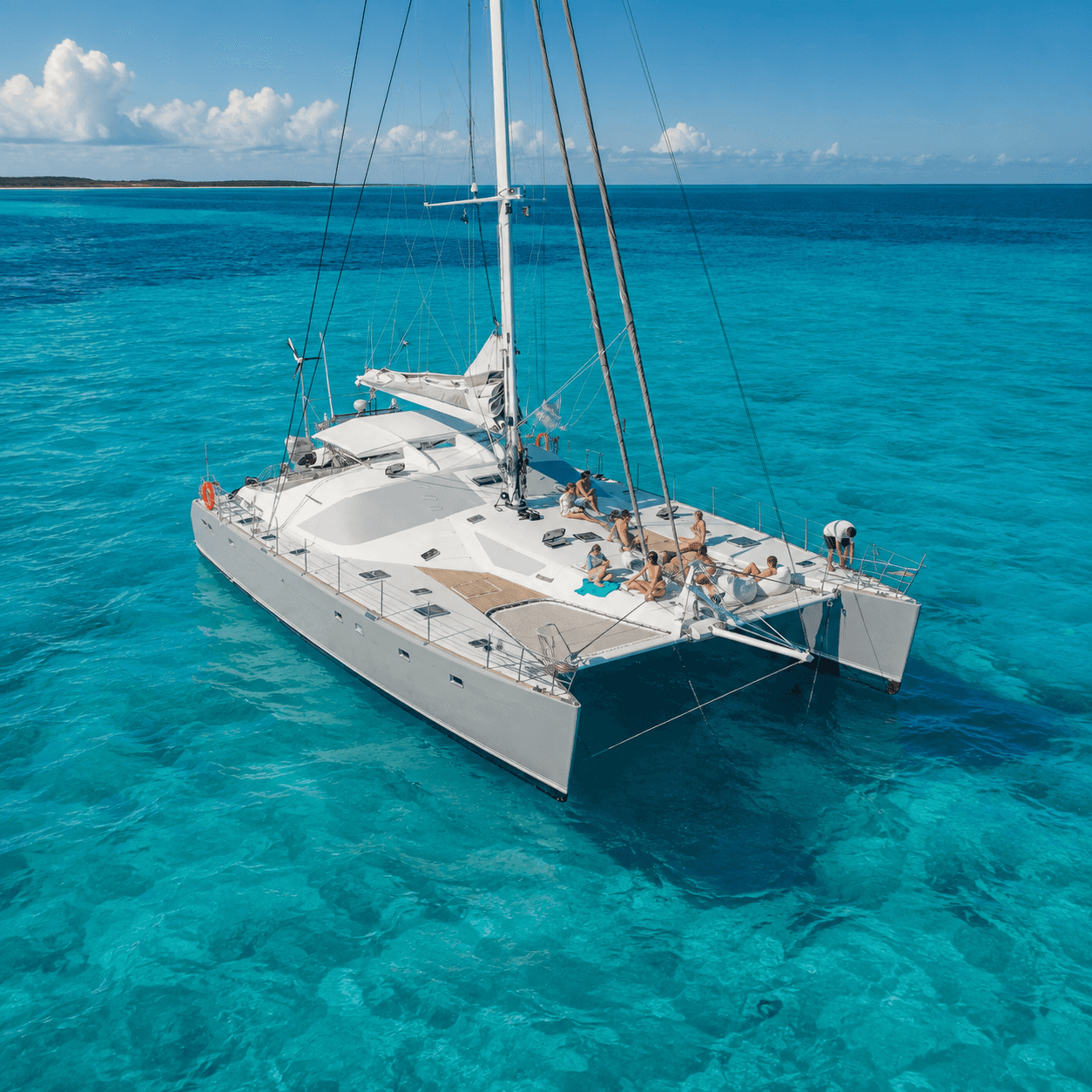
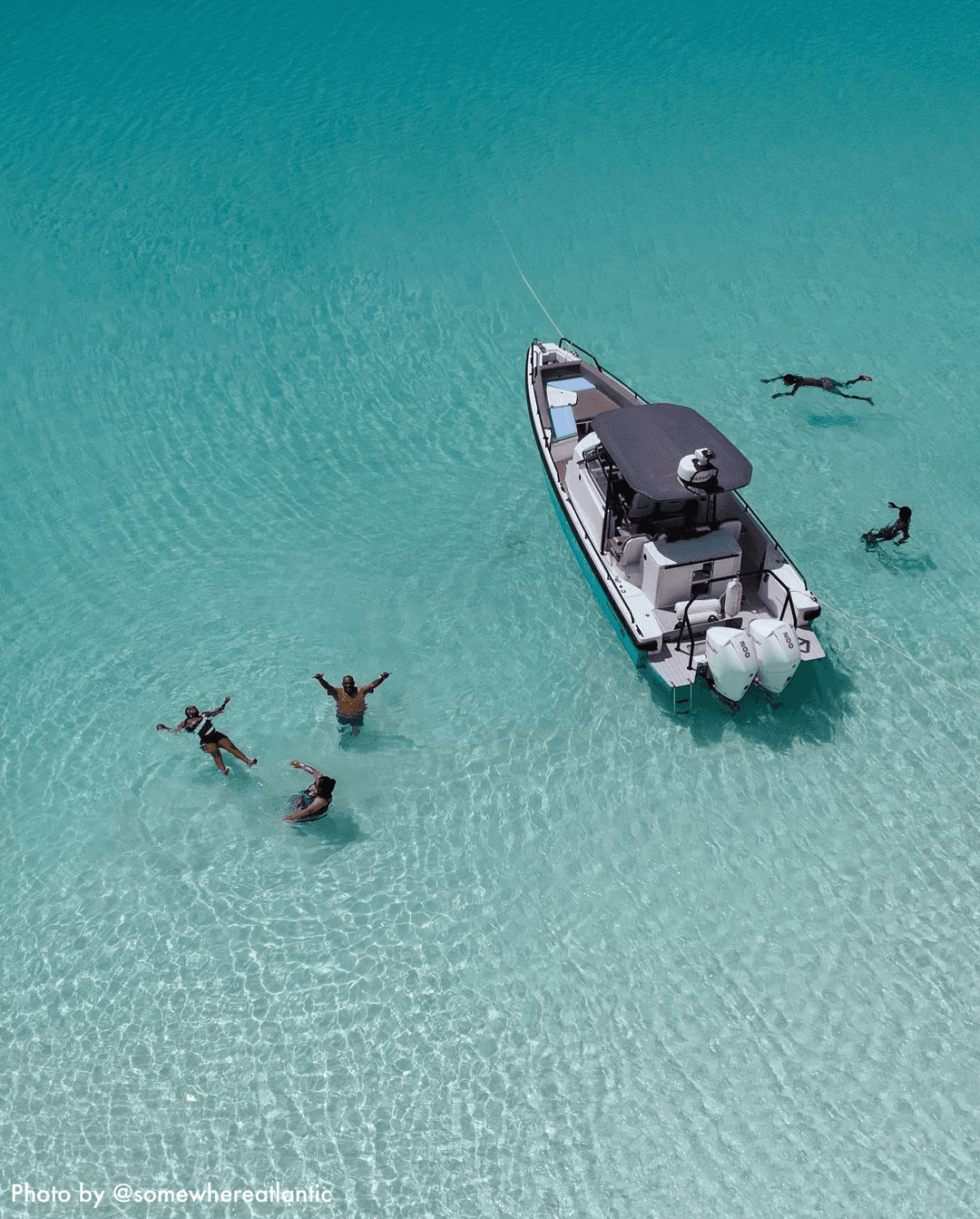
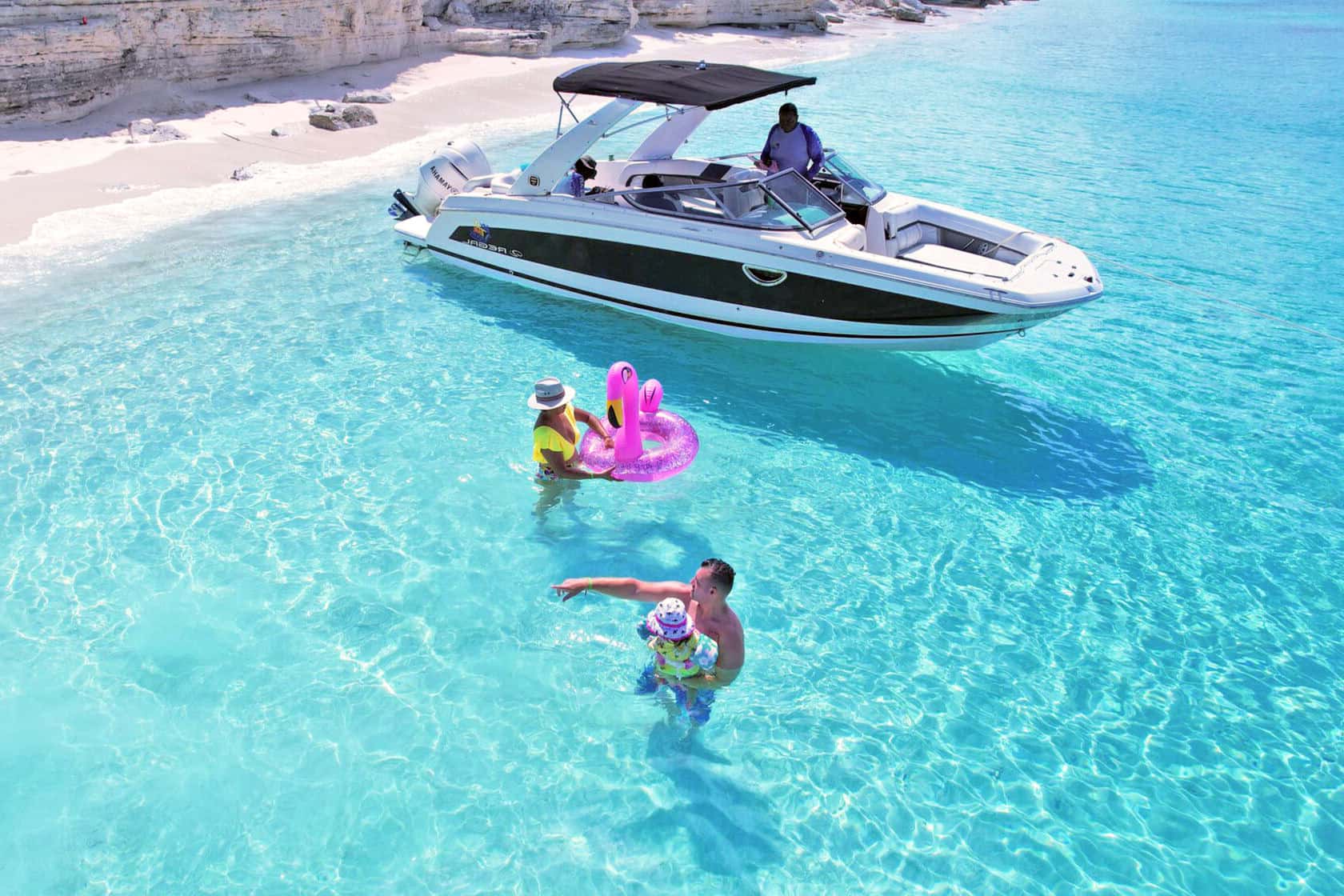
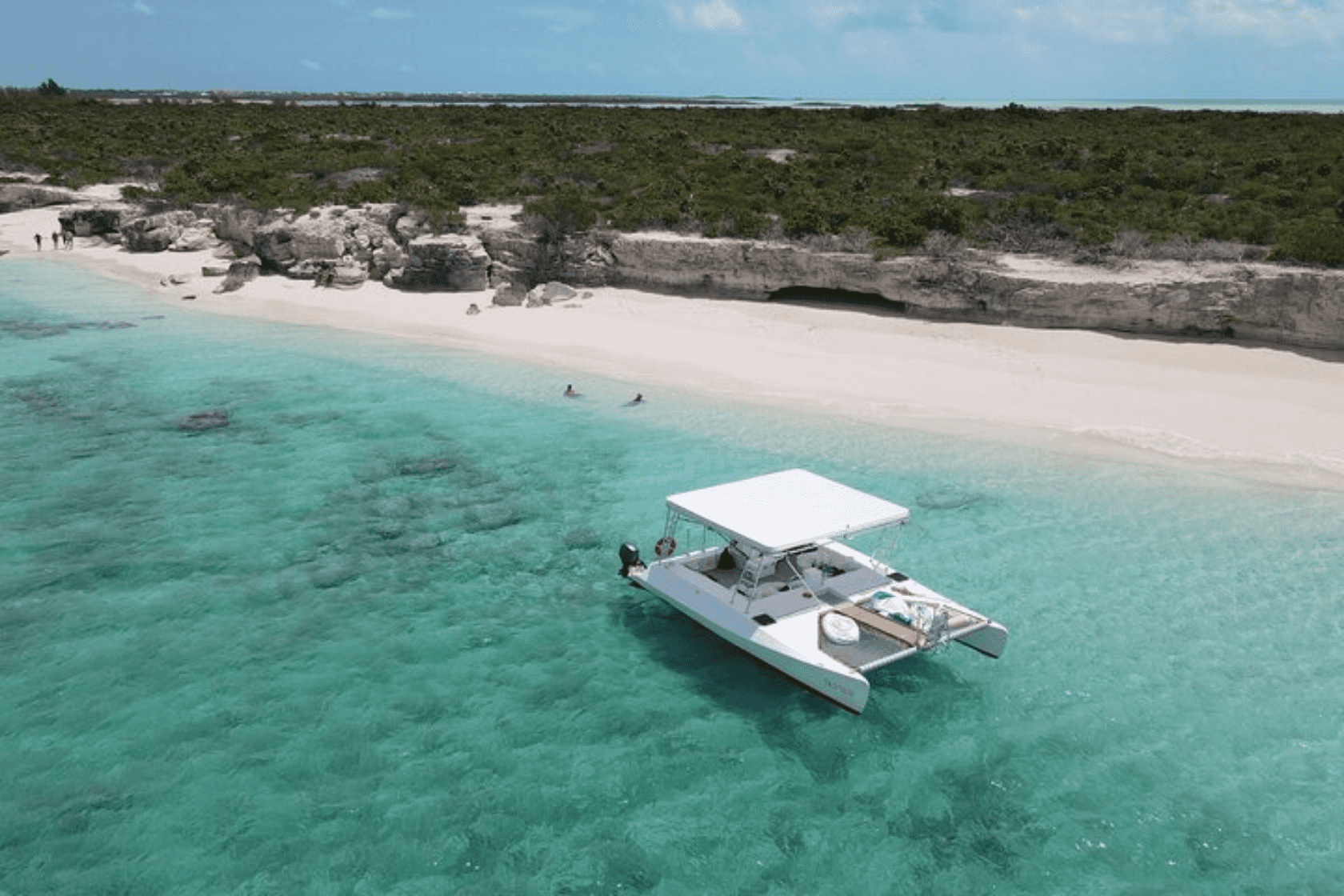
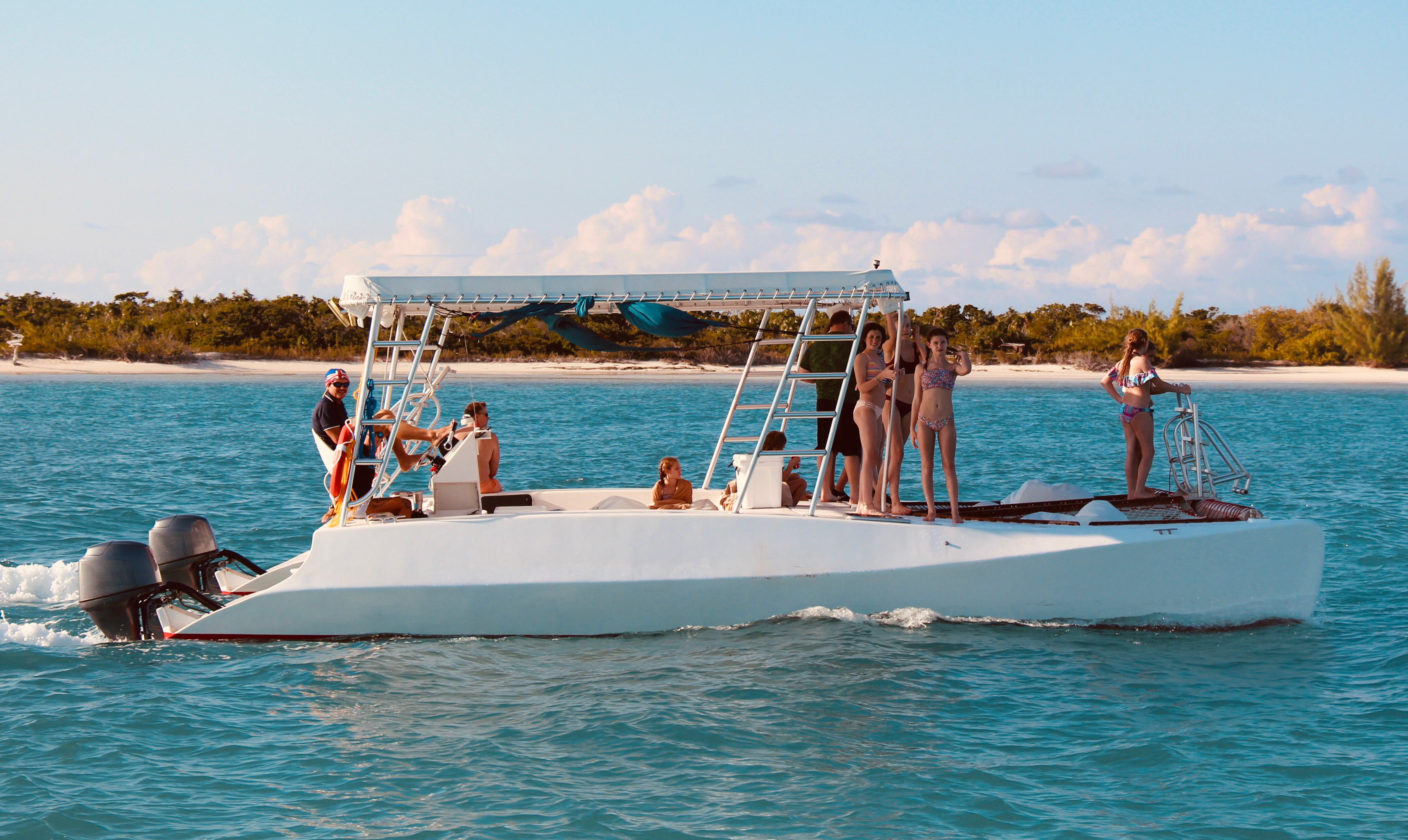
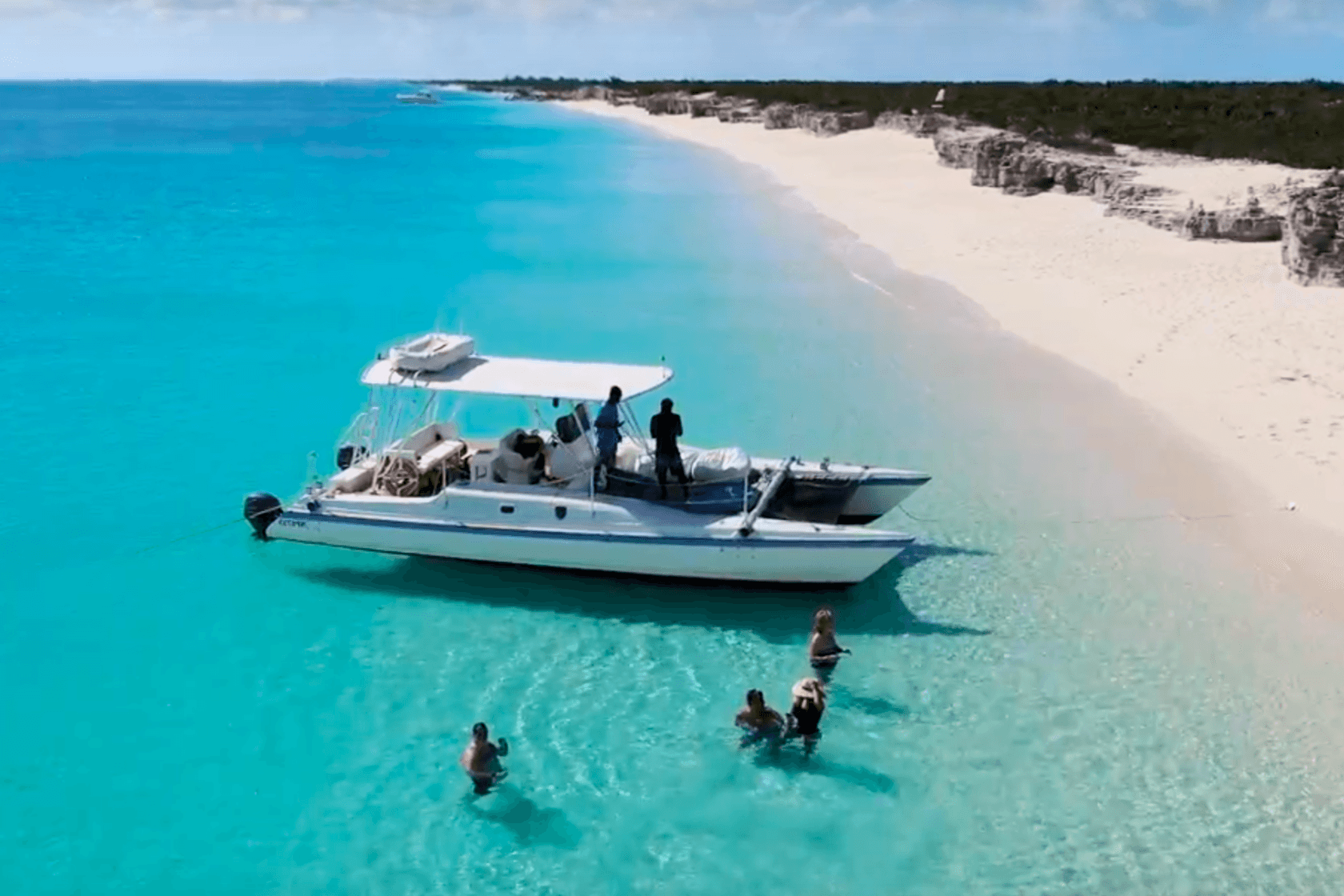
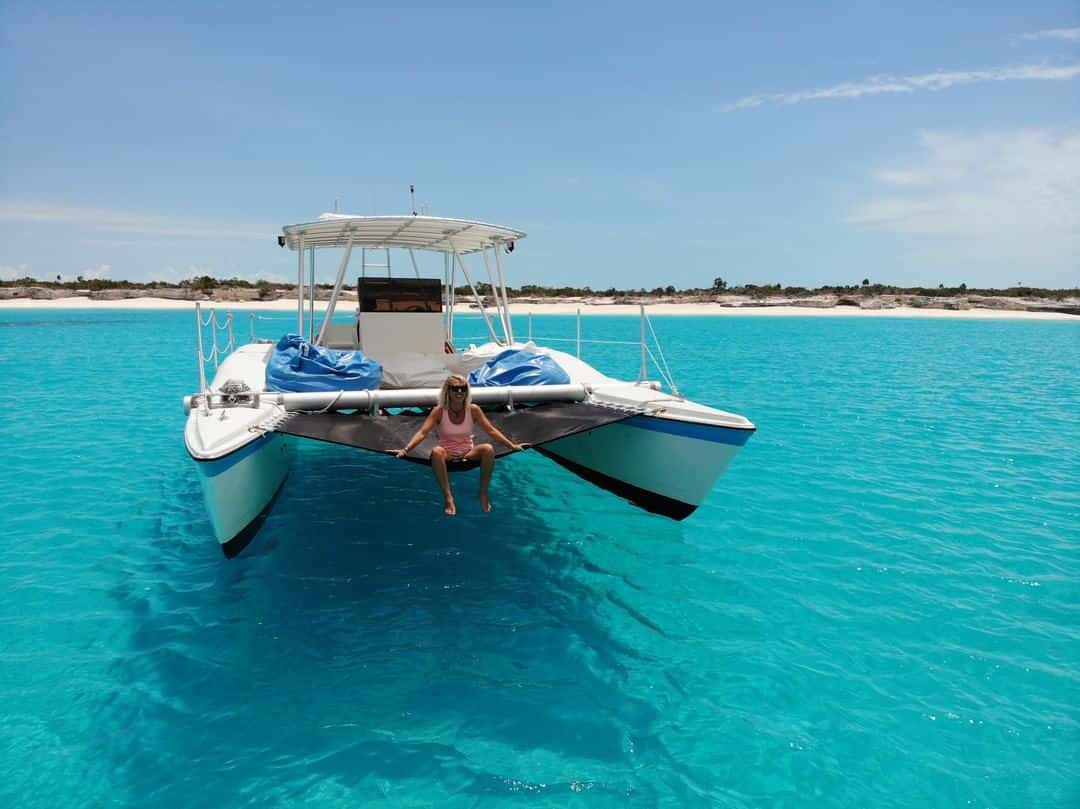
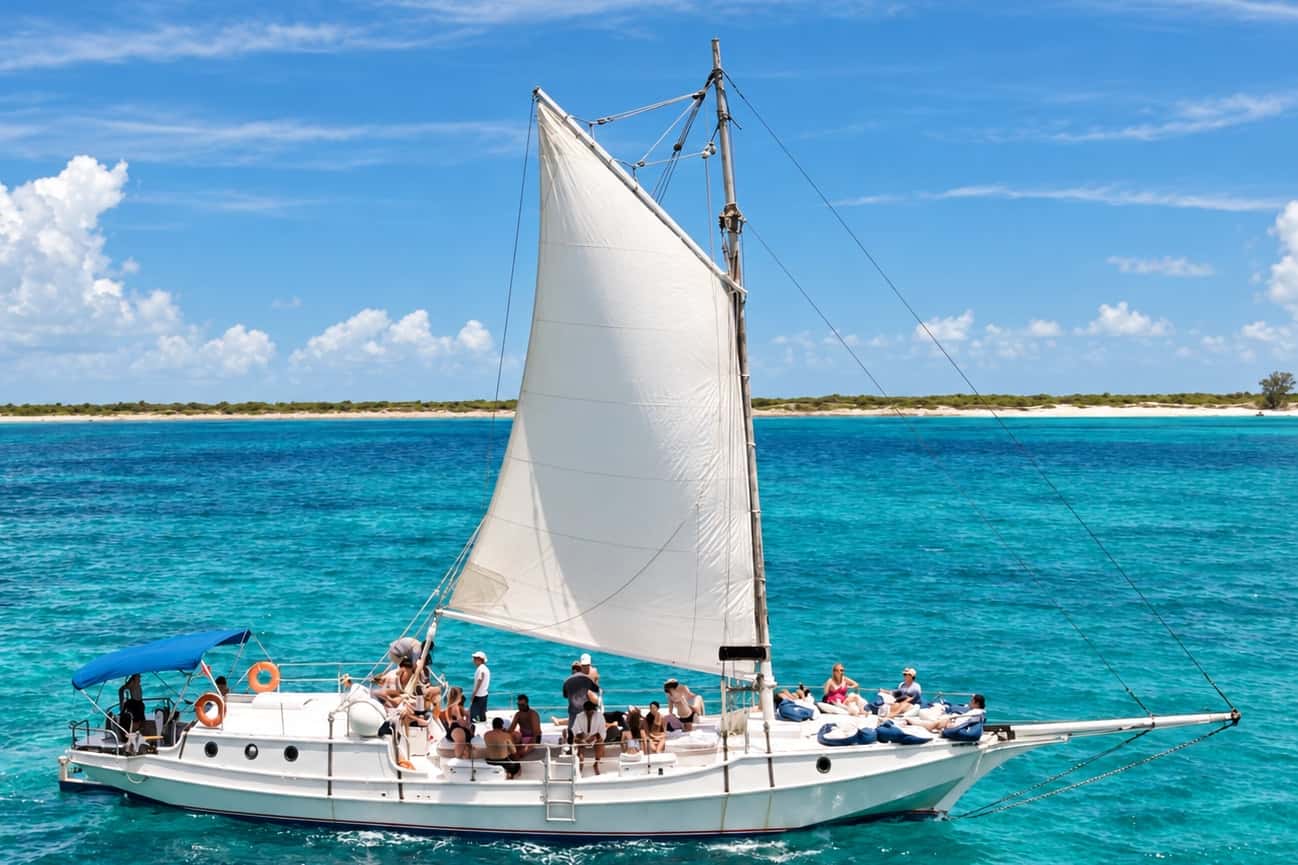
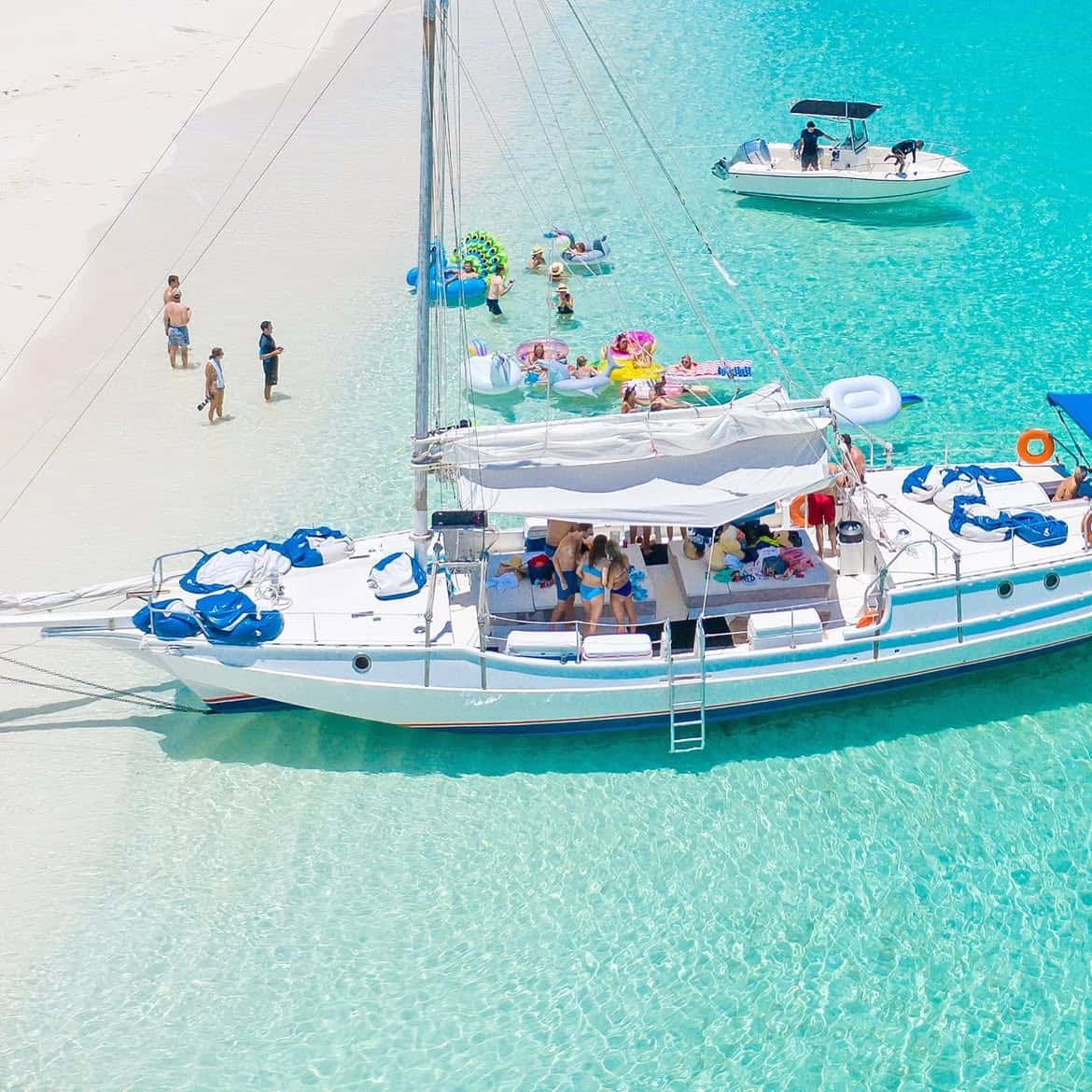
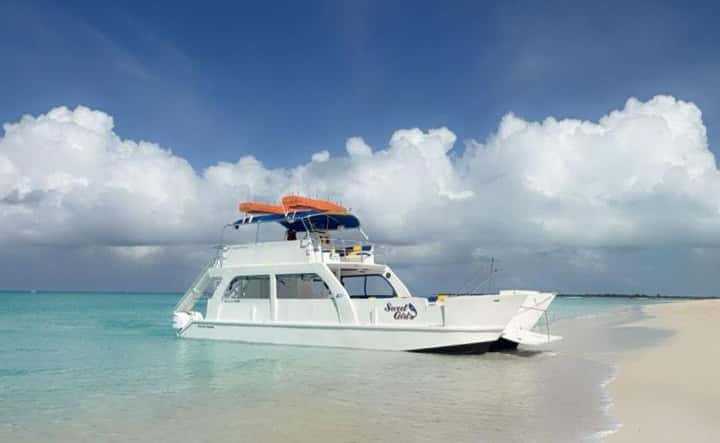
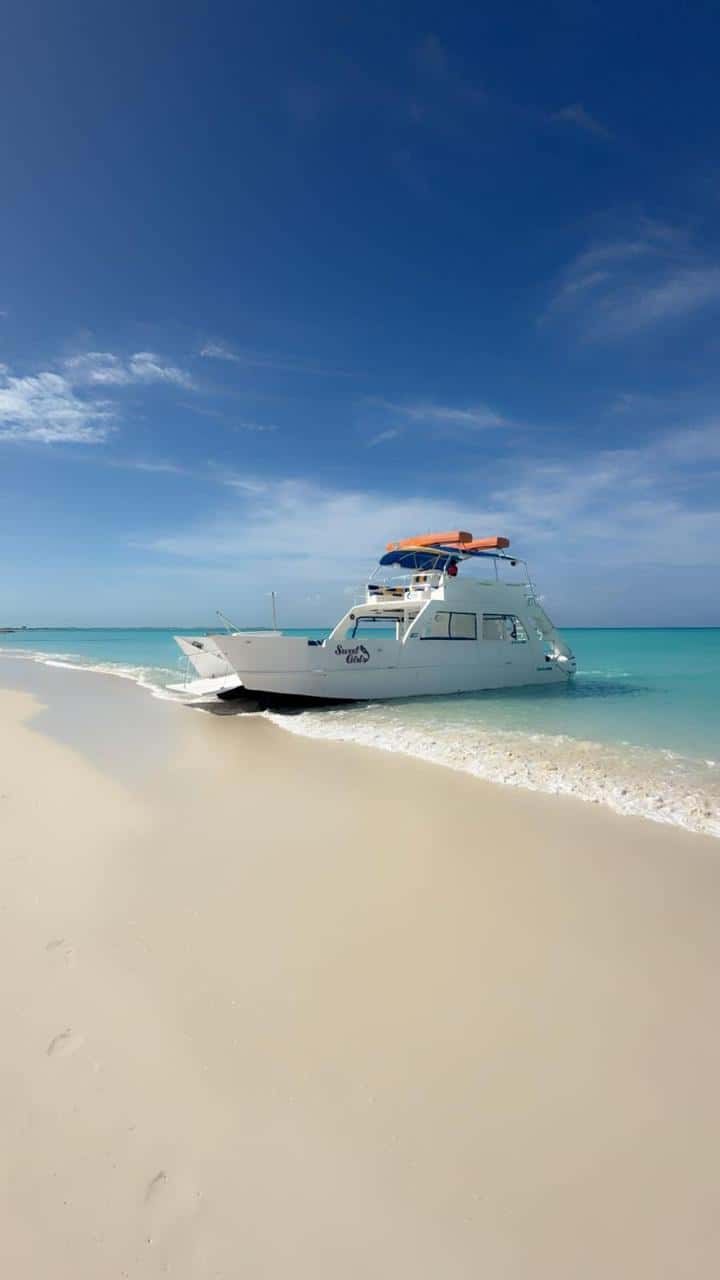
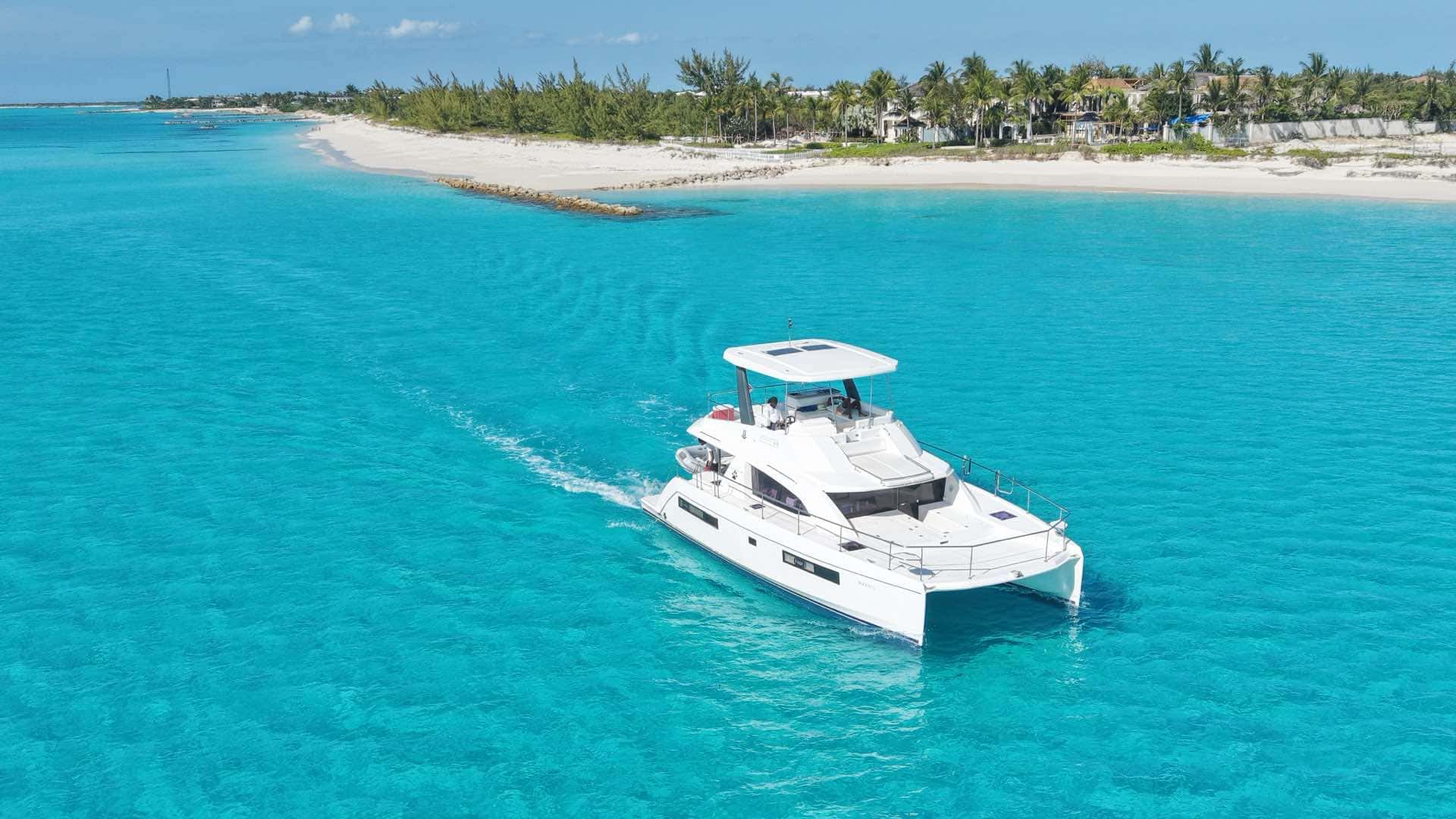
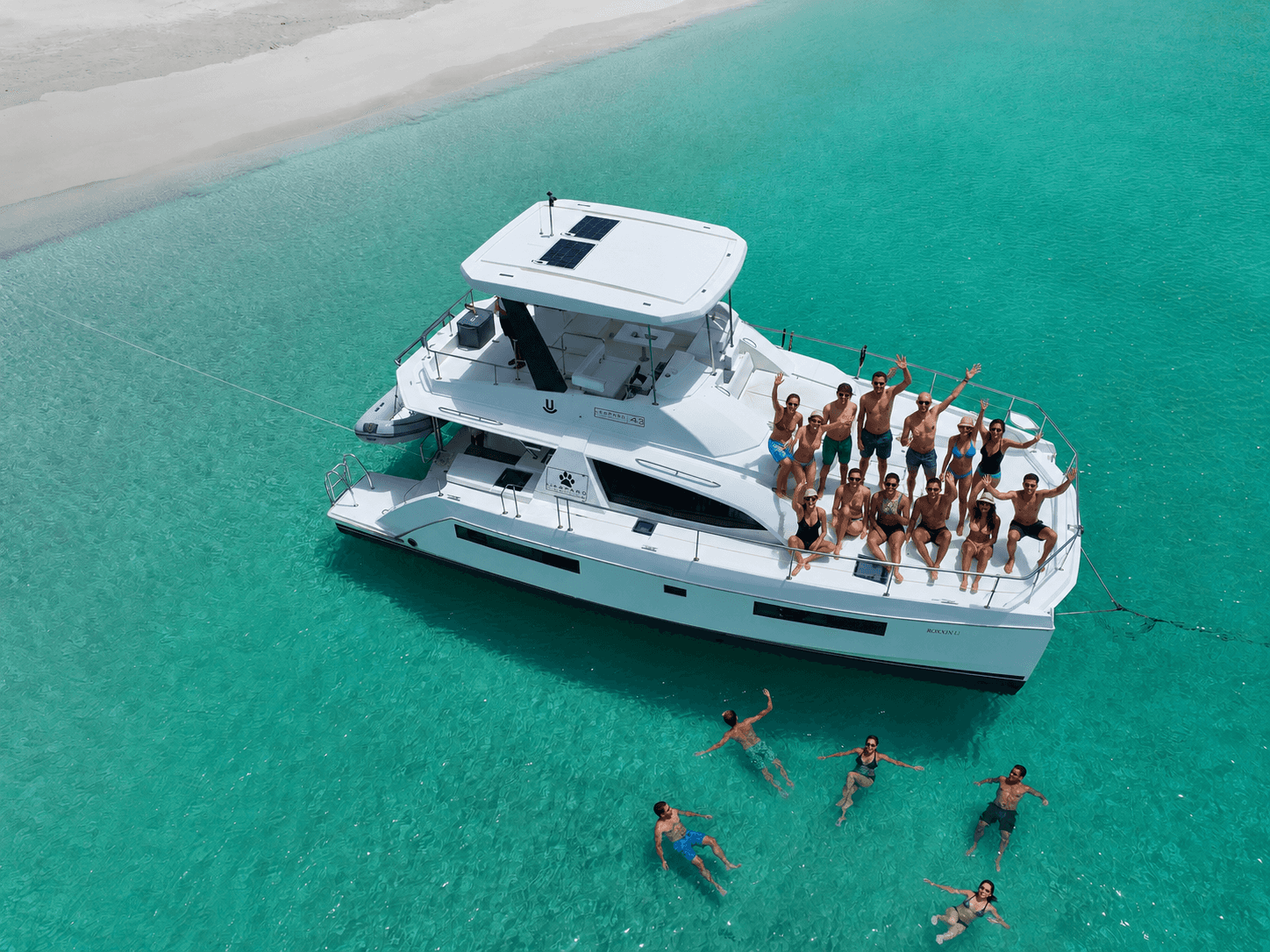
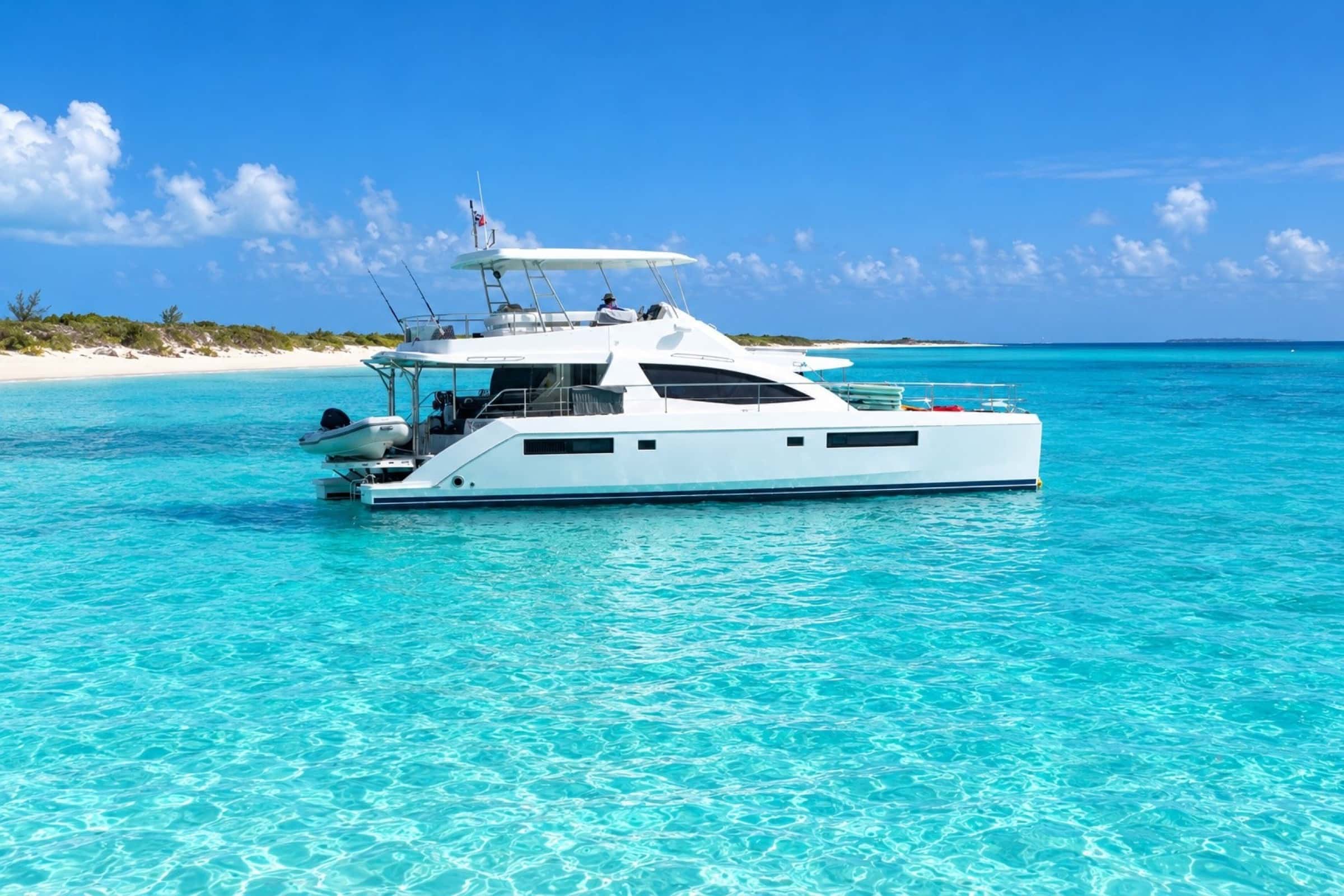
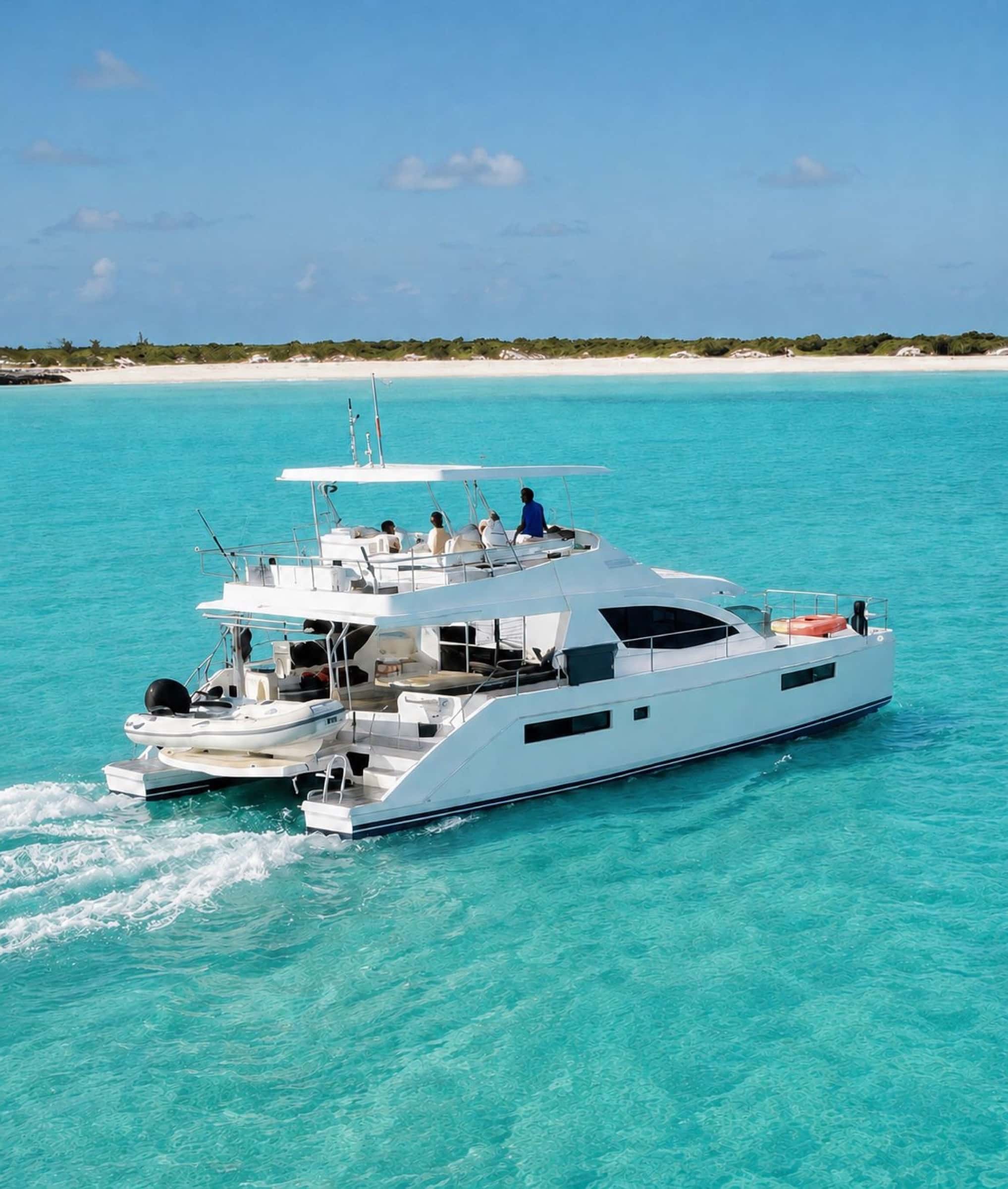
Private charters to Iguana Island


2. By clear kayak
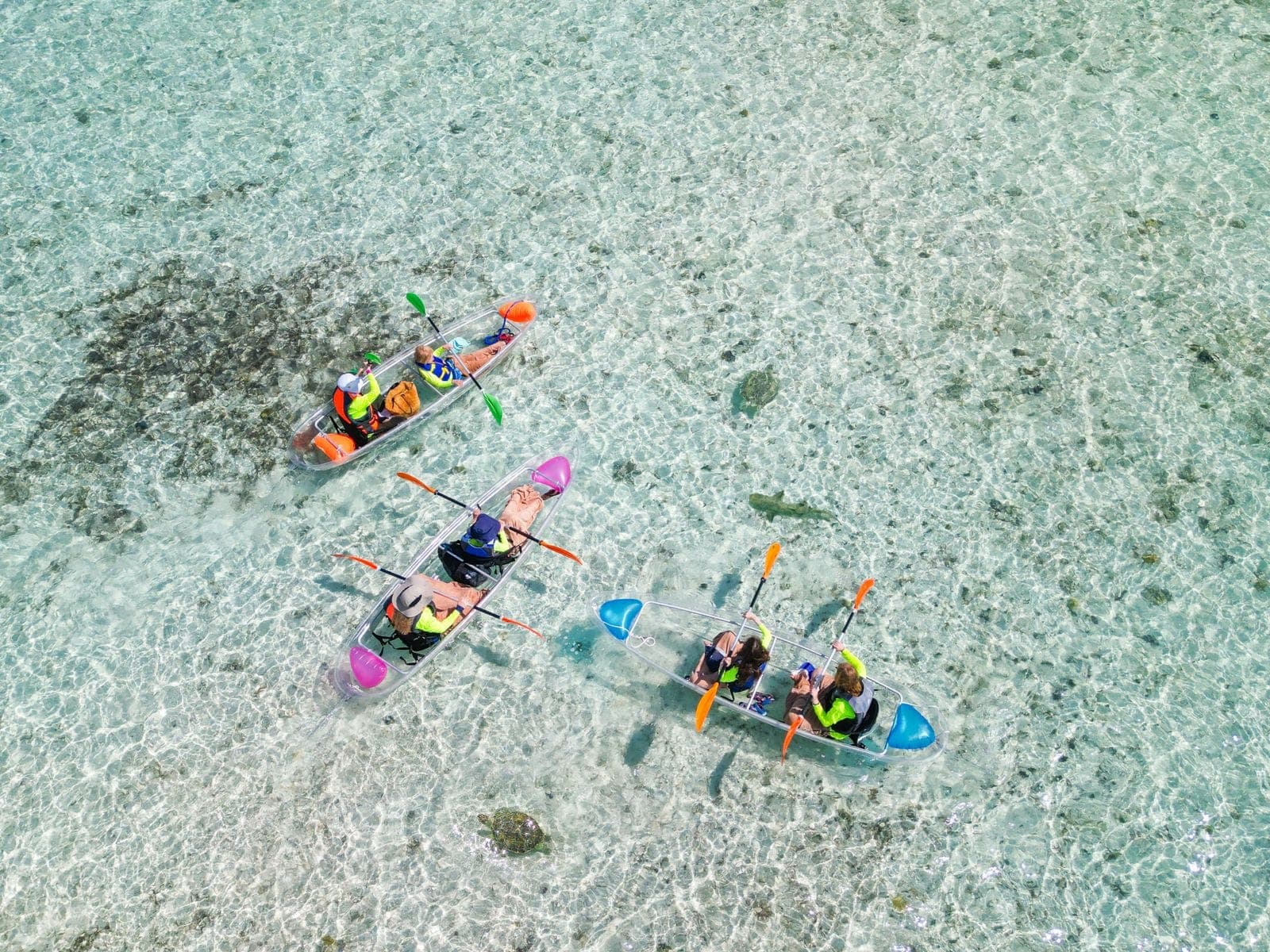
Little Water Cay is only about 500 yards off Providenciales at its closest, so confident paddlers do cross on their own from the Leeward side, where rental kayaks are easy to find near the marinas. Allow two to three hours for the round trip with time ashore, land at the south boardwalk, which is the first you reach, and take the channel seriously: the tide runs a real current through it. Admission is the same however you arrive.
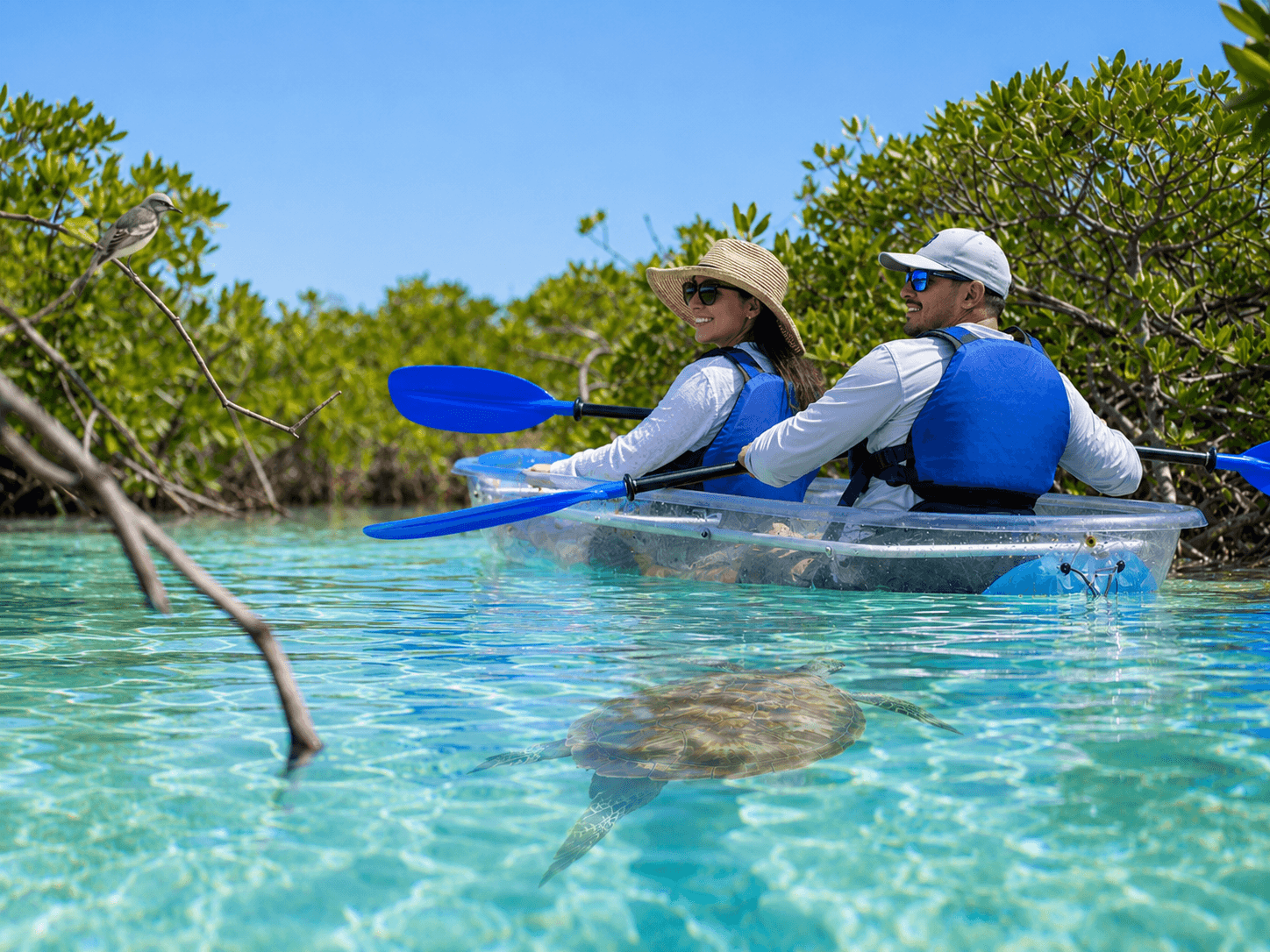
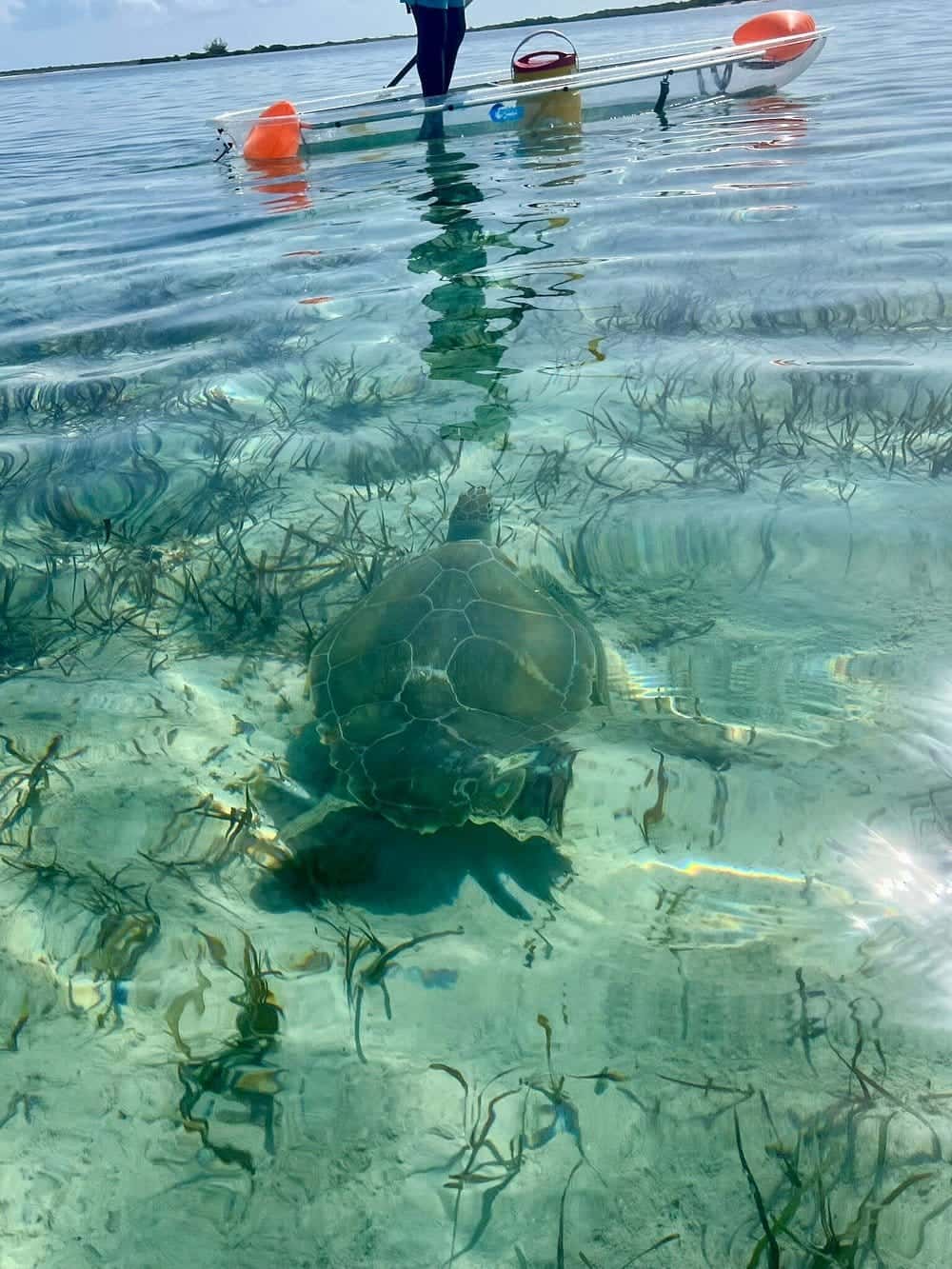
The three-hour Mangrove & Iguana Island Clear Kayak Tour paddles through the mangroves first, looking down through the hull at turtles, rays and young lemon sharks, then lands on the island to see the iguanas. It’s for ages 3 and up, and children 3 to 12 pay less.
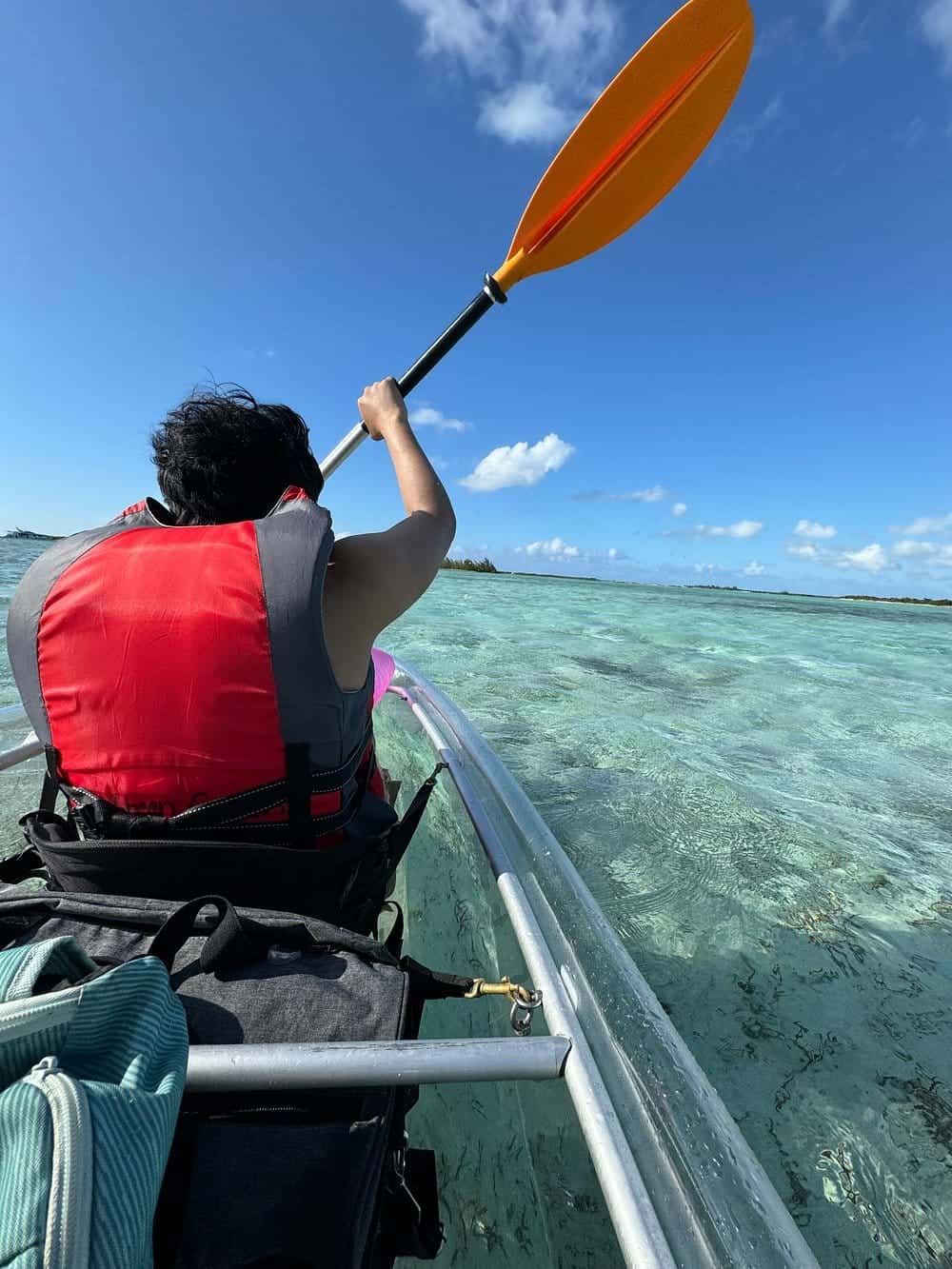
On the tour, the guide handles the current and the route, and every kayak carries its safety gear. Weight limits are 250 lbs for a single kayak and 400 lbs for a double, and bring a dry pouch for your phone: you’ll want it for the view through the hull.
Kayak to Iguana Island
3. On a group tour
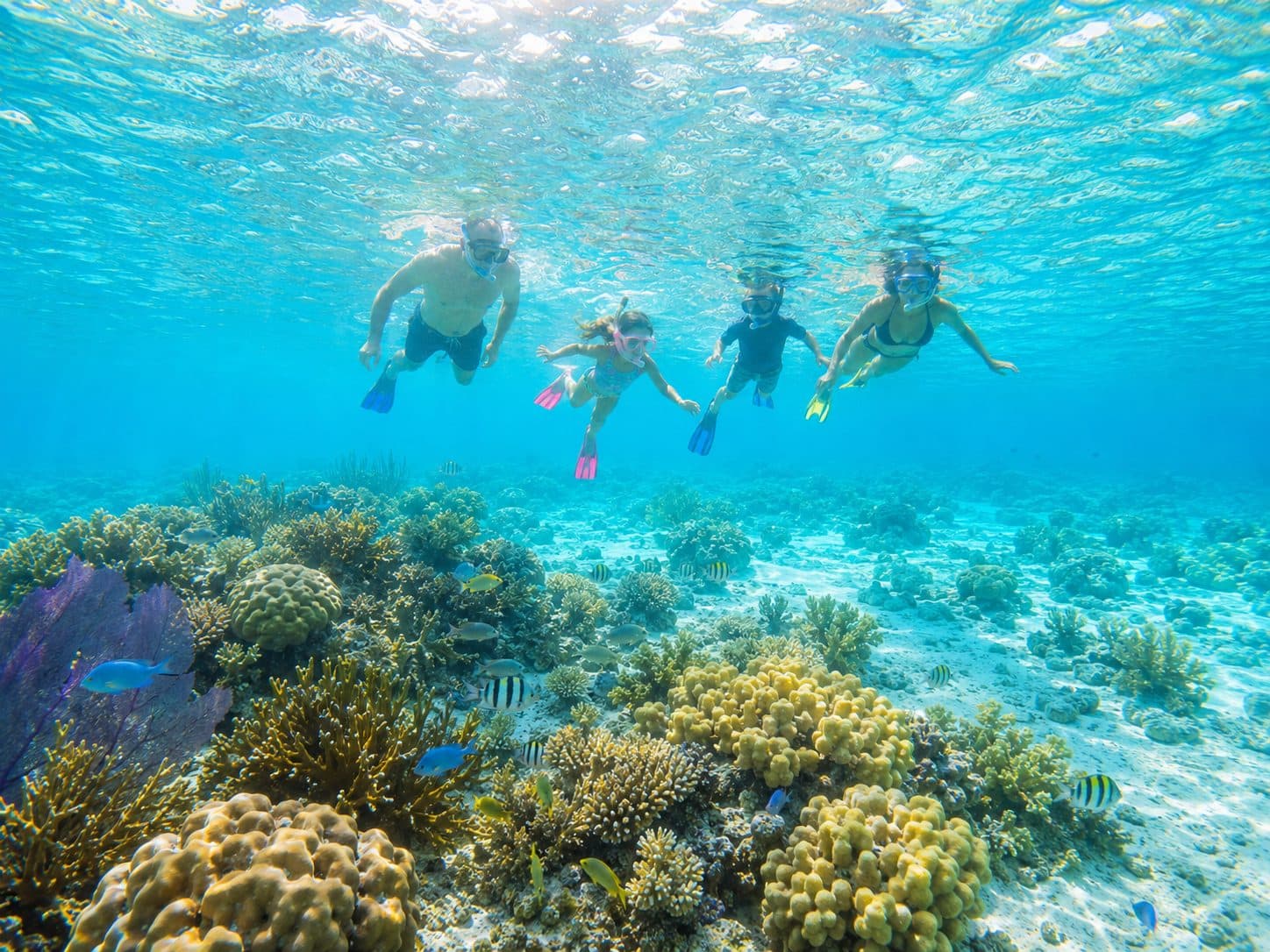
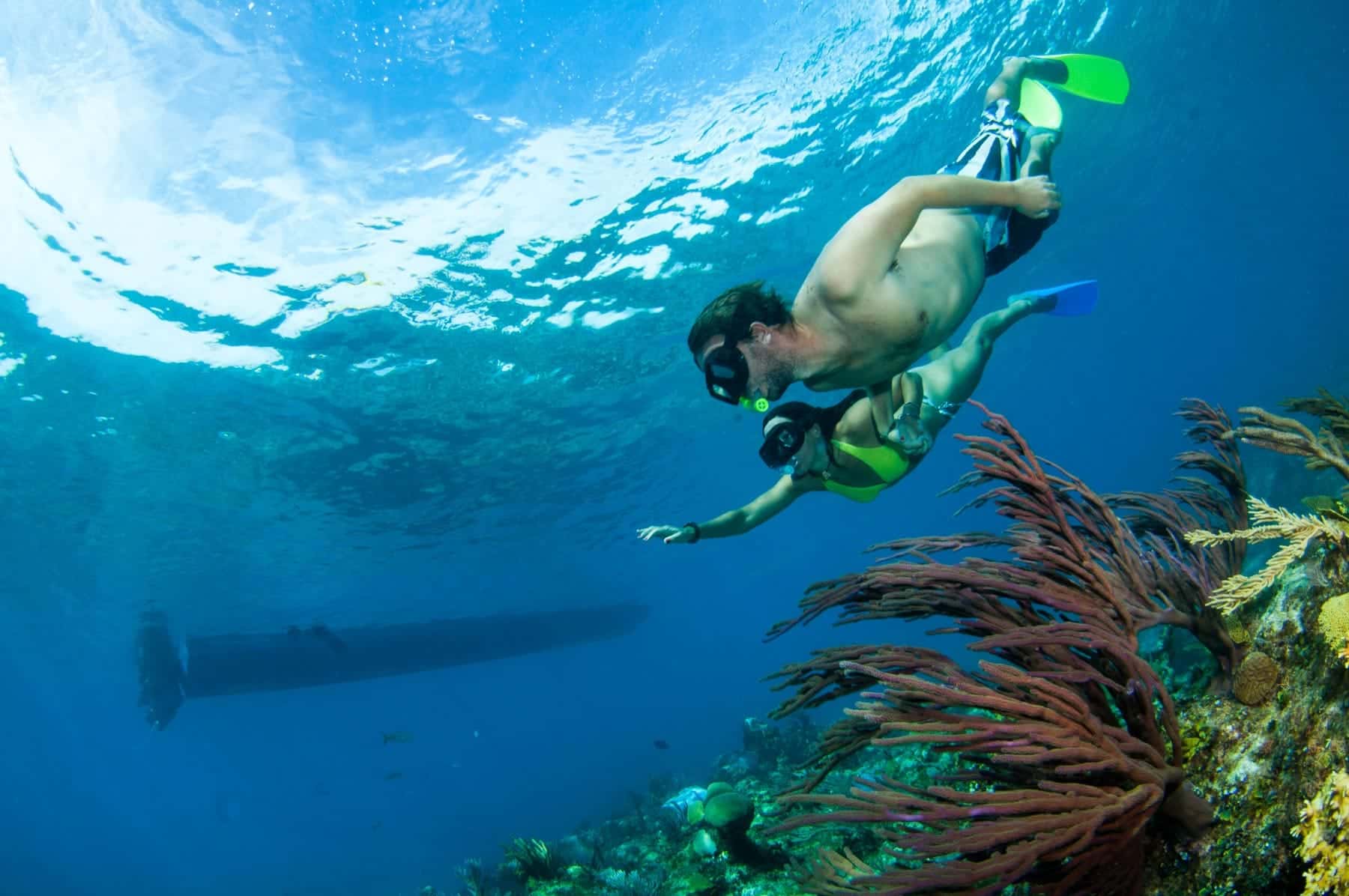
The three-hour Snorkel, Shipwreck & Iguana Tour and the Snuba, Shipwreck & Iguana Tour both finish at the island after a reef and the La Famille Express shipwreck, with lunch on board, priced per person. They run on Wednesdays, Saturdays and Sundays. The island is open Monday to Saturday, 10 am to 3:30 pm, so on a Sunday or afternoon tour, ask us before you book how the island stop works. See our guide to group snorkel tours.
Group tours to Iguana Island
4. By jet ski
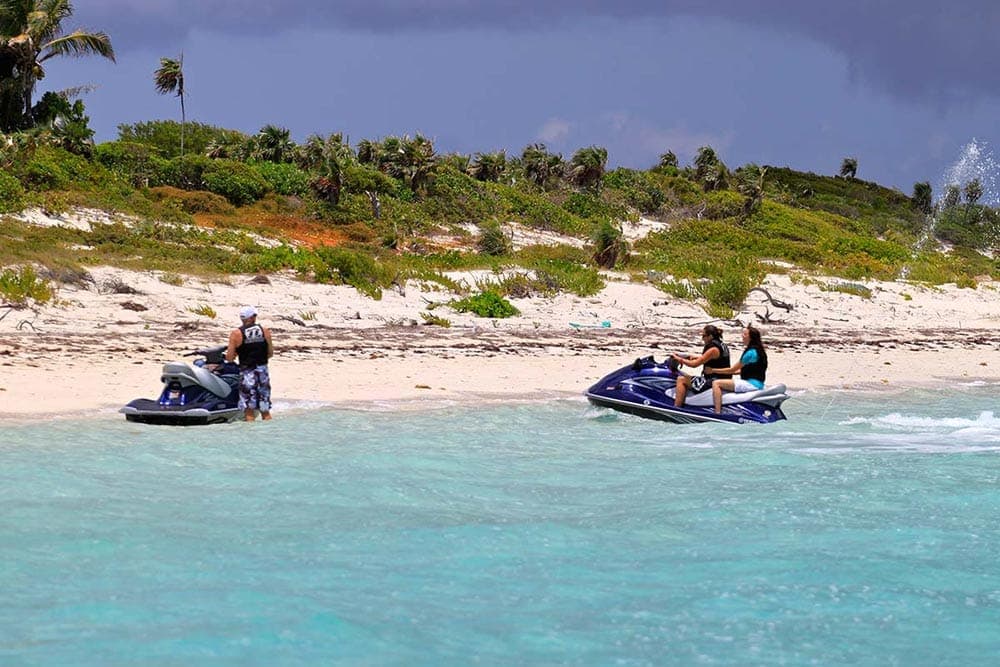
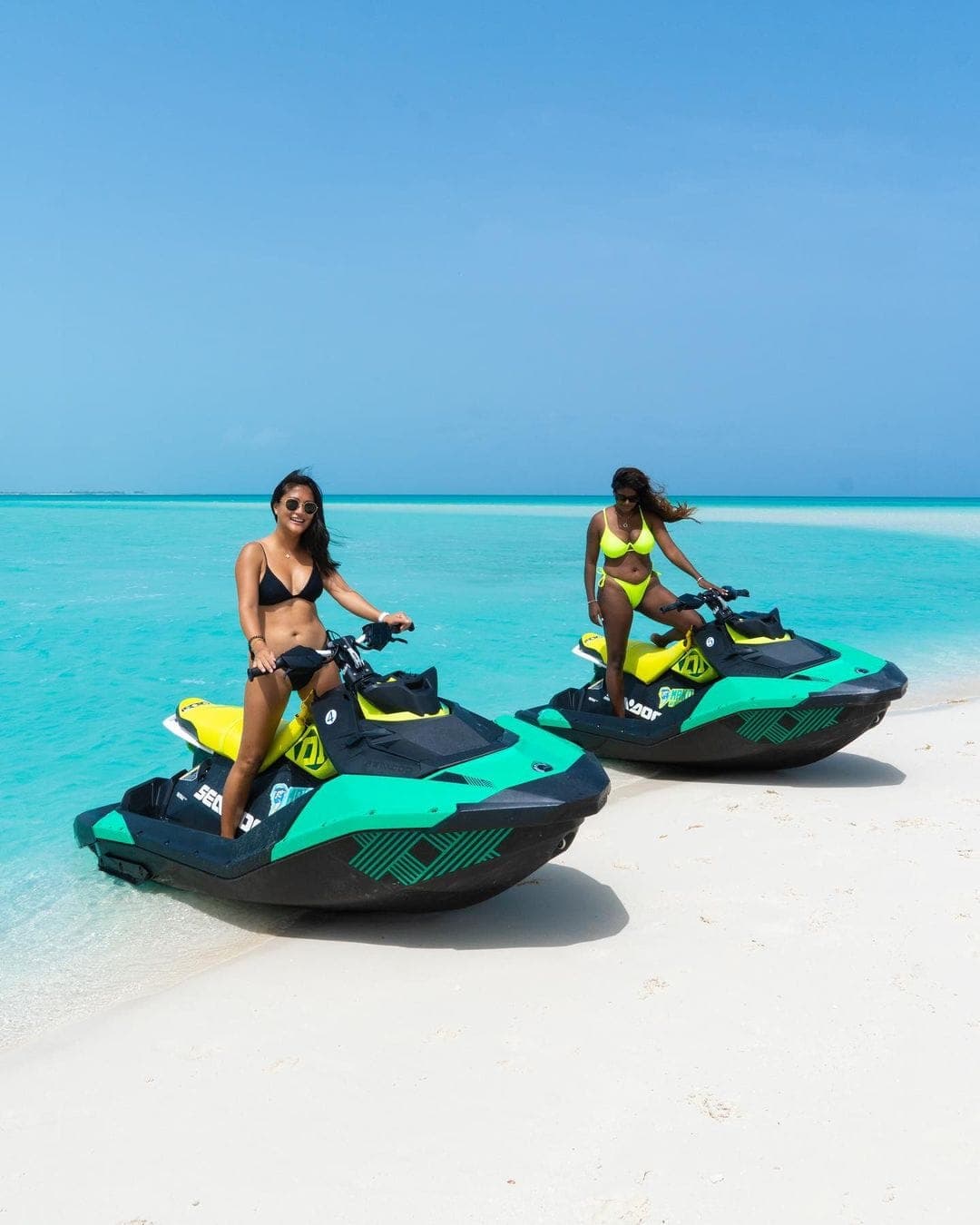
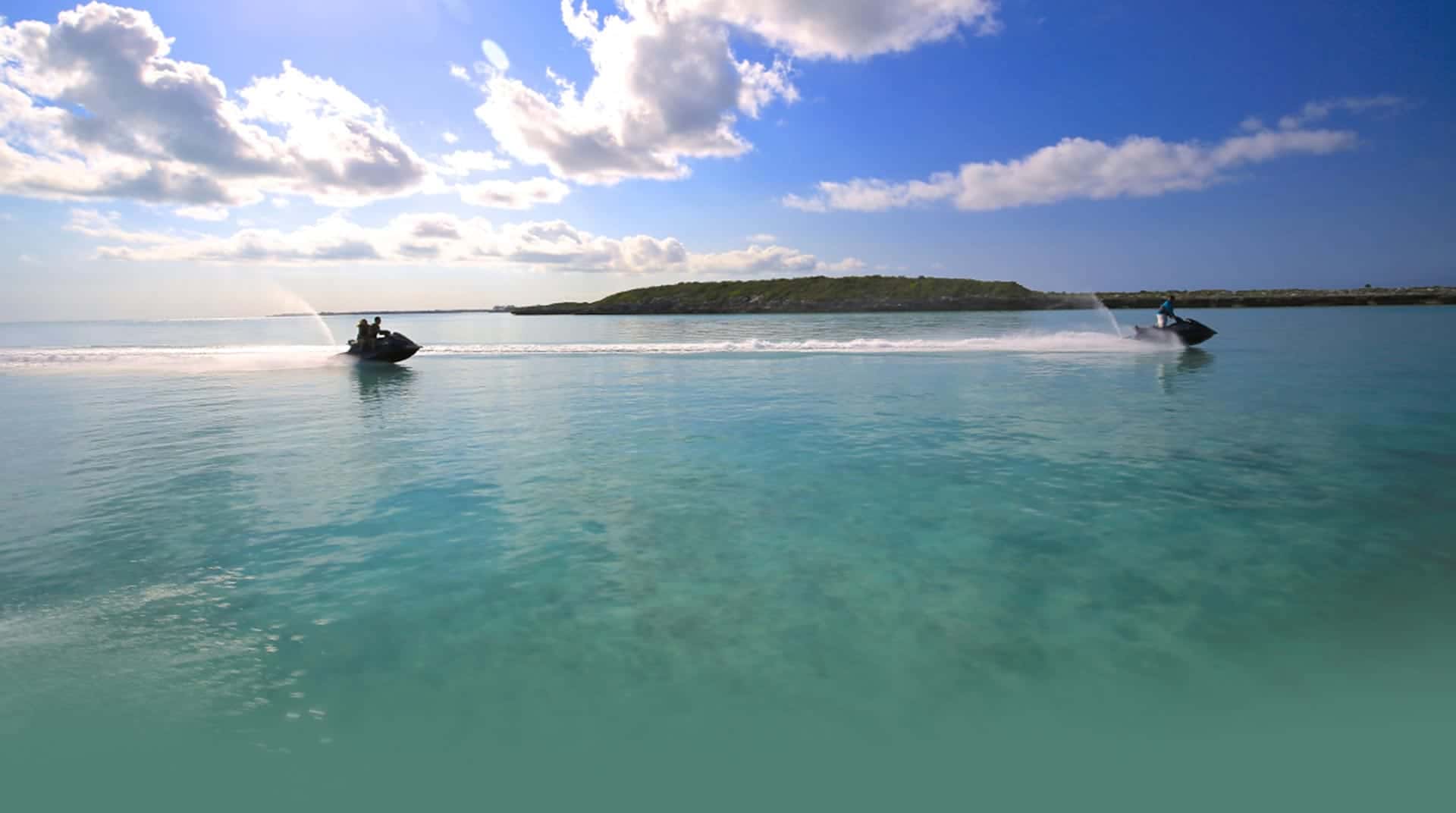
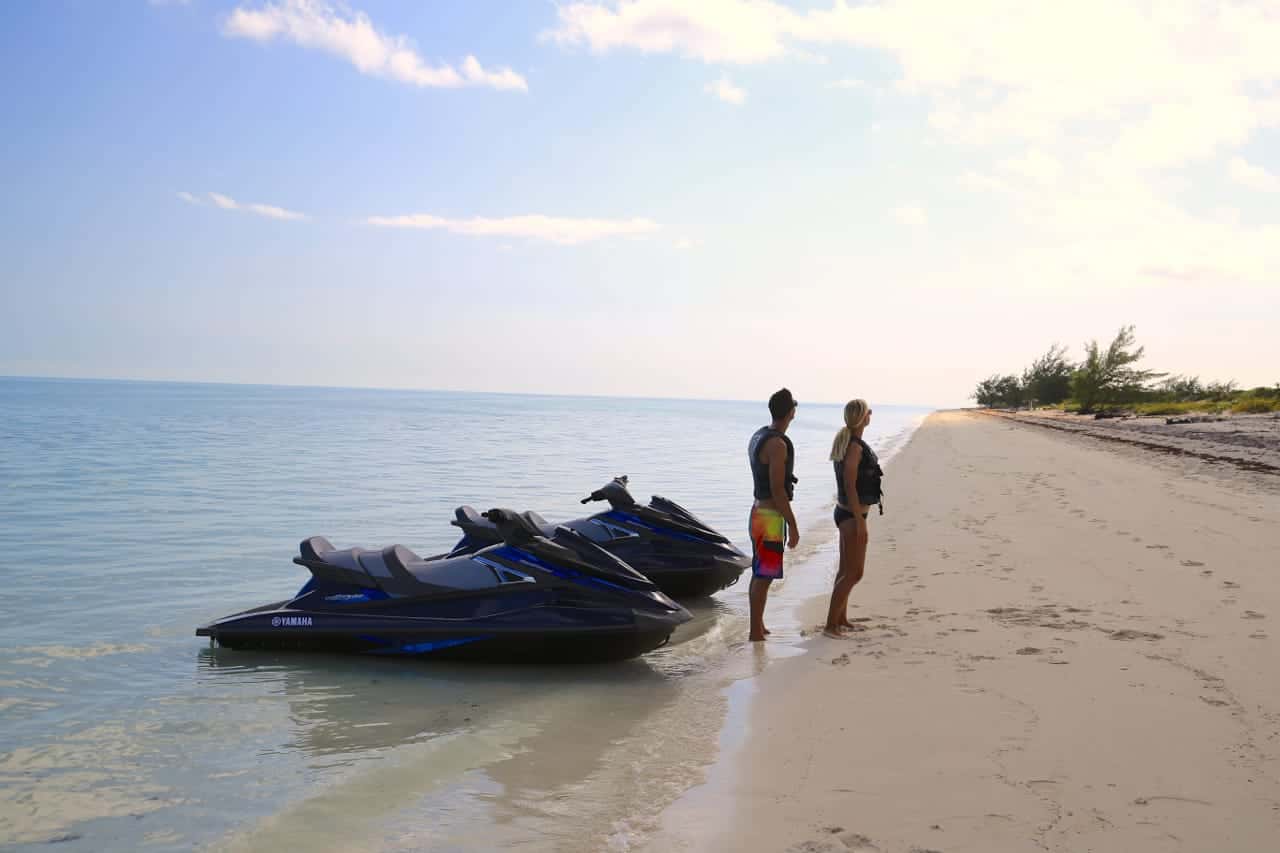
The two-hour Caicos Cays jet ski tours ride right alongside Little Water Cay on the way through the cays, past Half Moon Bay and into the mangrove channels. Jet skis don’t land there, so you’ll see the island from the water rather than walk it.
Jet ski tours past Iguana Island

What it costs to visit Iguana Island
All-in prices for the ways there.
| Experience | Duration | Guests | All-in price |
|---|---|---|---|
| 3HR Mangrove & Iguana Island Clear Kayak Tour | 3 hours | — | $154per person |
| 3HR Snorkel, Shipwreck & Iguana Tour | 3 hours | — | $148per person |
| 2HR Caicos Cays Tour | 2 hours | 2 riders per jet ski | $428per jet ski |
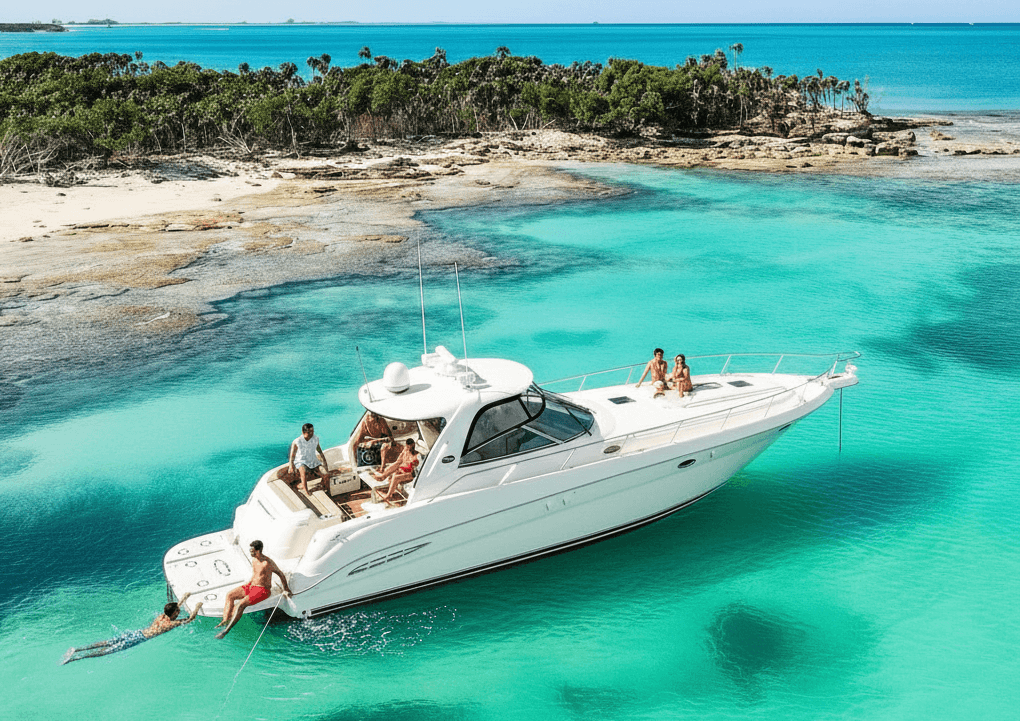
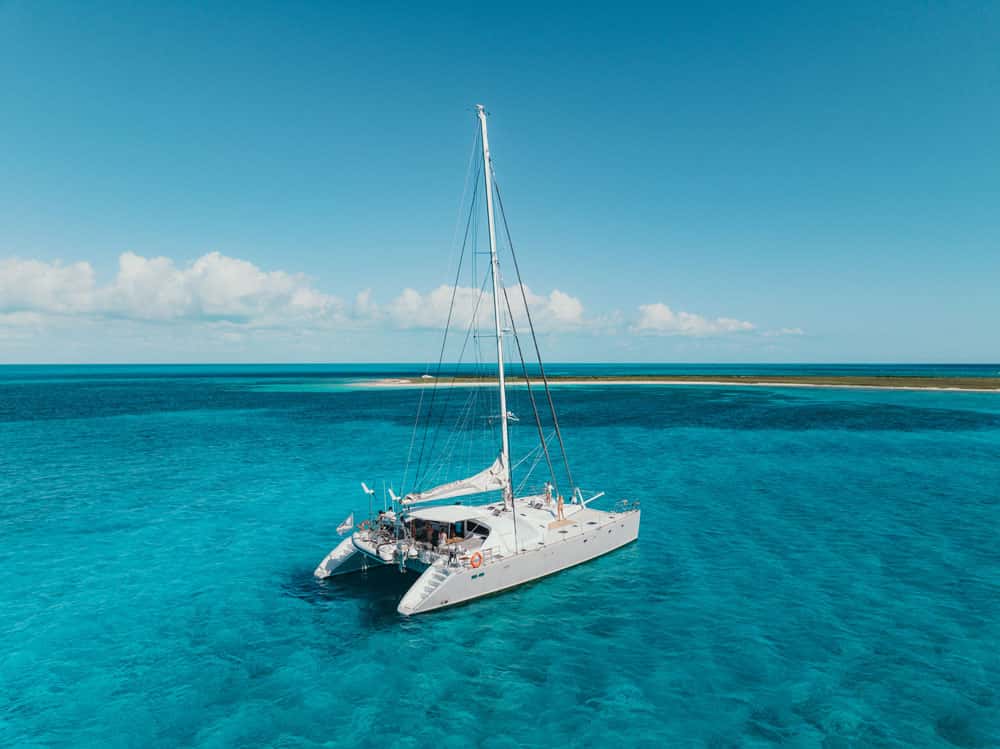
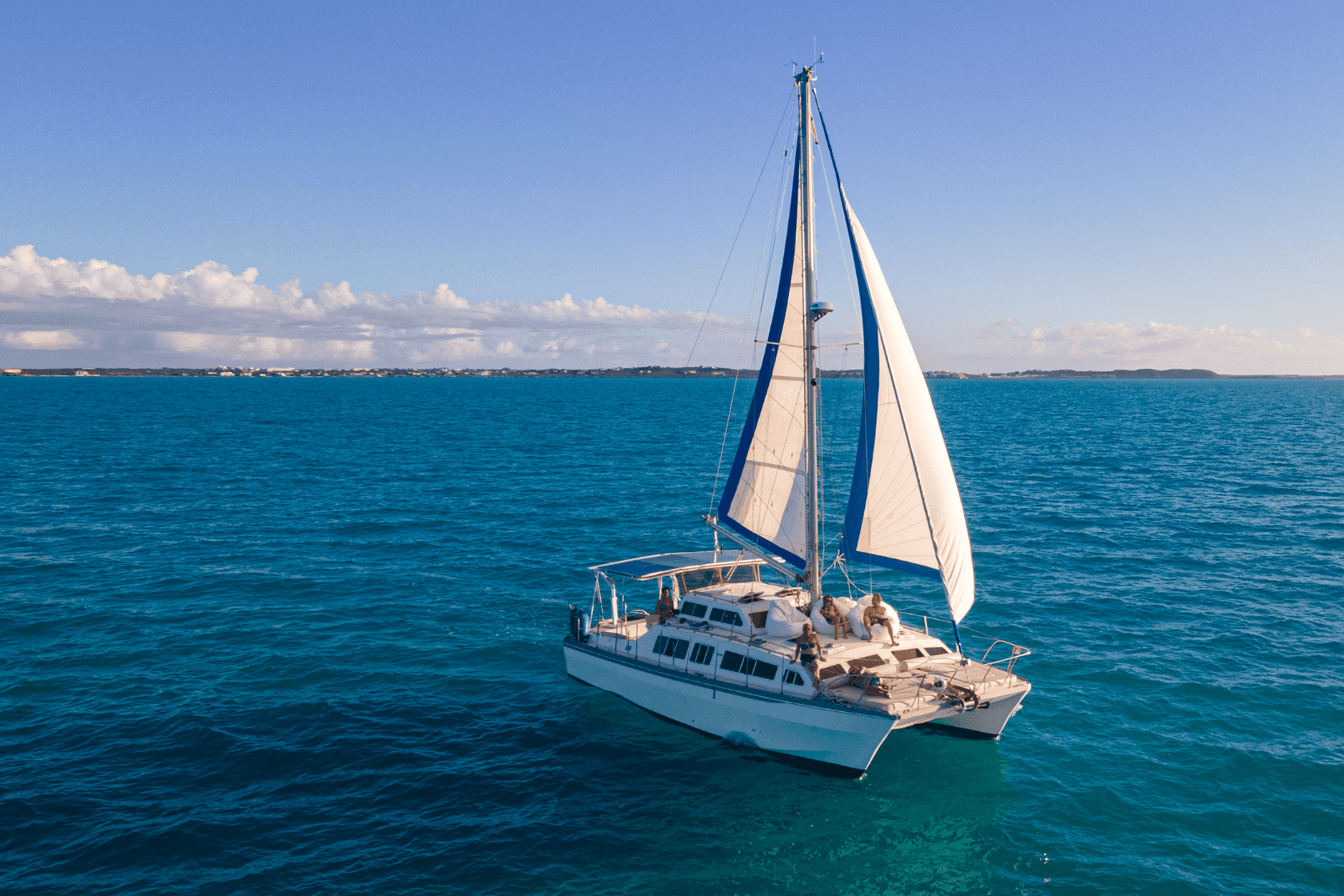
| 35ft Catamaran Charter | Half Day | up to 10 guests | $1,4842 guests included |
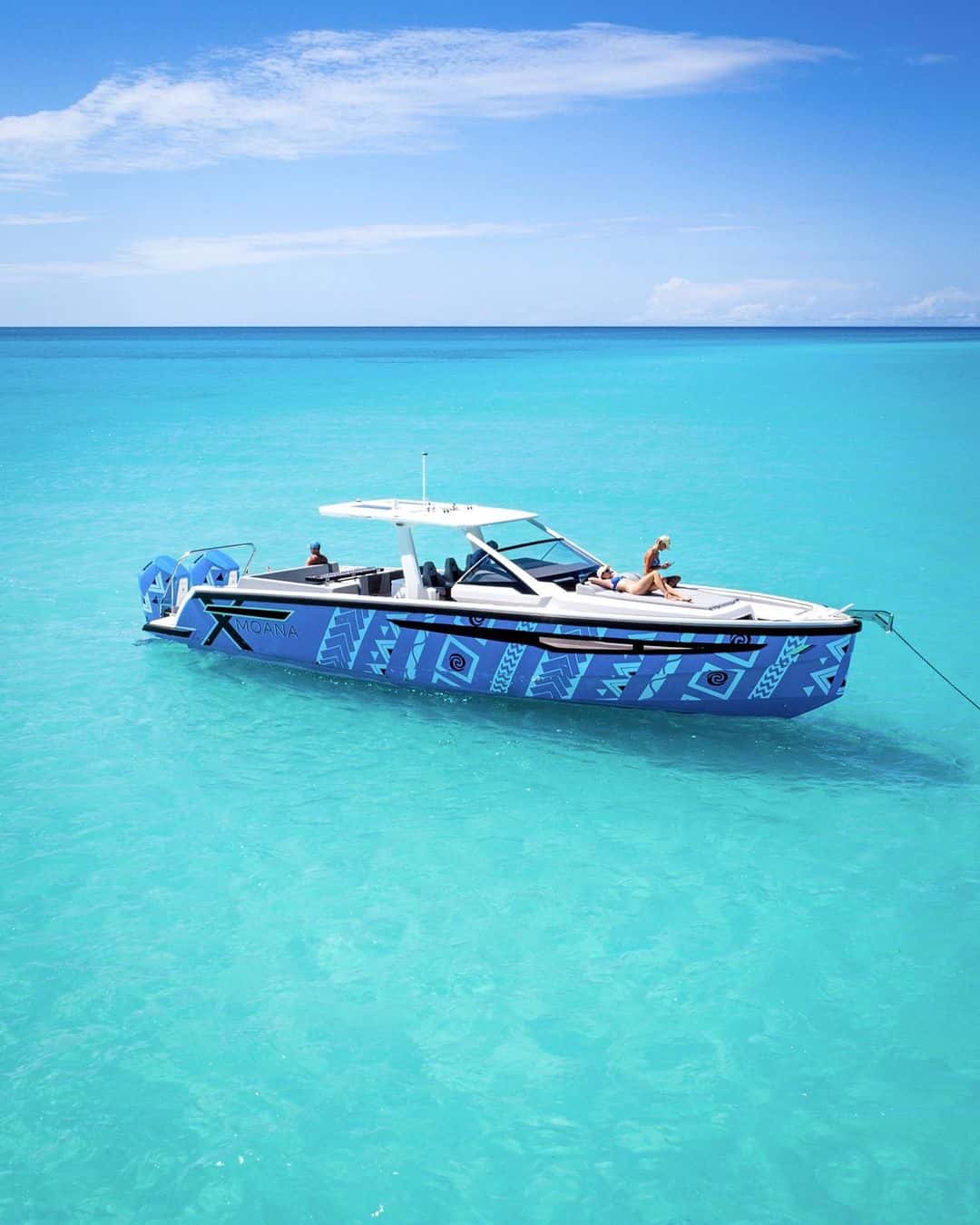
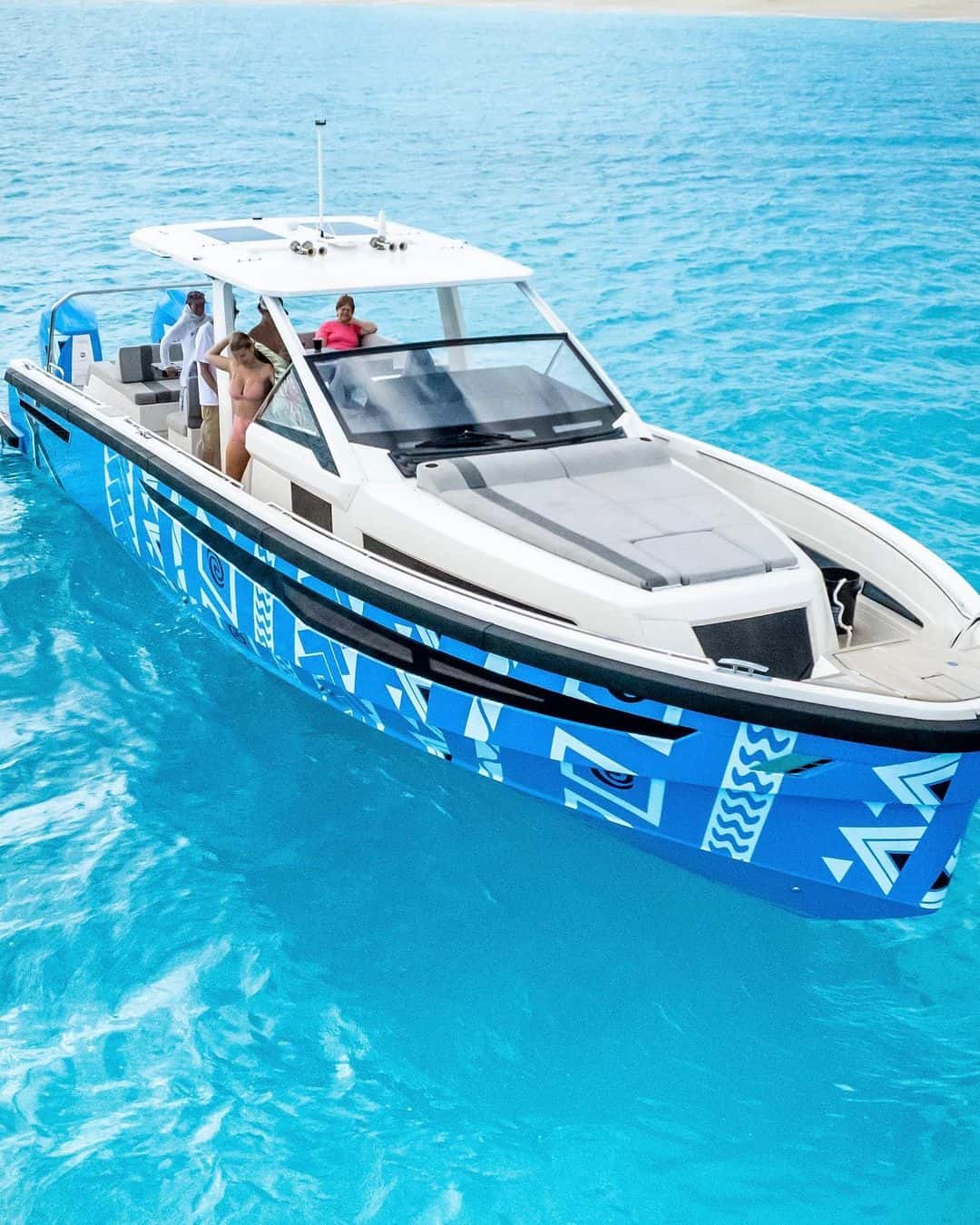
| 62ft Lux Yacht Charter | 4 Hours | up to 20 guests | $6,1666 guests included |
- 3-Hour Kayak Tour
- Guests
- —
- All-in price
- $154per person
- 3-Hour Group Tour
- Guests
- —
- All-in price
- $148per person
- 2-Hour Jet Ski Tour
- Guests
- 2 riders per jet ski
- All-in price
- $428per jet ski
- Half-Day Private Charter
- Guests
- up to 10 guests
- All-in price
- $1,4842 guests included
- 4-Hour Private Charter
- Guests
- up to 20 guests
- All-in price
- $6,1666 guests included
All-in prices include taxes and fees, in the listing's currency, as of Nov 3, 2026.
Is Iguana Island worth it?
It depends what you love. For kids and wildlife lovers, it’s a highlight: where else do you walk among a species that lives nowhere else? If you’d rather have a beach to yourselves, it can feel busy at peak times, and on a private charter the captain can take you to an empty cay instead.
Either way, it pairs naturally with Half Moon Bay, the sandbar beach that joins Little Water Cay to Water Cay, with a sheltered lagoon on its south side where young lemon sharks cruise the shallows, so many boats do both on the same morning. The Trust charges $10 a person for Half Moon Bay, separately from the island, and the iguanas burrow in the dunes there too, so the same rules apply.
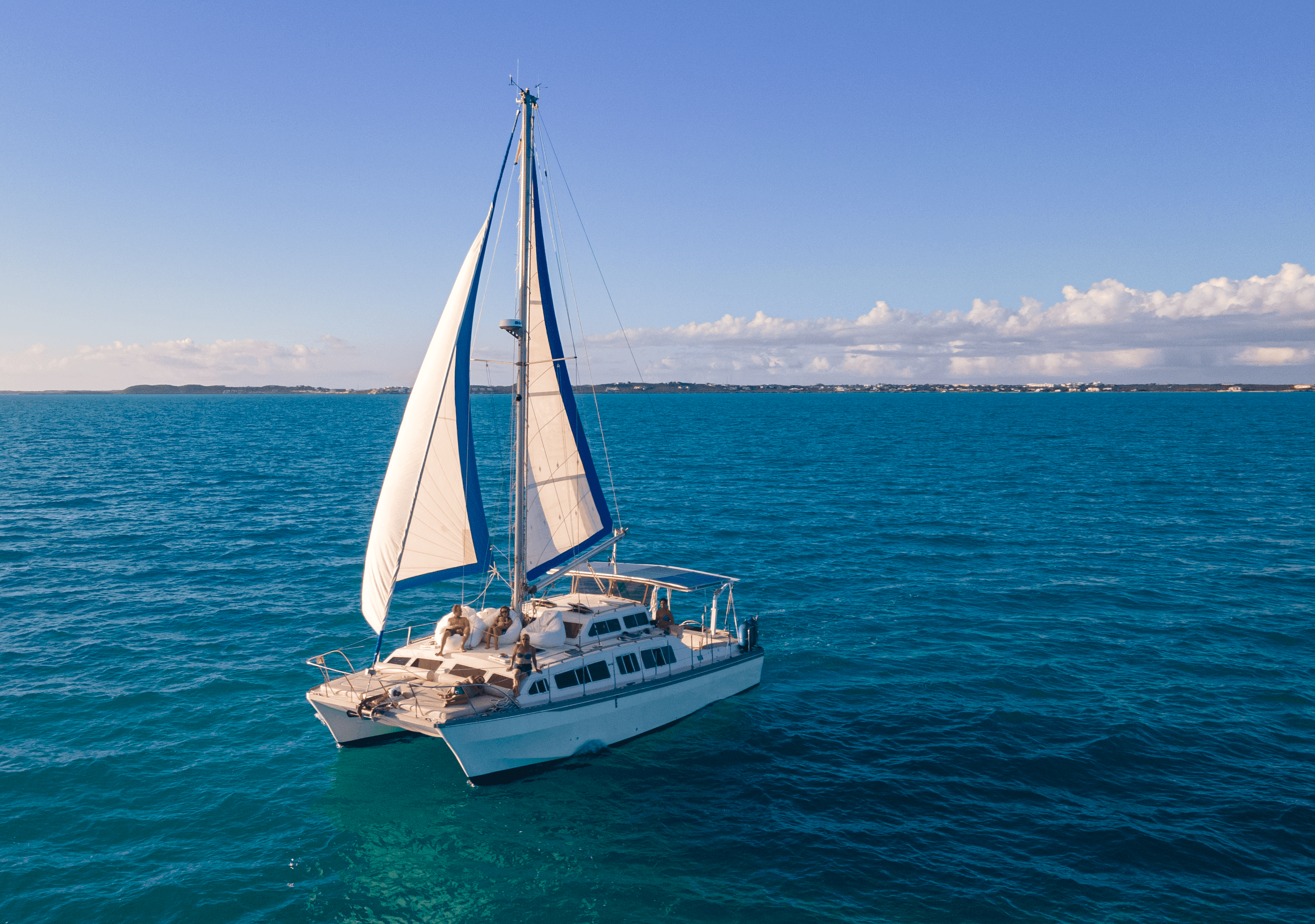
Most ways to the island start in Leeward, 5 to 15 minutes from Grace Bay. For a family, the boat we’d pick is the 35ft Catamaran: four hours from its private dock in Leeward for $1,484 all-in for two, plus $114 for each extra adult, so $1,712 for four, with snorkel gear, a bathroom and a Subwing on board, fresh fruit and a charcuterie platter, and sodas, local beer, white wine and rum punch. Iguana Island and a sandbar can be two of its stops (it doesn’t run on Sundays, when the island is closed anyway). If you’d rather paddle there, the three-hour Mangrove & Iguana Island Clear Kayak Tour is $154 a person, $114 for children 3 to 12, with the guide, the kayak and its safety gear. Every tour and charter on TCI Experiences is handpicked and verified for safety, service and upkeep. Prices include taxes, a deposit secures your boat or your seats, cancellation is free up to 72 hours before on the catamaran and 24 hours on the kayak tour, and a request is confirmed within a few hours. For the whole day, stop by stop, see half day or full day.