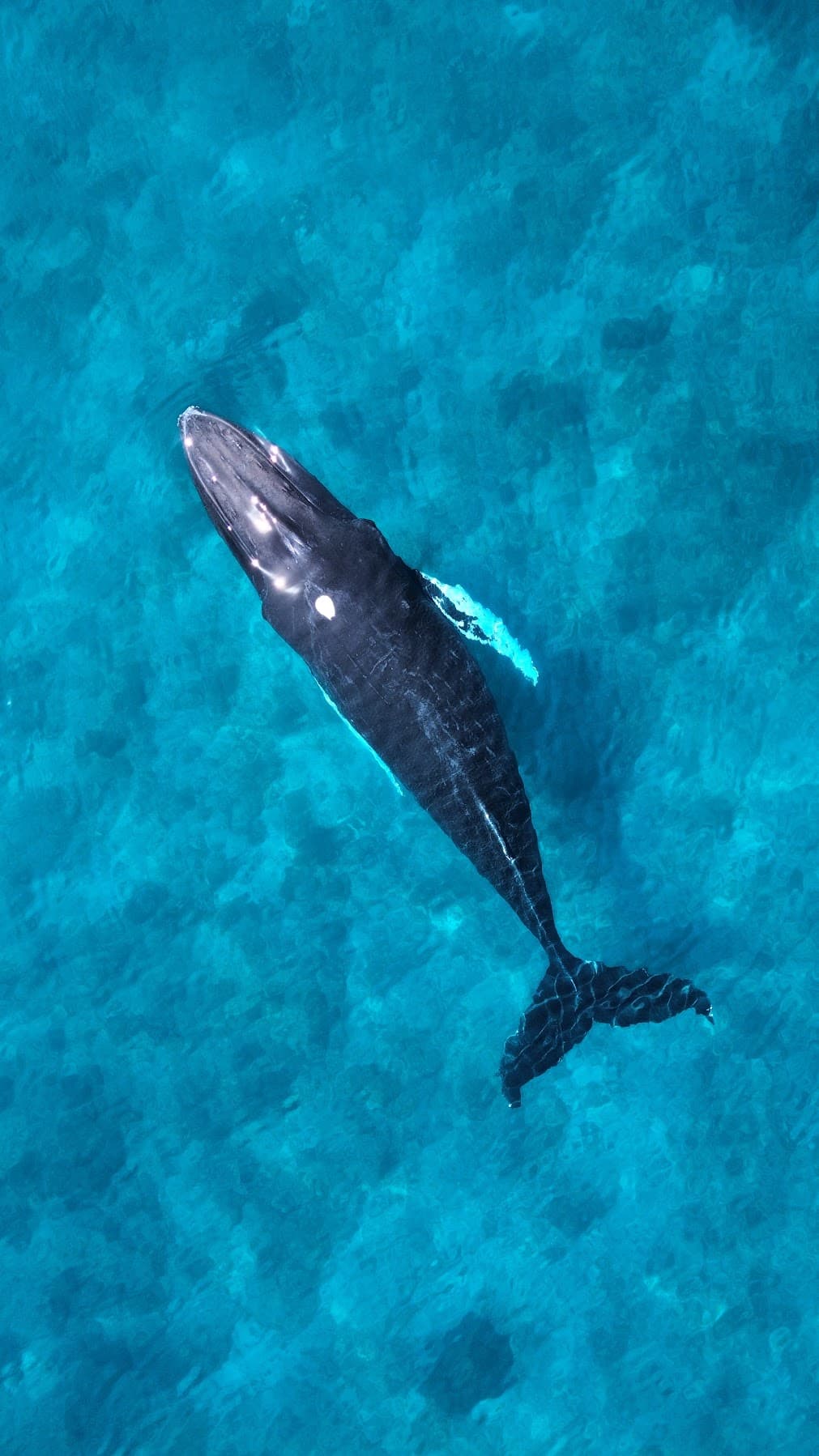
Every winter, humpback whales swim south from their feeding grounds in the North Atlantic to the warm, shallow banks of the Caribbean. Turks and Caicos sits on their route, and from January to April a spout on the horizon is one of the great sights of the islands.
Seeing one takes the right season, the right water and some luck. Here’s how the season works, where the whales are seen, and how to make the most of a winter charter from Providenciales.
Whale season at a glance
- When: January to April, with the best odds from late January to early March.
- Where: the Turks Islands, Grand Turk and Salt Cay, are the hot spot. Near Providenciales, whales are seen mostly off the west side.
- From Providenciales: a longer charter between January and March gives you the most time in the right water. A sighting is never guaranteed.
- The rules: let the whale come to you, never touch it, and never feed a marine mammal.
1. Why the humpbacks come
The humpbacks you see here spend the summer feeding far to the north. In winter they travel to shallow banks to the southeast, near Turks and Caicos and the Dominican Republic, among them the Mouchoir and Silver Banks, to mate and give birth.
The deep channels between the islands work as corridors on the way, which is why Turks and Caicos sees so many of them. Mothers rest and nurse their newborn calves in sheltered water, and on some days a calf breaches beside its mother. And they sing: the males carry a long, complex song that travels for miles underwater, and nobody is quite sure what it’s for.
The season runs from January to April, but the weeks aren’t equal, and timing a trip around them is the single best thing you can do for your odds. The week-by-week picture is below.
A grown humpback runs to about 60 feet and 40 tons and can live 80 to 90 years. The ones you see here feed anywhere from the Gulf of Maine to Norway, and some swim about 5,000 miles each way to get to these banks. Calves are born after an 11-month pregnancy, already 13 to 16 feet long, and stay with their mothers for up to a year. Researchers who photograph tail flukes in these waters have matched individual whales to Maine, New York, Newfoundland and Samaná Bay in the Dominican Republic, so the whale off West Caicos in February may have spent its summer off New England.
The season, week by week
- Early to mid January: the first whales come through, and sightings are hit and miss.
- Late January to early March: the best of it. In a good year, boats in the Turks Islands see whales almost every day, and February is the peak.
- March: still good, with numbers thinning as the month goes on and the whales start back north.
- April: the tail of the season. The dedicated trips keep running to the end of the month, but by now a sighting is a bonus.
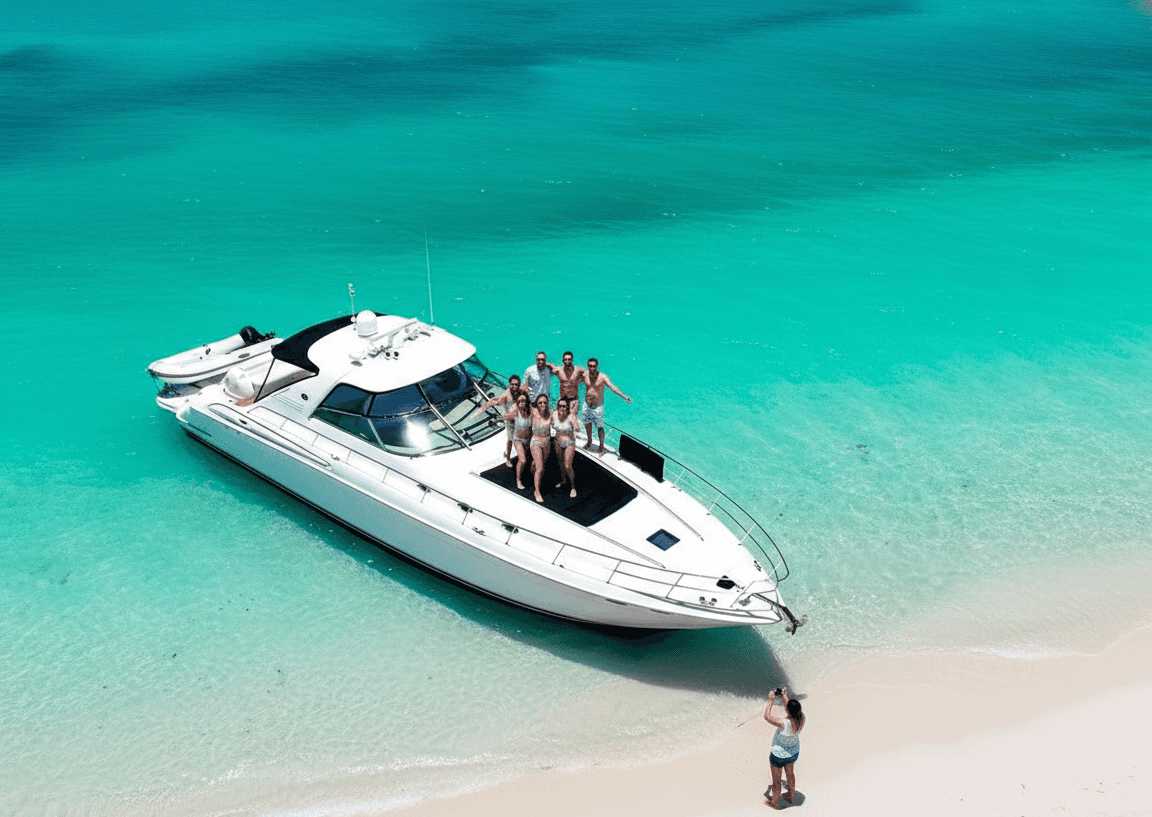
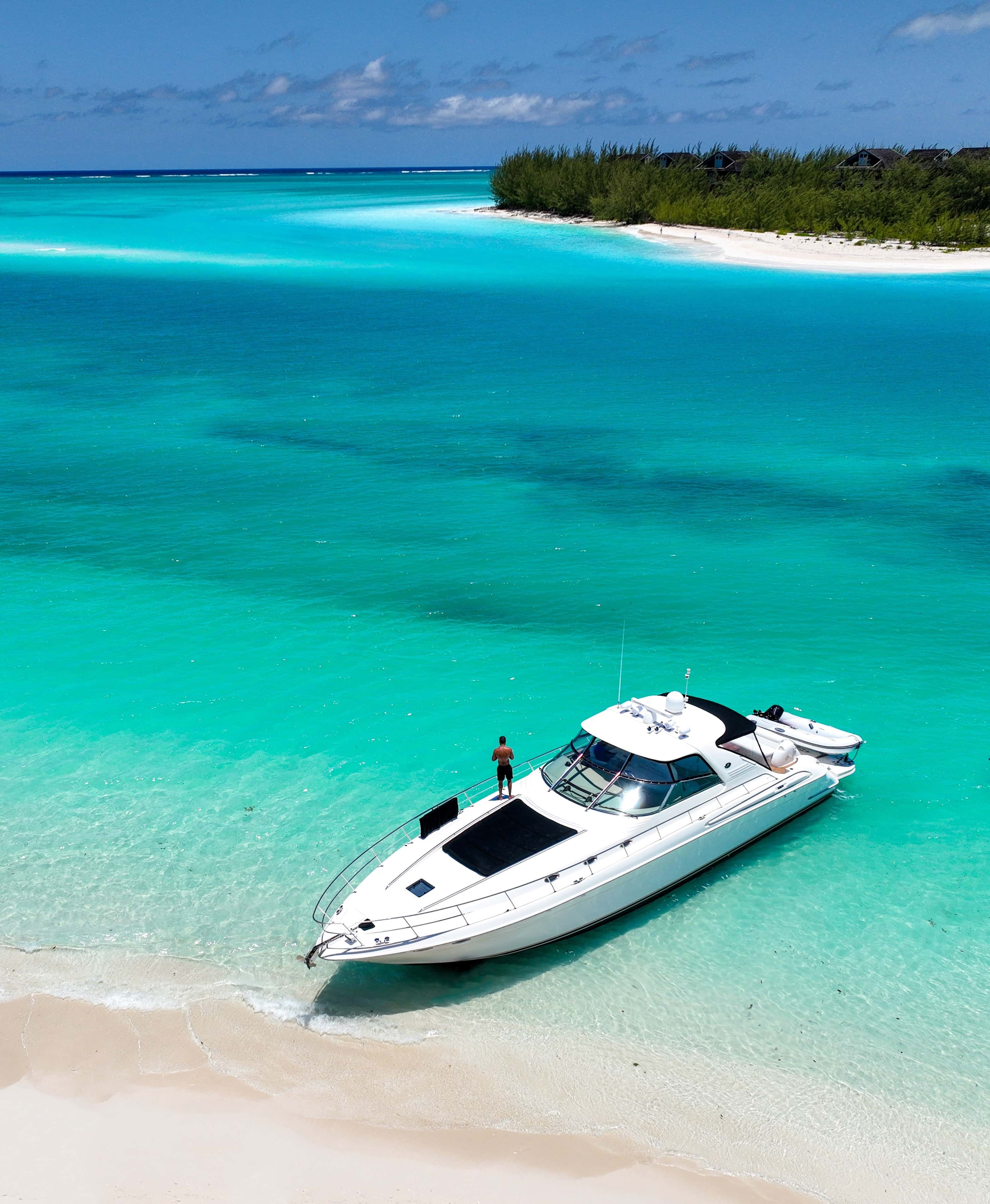
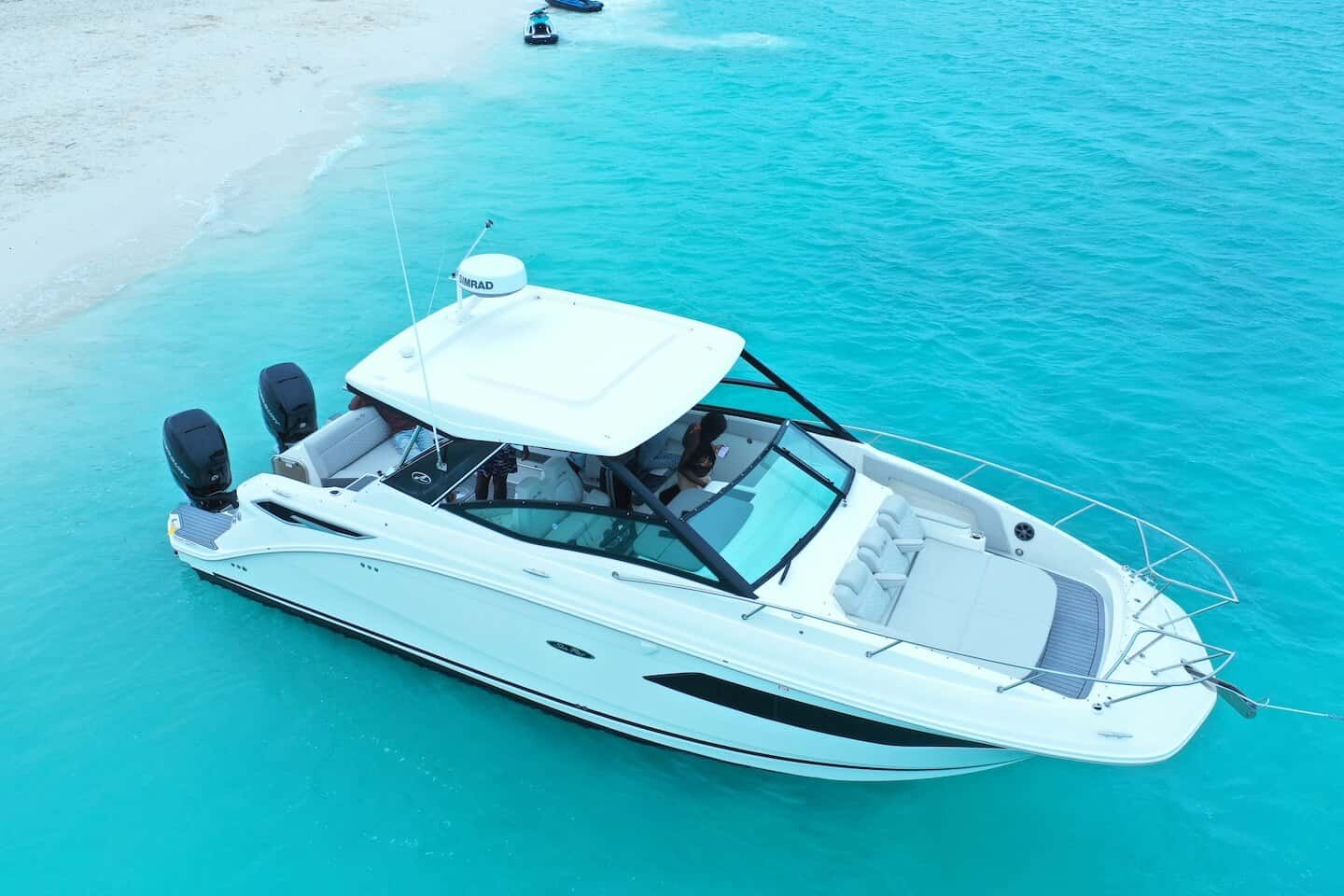
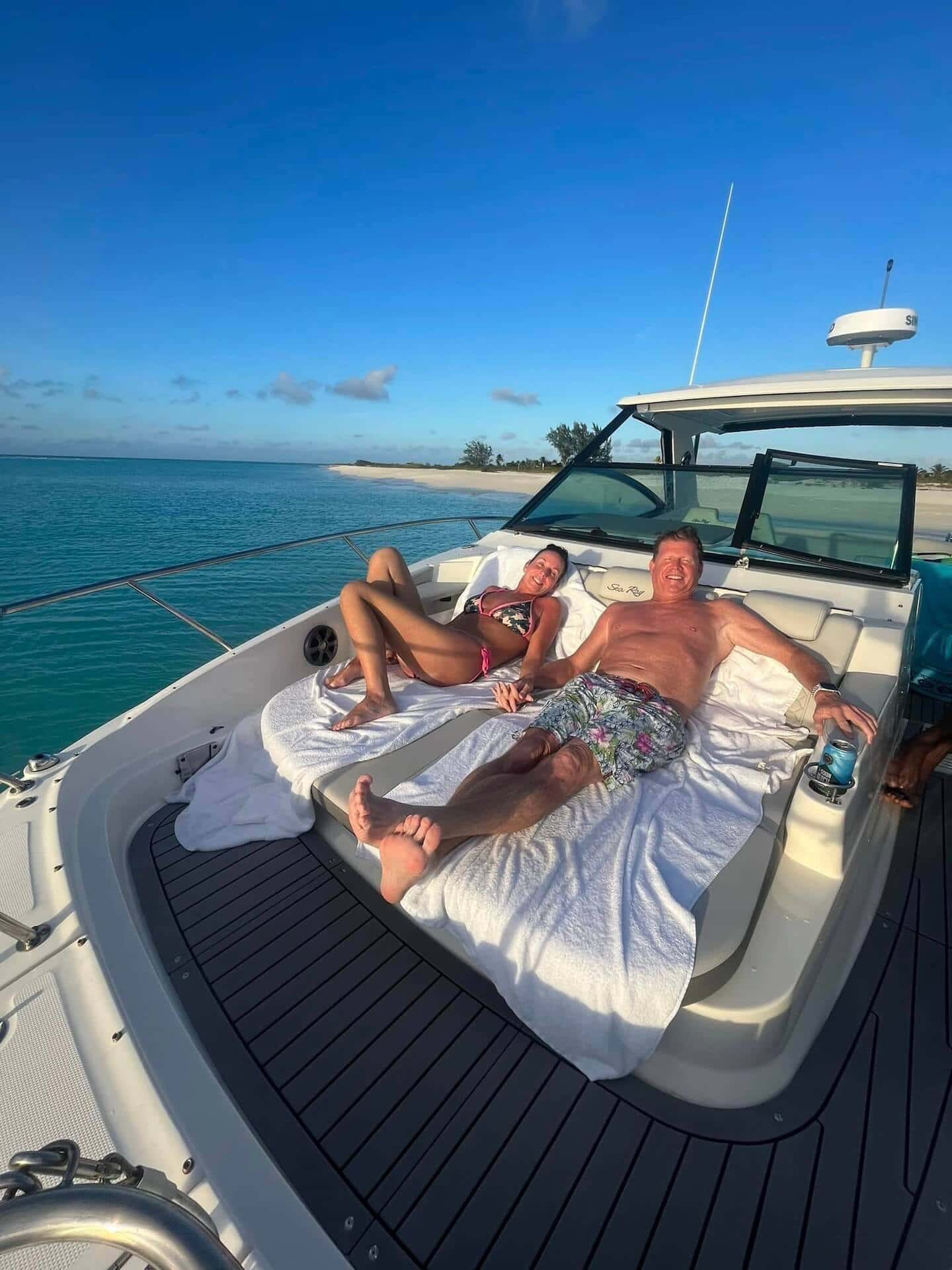
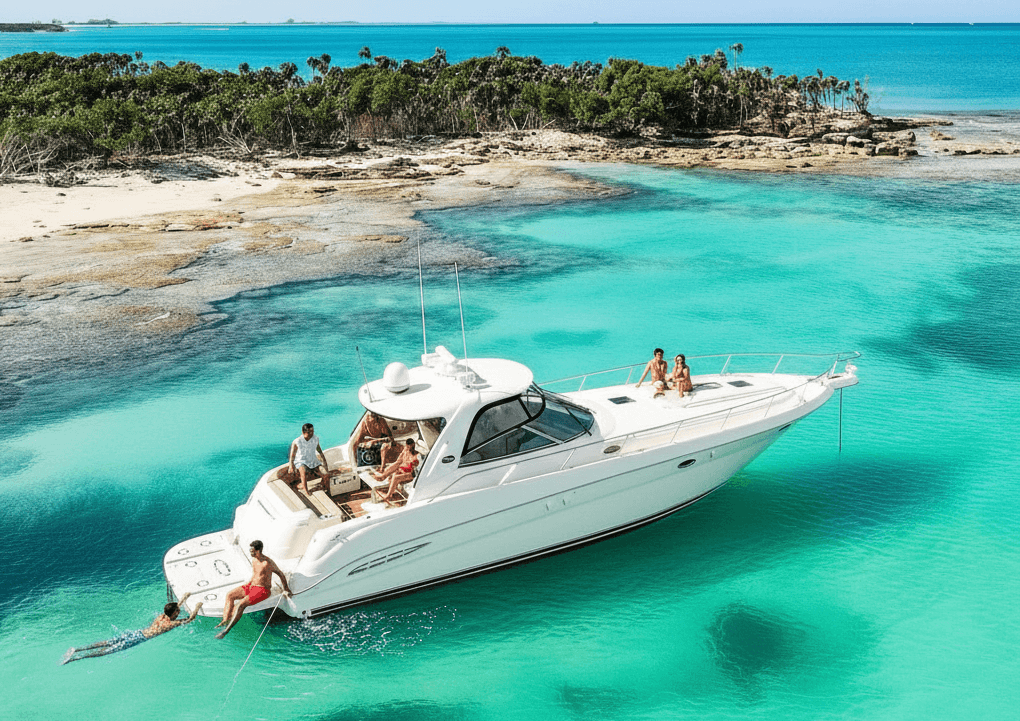
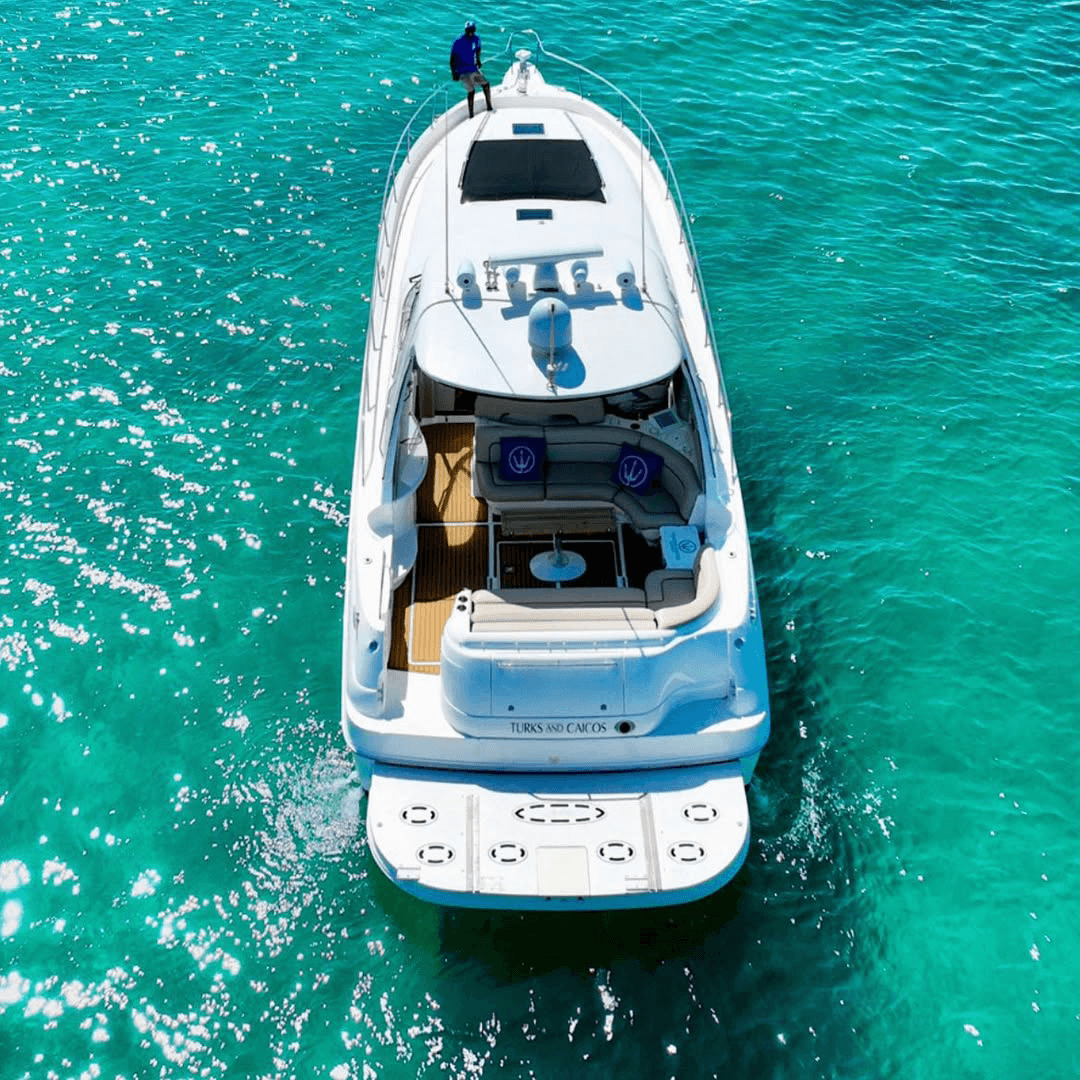
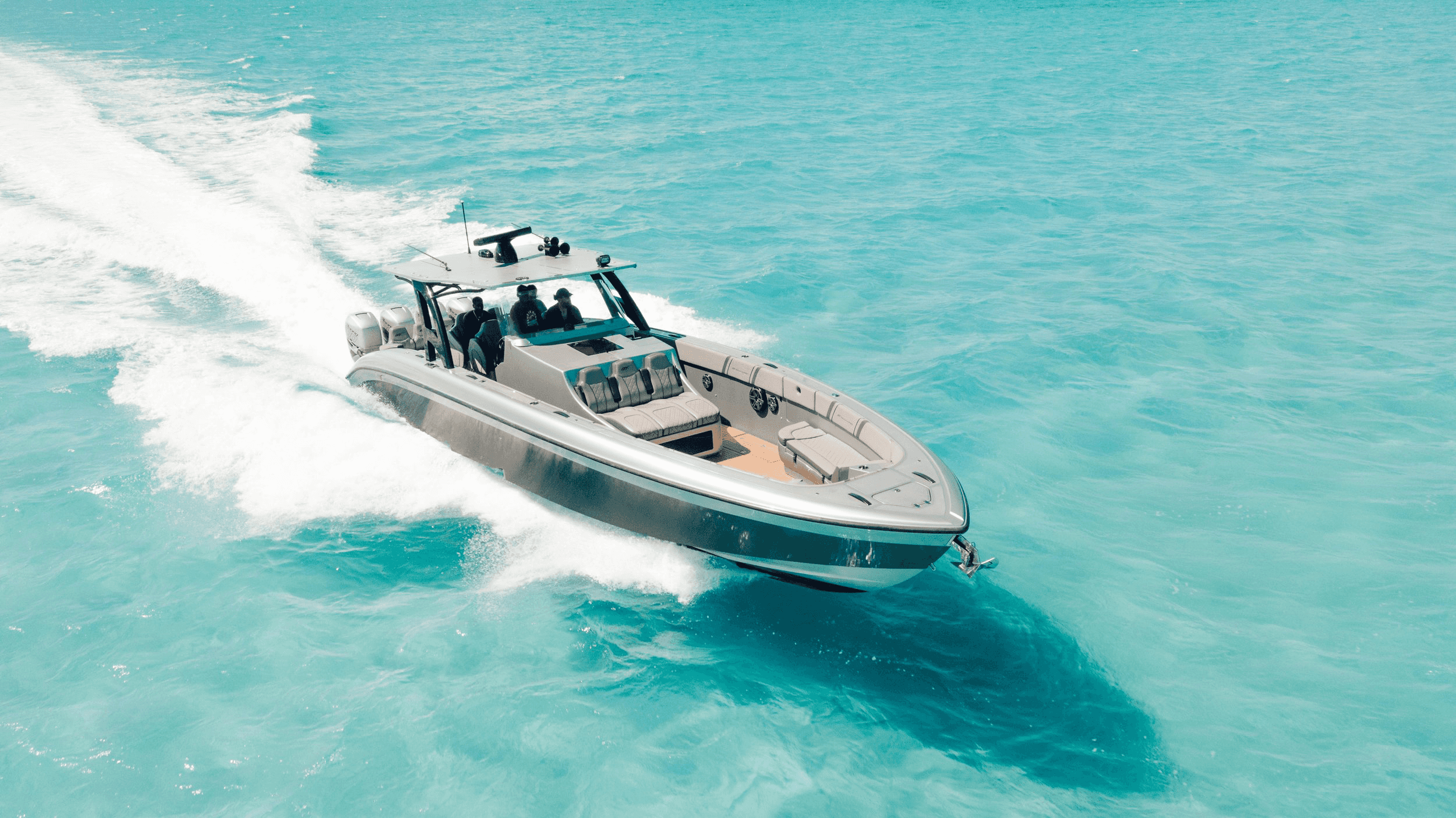
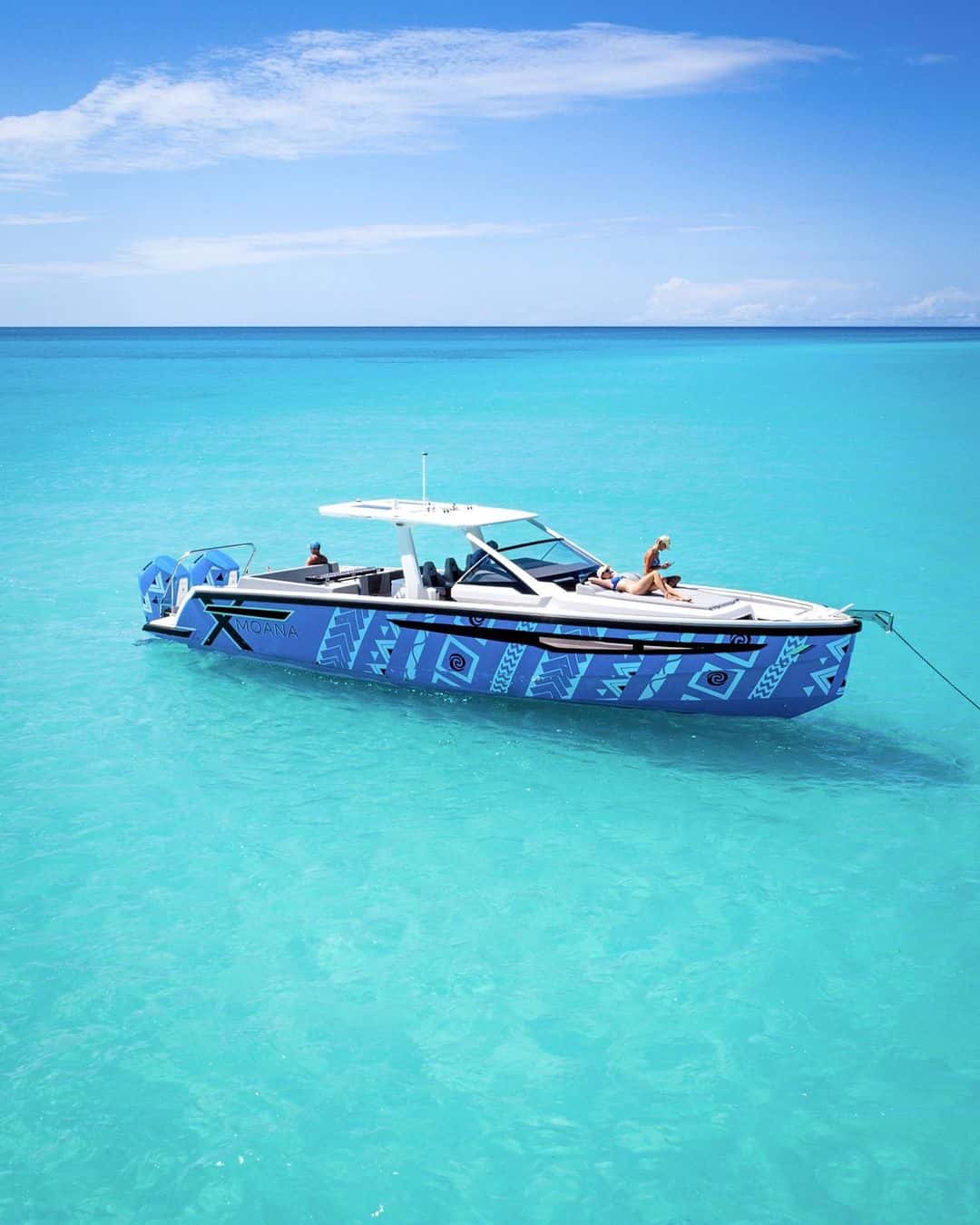
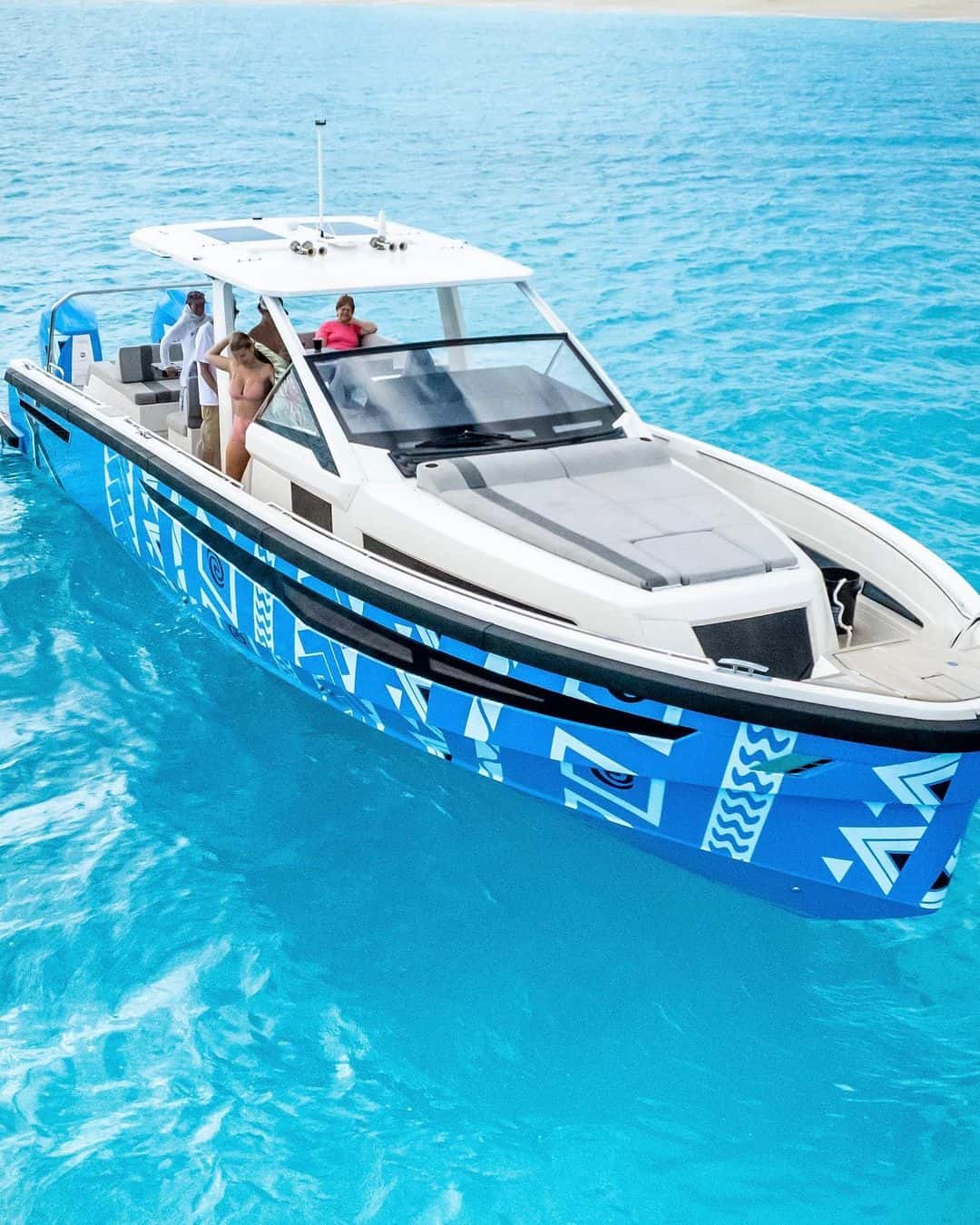
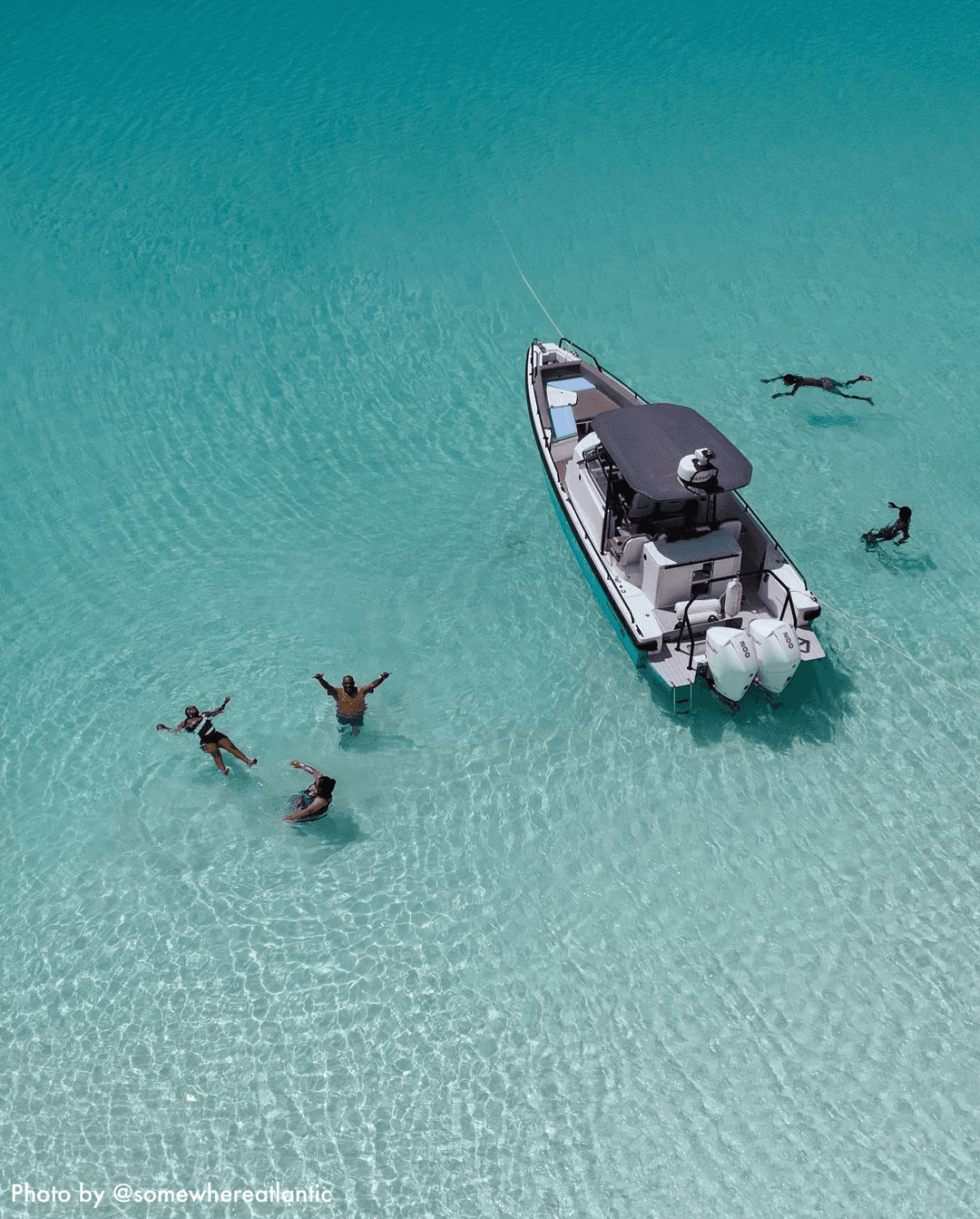
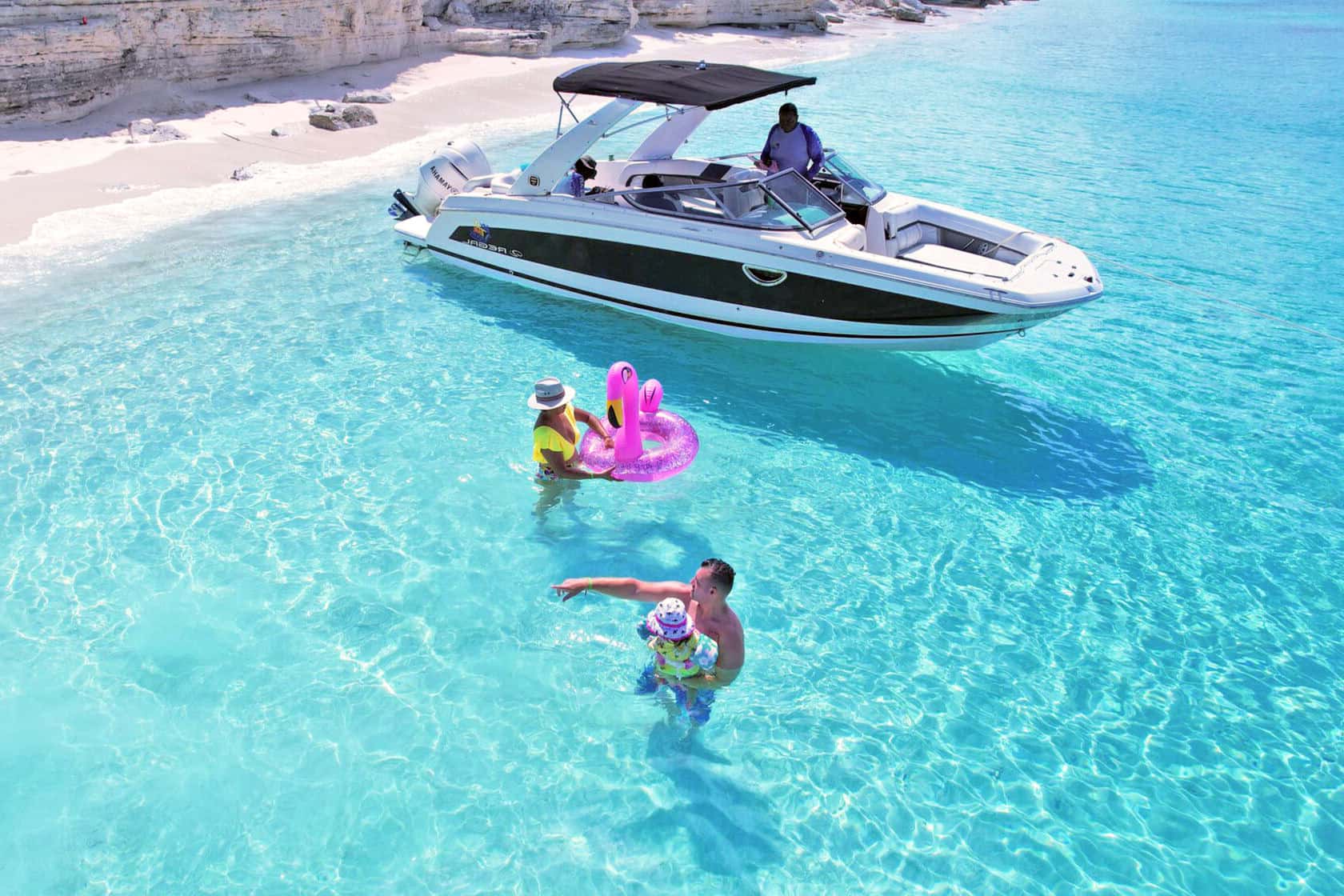
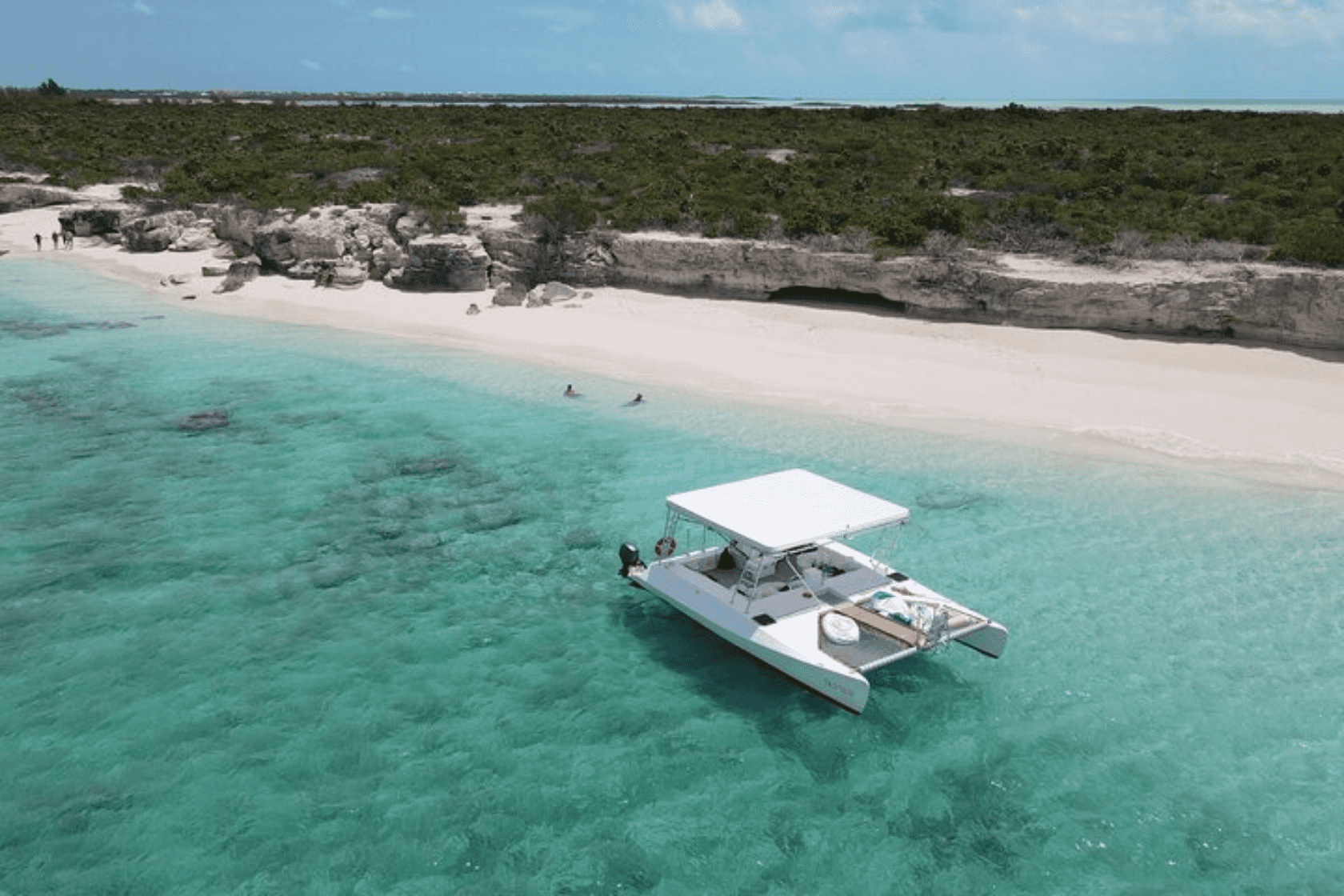
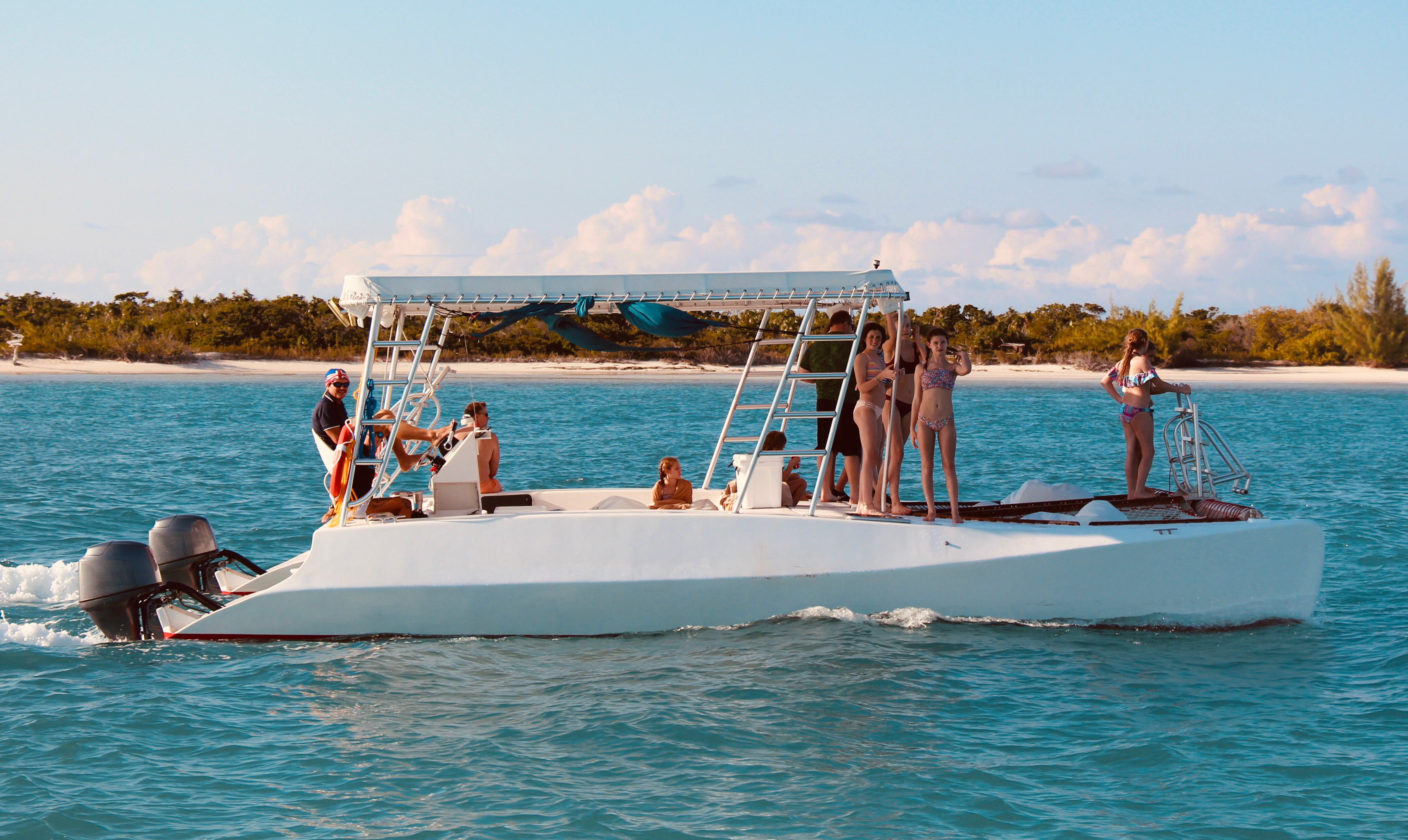
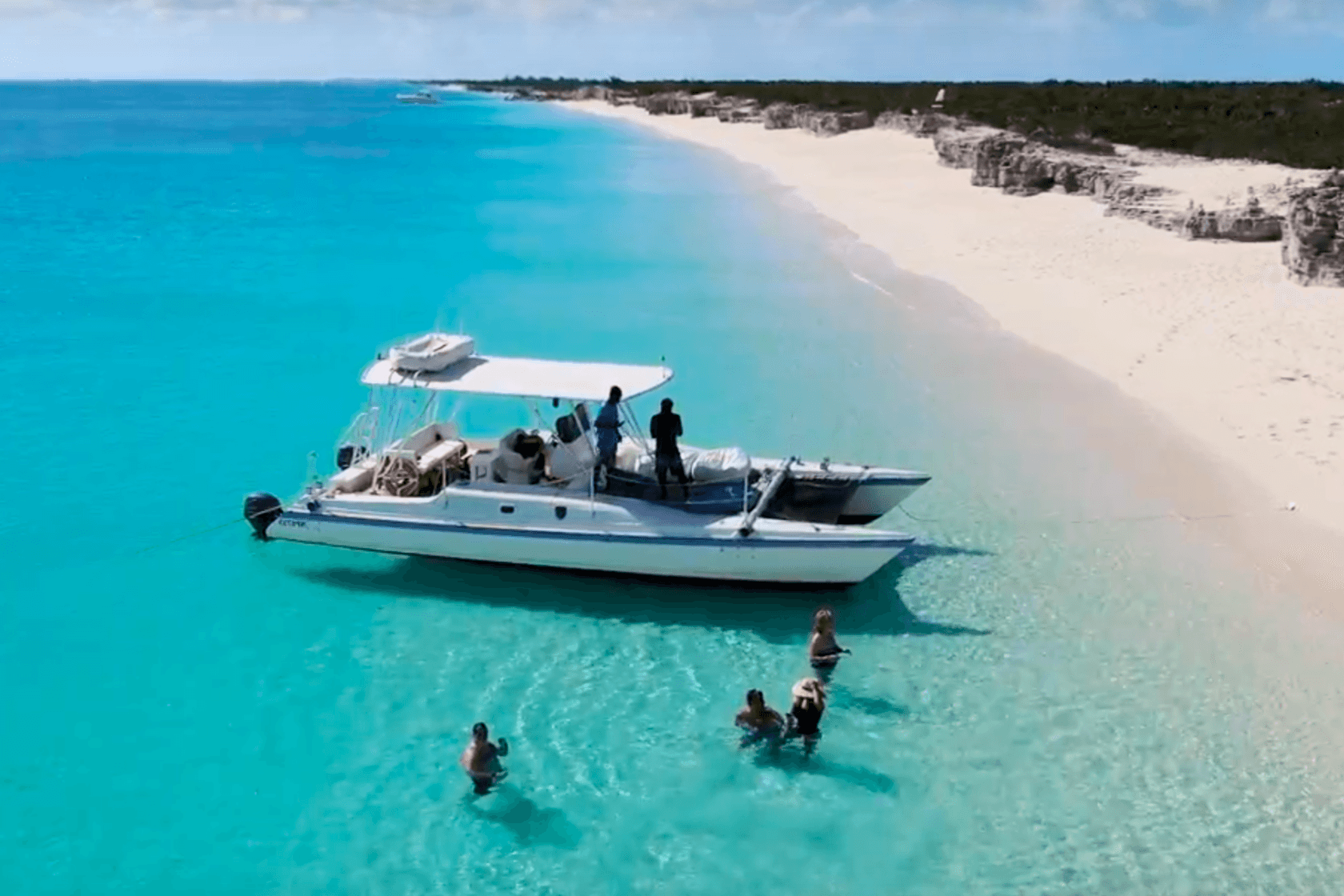
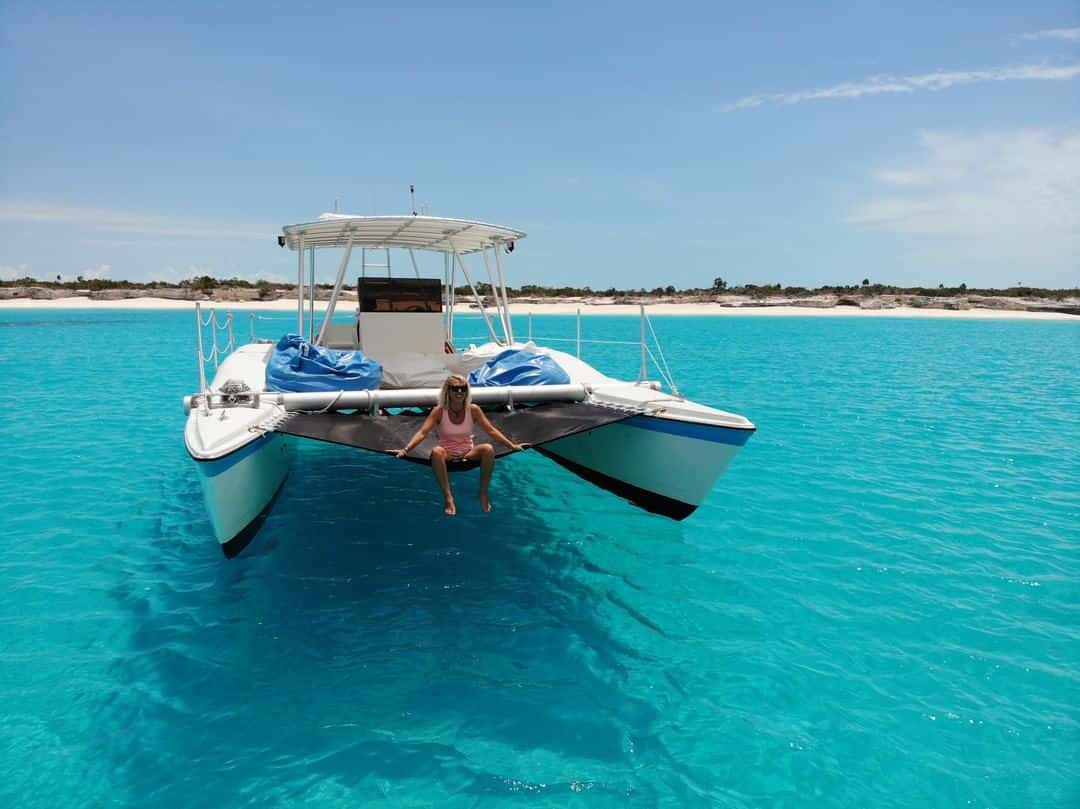
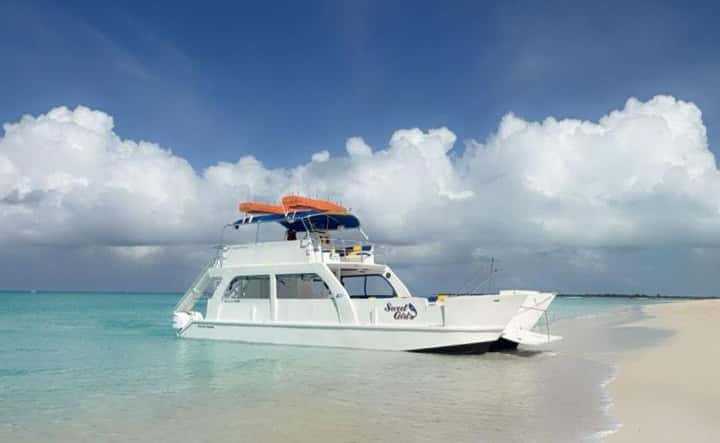
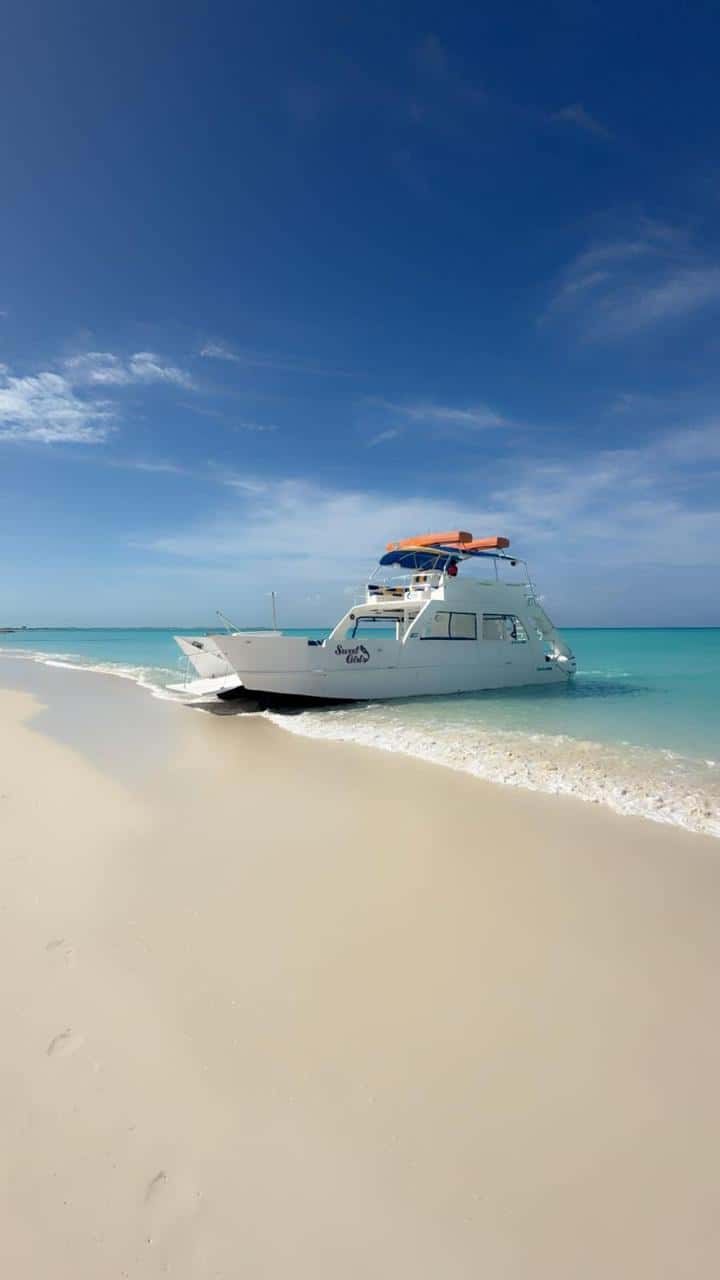
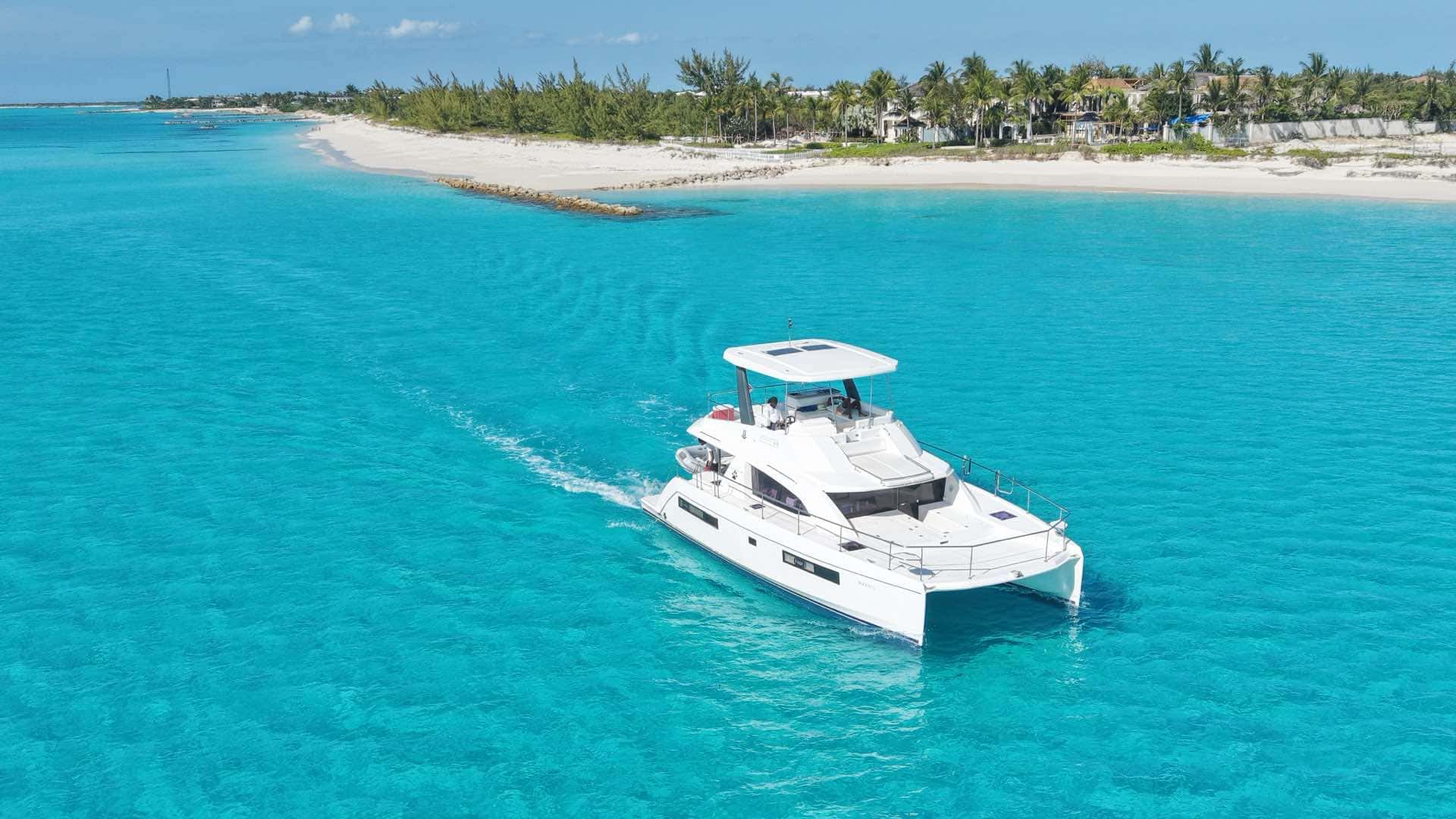
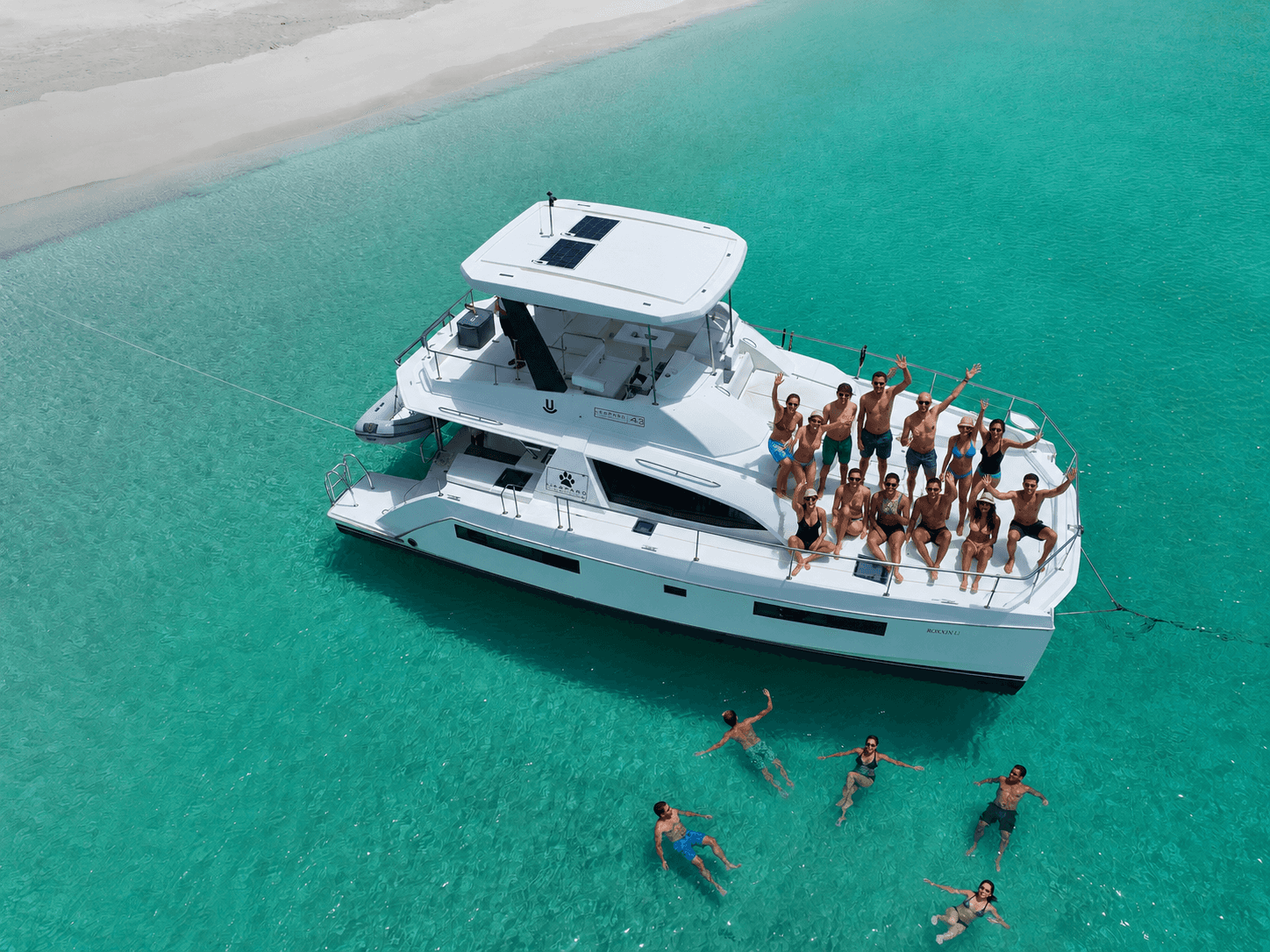
Full-day charters for whale season


2. Where they’re seen
The hot spot is the Turks Islands. Grand Turk and Salt Cay sit on the edge of the Turks Island Passage, the trench that separates the Turks Islands from the Caicos Islands and was once called the Columbus Passage. It drops to at least 7,000 feet, and because the wall falls away so close to shore, whales funneling through it pass within sight of both islands. Mothers with calves and groups of five or more are often seen.
Near Providenciales, whales are seen mostly off the west side, around Northwest Point and West Caicos, often by boats heading out to snorkel and dive. Anywhere else, a whale is a bonus.
What you’re looking for is the blow: a bushy puff of spray on the horizon that hangs for a second, then the dark back and the small dorsal fin, and, if you’re lucky, the tail lifting clear as the whale dives. Pectoral fin slapping is the display seen most often here; breaches happen, and nobody can order one.
West Caicos is a long run from the Leeward marinas and needs a fast powerboat. If it’s on your list, ask our concierge team when you book, and they’ll confirm which boats can make the trip and whether the extra fuel changes the price.
Dedicated whale trips from Grand Turk and Salt Cay
In season, whale-watching trips run from both islands, often on the small dive and fishing boats that work the wall the rest of the year: less plush than a yacht, but quick to reach a whale when one blows. Shared trips are typically half days, private boats go out for a half or a full day, and drinks and snorkel gear come aboard. When the whale allows it, the crew may put you in the water with it, and only a licensed, certified operator is allowed to.
Getting there is the easy part. Grand Turk is about 30 minutes from Providenciales by domestic flight, with return fares of about $125 to $200 in 2026, so with the right flights it works as a day trip. Salt Cay has scheduled flights a few times a week, about $210 to $230 return from Providenciales in 2026, and a public ferry from Grand Turk on Mondays, Wednesdays and Fridays that takes about an hour, but its timetable doesn’t fit a day out, so most visitors fly.
Watching from shore
The Turks Islands are also the one place you can whale-watch without a boat. On Grand Turk, the lighthouse at the island’s northern tip, built in 1852, is a favorite whale lookout in February and March; on Salt Cay, whales are often spotted from shore during the migration. Pick a calm morning, when a blow stands out against flat water, and bring binoculars.
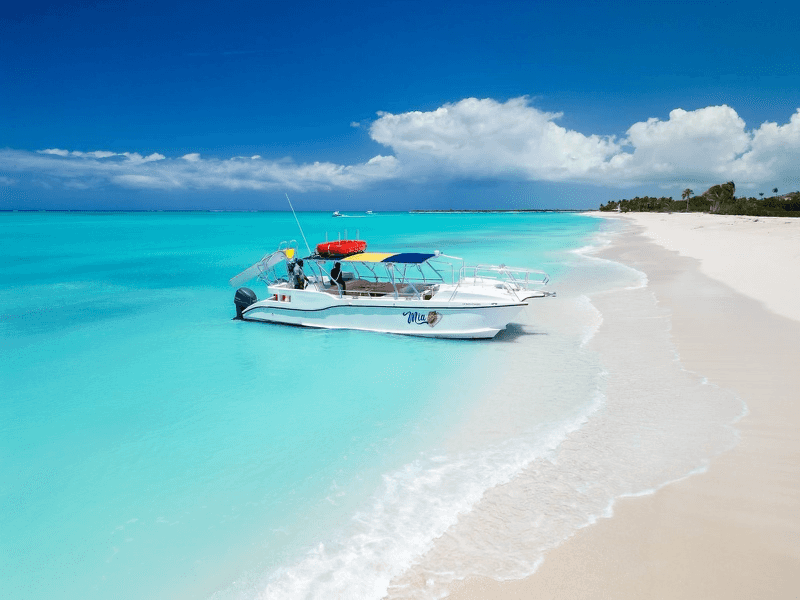
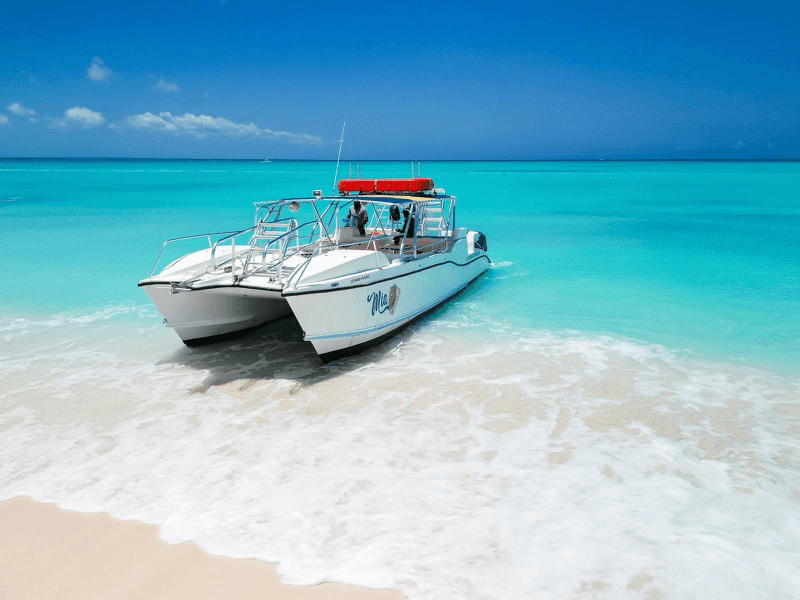
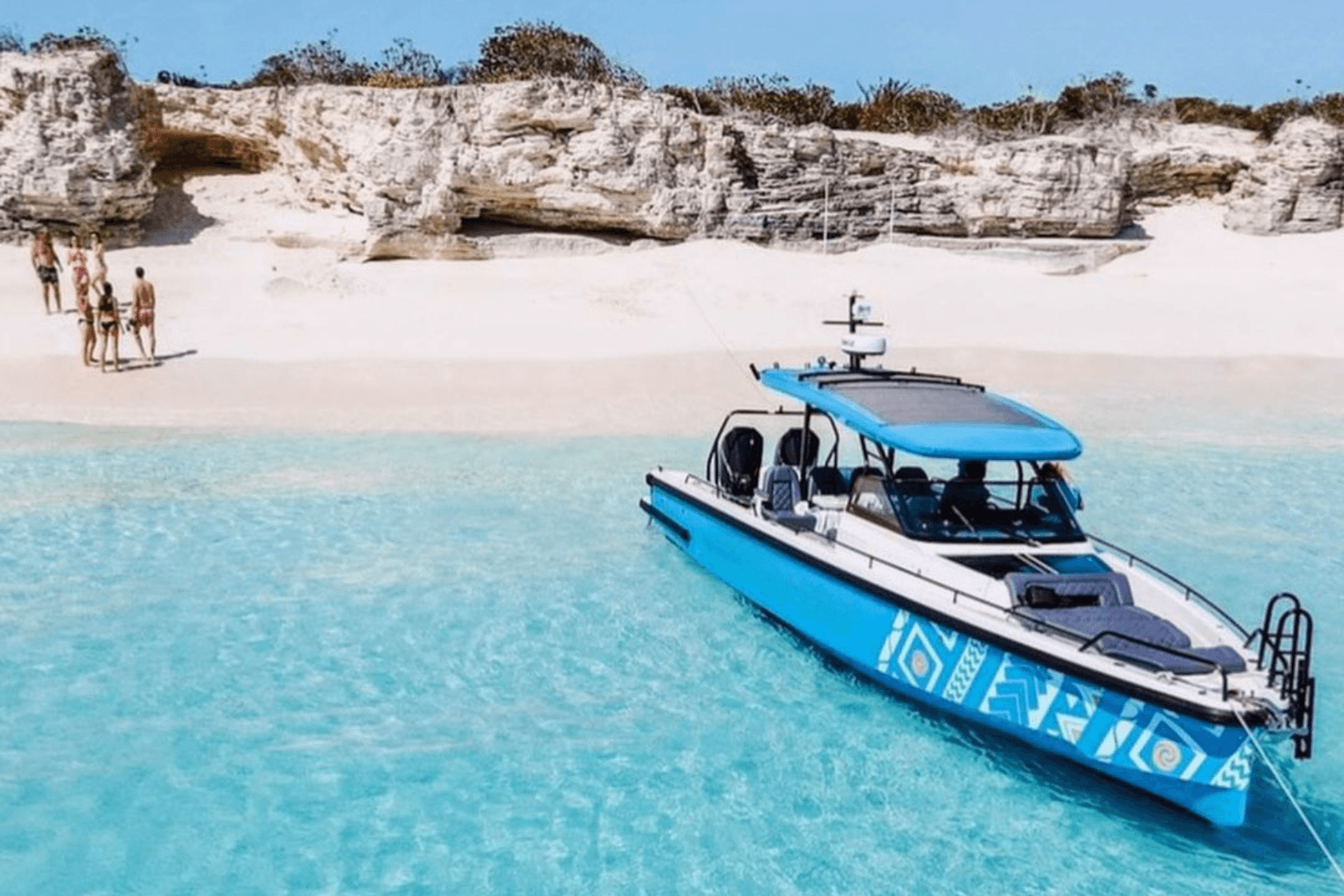
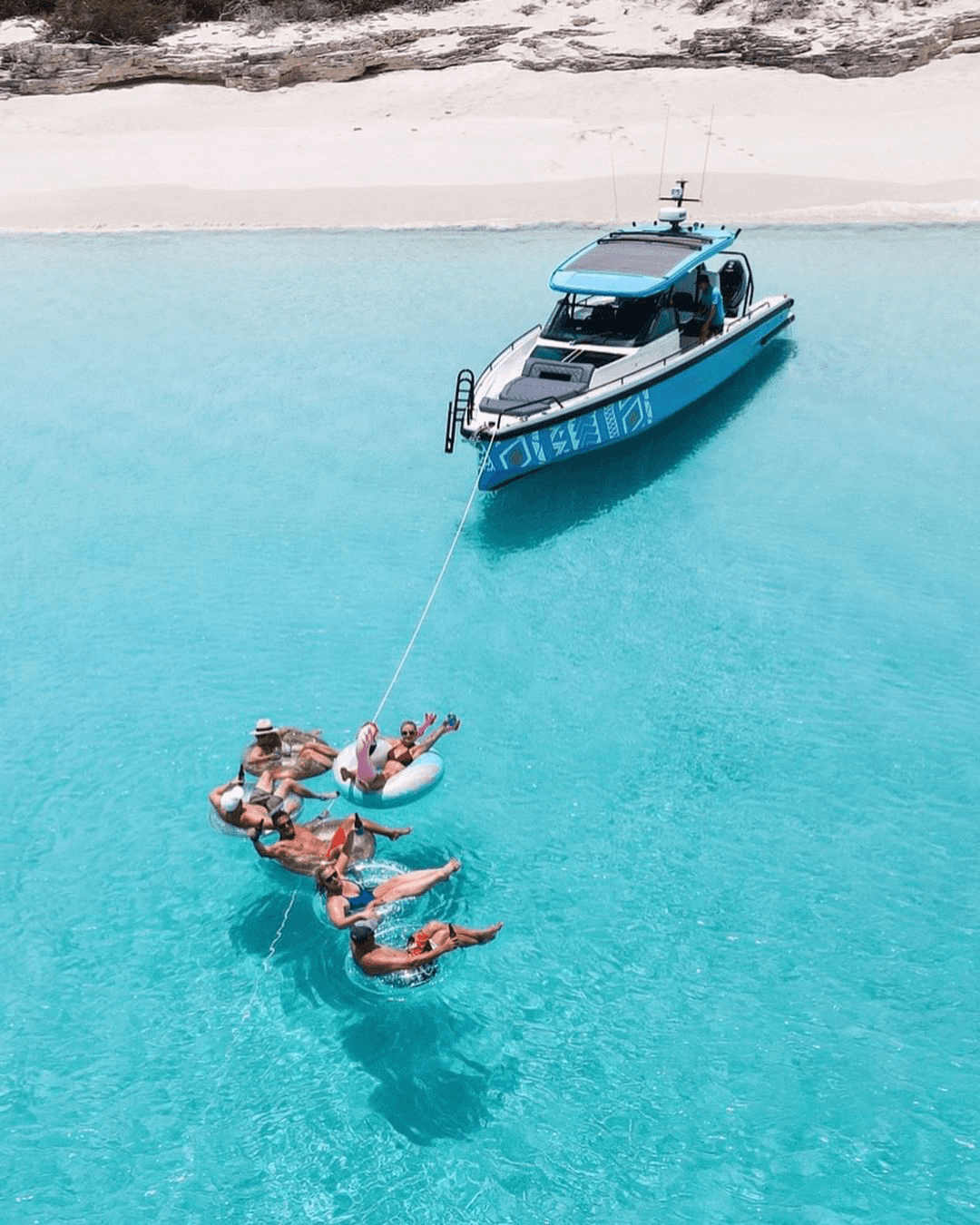
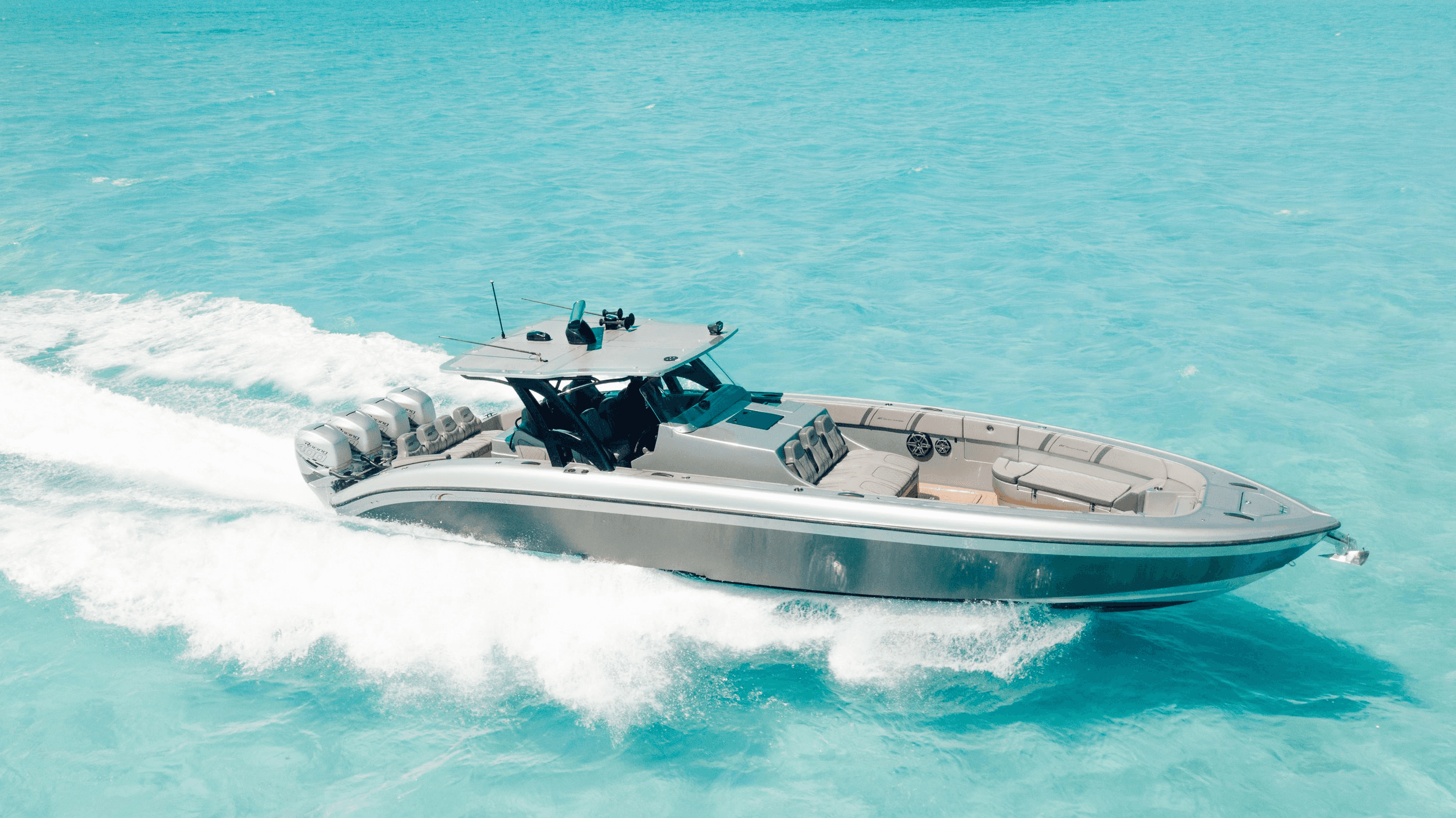
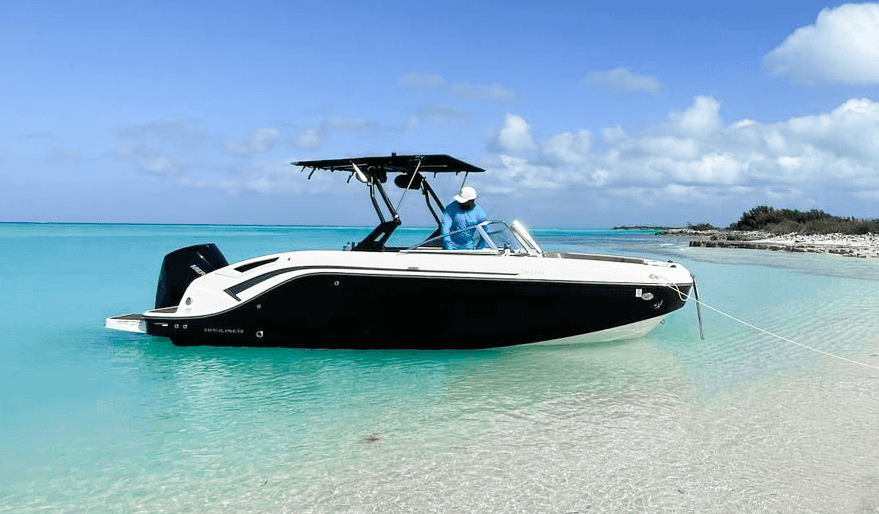
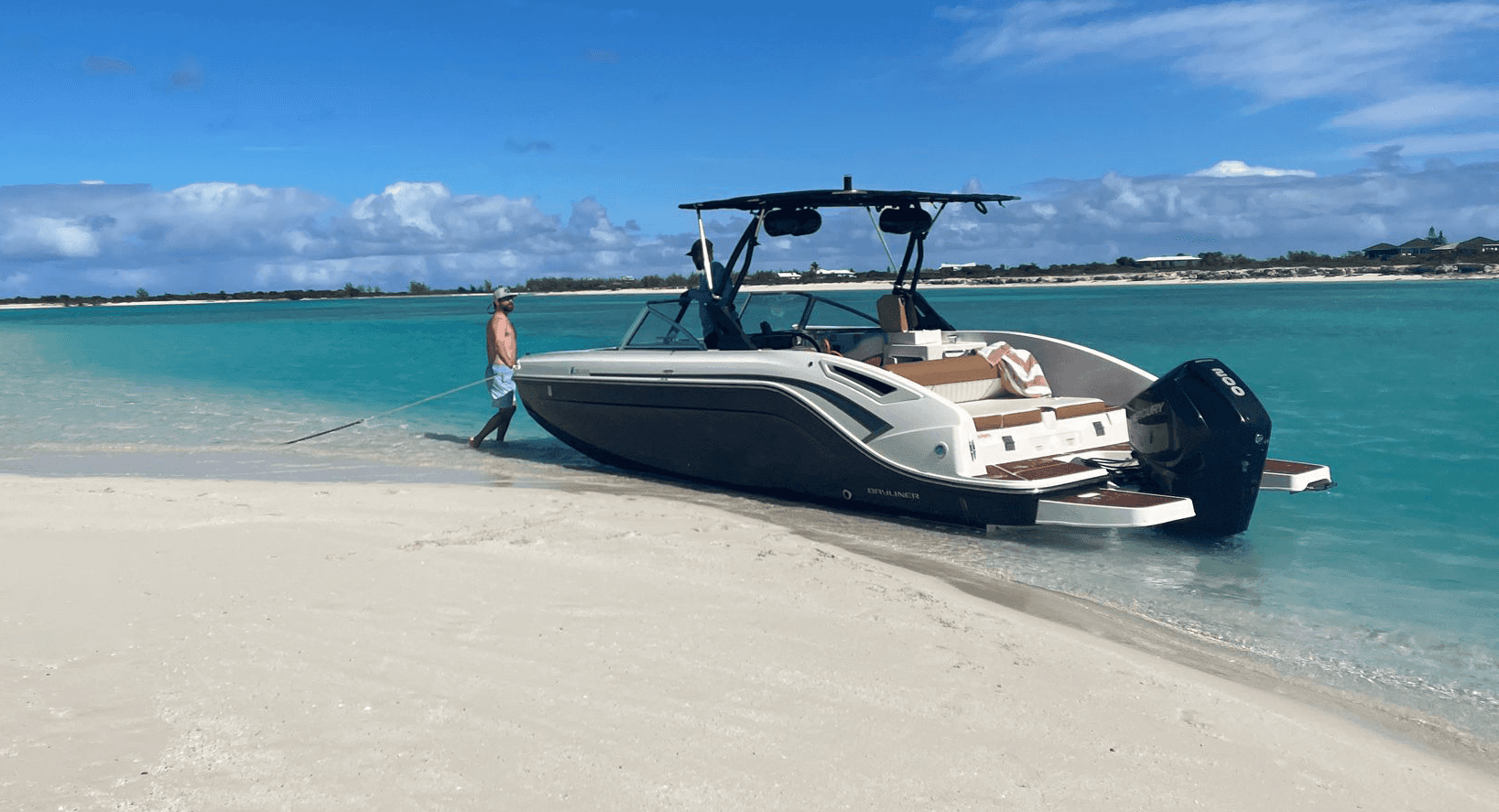
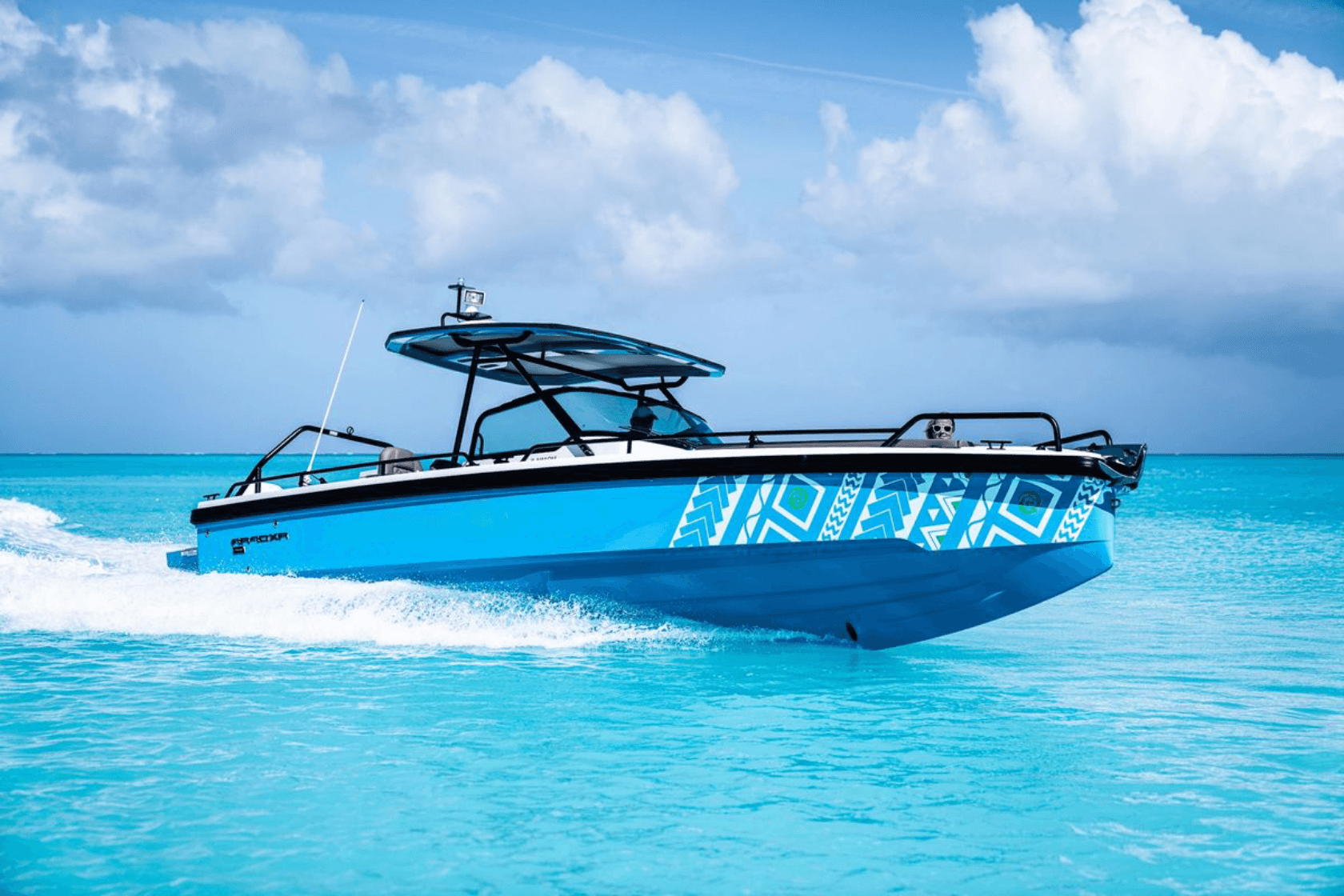
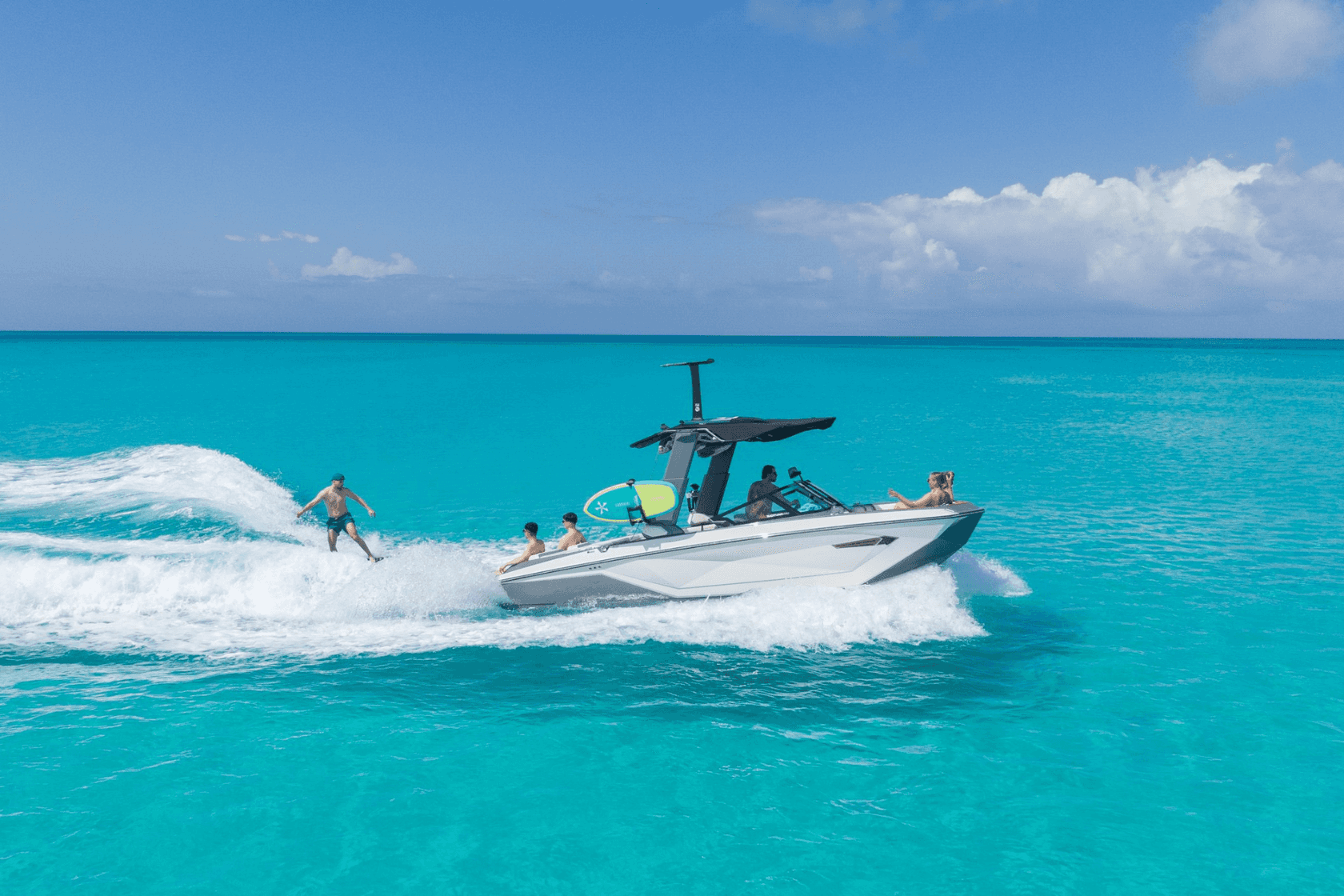
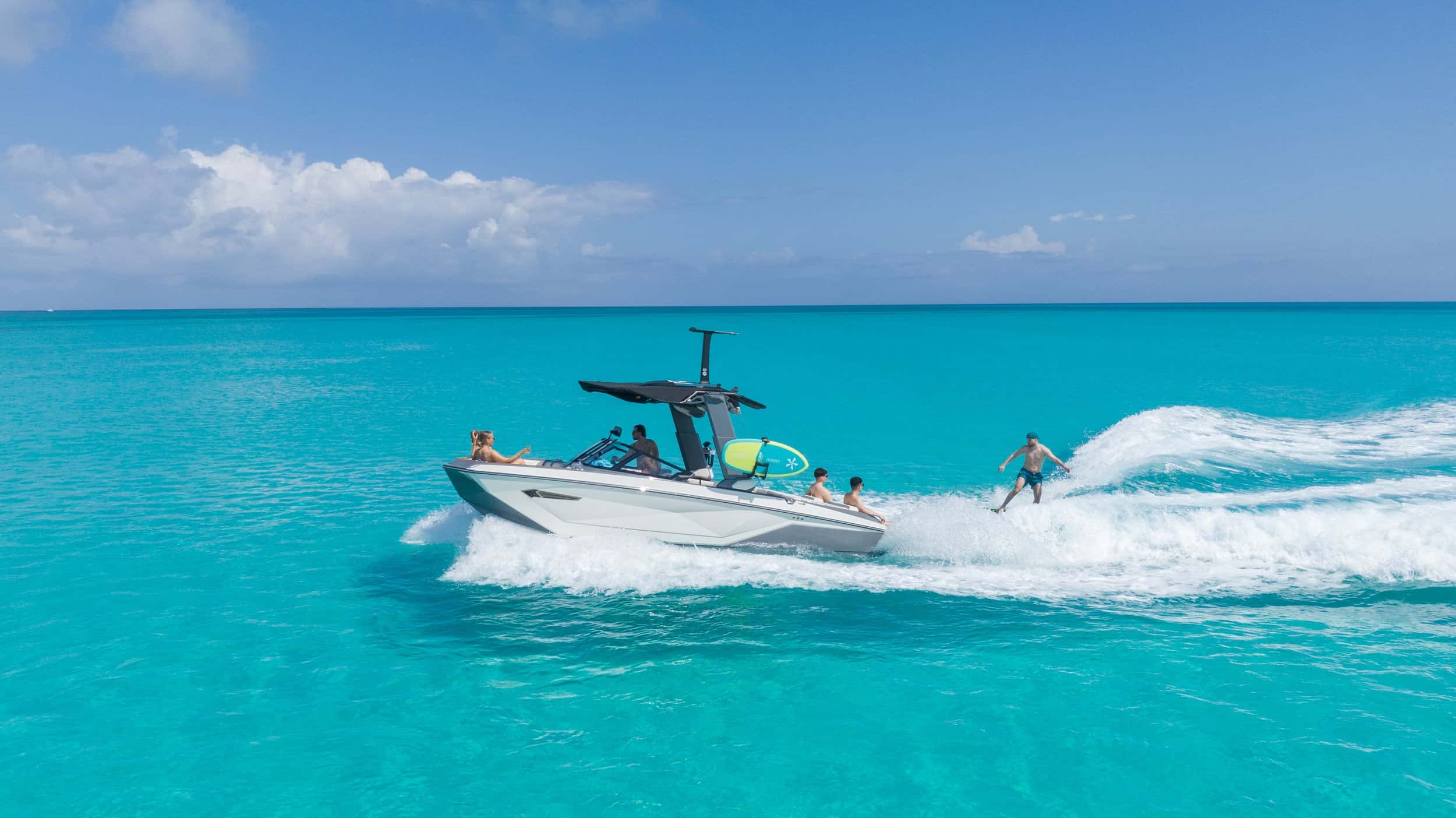
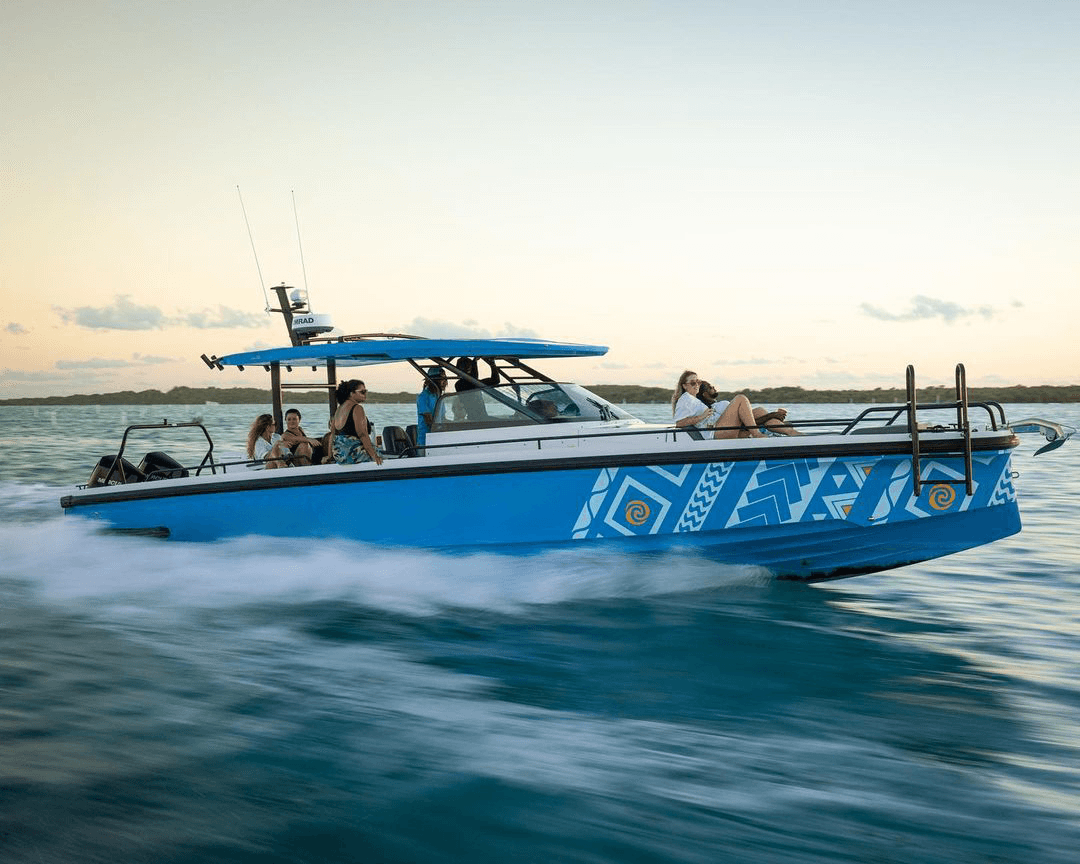
Full-day powerboat charters
3. A winter charter from Providenciales
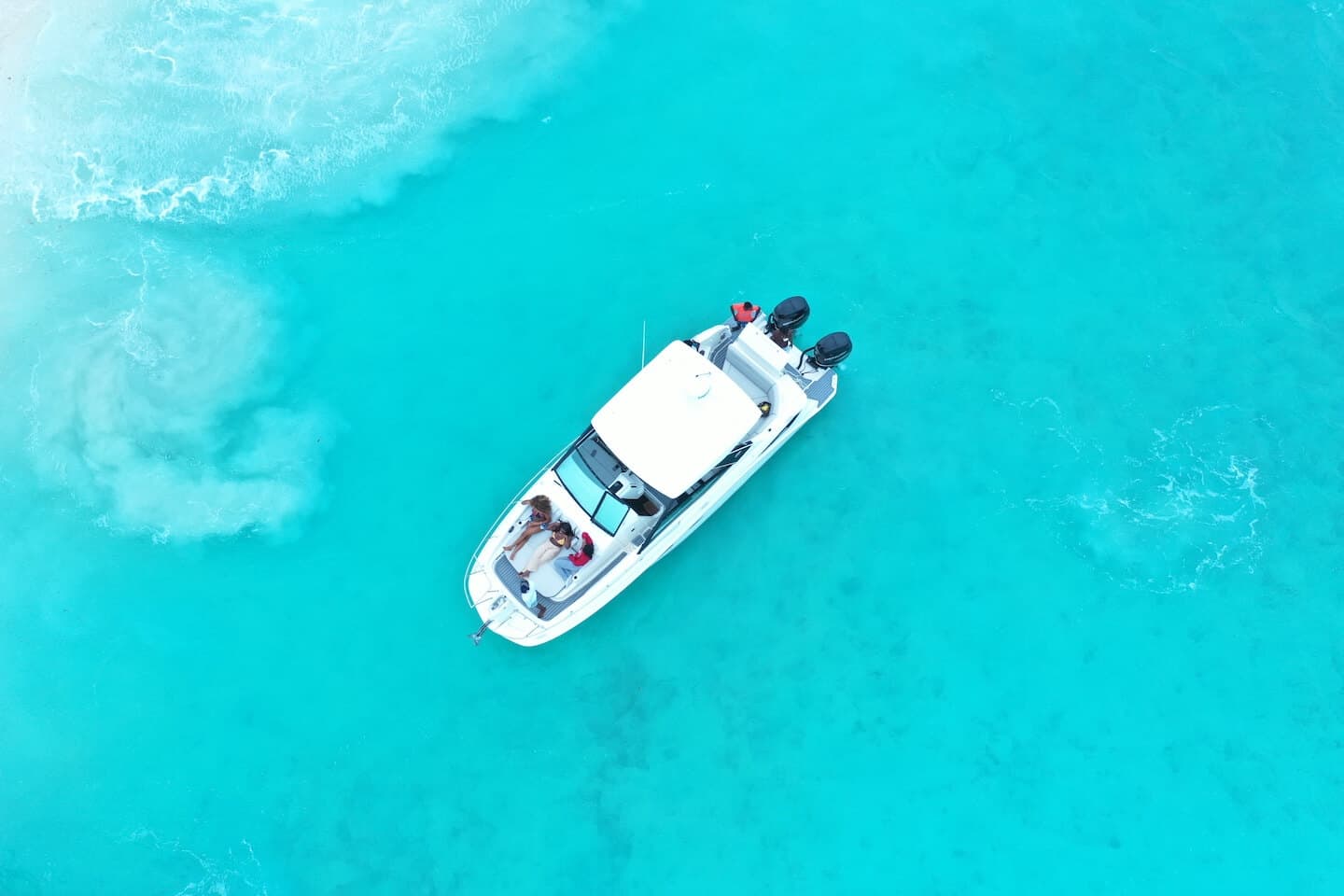
Be clear about what a charter from Providenciales is. We don’t sell a whale-watching tour, and nobody here can schedule a humpback: if seeing one is the reason for your trip, the dedicated trips from Grand Turk and Salt Cay are the way to do it. A longer private charter between January and March is a reef-and-sandbar day on which a whale is a lucky bonus. What it does give you is time: captains here know where whales are most often seen in season, and they’ll take you through those areas.
The rest of the day is a winter charter at its best: reefs, sandbars and, until March 31, lobster season, when several full-day charters catch and cook. See lobster season. Dolphins are here all year, too: see dolphins and the story of JoJo.
The sea is cooler in winter, around 77 to 79°F, so a light layer for the ride home is worth packing, and binoculars help if whales are the goal. More in what to bring on a boat day.
If you get a clear shot of the underside of a tail fluke, send it to the Turks and Caicos Islands Whale Project. A fluke is as individual as a fingerprint, the project matches photos against whales already on file, and if yours is a known animal they’ll tell you where else it has been seen.
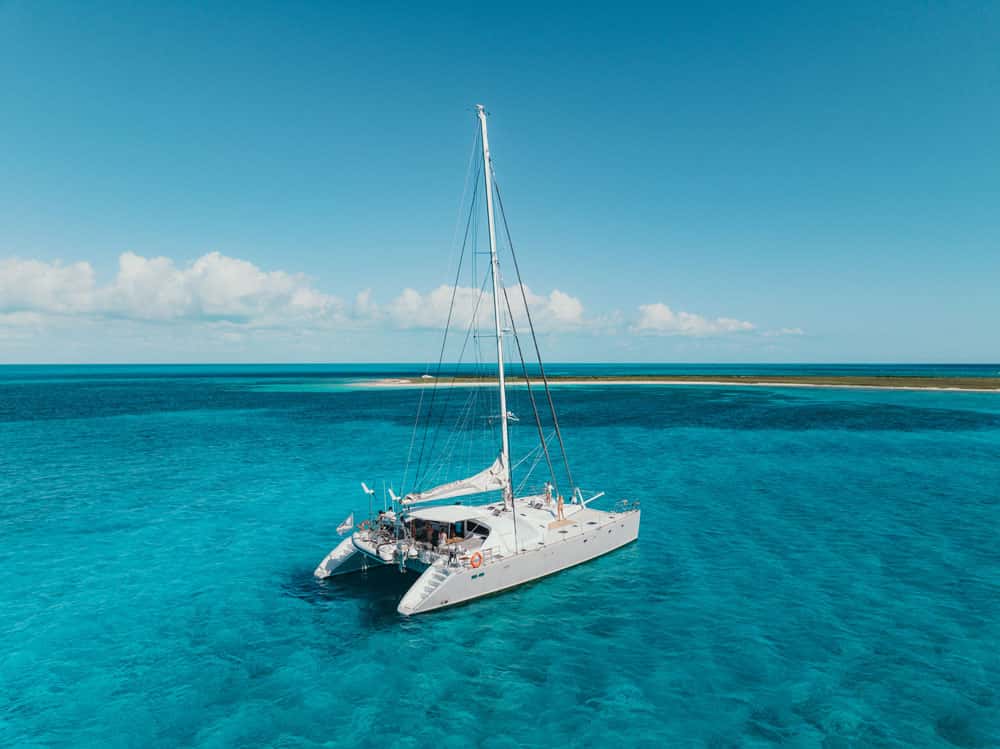
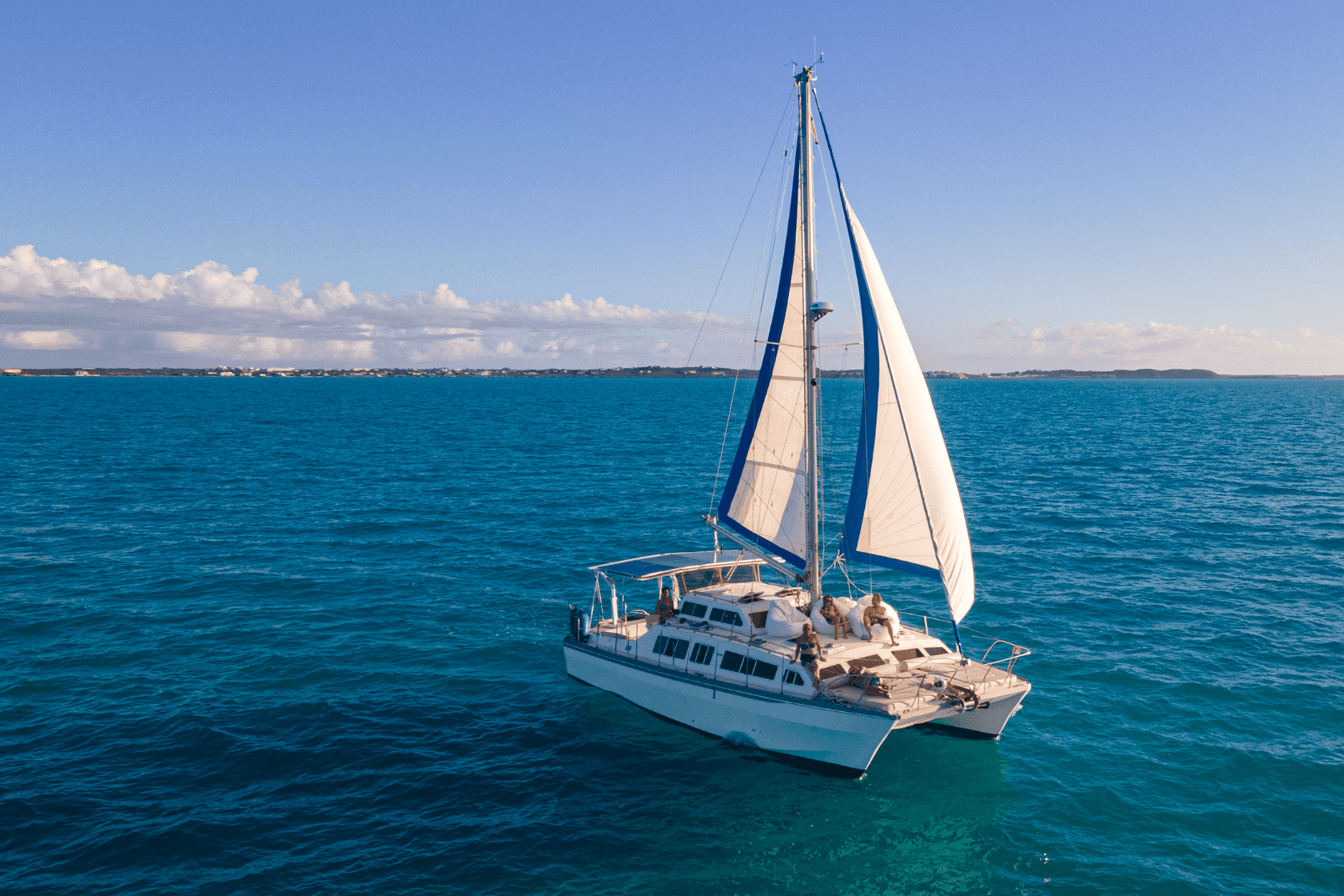
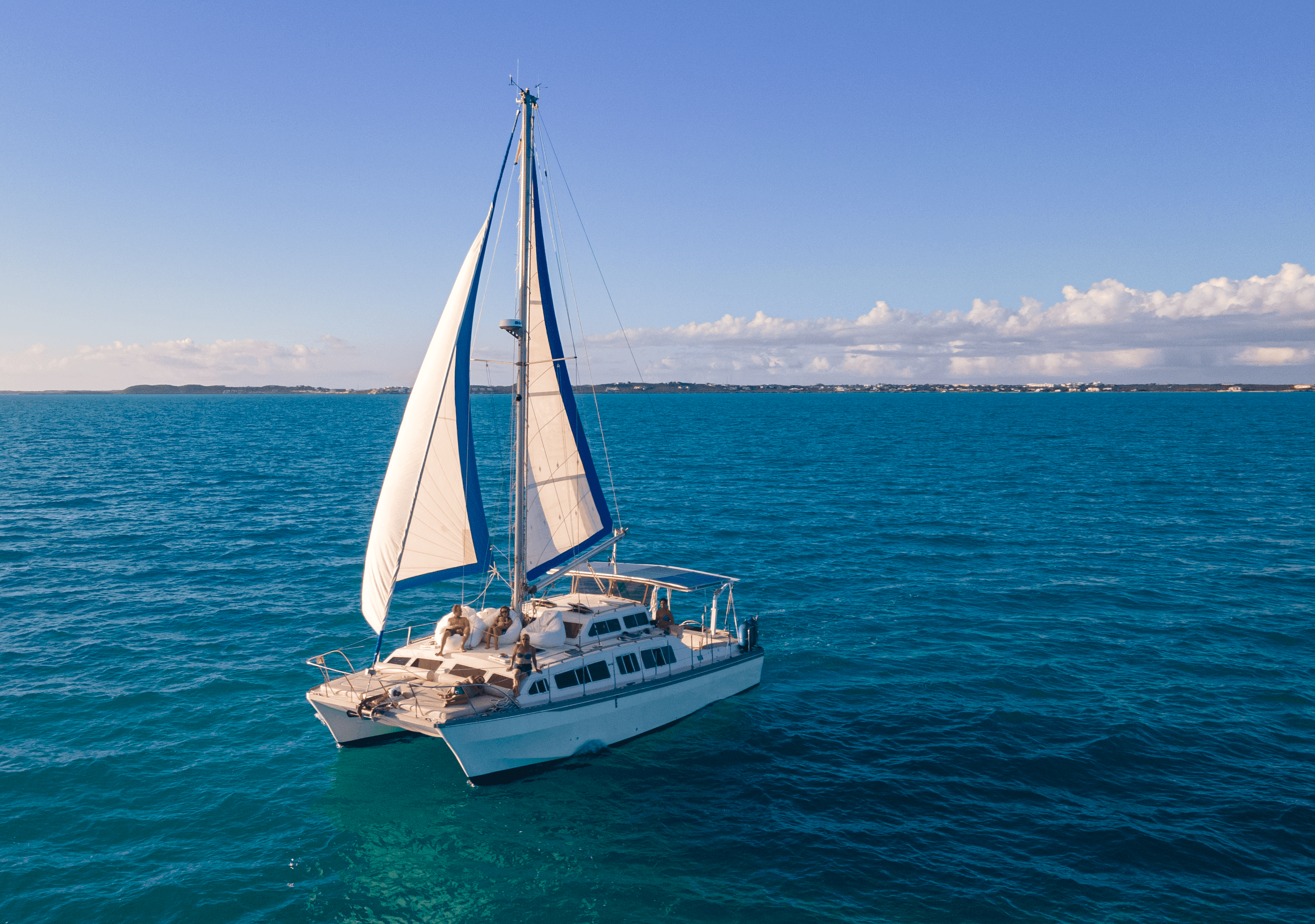
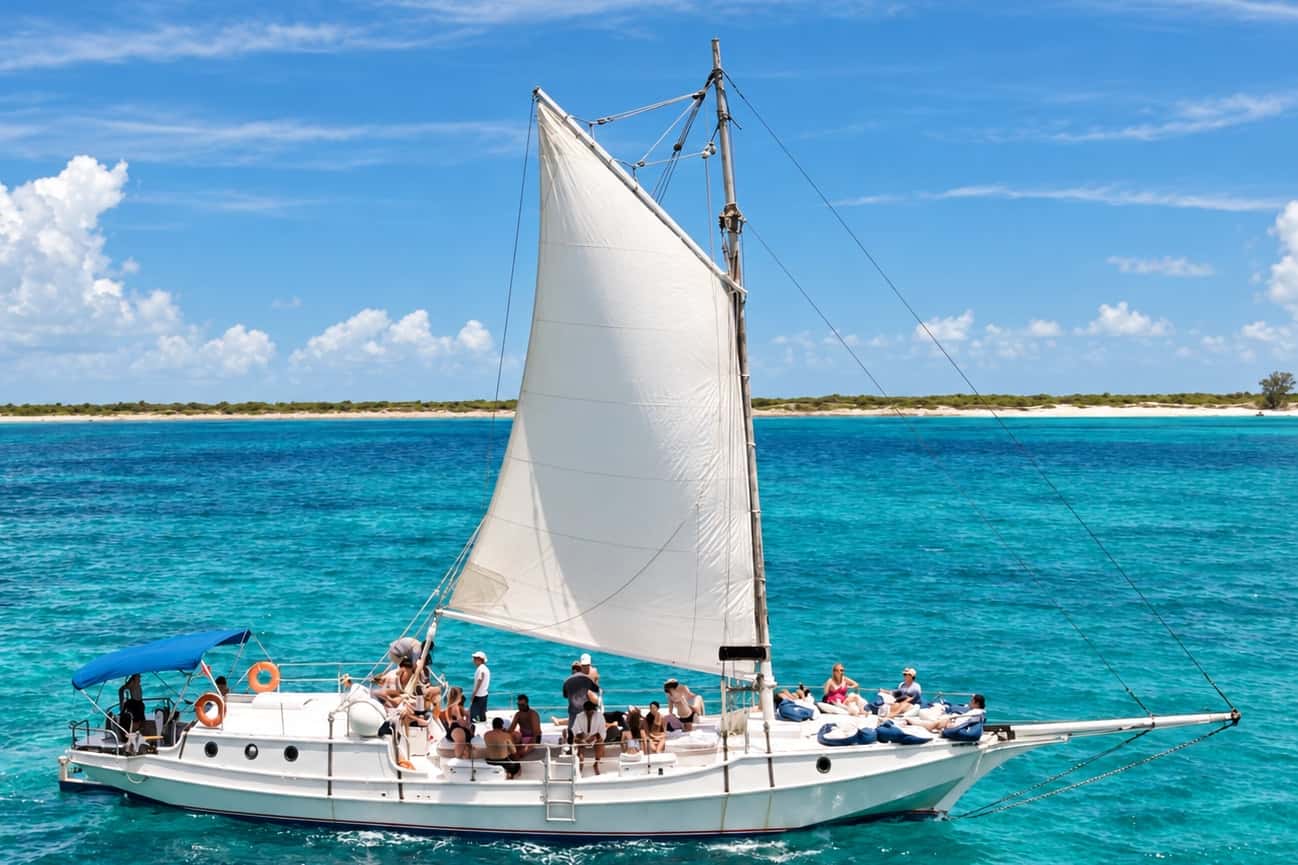
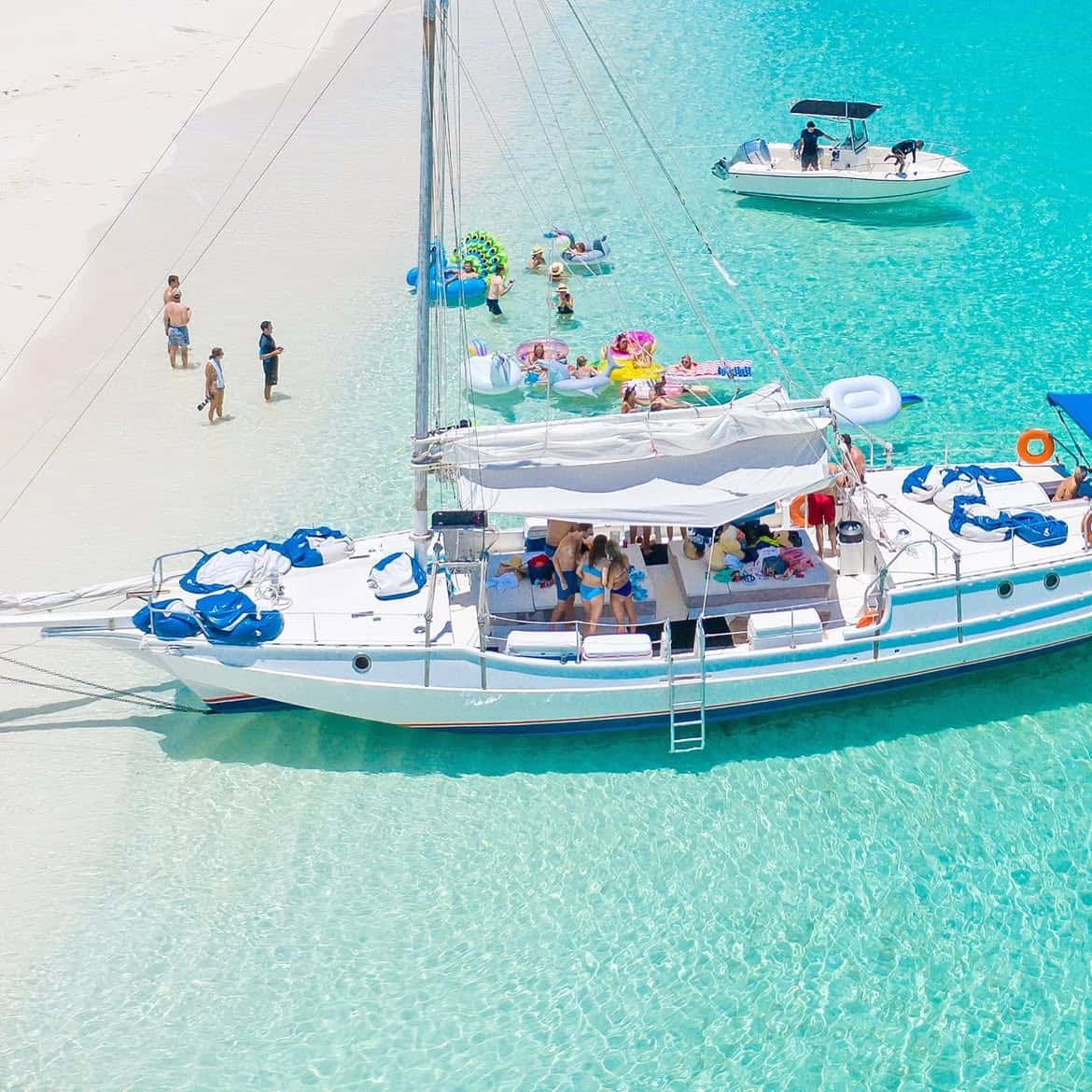
Sailing charters for a longer day
What a full winter day costs
All-in for six guests, on each boat’s longest charter.
| Boat | Duration | Guests | All-in price | Cancellation |
|---|---|---|---|---|
| 22ft Sports Cruiser Charter | 8 Hours | up to 8 guests | $3,026for 6 guests | Free cancellation up to 24 hours before |
| 26ft Regal Charter | 7 Hours | up to 10 guests | $3,311for 6 guests | Free cancellation up to 48 hours before |
| 28ft Luxury Boat Charter | 8 Hours | up to 6 guests | $3,768for 6 guests | Free cancellation up to 48 hours before |
| 37ft Luxury Boat Charter | 8 Hours | up to 10 guests | $4,396for 6 guests | Free cancellation up to 48 hours before |
| 43ft Ultra Luxury Yacht Charter | 8 Hours | up to 16 guests | $8,621for 6 guests | Free cancellation up to 72 hours before |
| 47ft Luxury Yacht Charter | 8 Hours | up to 18 guests | $7,936for 6 guests | Free cancellation up to 48 hours before |
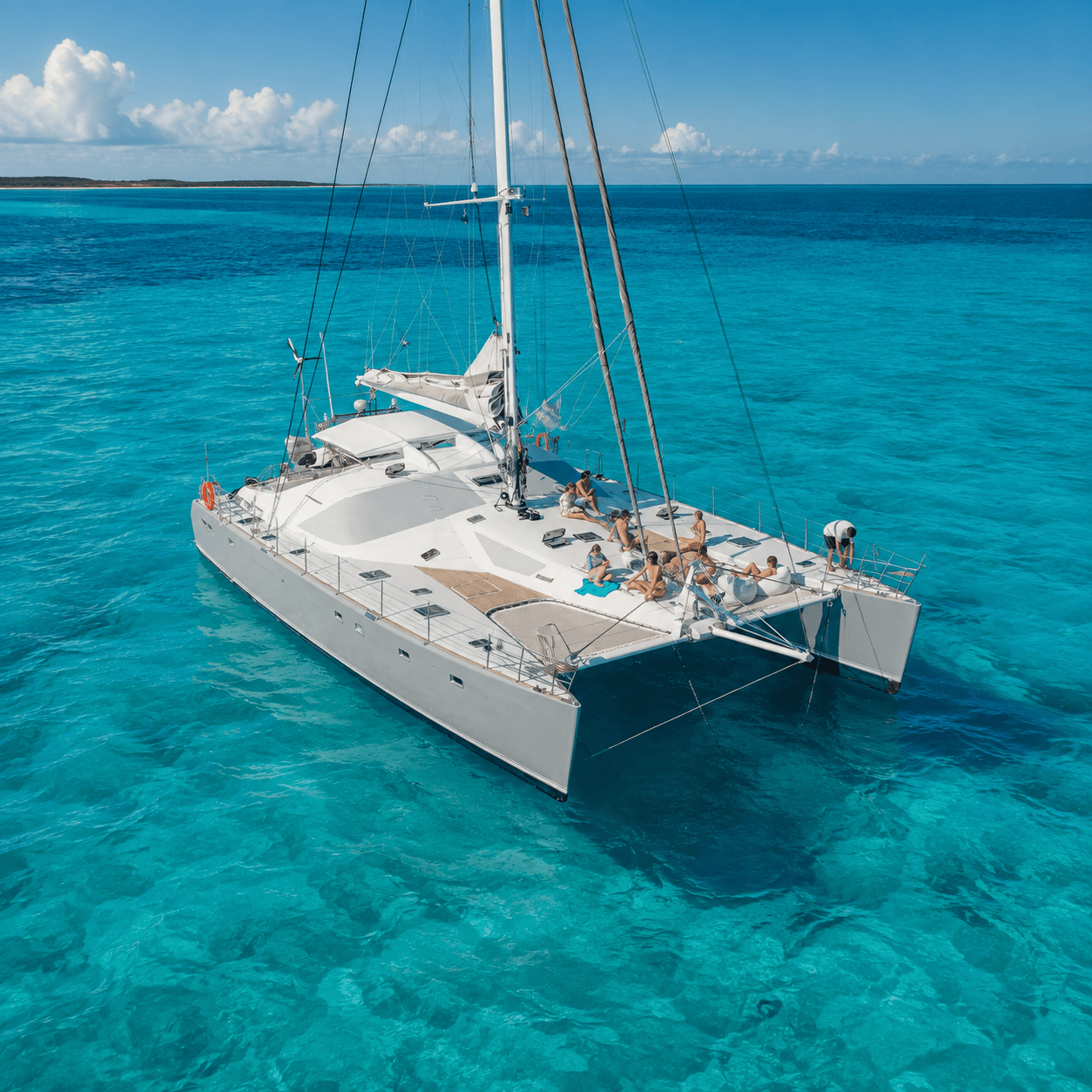
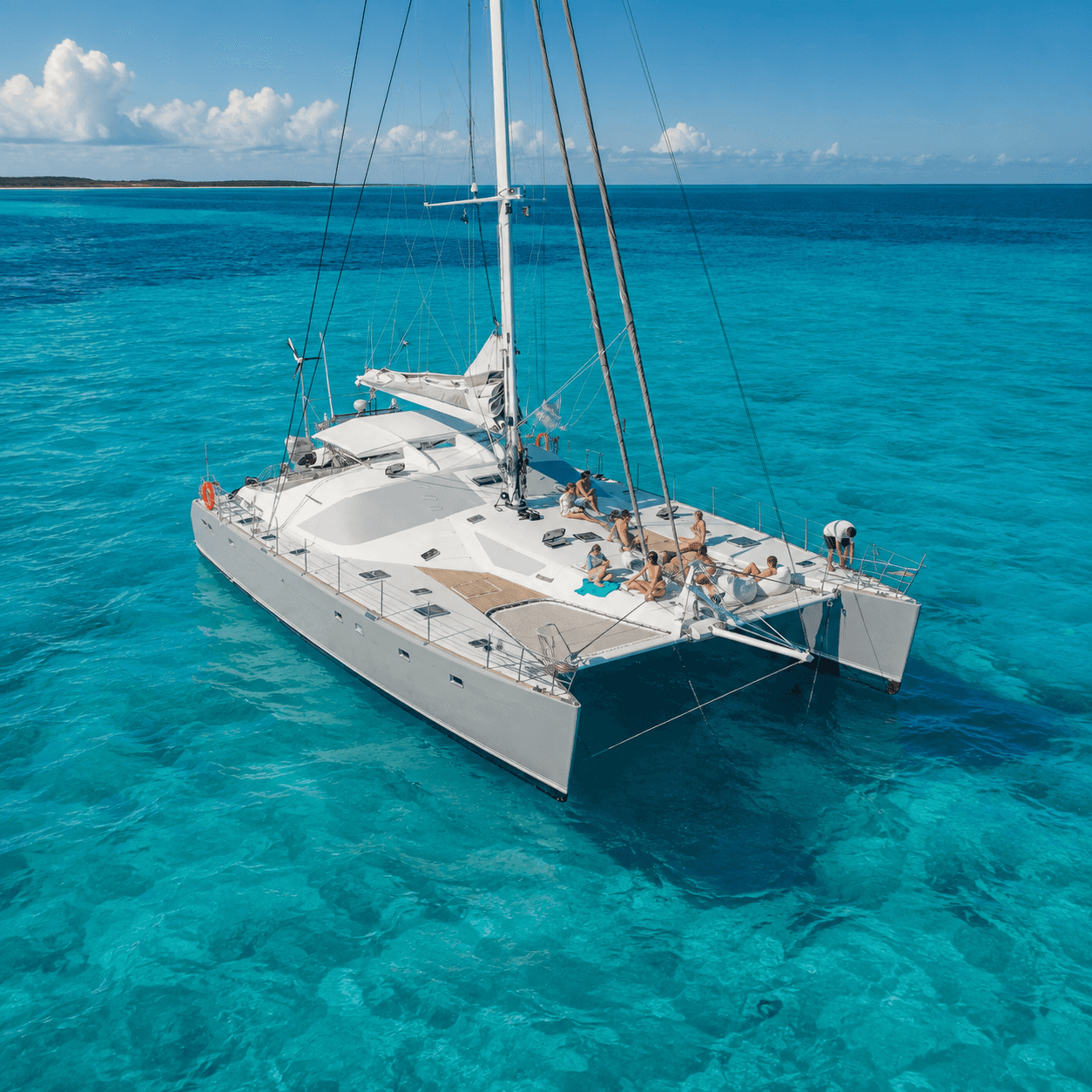
| 41ft Sailing Catamaran Charter | 7 Hours | up to 12 guests | $4,145for 6 guests | Free cancellation up to 72 hours before |
| 65' Ultra Lux Sailing Cat | 7 Hours | up to 20 guests | $9,477for 6 guests | Free cancellation up to 48 hours before |
| 70ft Sailboat Charter | 6 Hours | up to 50 guests | $3,996for 6 guests | Free cancellation up to 48 hours before |
- 8-Hour Private Charter
- Guests
- up to 8 guests
- All-in price
- $3,026for 6 guests
- Cancellation
- Free cancellation up to 24 hours before
- 7-Hour Private Charter
- Guests
- up to 10 guests
- All-in price
- $3,311for 6 guests
- Cancellation
- Free cancellation up to 48 hours before
- 8-Hour Private Charter
- Guests
- up to 6 guests
- All-in price
- $3,768for 6 guests
- Cancellation
- Free cancellation up to 48 hours before
- 8-Hour Private Charter
- Guests
- up to 10 guests
- All-in price
- $4,396for 6 guests
- Cancellation
- Free cancellation up to 48 hours before
- 8-Hour Private Charter
- Guests
- up to 16 guests
- All-in price
- $8,621for 6 guests
- Cancellation
- Free cancellation up to 72 hours before
- 8-Hour Private Charter
- Guests
- up to 18 guests
- All-in price
- $7,936for 6 guests
- Cancellation
- Free cancellation up to 48 hours before
- 7-Hour Private Charter
- Guests
- up to 12 guests
- All-in price
- $4,145for 6 guests
- Cancellation
- Free cancellation up to 72 hours before
- 7-Hour Private Charter
- Guests
- up to 20 guests
- All-in price
- $9,477for 6 guests
- Cancellation
- Free cancellation up to 48 hours before
- 6-Hour Private Charter
- Guests
- up to 50 guests
- All-in price
- $3,996for 6 guests
- Cancellation
- Free cancellation up to 48 hours before
All-in prices include taxes and fees, in the listing's currency, as of Nov 4, 2026.
How to watch a whale
The Department of Environment and Coastal Resources sets guidelines for meeting whales, from a boat or in the water:
- Let the whale come to you. Boats keep their distance, and the whale decides how close it comes.
- Never touch a whale, and don’t dive down into its space.
- Keep calm in the water. Avoid splashing.
- Give mothers room. Keep well away from pregnant females.
- If a whale charges, get out of the water.
- Never feed a marine mammal. It’s illegal in Turks and Caicos.
- From the boat: when a whale is sighted the engines go to idle, the boat holds at least 50 meters off and lets the whale close the gap, and no more than three boats watch one whale at a time.
Humpbacks are gentle but easily startled, so slow and quiet is the way to a good encounter. If a whale keeps moving away, the right thing is to let it go.
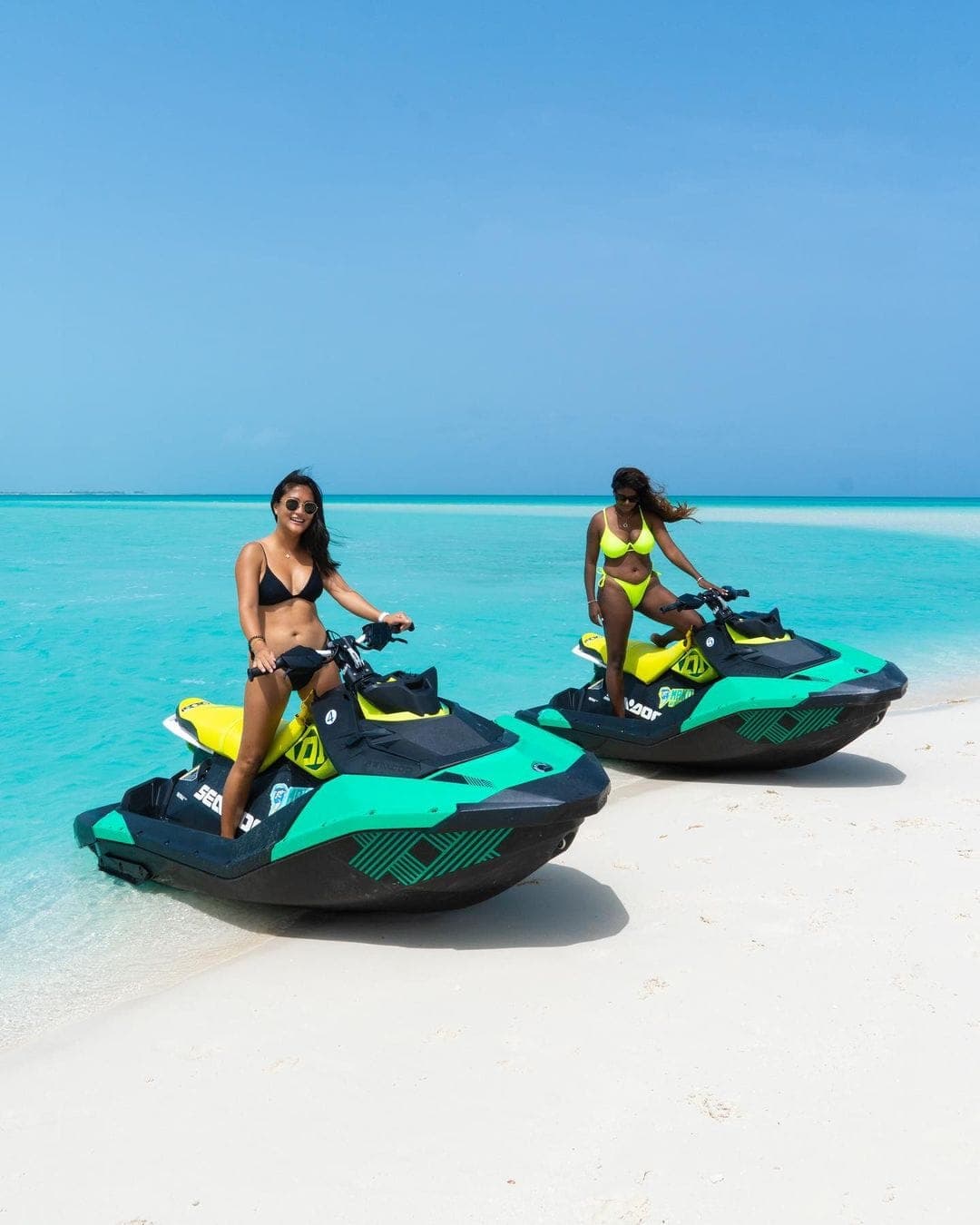
The code is voluntary, but the law behind it isn’t. In March 2025, after a yacht was reported harassing whales off Grand Turk, the Department of Environment and Coastal Resources restated the rules under the Fisheries Protection and National Parks Ordinances: no vessel within 100 meters of a whale or 200 meters of a mother with a calf, no scuba or free-diving with them, no chasing or encircling, no jet skis or other personal watercraft around them, no flash photography or lit underwater filming, no shouting or loud noise, and no drones without approval from the Civil Aviation Authority. Swimming with whales is allowed only with a licensed, certified operator. A captain who holds off isn’t being timid; that distance is the whole point.
The ideal is what’s known here as a soft encounter: the whale approaches on its own terms, or not at all. For the rest of the year’s calendar, see the best time of year for a boat day. Every boat on TCI Experiences is handpicked and verified for safety, service and upkeep.
A winter day on the water from Providenciales
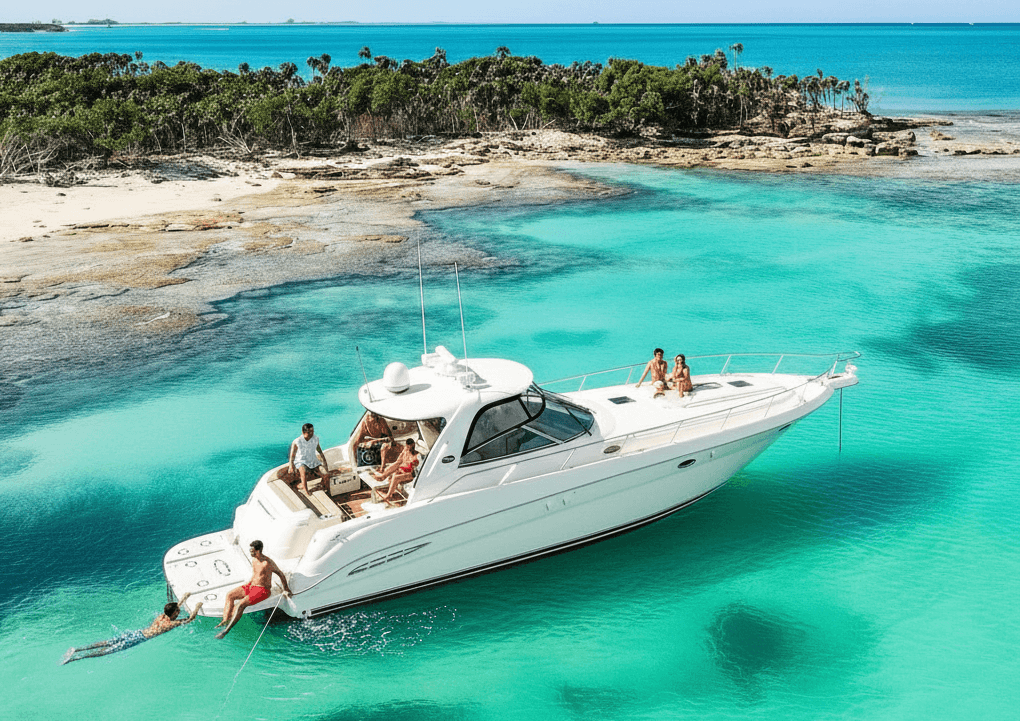
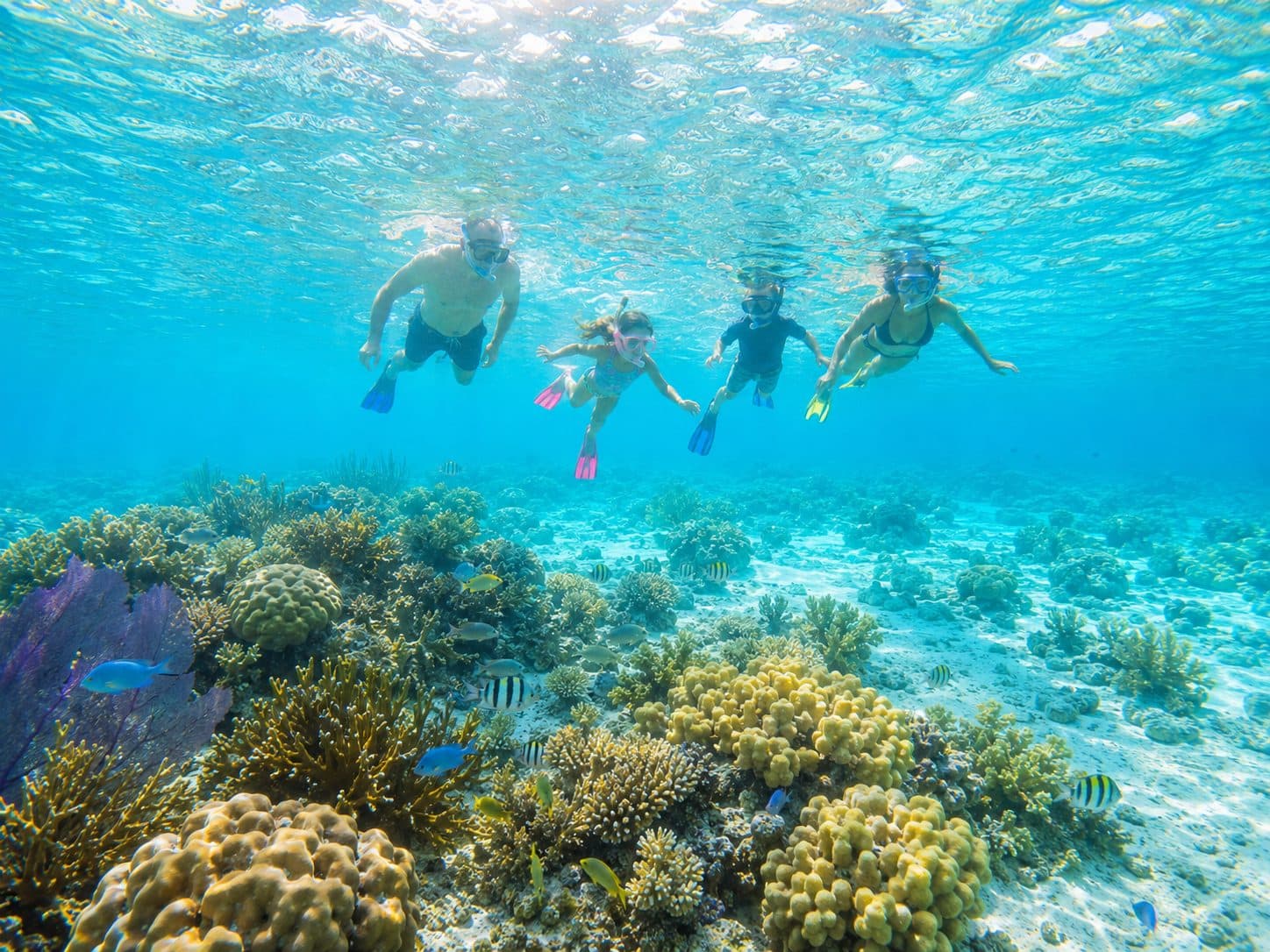
If you’re on Providenciales in whale season and want a winter day with the best chance of a blow on the horizon, book a full day. The 37ft Luxury Boat’s eight-hour charter is $4,396 all-in for up to 10 guests from Blue Haven Marina, with snorkel gear, fruit, sandwiches or wraps and bottomless rum punch; there’s no bathroom on board. With a bathroom and room for 18, the 47ft Luxury Yacht’s eight hours are $7,936 for six and $274 for each guest after that. Under sail, the 41ft sailing catamaran’s seven hours are $3,882 for four, with two bathrooms, a Subwing and a sandwich platter.
Whale season is also high season, so the boats fill: guests book a median 11 days ahead. The price on each listing includes taxes, a deposit secures the boat, you can cancel free up to 48 hours before on the 37ft and the 47ft and 72 hours on the 41ft, and a request is confirmed within a few hours, nearly always the same day.